


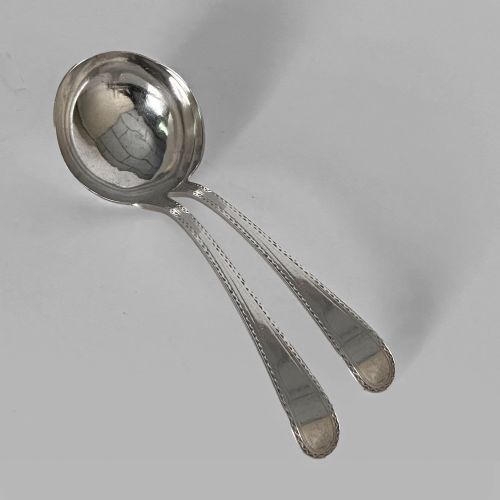

Antique Silverware Tableware
Antique silverware tableware brings historic craftsmanship to the dining table, offering everything from Georgian ladles to Victorian napkin rings.
Antique Silverware Tableware
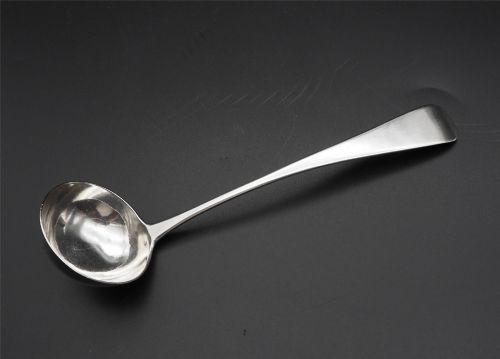
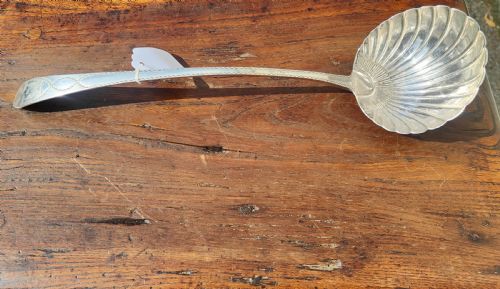
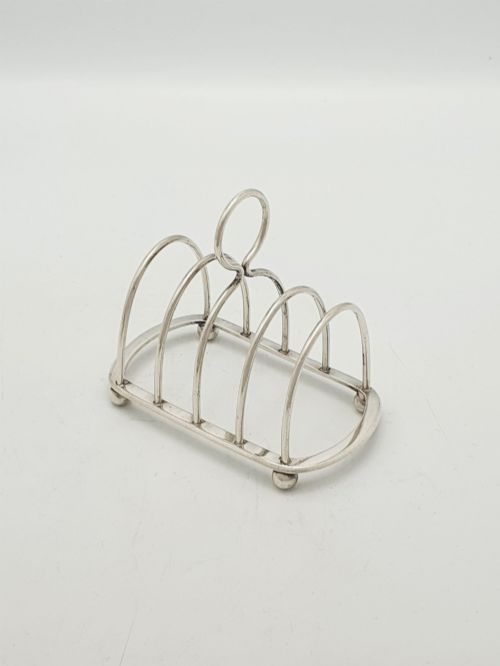
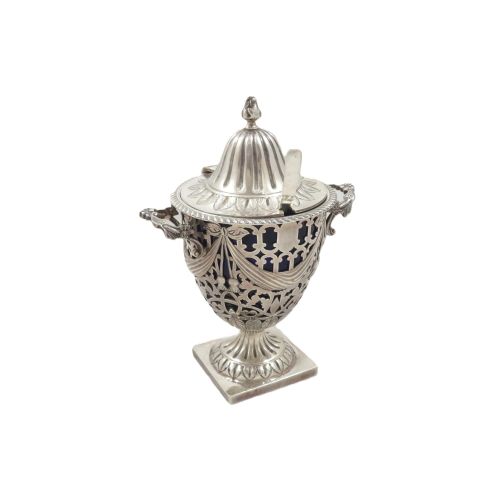
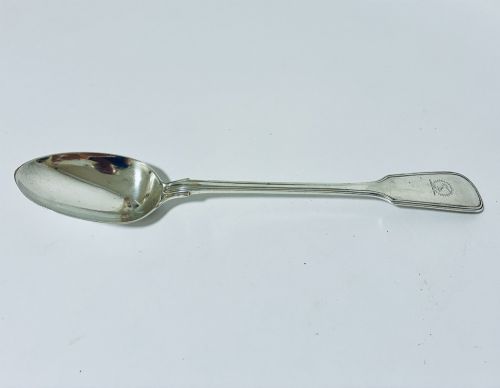
When you search for antique silverware tableware, you encounter functional dining pieces spanning the Georgian, Victorian, and Edwardian periods. The selection includes serving spoons, sauce boats, toast racks, and sugar tongs fashioned in solid sterling silver and silver plate.
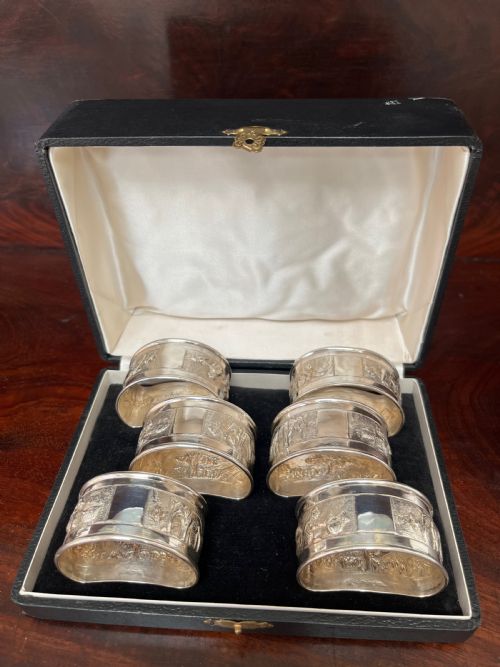
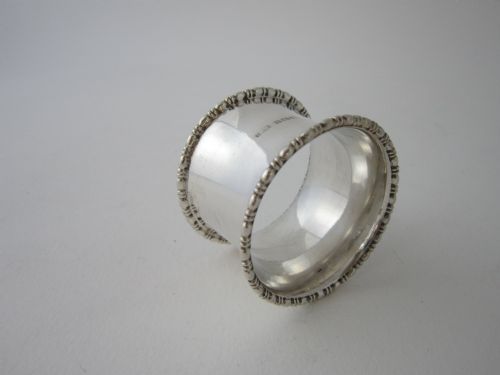
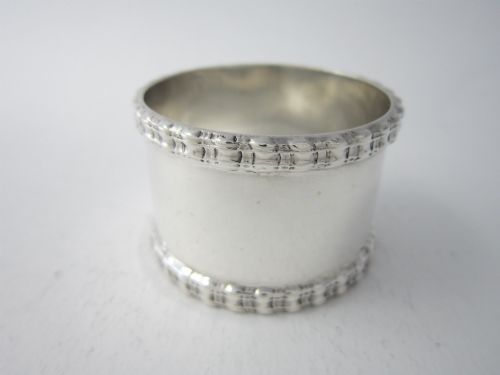
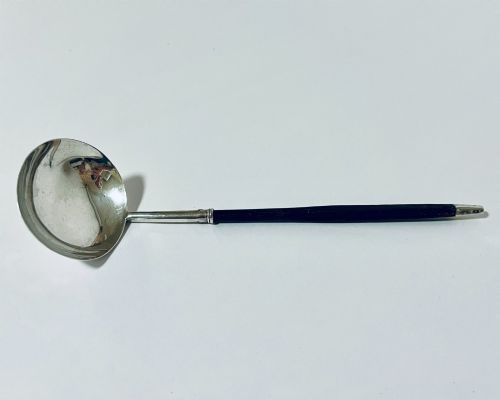
You are most likely to meet smaller serving items and individual table accessories such as napkin rings, cream jugs, and ladles. These pieces originate from British, Irish, Scottish provincial, and Russian workshops operating across the eighteenth, nineteenth, and early twentieth centuries.
Materials and construction methods
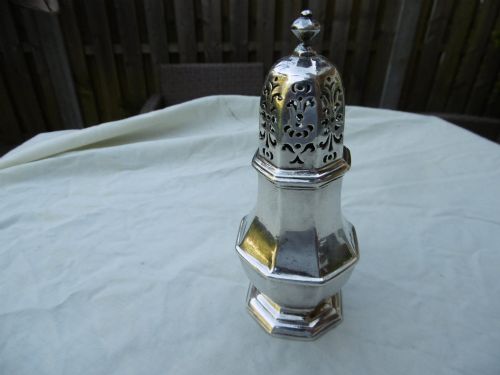
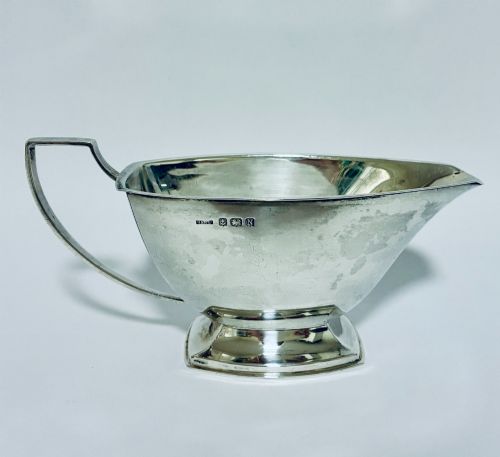
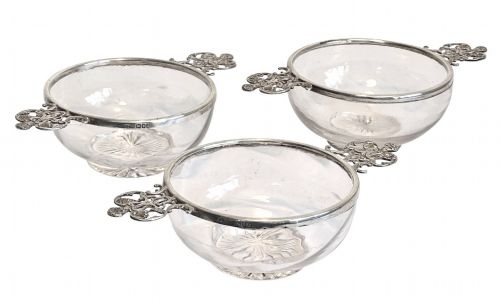
Silversmiths primarily worked with sterling silver and silver plate, often shaping metal through hammering, casting, and piercing. Items like casters, sauce boats, and sugar baskets demonstrate skilled forming techniques, while specialised pieces incorporate glass inserts and niello or cloisonne enamel decoration.
Cases and presentation boxes utilise wood lined with velvet, silk, or leatherette to protect delicate items such as napkin rings and grape scissors. Makers applied hallmarks and town marks directly onto the metal surface to authenticate origin and silver purity.
Factors that distinguish quality
The quality of antique silverware tableware depends on the crispness of the maker's mark, the weight of the metal, and the precision of any hand-engraved or chased decoration. Pieces by notable makers such as Hester Bateman exhibit superior proportions and refined finishing compared to standard commercial output.
The integrity of the construction, such as the snug fit of a caster lid or the sturdy hinge of a sugar nip, separates fine craftsmanship from ordinary utility. Preservation of original surface detail and clear hallmarks further elevate the standing of an individual piece.
William Comyns·Hester Bateman·The Barker Brothers·Hamilton and Inches·Josiah Williams and Co·Dmitrii Nikolaevich Nikolaev
The Antique Silverware Tableware Glossary
- Hallmark
- Official stamps struck into precious metals indicating the maker, assay office, and year of testing. These marks provide definitive historical context for dating a piece.
- Sterling silver
- An alloy consisting of ninety-two point five percent silver and seven point five percent other metals, usually copper. This standard ensures the durability required for functional tableware.
- Niello
- A black metallic alloy used as an inlay on engraved silver surfaces, creating contrasting decorative patterns. This technique appears frequently on nineteenth-century Russian pieces.
- Cloisonne
- Enamelling work where thin metal wires form compartments on a metal base, which are then filled with coloured glass paste and fired. It produces vibrant, detailed patterns on items like small spoons.
- Caster
- A small perforated container used for sprinkling sugar or spices over food. Early examples often feature distinct octagonal bodies and threaded lids.
Antique Silverware Tableware: Frequently Asked Questions
How do I clean antique silver?
Use a soft microfiber cloth and a mild, non-abrasive silver polish formulated specifically for antiques. Avoid harsh scrubbing that can wear down original hallmarks and fine chasing.
Wash the item in warm soapy water afterwards and dry it completely with a soft towel. Proper storage in tarnish-resistant cloth helps maintain the finish between uses.
Are these pieces safe for daily dining?
Many solid sterling silver and silver-plated items remain entirely functional for modern meals. Ladles, serving spoons, and napkin rings are durable enough for regular household use.
Delicate pieces featuring enamel, glass inserts, or intricate piercing require gentler handling and hand-washing. Avoid putting antique silver in the dishwasher.
What is the difference between silver plate and sterling?
Sterling silver contains a regulated high purity of silver throughout the entire object, stamped with appropriate hallmarks. Silver plate consists of a thin layer of silver bonded over a base metal core.
Plated items generally weigh less and may show base metal underneath where the coating has worn away over decades of polishing.
How do I identify the date of a piece?
Examine the stamped hallmarks on the silver, which usually include a date letter corresponding to the assay office records of the year of manufacture. Stylistic cues such as Georgian neoclassical lines or Art Deco geometry also point toward specific decades.
Maker marks help narrow down the active working years of the silversmith who produced the item.