


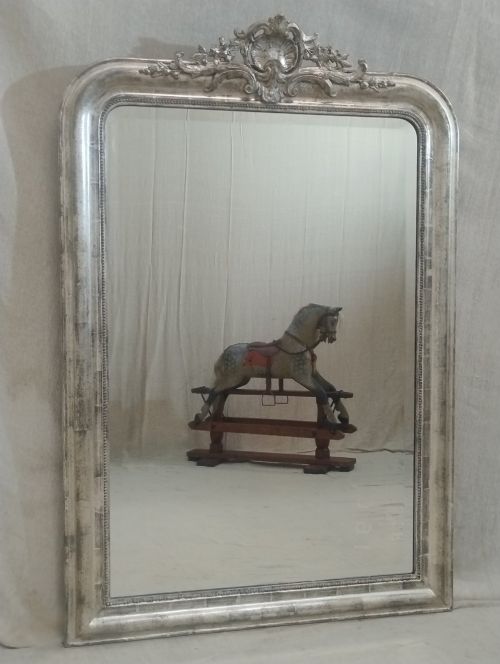
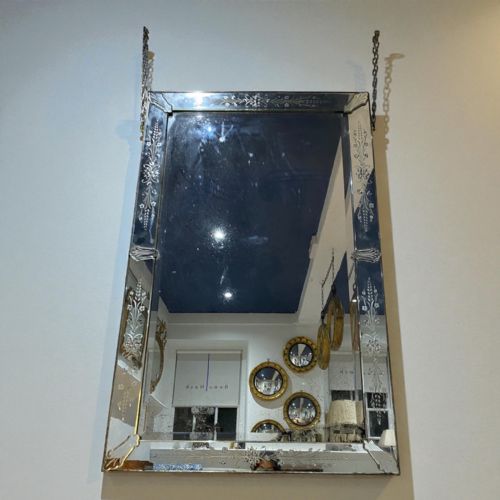
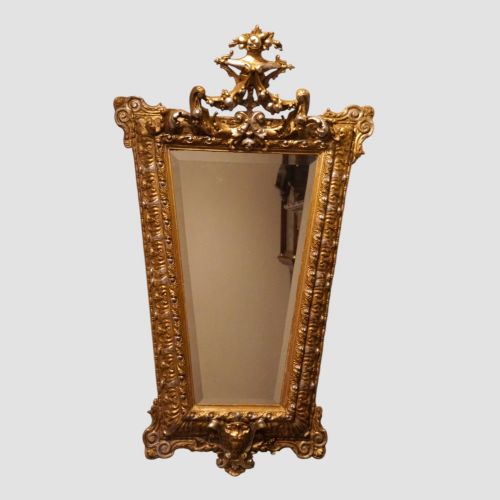
Antique Silvered Frame Mirror
An antique silvered frame mirror brings depth and reflective light to a room through centuries-old craftsmanship.
Antique Silvered Frame Mirror
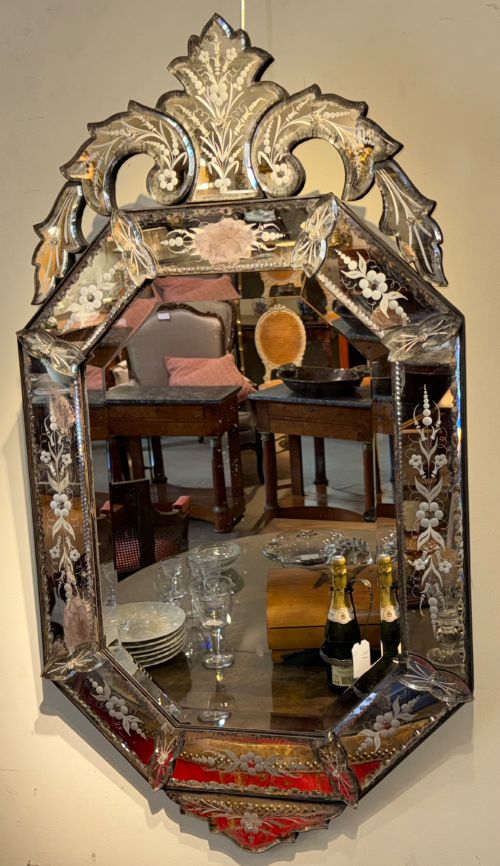
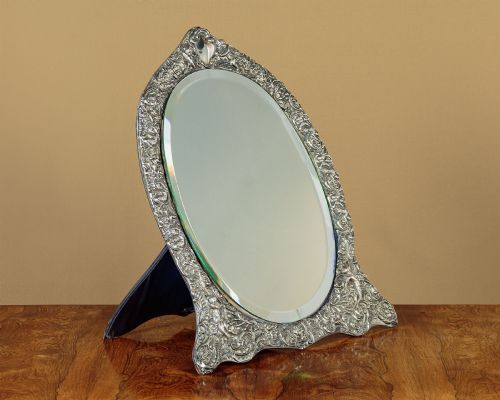
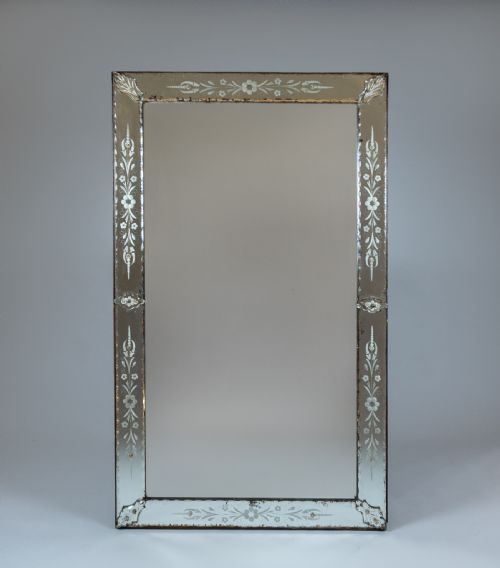
When searching for an antique silvered frame mirror, buyers encounter a wide variety of forms spanning wall mirrors, overmantels, dressing table pieces, and Venetian cushion designs. These objects serve both functional and decorative purposes, shaped by distinct periods ranging from the seventeenth century through the Victorian, Edwardian, and Art Deco eras.
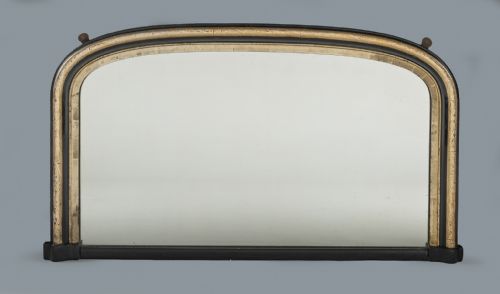
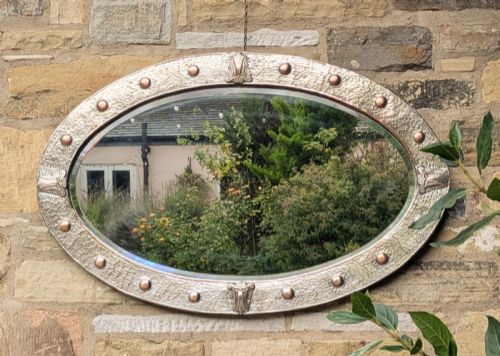
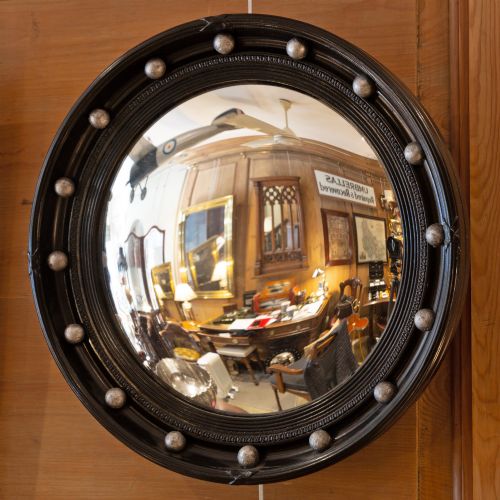
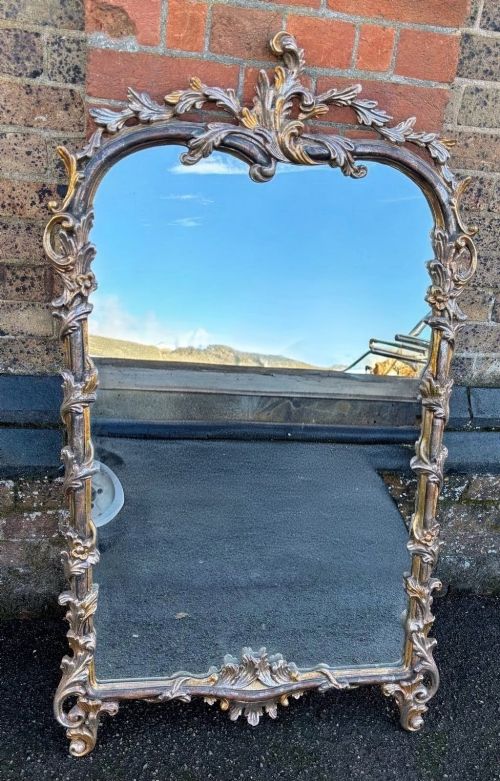
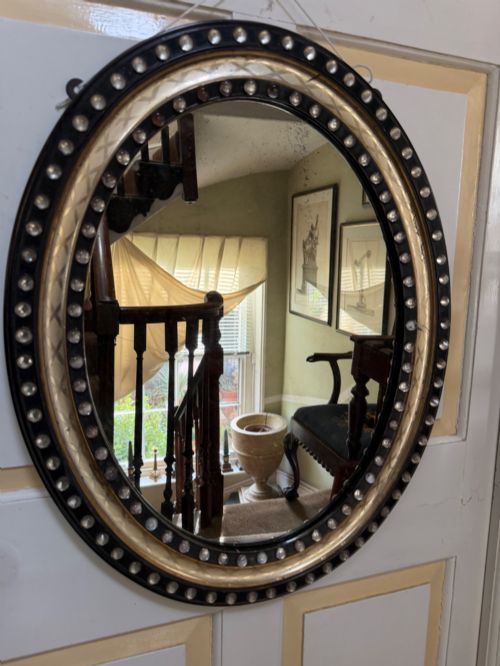
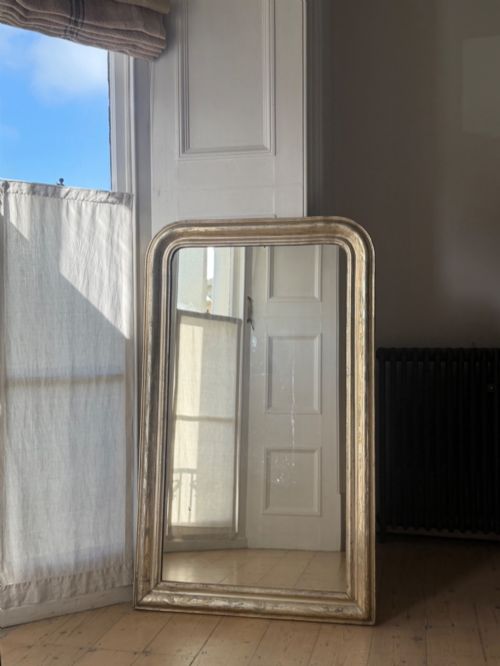
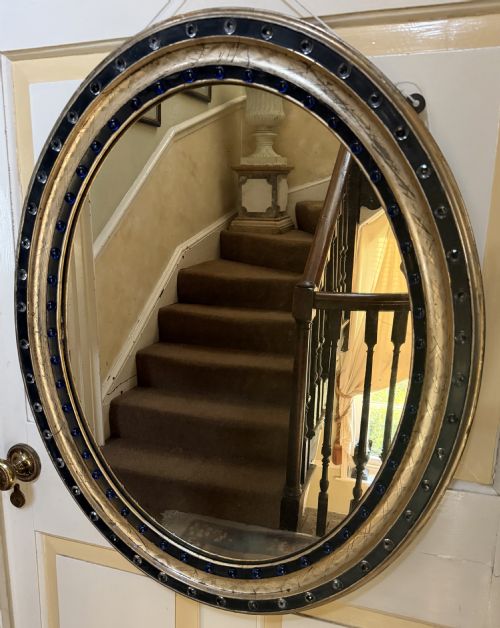
The pieces on this page appear in numerous styles including French Rococo Revival, Arts and Crafts, and Venetian traditions. Wall mirrors and overmantels dominate the selection, often incorporating ebonised wood, carved gesso, or applied glass decoration alongside silver leaf surfaces.
Origins vary widely across England, France, Italy, and China, bringing regional aesthetic differences to the silvered and gilt frames. Whether looking for a small easel dressing table piece or a large architectural overmantel, buyers find domestic and continental examples represented in the current selection.
How they were made
Frames rely heavily on carved wood and gesso foundations, which receive applications of silver leaf, parcel silver-gilt, or silver plating to achieve their luminous finish. Ebonised wood frequently provides a dark contrasting border to the metallic elements.
Mirror plates utilise traditional glass production methods, including mercury glass and foxed bevelled plates, occasionally enhanced by etched details or facetted glass jewels and cabochons. Metalwork frames incorporate hammered copper, brass, and solid sterling silver constructed by silversmiths.
Antique Silvered Frame Mirror Retail Price Guide 2026
Typical asking prices for silvered frame mirror among the pieces listed under this phrase on Sellingantiques today, from the lower quarter to the upper quarter. They describe what is for sale here now, not the wider market.
What varies in quality
The refinement of the carved wood and gesso ornamentation dictates much of the visual distinction between pieces. Deeply carved foliage, crisp moulding profiles, and well-preserved silver leaf indicate superior workshop origin.
The condition and integrity of the original mirror glass plate, whether featuring mercury backing, bevelled edges, or traditional foxing, contribute significantly to the character and desirability of the object.
William Comyns·WMF
The Antique Silvered Frame Mirror Glossary
- Silver Leaf
- A very thin sheet of beaten silver applied to wood or gesso frames. It tarnishes naturally over time, developing a soft patina.
- Gesso
- A plaster-like mixture applied to wooden frame bases to create a smooth surface for gilding or silvering. It allows for intricate moulded details.
- Mercury Glass
- A double-walled glass blown in the nineteenth century with a silvering mixture inserted between the layers. It creates a distinctive cloudy reflective depth.
- Overmantel Mirror
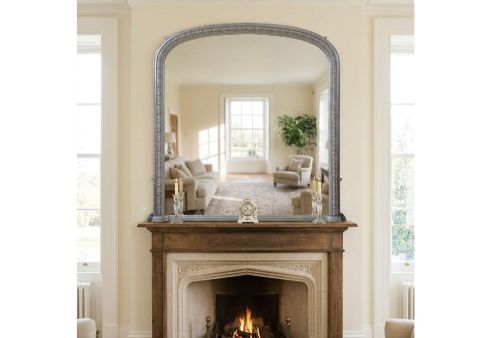
- A large mirror specifically designed to hang above a fireplace mantelpiece. These often scale wider to match the hearth below.
- Ebonised Wood
- Timber treated to resemble ebony, providing a deep black finish. It contrasts sharply with silvered or gilt ornamentation.
Antique Silvered Frame Mirror: Frequently Asked Questions
How do I clean an antique silvered frame mirror?
Clean the glass plate gently using a soft cloth and a mild glass cleaner sprayed onto the cloth rather than directly onto the mirror. Avoid touching the silvered or gilt frame with liquid cleaners to protect the delicate surface finish.
Dust the carved wooden or gesso frame regularly with a dry, soft-bristled brush. Harsh chemicals or abrasive materials will strip the historical silver leaf or plating.
Where should I hang an overmantel mirror?
Hang an overmantel mirror centrally above a fireplace mantelpiece to reflect light and anchor the room's proportions. Ensure the wall fixings match the substantial weight of the wooden and glass structure.
Alternatively, position the mirror on a prominent living room wall opposite a window to maximise natural light distribution. Keep it away from damp exterior walls to protect the backing and frame.
How can I tell the period of a mirror?
Examine the construction of the wooden frame, the composition of the gesso, and the characteristics of the mirror plate. Older plates often display mercury backing, hand-bevel edges, or natural foxing.
Stylistic cues such as Victorian ebonising, Edwardian sterling silver mounts, or Art Deco geometric shapes help narrow down the decade. Hardware on the reverse also offers clues to the manufacturing era.