

Antique Silver Table Caddy
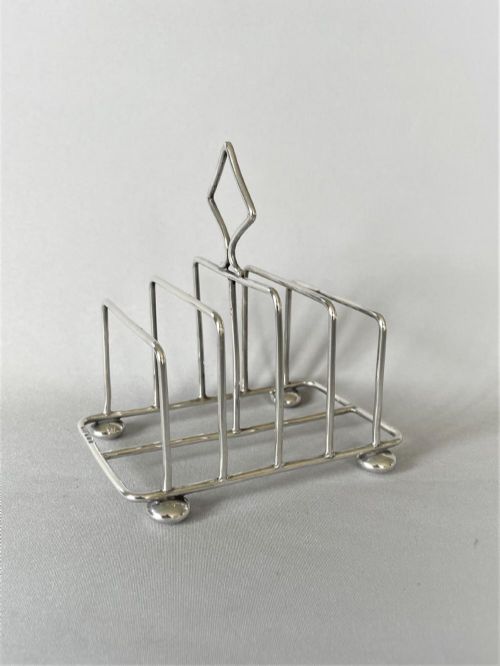
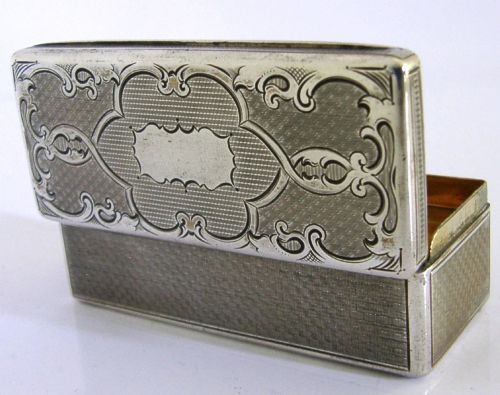
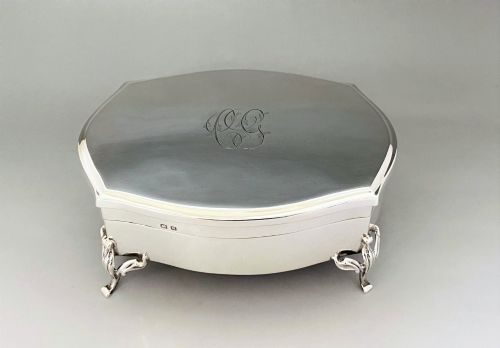
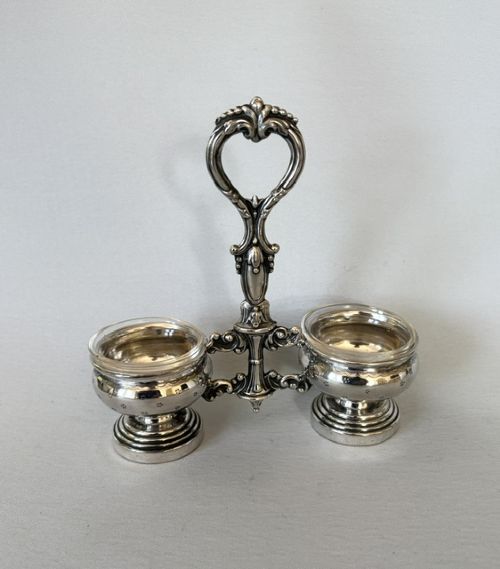
When you search for an antique silver table caddy, you uncover a distinct category of vessels designed to hold precious tea leaves on the dining or drawing room table.
Antique Silver Table Caddy
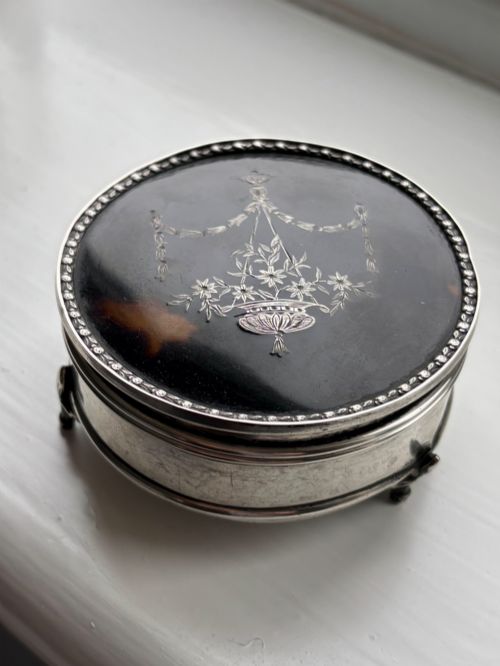
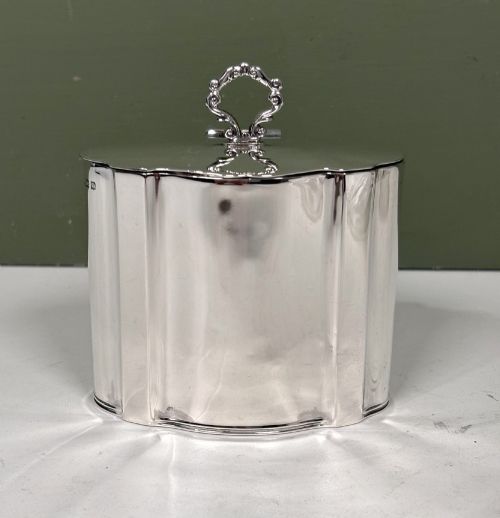
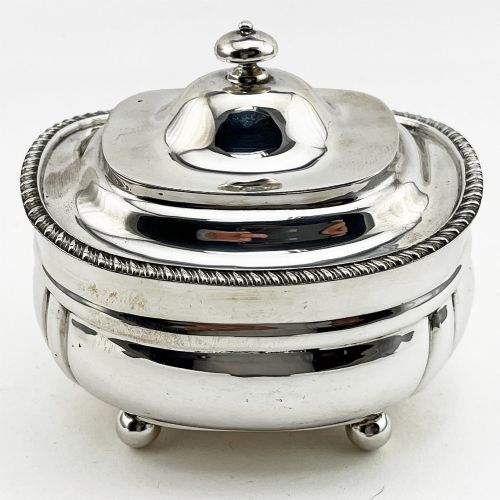
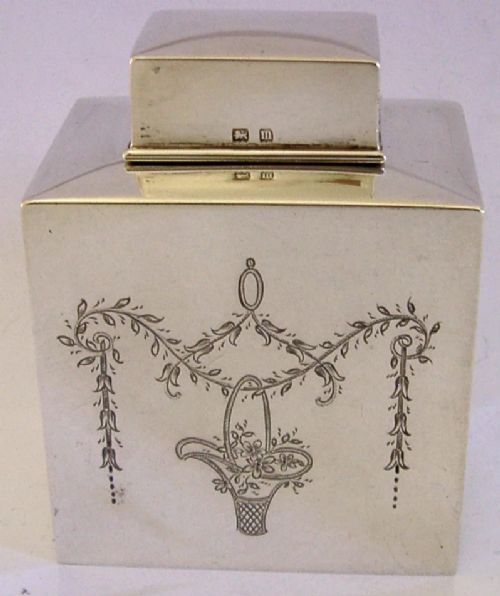
An antique silver table caddy is typically a lidded container created to store leaf tea safely away from light and moisture. The pieces found within this classification draw from periods spanning the Georgian era through to the mid-twentieth century, with Edwardian and 1910s examples appearing frequently.
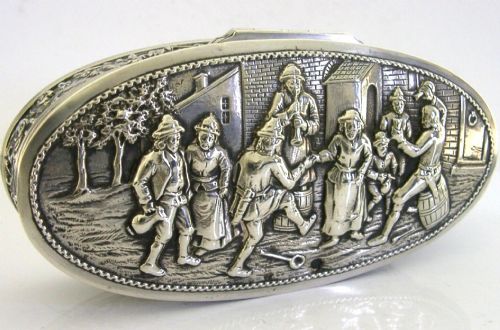
While dedicated tea caddies form part of the selection, the category also encompasses related domestic silver boxes, dressing table boxes, and caddy-form vessels in sterling silver and silver plate. Makers across Britain, Europe, and international workshops produced these items in various weights and proportions.
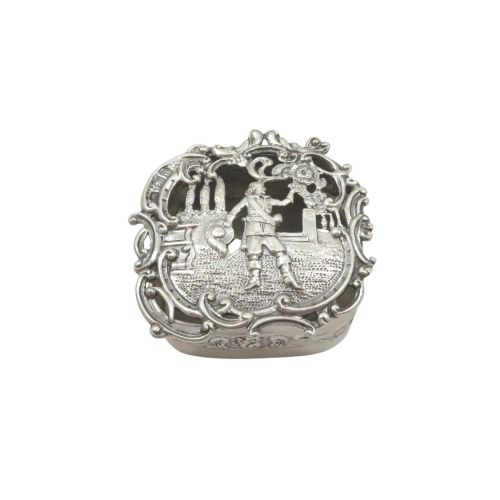
The forms range from plain geometric boxes to ornate pierced designs and revival styles influenced by earlier centuries. Buyers encountering these objects will observe both solid sterling silver and silver plate constructions, often complemented by interior wooden linings or glass elements.
Materials and Construction
The construction of these vessels relies primarily upon sterling silver, silver plate, and occasionally solid silver alloys such as Austro-Hungarian or Dutch standards. Workshops utilised sheet metal fabrication, casting, and piercing techniques to shape the bodies, lids, and mounts.
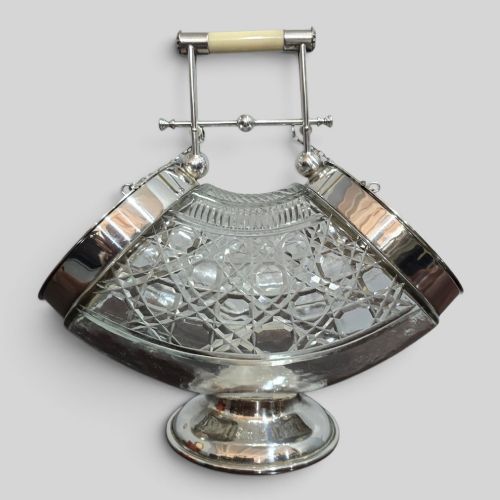
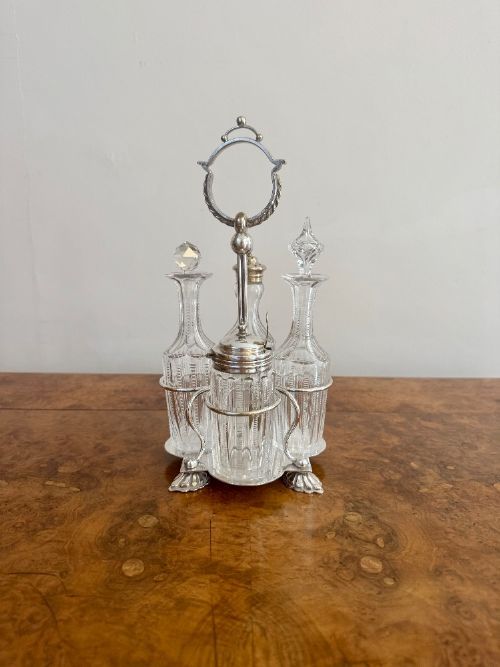
Many examples incorporate secondary materials including cut glass, oak, and tortoiseshell to provide structure, contrast, or interior insulation for the contents. Surface decoration was achieved through hand engraving, hobnail cutting on glass inserts, and applied cast silver borders.
Antique Silver Table Caddy Retail Price Guide 2026
Typical asking prices for silver table caddy among the pieces listed under this phrase on Sellingantiques today, from the lower quarter to the upper quarter. They describe what is for sale here now, not the wider market.
Listings in this category span the Victorian, Edwardian, and Art Deco periods, featuring sterling silver, silver plate, oak, and cut glass.
Assessing Quality
Quality in these pieces rests upon the thickness and weight of the silver used in the body and lid. Heavier gauge metal provides structural integrity that resists denting and maintains crispness in stamped or engraved ornament.
Execution of detail separates standard production items from finer workshop output. Crisp piercing, tight-fitting lids, clear hallmarks, and well-fitted interior components distinguish superior examples.
Mappin and Webb·Ollivant and Botsford·Zimmermann·Georg Jensen
The Antique Silver Table Caddy Glossary
- Sterling silver
- A silver alloy containing 92.5 percent pure silver by mass, with the remainder consisting of other metals like copper. This standard forms the basis of British hallmarked silver items.
- Silver plate
- A layer of silver applied to a base metal core such as copper, brass, or nickel silver. This technique offered a durable and bright finish at a lower cost than solid metal.
- Hallmark
- An official stamp applied by an assay office to indicate the purity of the metal, the maker, and the year of manufacture. These marks provide historical documentation for dating the piece.
- Piercing
- A metalworking technique where portions of the sheet metal are cut away to create openwork patterns. This ornamental method reduces weight while adding visual lightness to boxes and caddies.
- Hobnail cut
- A decorative glass-cutting pattern featuring rows of blunt, protruding pyramids. This finish catches light and adds texture to glass bodies and biscuit barrels.
Antique Silver Table Caddy: Frequently Asked Questions
What was a silver table caddy used for?
These vessels were designed to hold loose tea leaves on the dining table or sideboard during a period when tea was an expensive commodity requiring secure storage.
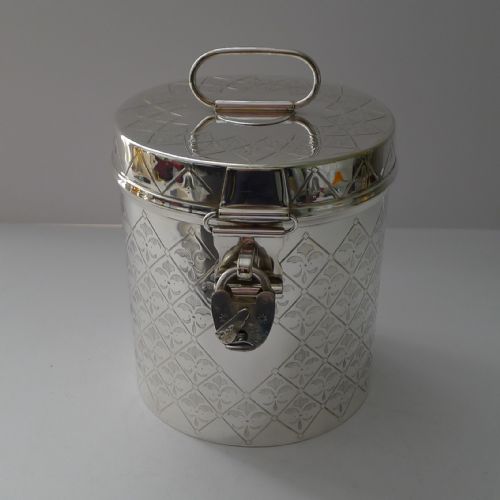
Locked caddies prevented servants or guests from taking the valuable leaves, keeping the supply under the direct control of the host.
How do I clean antique silver?
Cleaning requires a soft microfiber cloth and a mild silver polish specifically formulated for antiques to avoid removing too much of the surface metal.
Harsh chemical dips and abrasive cloths should be avoided because they strip the natural patina and can damage delicate hinges or soldered joints.
Can I use these caddies for modern tea?
These containers remain entirely functional for storing loose leaf tea today, provided the interior is clean and free of old residue.
Silver is naturally non-reactive enough for dry goods, though owners should ensure the lid fits securely to keep moisture out of the leaves.