

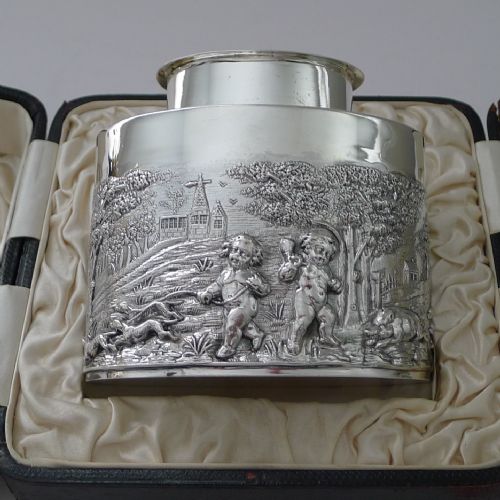


Antique Silver Storage Box
An antique silver storage box keeps precious table service, leaf or keepsakes secure behind stout timber or hallmarked metal.
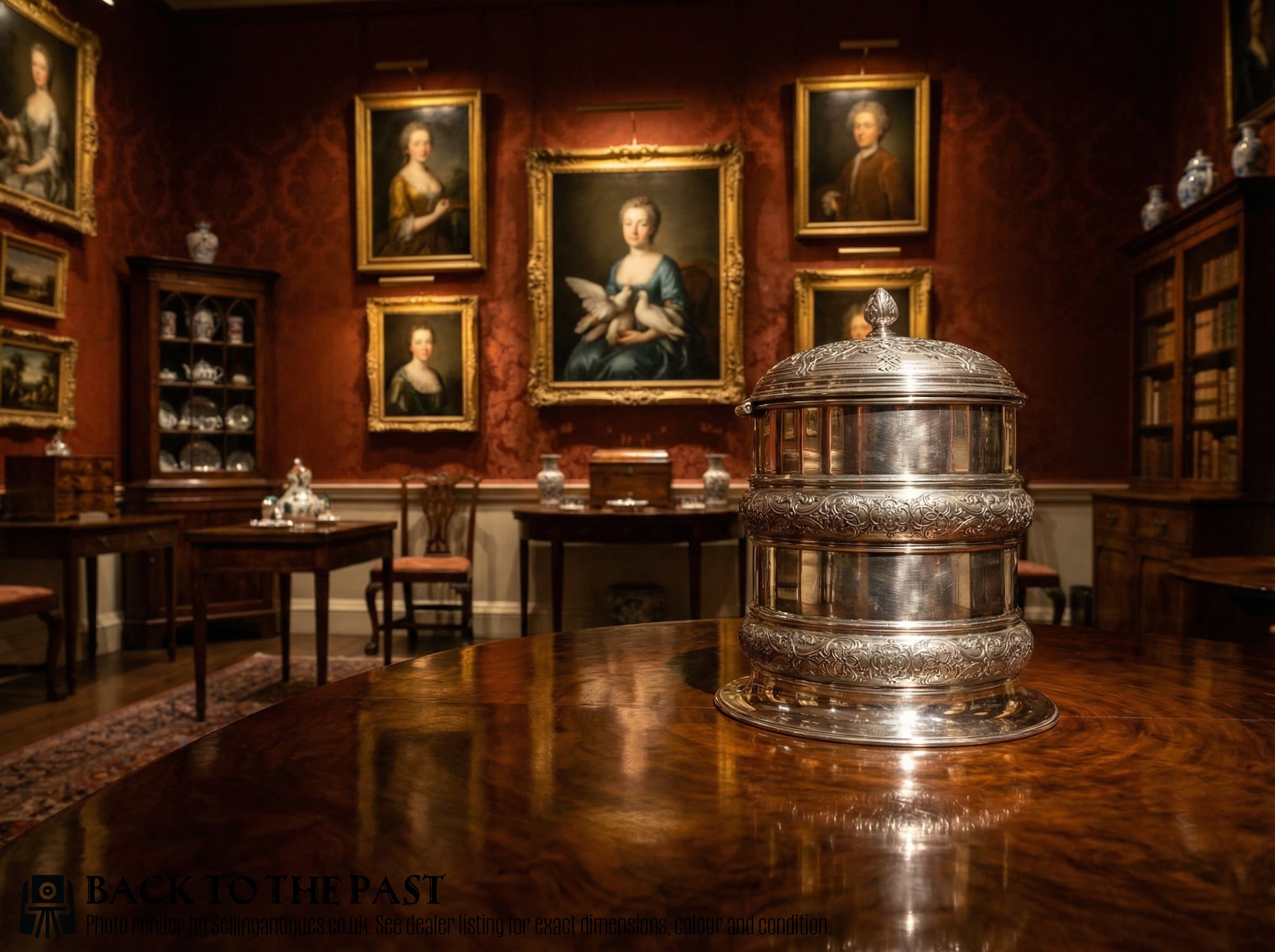
Antique Silver Storage Box
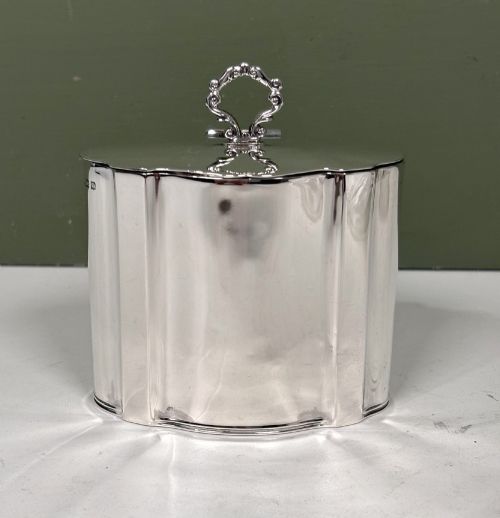
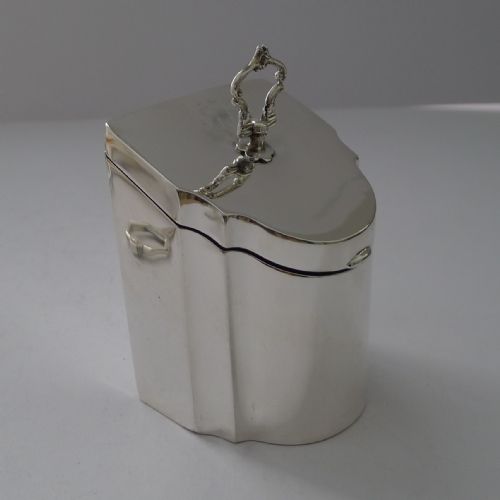
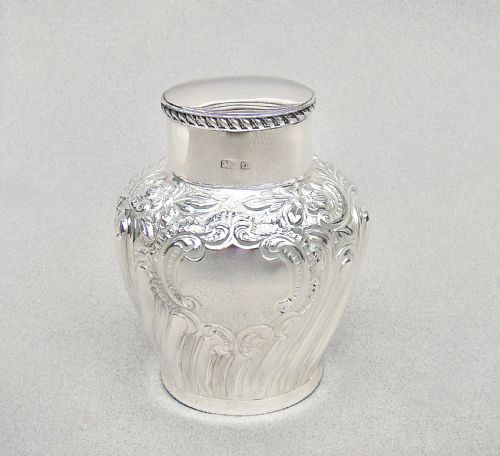
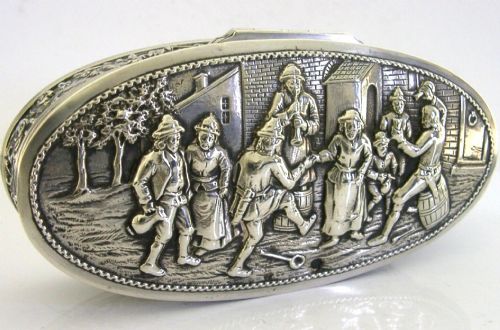
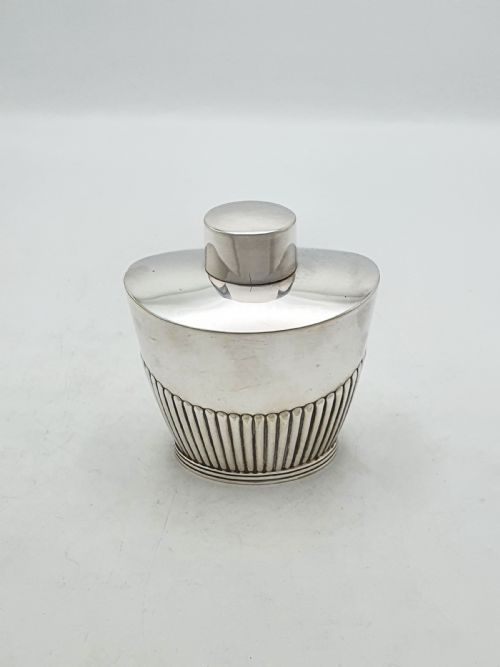
When searching for an antique silver storage box, a buyer encounters a diverse range of containers spanning tea caddies, desk boxes, biscuit barrels, trinket holders, and heavy travel trunks. The selection on this page leans heavily toward late nineteenth and early twentieth century examples, notably from the Victorian and Edwardian eras, alongside Georgian and mid-nineteenth century pieces.
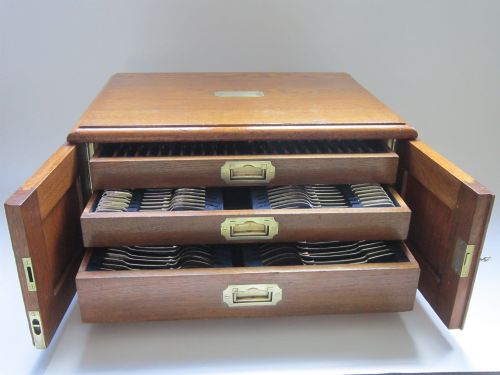
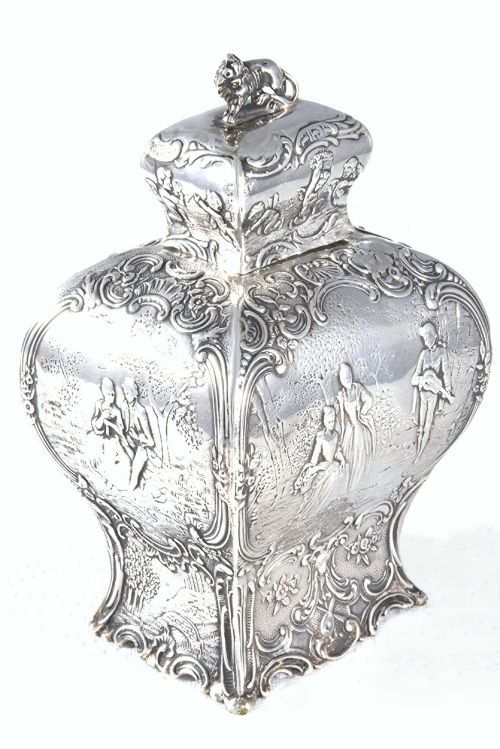
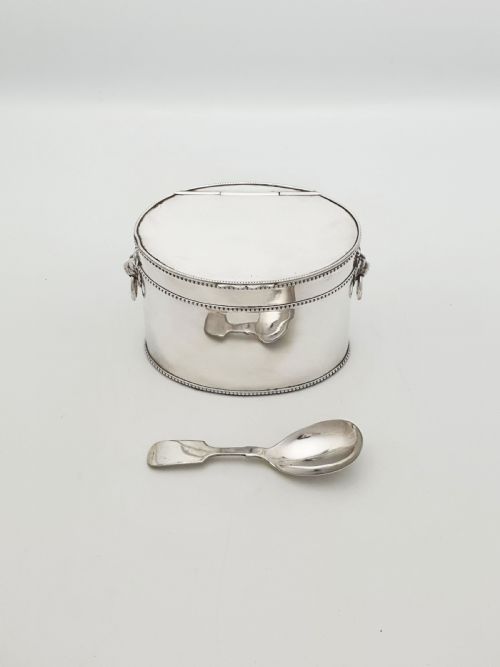
Domestic tea storage dominates the smaller scale items, appearing as bombe shapes, knife box forms, or lidded canisters mounted with lion mask handles. Larger utilitarian requirements are met by iron-bound and steel-banded oak chests lined for flatware canteens or travelling silver.
Origins stretch from English workshops in London and Birmingham to continental makers in the Netherlands and France, alongside specialised regional pieces like Mindanao bronze betal boxes.
Materials and Construction
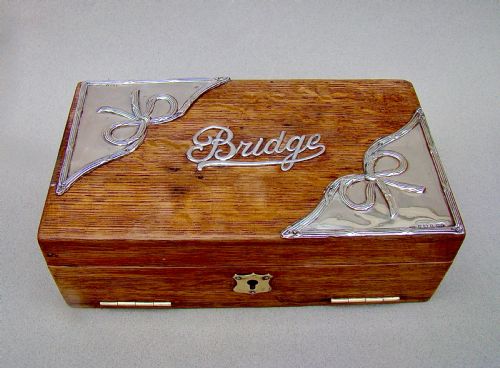
Construction relies on the pairing of dense structural timbers such as oak, mahogany, and burr maple with heavy metal mountings, iron banding, and steel reinforcement for the larger trunks. Smaller vessels and decorative caddies utilise sterling silver, silver plate, and occasionally tortoiseshell or hand-painted finishes.
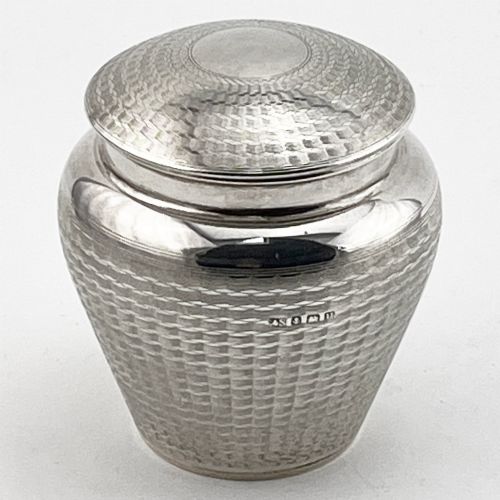
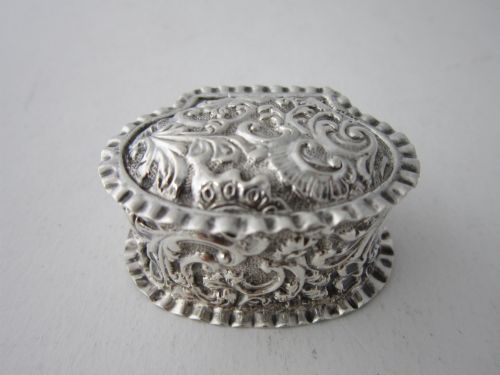
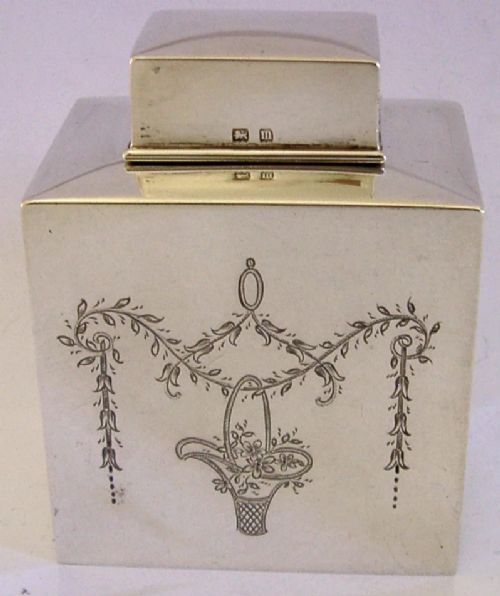
Silversmiths employed techniques like repoussé work, gilding, and precise hallmarks to validate solid silver and 950 silver standards, while cabinetmakers joined sturdy storage boxes with secure locks and flush-fitting brass carrying handles.
Storage box forms range from miniature pill boxes and card cases to massive iron-bound travelling trunks built by prominent silversmith retailers.
Evaluating Craftsmanship
Quality rests upon the weight of the metal and the integrity of the timber framing, distinguishing heavy gauge sterling silver and solid golden oak from lighter plated surfaces and secondary woods. Crispness in hallmarks, hand-finished chasing, and the retention of original interior linings dictate the standing of a piece.
Makers known for exceptional retail output, such as Mappin & Webb, Elkington, or Walker & Hall, demonstrate superior assembly in hinges, locks, and fitted compartments compared to unmarked workshop output.
Zimmermann·Levi & Salaman·Thomas Hayes·William Hutton & Sons Ltd·Mappin & Webb·Thomas Bradbury·Wright & Davies·Ernest Druiff & Co·Elkington·Walker & Hall
The Antique Silver Storage Box Glossary
- Sterling silver
- A silver alloy containing 92.5 percent pure silver by mass, standard for quality British tableware and boxes.
- Tea caddy
- A small vessel originally designed to hold loose tea leaves securely under lock and key.
- Hallmark
- An official stamp applied to precious metals indicating the maker, assay office, and year of testing.
- Canteen
- A fitted box or chest built specifically to hold a complete set of cutlery or flatware.
- Repoussé
- A metalworking technique where the artisan hammers the design from the reverse side to form raised relief patterns.
Antique Silver Storage Box: Frequently Asked Questions
What is an antique silver storage box used for?
These boxes served various domestic functions, from safeguarding precious tea leaves and playing cards to housing full canteens of cutlery and personal trinkets. Larger iterations functioned as travel trunks for transporting family plate safely.
Today, they adapt readily to modern interiors as coffee table storage, desk organizers, or secure places for daily valuables and keepsakes.
How do I identify a Georgian silver box?
Georgian pieces date between 1714 and 1830, typically exhibiting classic proportions in mahogany or early sterling silver with restrained ornamentation. Examination of the hallmarks reveals specific date letters and duty marks unique to this period.
Form also guides identification, as early tea caddies and hall trunks from this era feature distinct cabinetmaking joints and older locking mechanisms.
What is the difference between solid silver and silver plate?
Solid silver consists of a precious metal alloy throughout the entire object, marked with official assay office stamps indicating sterling standard. Silver plate involves a thin layer of silver bonded to a base metal substrate like copper or brass.
Weight often provides an immediate clue, as solid silver vessels and heavy caddies feel substantially denser than their plated counterparts.
How should I clean an antique silver box?
Cleaning requires a soft cloth and specialised silver polish used sparingly to preserve fine chasing and antique hallmarks. Harsh abrasive dips should be avoided, particularly on pieces with gilt interiors or delicate surface engraving.
Wooden exteriors benefit from gentle waxing with a neutral furniture polish to maintain the natural moisture and grain of the oak or mahogany.