





George III Silver Vessel
These George III silver vessel examples bring Georgian elegance to the table, offering functional forms that collectors prize for their period craftsmanship.
George III Silver Vessel
A george iii silver vessel encompasses a varied range of drinking, dining, and serving pieces created during the Georgian era. Buyers searching for a george iii silver vessel will encounter items spanning the late eighteenth and early nineteenth centuries, reflecting the classical design shifts of the period.
Materials and construction
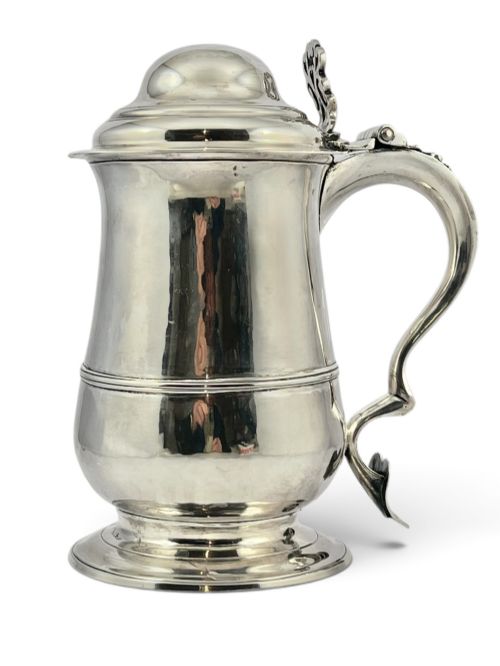
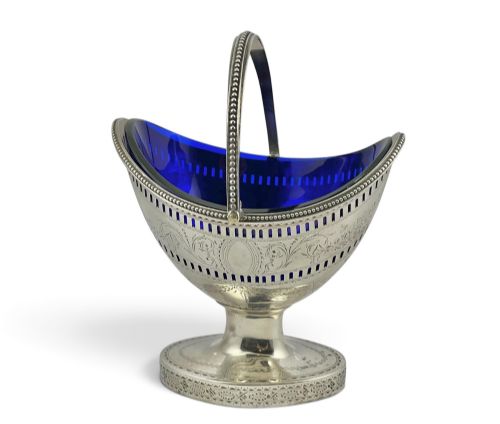
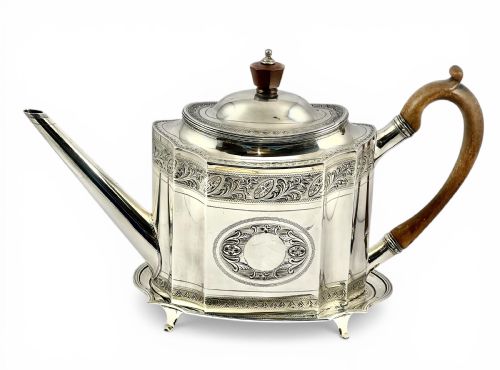
Silversmiths utilised sterling silver alongside silver plate and metal, frequently incorporating wood and ebonised wood for handles and insulators. These materials were shaped to meet the rigorous demands of tea service, dining, and beverage cooling.
The construction methods rely on traditional hammering, casting, and soldering techniques typical of eighteenth and early nineteenth century workshops. Details such as applied scroll handles and wooden accents demonstrate the practical integration of mixed materials in functional tableware.
George III Silver Vessel Retail Price Guide 2026
Typical asking prices for george iii silver vessel among the pieces listed under this phrase on Sellingantiques today, from the lower quarter to the upper quarter. They describe what is for sale here now, not the wider market.
Ebonised wood steps in when silver gets too hot to handle.
Assessing quality
Quality in these pieces is determined by the crispness of the silversmith's chasing and the integrity of the original form. Pieces bearing clear maker marks and town hallmarks command attention for their documented provenance and maker attribution.
The balance of the vessel, the weight of the metal, and the survival of secondary elements such as ebonised wooden handles distinguish standard domestic output from finer workshop productions.
John Payne·William Grundy·Robert Hennell I·John Scofield·Walter Brind
The George III Silver Vessel Glossary
- Sterling silver
- A silver alloy containing 92.5 percent silver by mass, forming the primary material for the majority of these pieces.
- Ebonised wood
- Wood treated to resemble ebony, frequently utilised for teapot and tankard handles to provide a heat-resistant grip.
- Porringer
- A small, two-handled bowl used for broths or porridges, produced in sterling silver during the eighteenth century.
- Sauce boat
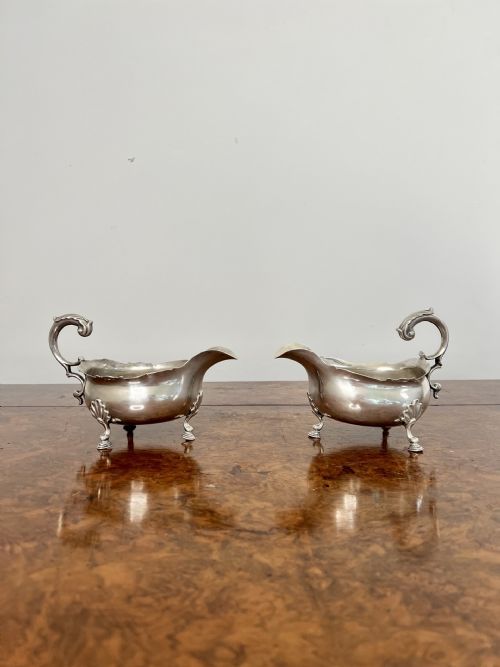
- An open vessel with a spout and handle designed for serving gravies or sauces at the dining table.
- Hallmark
- An official stamp applied to precious metals to guarantee purity and record the maker, city, and year of production.
George III Silver Vessel: Frequently Asked Questions
What is a george iii silver vessel used for?
These vessels served practical dining and beverage functions in Georgian households, ranging from brewing tea and serving mustard to cooling wine at the table.
Today, collectors utilise them as decorative dining accessories or display them as examples of period metalwork.
How do I identify a george iii silver vessel?
Identification relies on examining the object's form, style, and accompanying hallmarks. Neoclassical motifs and Georgian proportions are key indicators of the era.
Official stamps on the silver provide the exact year and city of manufacture, confirming the period.
How should I care for a silver vessel?
Silver vessels require gentle cleaning with appropriate silver polish to maintain their surface appearance without harming the metal. Regular dusting and careful handling prevent unnecessary wear.
Storing them in stable environments away from excessive moisture preserves both the silver and any original wooden components.