
Antique Silver Presentation
An antique silver presentation piece marks an achievement, a retirement or a loyal service, carrying engraved inscriptions and heraldic crests into the present day.
Antique Silver Presentation
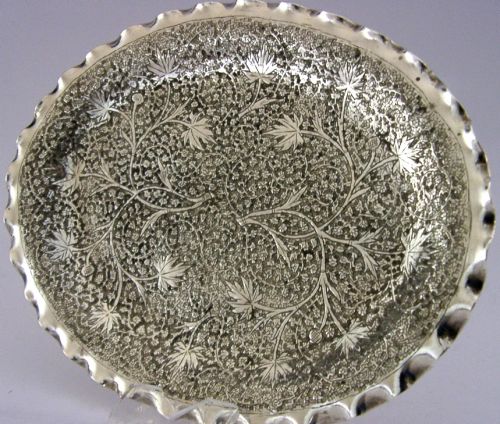
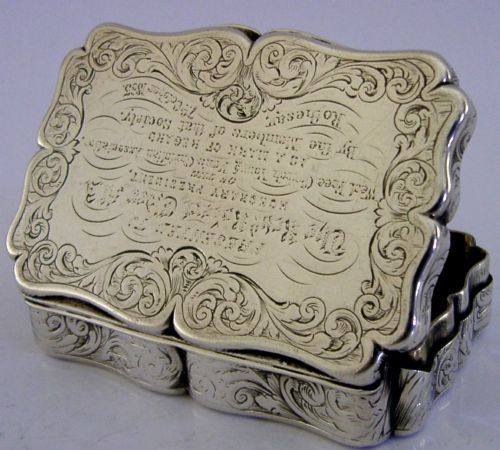
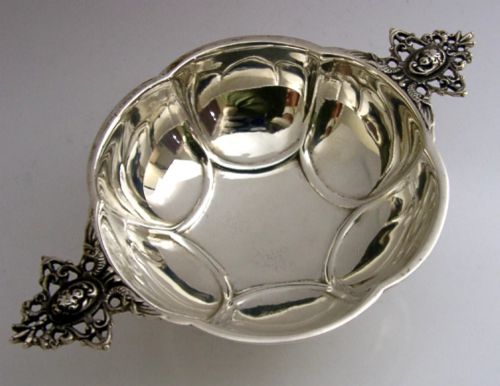
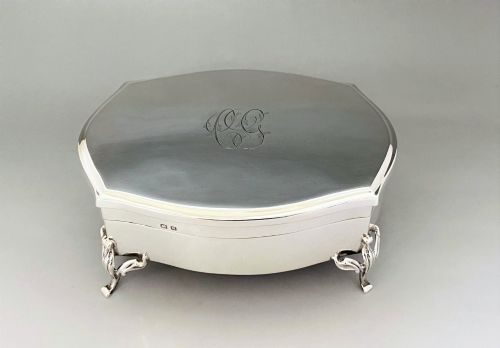
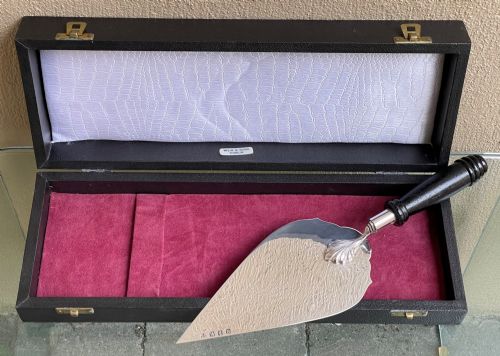
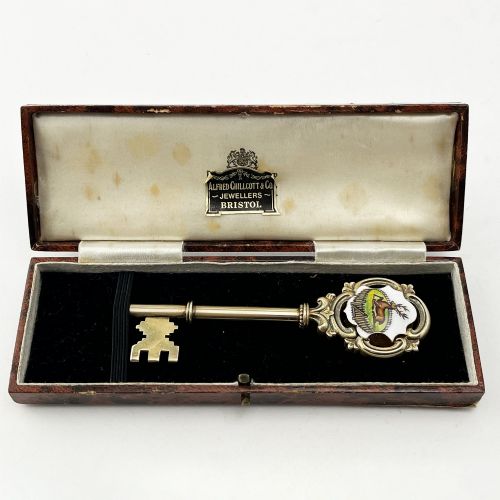
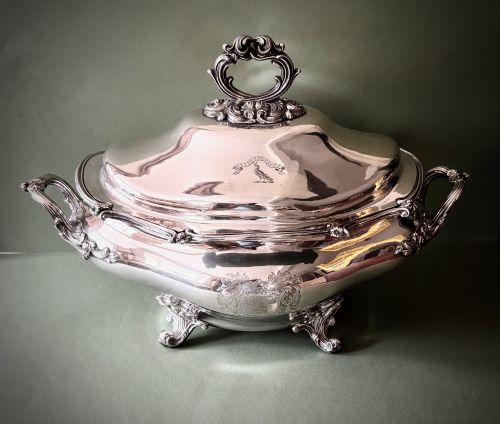
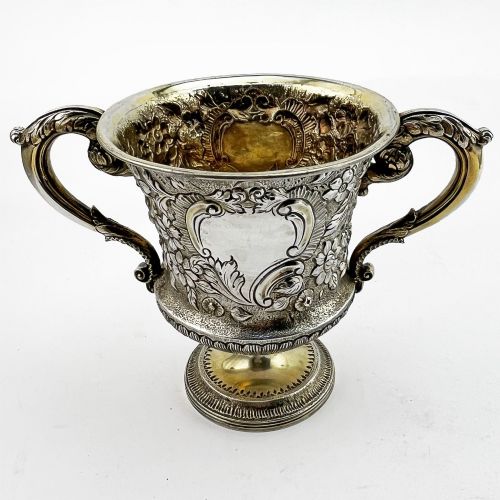
When searching for antique silver presentation, a buyer encounters items created to honour individuals, military regiments and public figures. These range from heavy two-handled trophy cups and commemorative trowels to intricate silver-gilt keys, presentation boxes and engraved salvers.
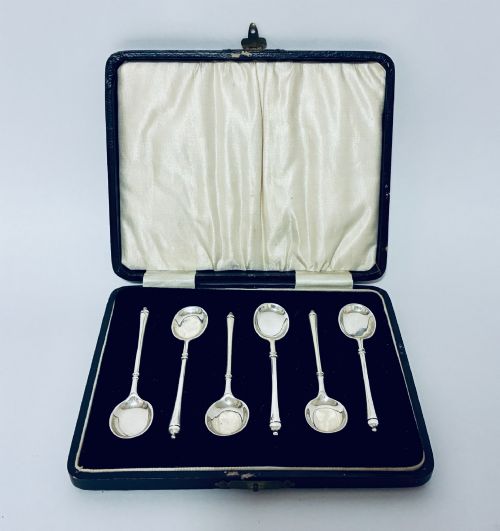
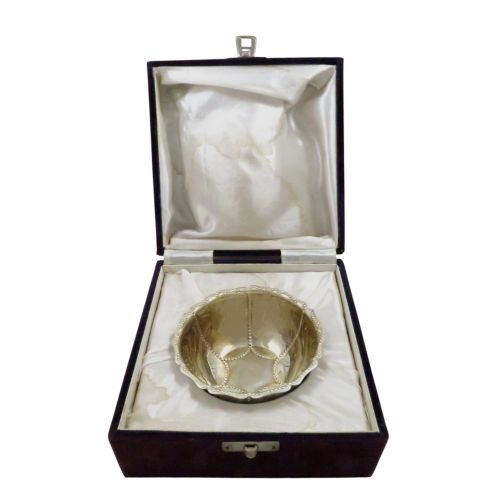
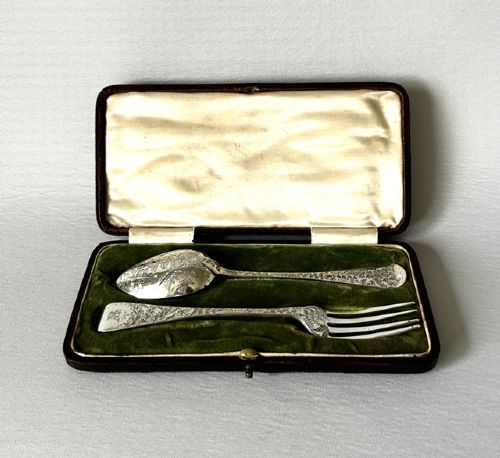
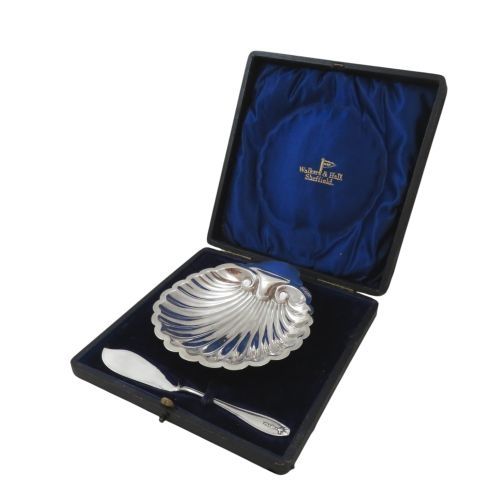
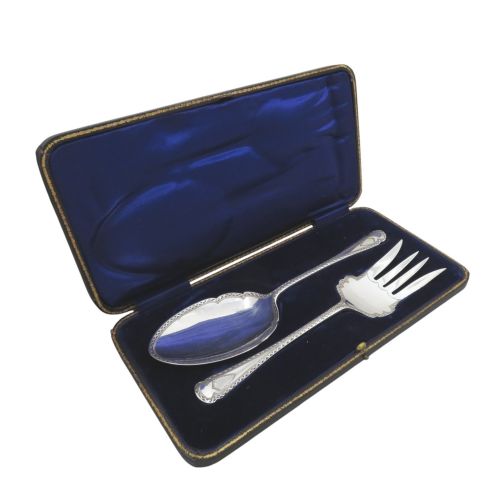
The objects on this page span the Georgian, Victorian and Edwardian eras, alongside later twentieth-century examples. Many items retain fitted leatherette, velvet or silk-lined presentation cases that protect the silver within.
Regional variations appear frequently, including Anglo-Indian dishes, Austro-Hungarian boxes and Russian silver-gilt bowls. These pieces often record specific historical events, from church anniversaries to military campaigns and university graduations.
Materials and Techniques
The construction of these items relies predominantly on sterling silver, solid silver and silver plate, including Old Sheffield Plate. Craftsmen shaped the metal through techniques such as casting, repoussé, chasing and hand engraving to produce detailed coats of arms and dedicated inscriptions.
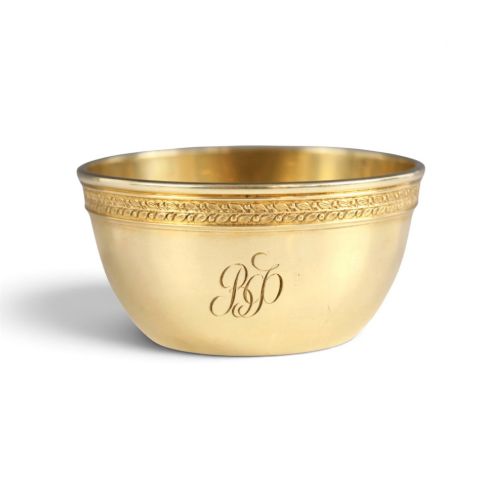
Gilding was frequently applied to the interior of bowls, cups and snuff boxes to create a contrasting silver-gilt finish. Additional elements incorporate materials like wood, ebony, enamel, tortoiseshell and Karelian birch.
Craftsmanship and Legibility
The distinction between standard items and exceptional pieces rests upon the crispness of the hand engraving and the depth of the repoussé work. Master silversmiths achieved balanced proportions, particularly in large trophy cups, salvers and centrepiece bowls.
The clarity of the hallmarks and the precision of the presentation lettering determine the historical value of each piece. Superior examples retain original fitted boxes lined in silk or velvet, preserving the integrity of the object from its initial presentation.
Fabergé·Nathaniel Mills·Edward Smith·Robert Thornton·Cartier
The Antique Silver Presentation Glossary
- Presentation inscription
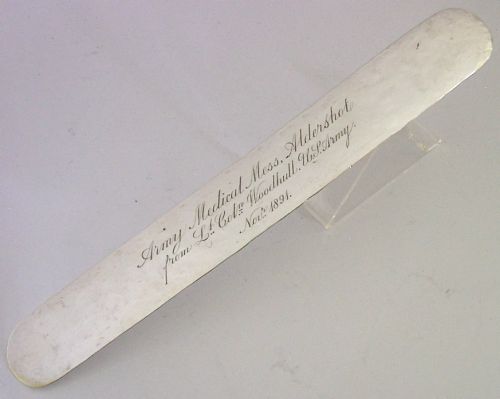
- Dedicated text engraved onto the surface of silver items, recording dates, names of recipients and the organisations or events associated with the gift.
- Silver-gilt
- Sterling silver that has been coated with a thin layer of gold on its surface, often used inside presentation cups and snuff boxes.
- Repoussé
- A metalworking technique where the silversmith hammers the metal from the reverse side to form raised decorative designs on the front.
- Old Sheffield Plate
- An early form of composite metal made by fusing a sheet of silver to a thicker copper base, common in eighteenth-century tureens and urns.
- Salver
- A flat metal tray, usually raised on small feet, used for presenting letters, visiting cards or commemorative items.
Antique Silver Presentation: Frequently Asked Questions
What were presentation pieces used for?
These items served as formal tokens of appreciation, civic awards, military prizes and retirement gifts. Organisations and communities commissioned them to honour individuals for notable service or competitive victories.
The inscriptions engraved upon the silver record the exact occasion, date and recipient, transforming utilitarian objects like trowels, keys and boxes into personal historical archives.
How do I identify the date of the silver?
British silver items carry hallmarks that indicate the assay office, the maker's mark and a date letter corresponding to the year of testing. These small stamped symbols are typically located on the base, rim or interior of the piece.
Foreign items, such as Russian or Austro-Hungarian silver, rely on different national standards, purity marks and maker stamps to establish their period.
Did these items always come in cases?
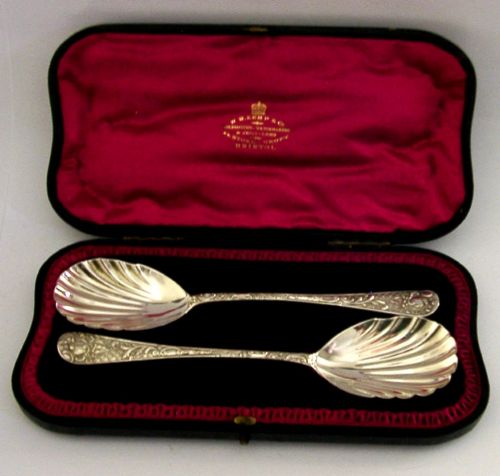
Many presentation pieces were originally housed in custom boxes lined with velvet, silk or satin to protect the metal during transport and display. These cases often feature fitted interiors tailored to the exact shape of the bowl, spoon set or key.
Survival of the original case adds significant context to the object, preserving the presentation context alongside the engraved silver.
How should I care for antique presentation silver?
Maintenance requires gentle cleaning with a soft cloth and specialised silver polish to preserve the delicate hand engraving and crisp details of the crests. Avoid abrasive materials that can wear down thin silver plating or the gilt interior of bowls.
Displaying pieces away from direct sunlight and excessive humidity helps protect any fitted leatherette boxes, velvet linings or wooden components accompanying the silver.