

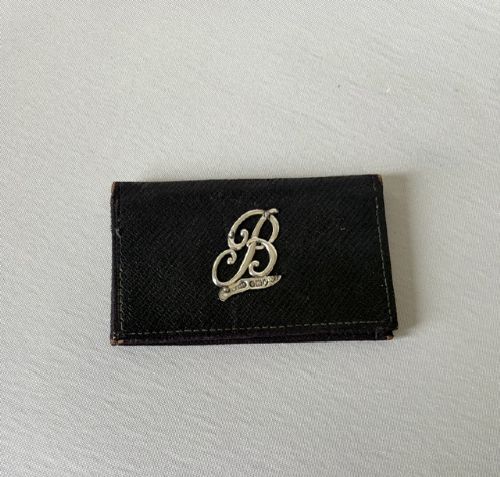

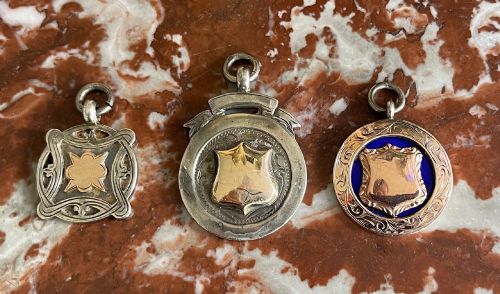
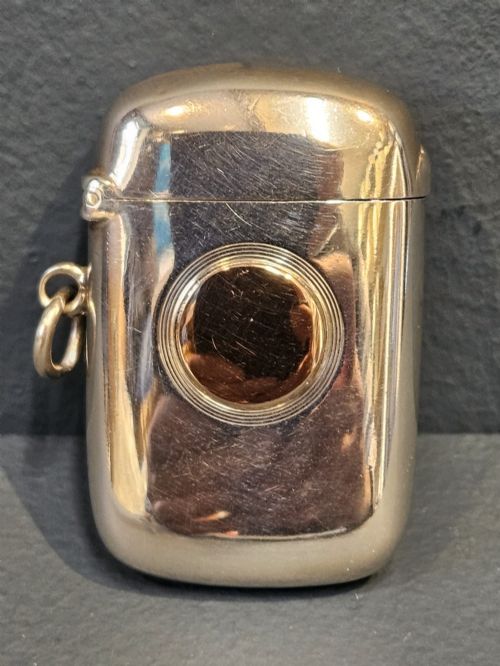
Antique Silver Pocket Accessory
An antique silver pocket accessory offers a tactile link to personal daily routine, uniting practical portability with period craftsmanship.
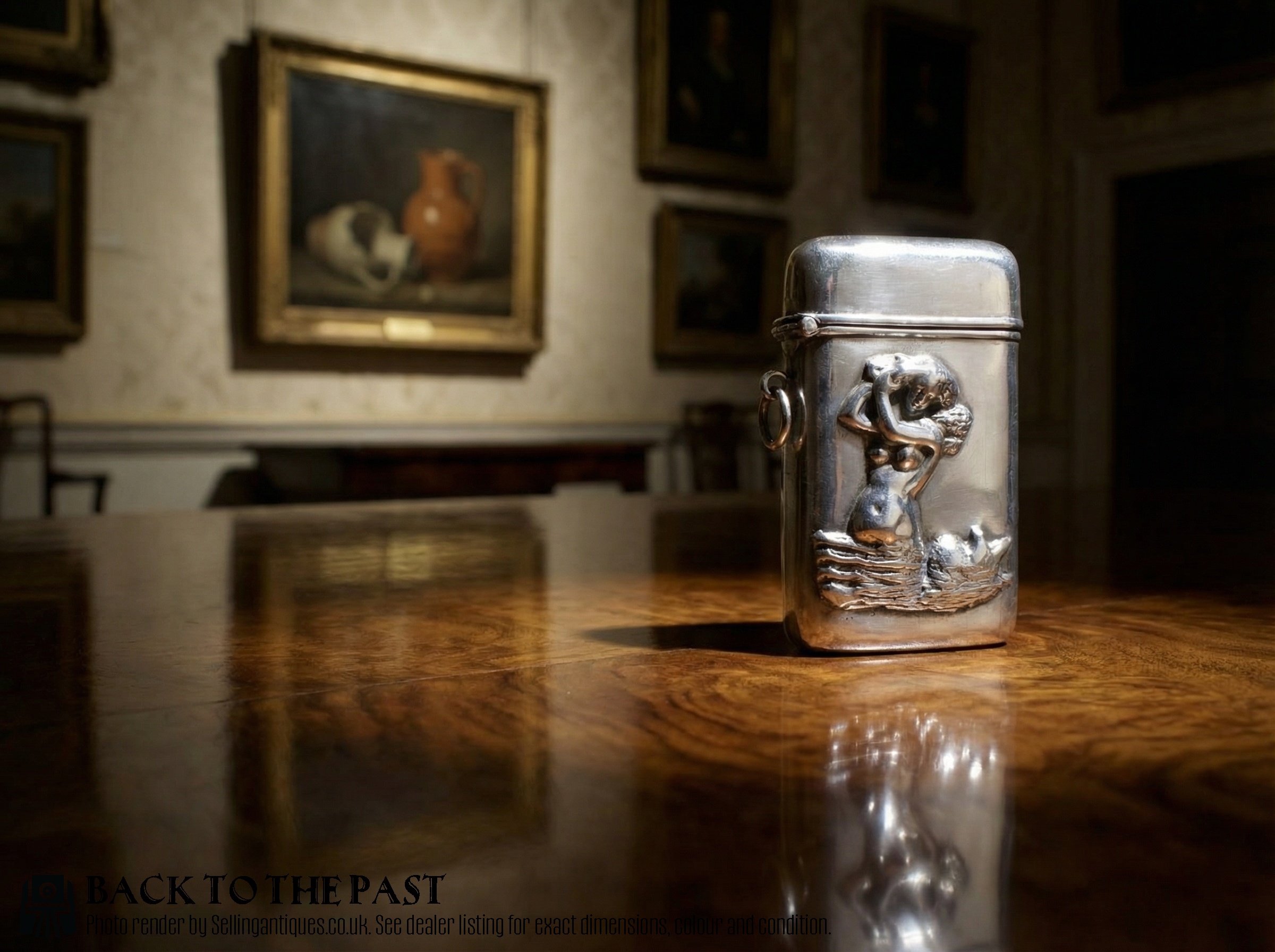
Antique Silver Pocket Accessory
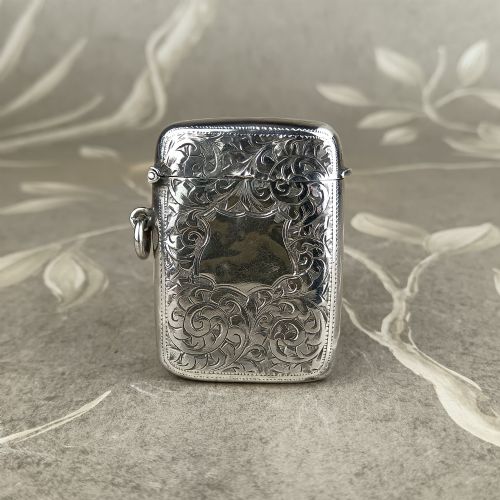
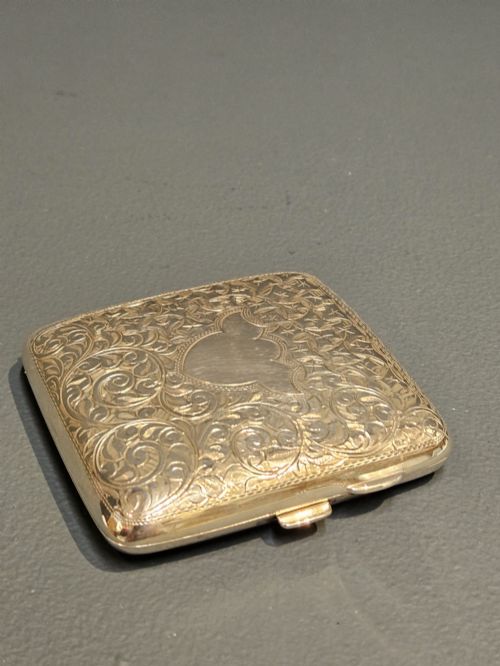
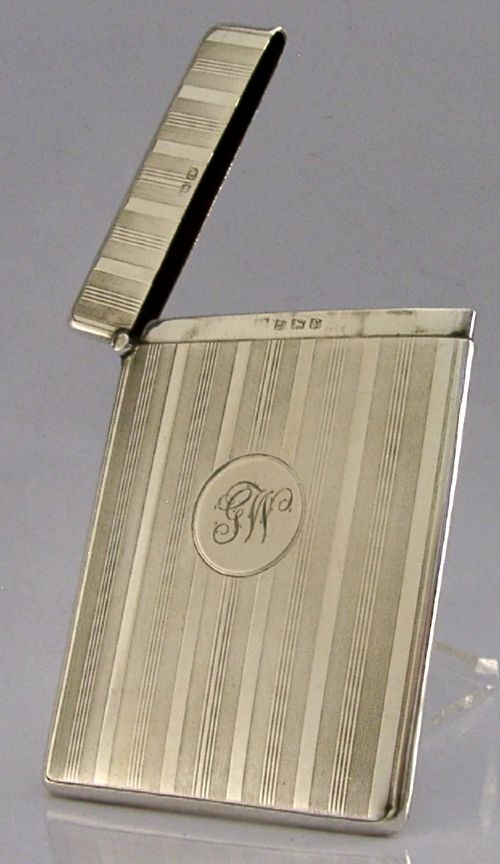
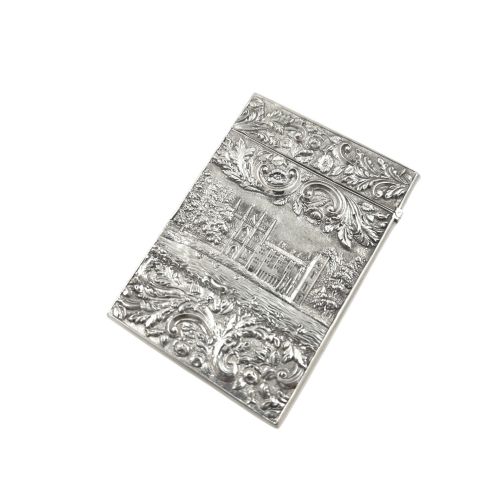
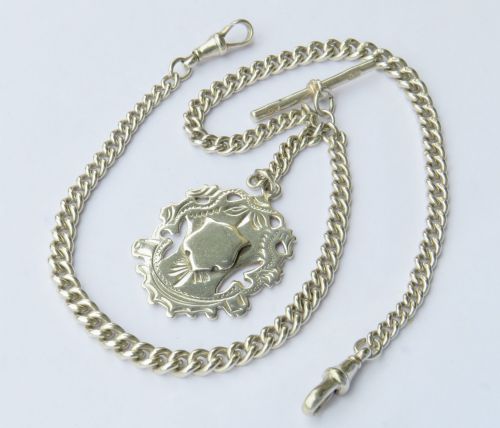
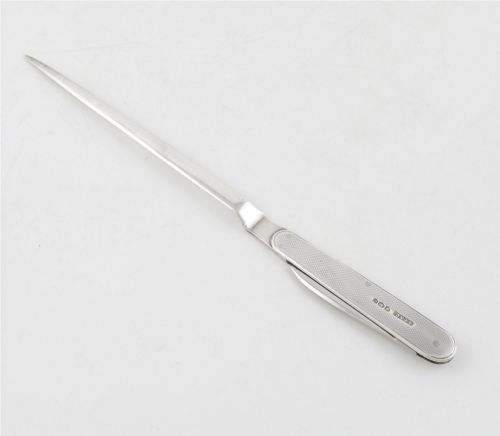
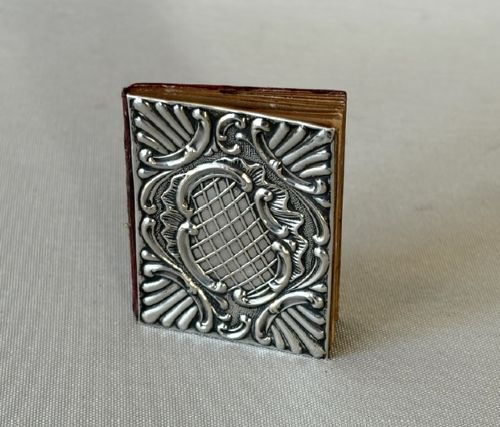
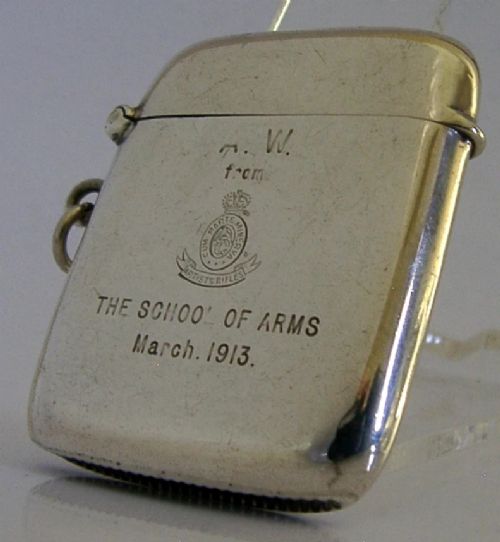
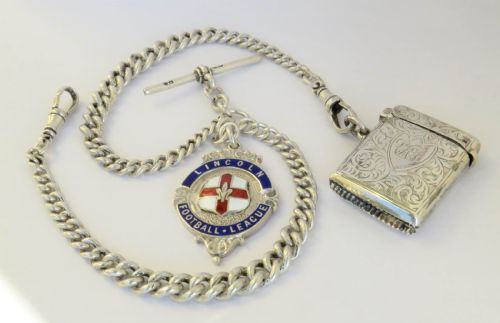
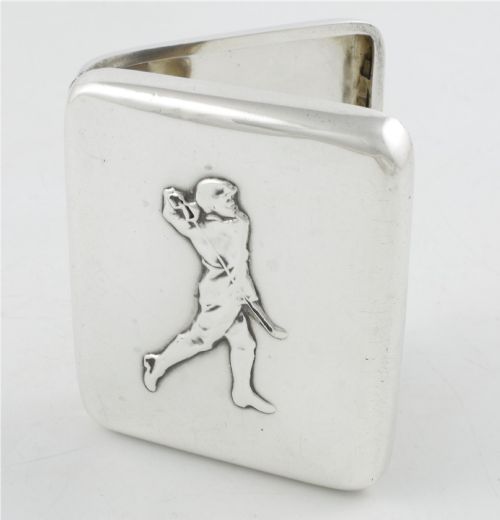
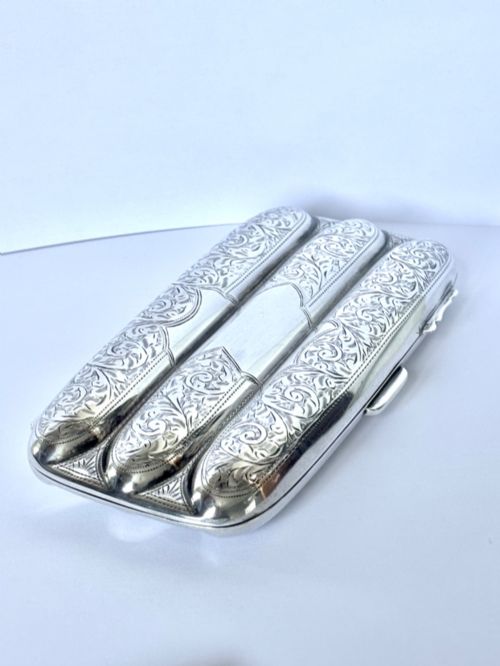
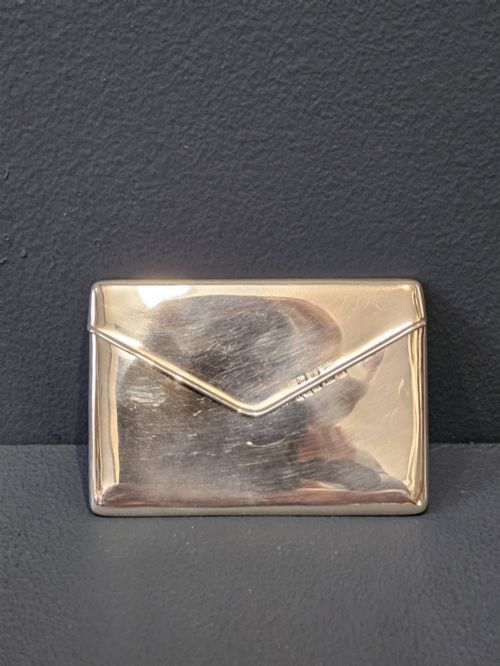
An antique silver pocket accessory comprises portable utilitarian items designed for personal carriage during the Victorian, Edwardian, and interwar periods. These objects include vesta cases, pocket watch chains, cigarette cases, stamp cases, card cases, and snuff boxes formed in sterling silver.
The assortment on this page leans heavily toward Edwardian and Victorian forms, reflecting a time when pocket items served specific daily rituals such as lighting matches, carrying cards, or keeping time. Common formats range from pocket watch albert chains to combination sovereign and vesta pieces.
Makers and assay offices across Birmingham, Sheffield, and London produced these functional pieces for personal use, incorporating hinged lids, sprung compartments, and integrated holders. Each survivor records the mechanical ingenuity applied to everyday necessities.
How They Were Made
Silversmiths constructed these pocket objects primarily from sterling silver, shaping sheet metal through pressing, stamping, and hand-chasing. Components like hinges, catches, and spring-loaded lids required precise metalworking to ensure secure closure during daily movement.
Selected pieces incorporate secondary materials such as enamel, glass, silk, velvet, sealing wax, tortoiseshell, and crocodile skin leather to add colour and texture. Artisans applied hand-painted enamel decoration or set gold mounts onto silver bodies to elevate the finish of cigarette cases and notelet holders.
Antique Silver Pocket Accessory Retail Price Guide 2026
Typical asking prices for silver pocket accessory among the pieces listed under this phrase on Sellingantiques today, from the lower quarter to the upper quarter. They describe what is for sale here now, not the wider market.
What Varies in Quality
Quality in an antique silver pocket accessory rests upon the crispness of the chasing, the registration of hallmarks, and the mechanical integrity of hinges and springs. Superior pieces maintain tight closures and retain delicate hand-painted enamel or gilded interiors without structural compromise.
Aaron Lufkin Dennison·Mappin and Webb·EV Pledge and Son·Robert Chandler·Sampson Morden·Crisford and Norris·Robert Pringle·Cartier·William Neale
The Antique Silver Pocket Accessory Glossary
- Vesta case
- A small pocket container designed to hold matches, typically fitted with a striking serrated base. These boxes were essential before the widespread availability of safety matches.
- Albert chain
- A chain attached to a pocket watch, named after Prince Albert. It loops across a waistcoat and often suspends decorative fobs or charms.
- Vinaigrette
- A small ornamental box containing a perforated grill, housing a sponge soaked in aromatic vinegar. Victorians used them to counteract unpleasant odours in public spaces.
- Aide memoire
- A small pocket notebook or memorandum pad used for recording appointments and notes. They frequently feature attached pencils and silver covers.
- Chatelaine
- A decorative belt hook suspended with a series of chains for carrying household tools and accessories. These functional items included watch keys, vesta cases, and vinaigrettes.
- Assay office
- An official body responsible for testing the purity of precious metals and stamping them with hallmarks. Common locations include Birmingham, Sheffield, and London.
Antique Silver Pocket Accessory: Frequently Asked Questions
What is a vesta case used for?
A vesta case holds short wax matches safely in the pocket. The hinged lid protects the contents, while the serrated base strikes them.
These portable containers became necessary accessories during the nineteenth century for lighting cigars, cigarettes, and gas lamps.
How do I wear a pocket watch chain?
A pocket watch chain fastens through a buttonhole on a waistcoat, attaching the watch to one end. The other end often secures a fob or drops into a pocket.
Shorter lengths serve as chatelaine attachments or connect to smaller pocket accessories.
How do I date an antique silver pocket accessory?
Hallmarks stamped into the silver provide the exact year of manufacture, assay office, and maker's mark. Date letters change annually according to official assay office cycles.
Stylistic cues such as Art Deco enamel or Victorian chased foliage offer initial periods before checking the punch marks.