

Antique Silver Ornament
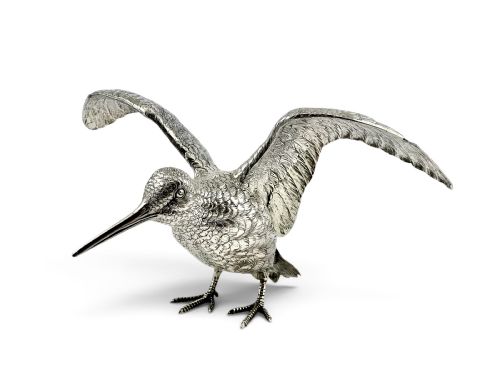
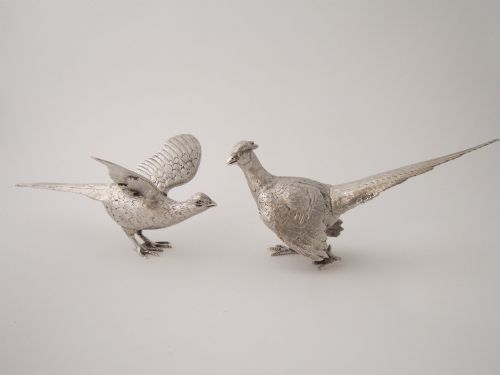
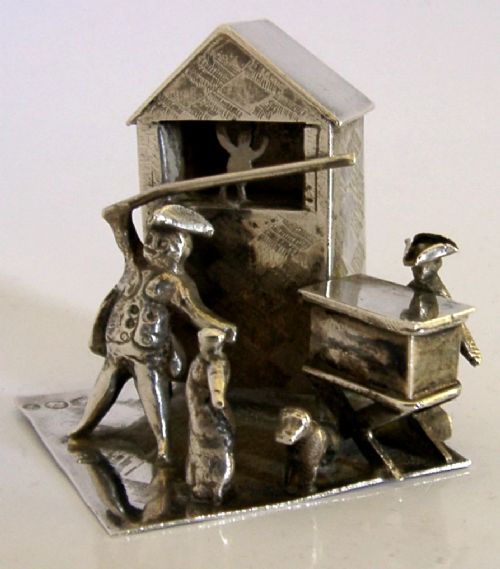
When you search for an antique silver ornament, you enter a diverse world of decorative objects, novelty pin cushions, and animalier sculptures designed to grace a desk or table.
Antique Silver Ornament
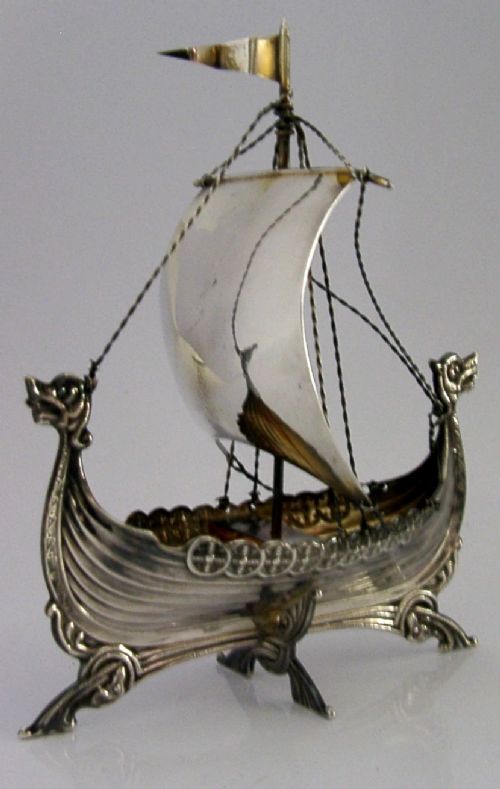
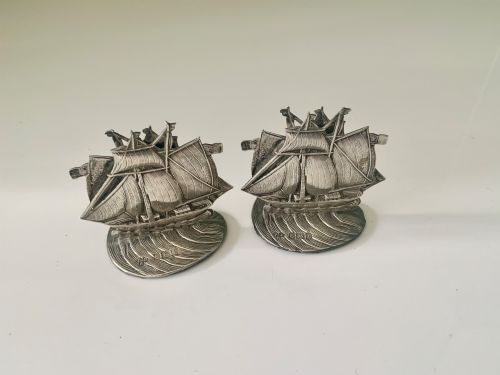
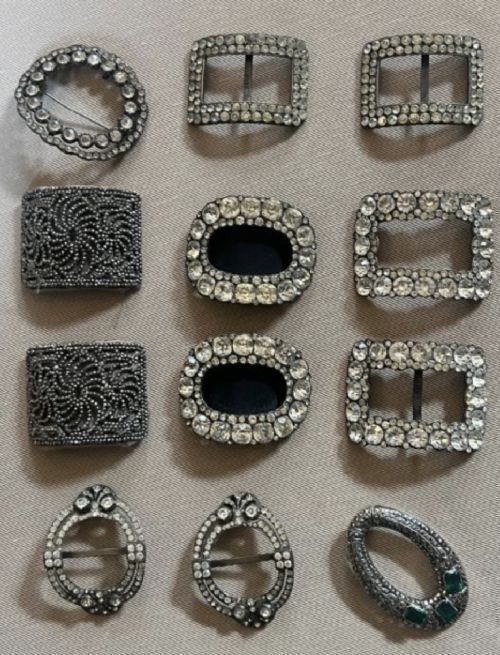
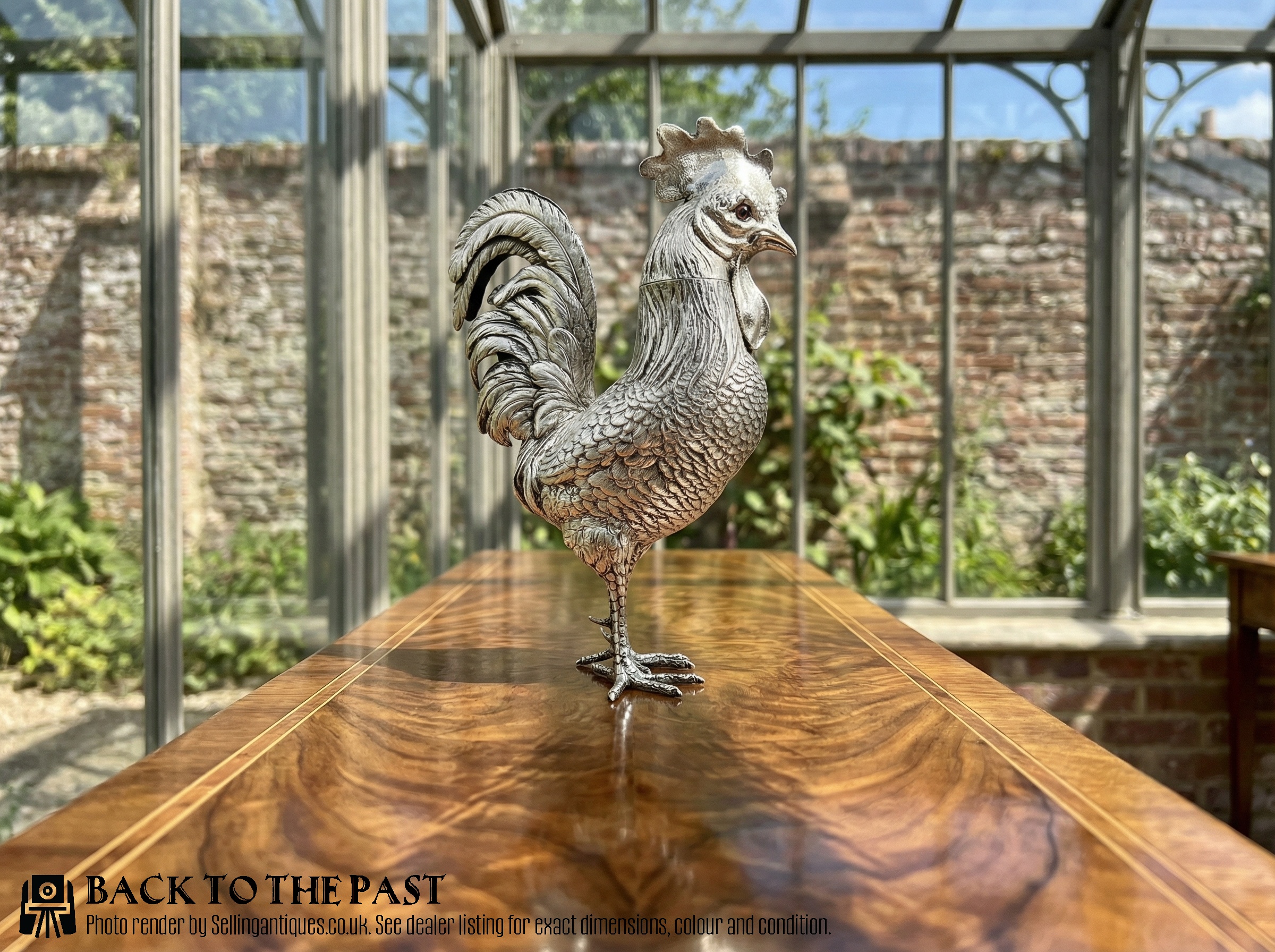
An antique silver ornament encompasses a broad spectrum of decorative items, ranging from practical desk accessories and table ornaments to whimsical animal figures and shoe buckles. When exploring this selection, buyers frequently encounter Edwardian and Victorian novelty pieces, alongside mid-century animal sculptures and Georgian paste glass items.
The objects serve various ornamental and functional purposes within a room, including menu holders, capstan inkwells, pill boxes, and magnifying glasses. Makers utilised sterling silver, silver plate, and mixed media like wood, glass, and velvet to create these varied domestic items.
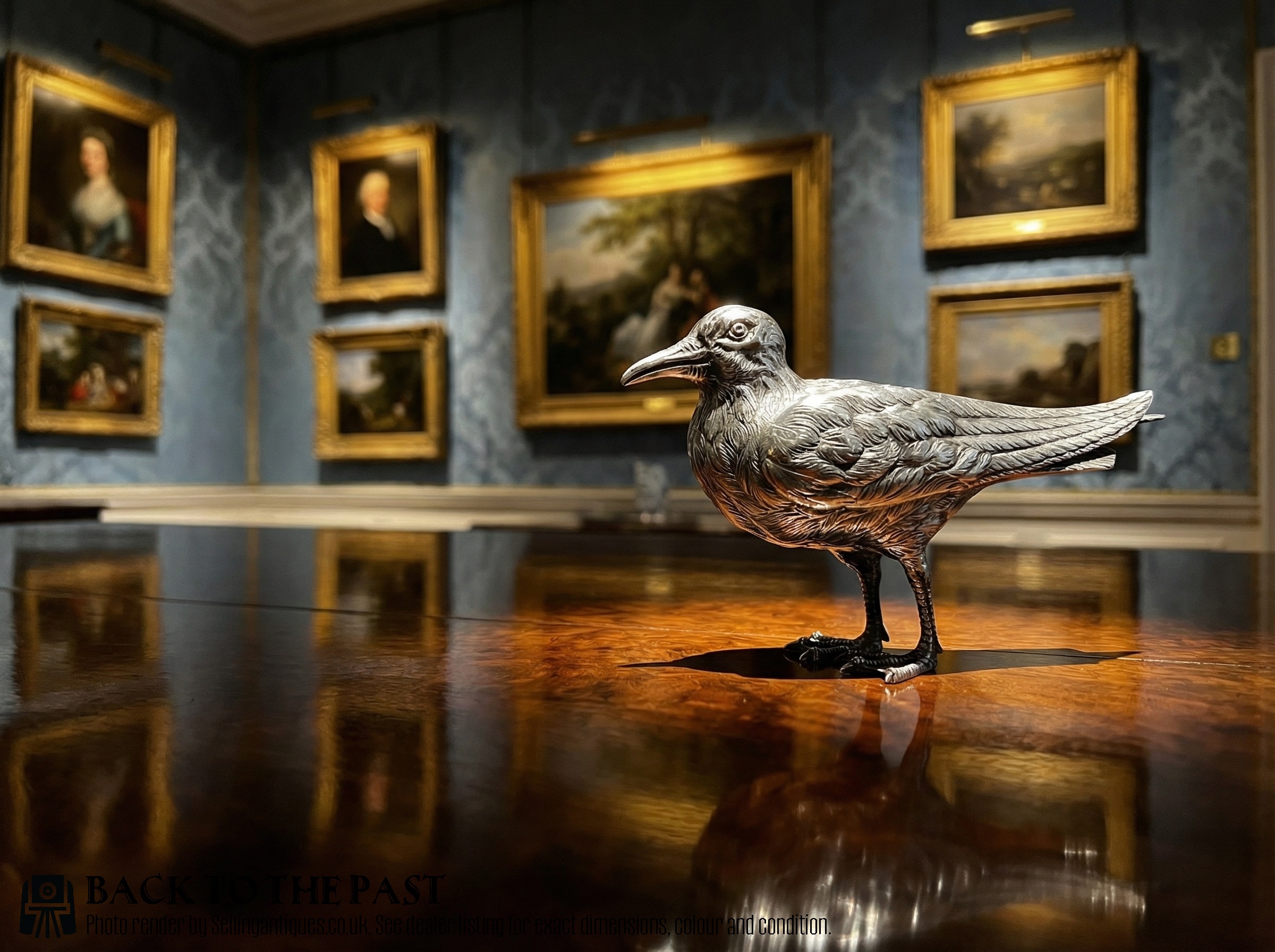
How they were made
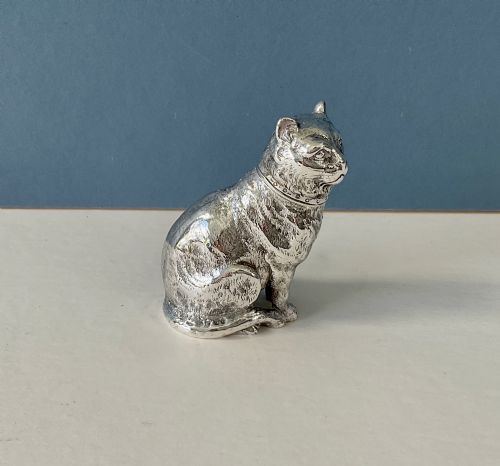
Silversmiths employed techniques such as casting, hammering, and cold-painting to shape sterling silver and solid silver into detailed animalier sculptures and miniature figures. Many pieces incorporate structural elements of wood, glass, or blue velvet backs to provide weight and contrast.
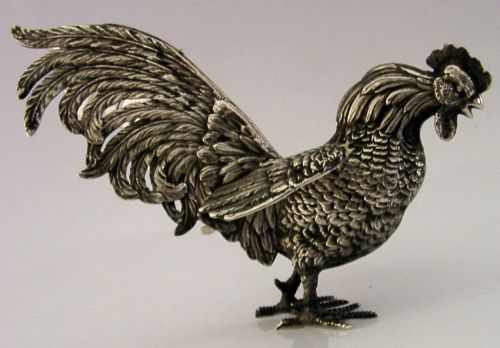
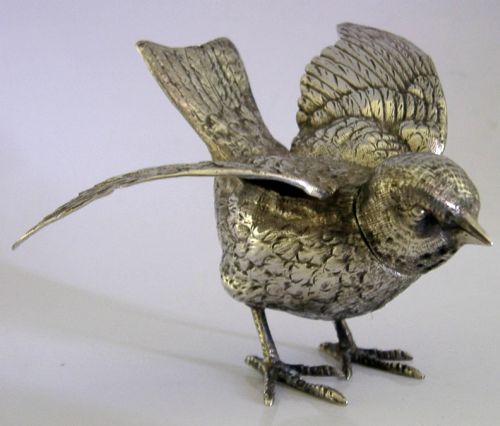
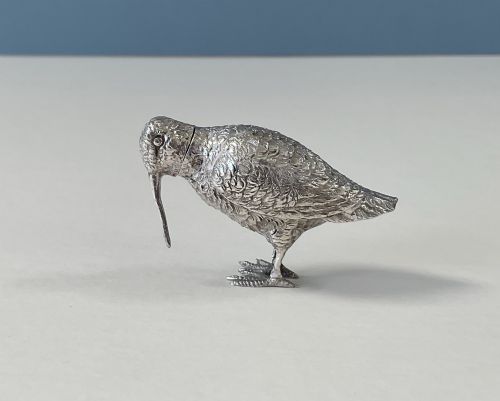
Detailing often relied on hand-chasing and engraving, bringing texture to feathers on bird models, fur on animal figures, and filigree work on shoe buckles. Silver plating was also applied to base metals for items like candelabra centrepieces and sauce boats.
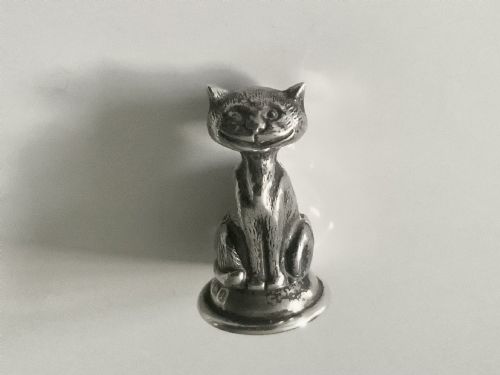
Watch out for monkeys playing drums and cheeky Cheshire cats hiding among the silver menagerie.
What varies in quality
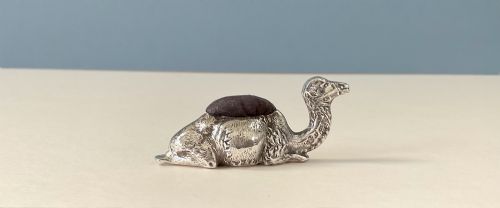
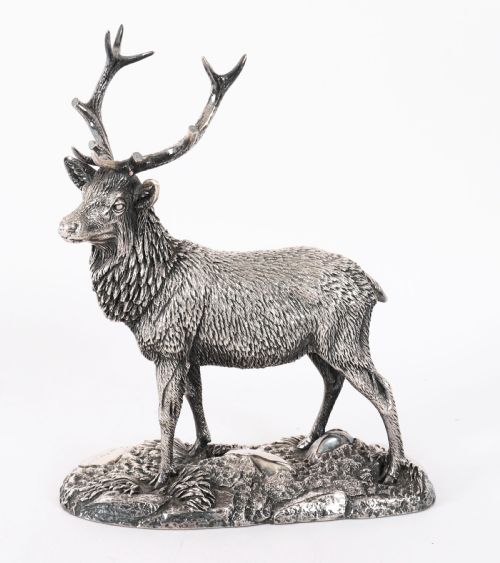
The standard of craftsmanship shows in the crispness of the chasing and the naturalism of the form, particularly in animalier sculptures of birds, stags, and camels. Weight and gauge of the silver distinguish substantial solid pieces from lighter constructions.
Artistic expression influences desirability, separating mass-produced novelty items from expressive works bearing identifiable hallmarks and maker signatures. The preservation of original components, such as intact paste stones in shoe buckles or undamaged velvet backings in photo frames, defines the better examples.
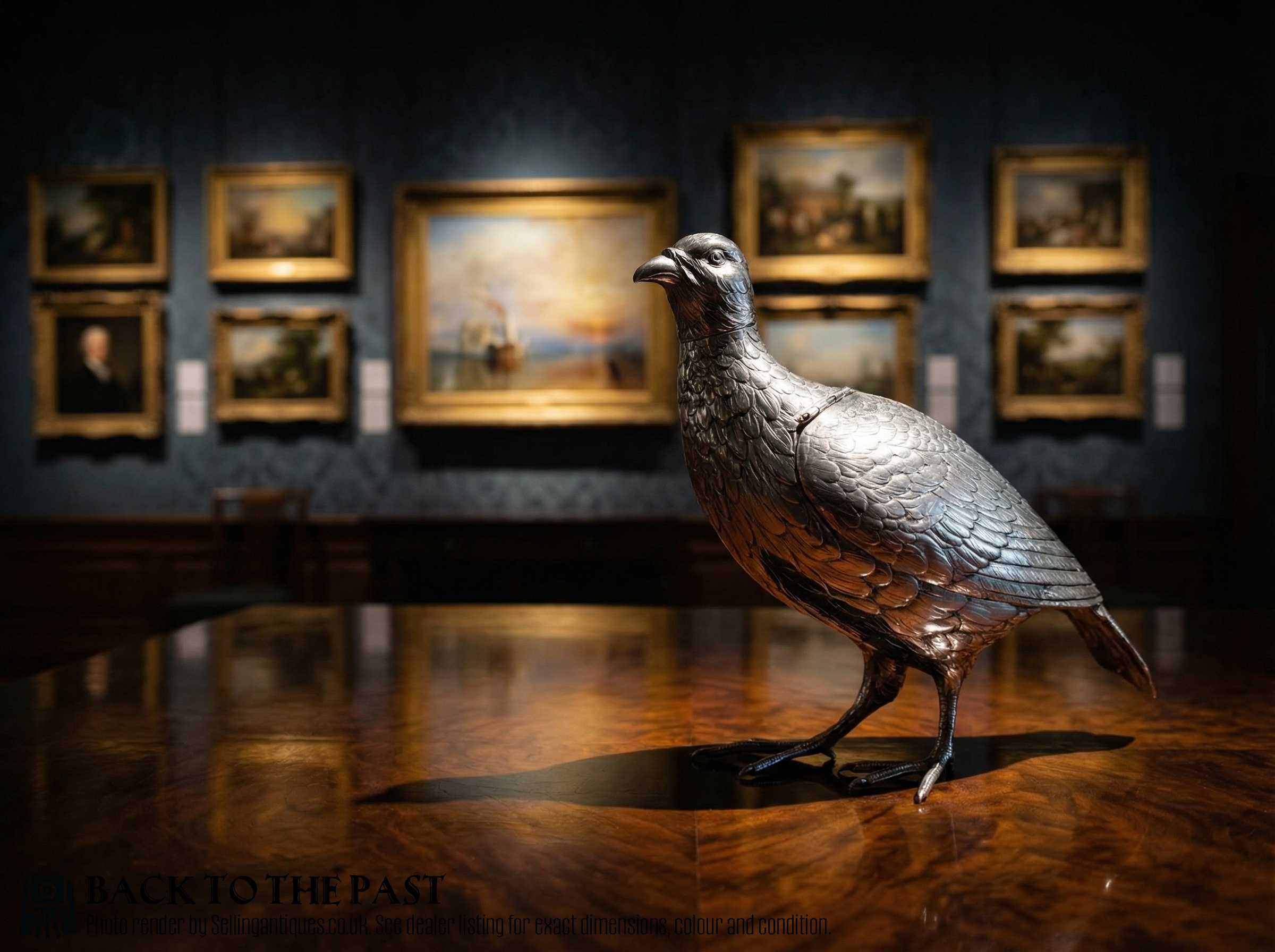
Tom Mackie·Berthold Muller·Henry Matthews·William Graeme·H H Curtis
The Antique Silver Ornament Glossary
- Animalier sculpture
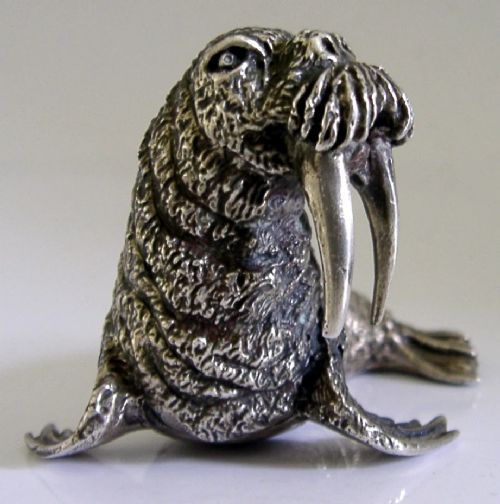
- A nineteenth-century artistic focus on the realistic portrayal of animals, seen here in silver models of stags, birds, and walruses.
- Novelty silver
- Small functional items shaped as animals or objects for amusement, encompassing pin cushions, pepper pots, and pill boxes.
- Paste glass
- Faceted lead glass used as imitation gemstones in eighteenth and nineteenth-century shoe buckles and dress ornaments.
- Capstan inkwell
- A desk accessory shaped like a ship's capstan, frequently constructed from silver and tortoiseshell with a weighted base.
- Solid silver
- Metal content meeting specific legal purity standards, distinct from silver plate where a thin layer coats a base metal.
Antique Silver Ornament: Frequently Asked Questions
What is an antique silver ornament?
An antique silver ornament is a decorative or functional object fashioned from silver, spanning categories like animalier sculptures, desk accessories, and novelty pin cushions.
These pieces reflect the stylistic preferences of periods ranging from the Georgian era through to the mid-twentieth century.
How do I identify Edwardian silver?
Edwardian silver pieces are typically identified through hallmarks stamped into the metal, indicating the assay office, date letter, and maker.
Stylistically, this era often favours refined decorative objects, miniature animal figures, and detailed photo frames incorporating materials like tortoiseshell and velvet.
How were silver animal figures used?
Silver animal figures functioned primarily as decorative ornaments for display on tables, desks, and mantelpieces during the Victorian and Edwardian periods.
Many novelty versions also served practical roles, doubling as pin cushions, pepper pots, menu holders, or condiments.
What is a novelty silver piece?
Novelty silver refers to items designed in an amusing or unexpected shape, such as animals, shoes, or miniature furniture.
These objects combine humour with utility, appearing as pill boxes, scent bottles, and inkwells that fascinated collectors of the nineteenth and twentieth centuries.