


Antique Silver Rooster
These antique silver rooster pieces range from striking table ornaments to clever barware, bringing character and craftsmanship to any room.
Antique Silver Rooster
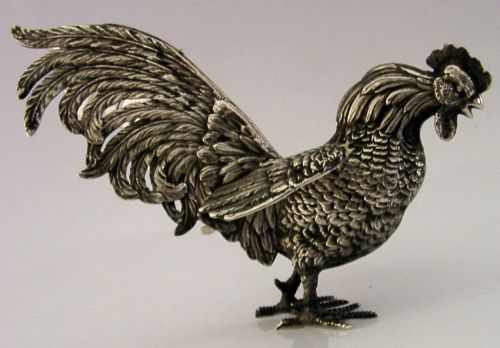
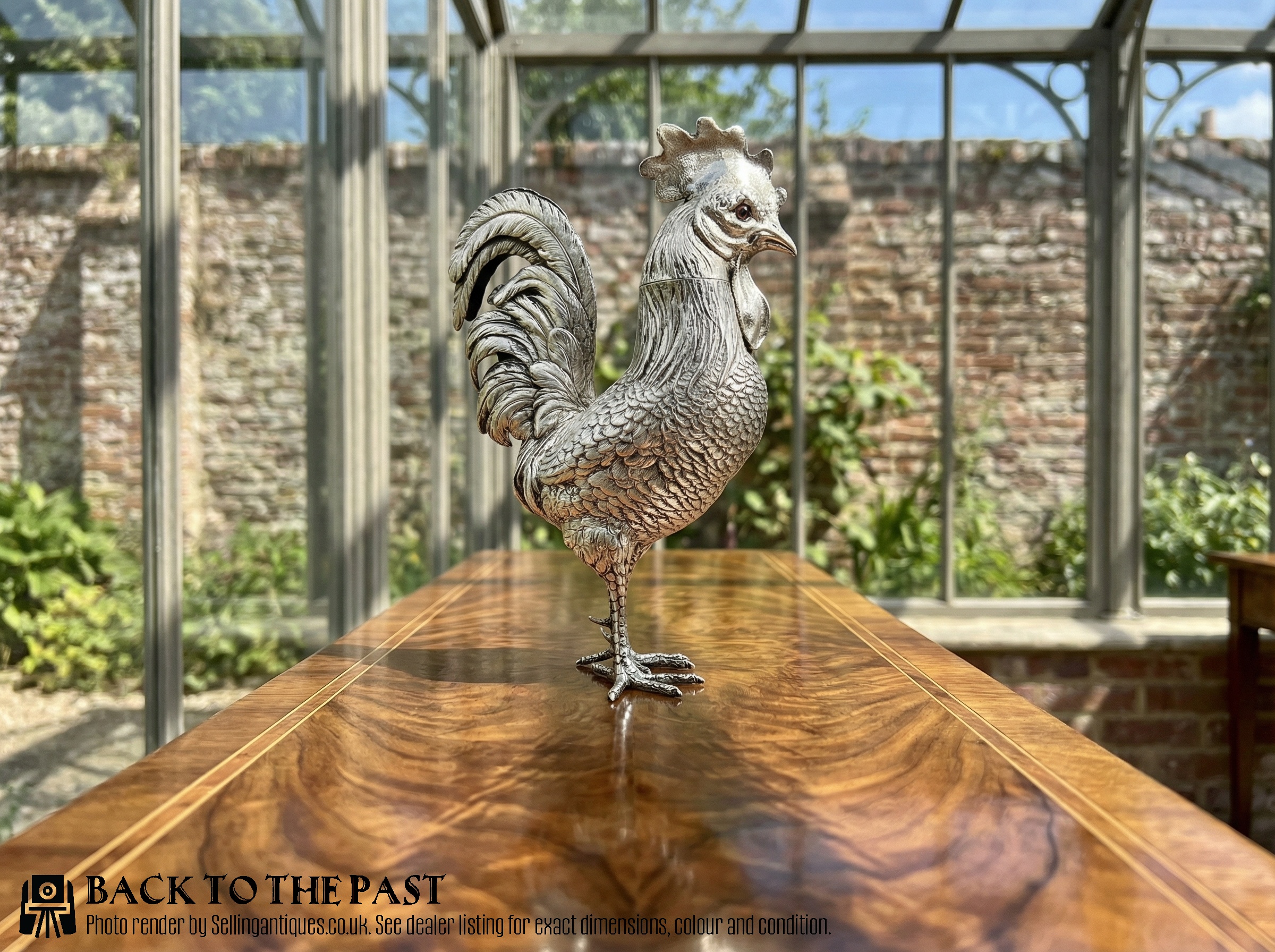
When you search for antique silver rooster, you encounter a fascinating range of figural works, table ornaments, and barware. The pieces span periods from the Victorian era through the mid-twentieth century, capturing the bird in various poses.
You are most likely to meet solid sterling silver cockerel figures or silvered cocktail sets featuring enamelled elements. These objects combine decorative appeal with functional design, reflecting the tastes of past decades.
Materials and construction
The construction relies heavily on sterling silver, solid silver, and 833 silver, often shaped into detailed bird figurines. Enamel work frequently adds vibrant colour to cocktail sticks and accessories.
Makers utilised silver plating on base metals for larger statues and novelty inkwells, while glass and leather appear in specific barware items. Each technique serves the form, whether creating a sturdy cocktail shaker or a delicate table ornament.
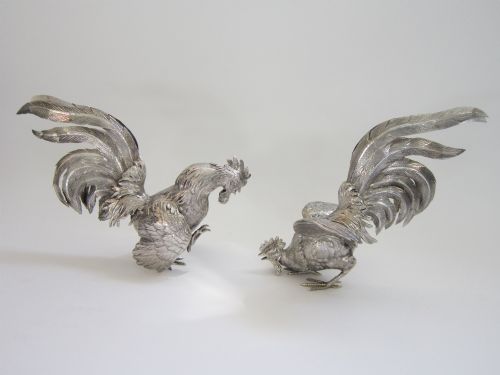
Some roosters stand ready for combat as fighting cockerels, while others quietly hold cocktail sticks in their metallic wings.
Judging quality in silver poultry
Quality rests in the crispness of the feather chasing and the anatomical proportion of the bird. Heavier solid silver examples show superior substance compared to plated or lighter metal alternatives.
The preservation of applied enamel on cocktail sticks and the clarity of hallmarks distinguish finer pieces. Maker attention to realistic stance and detail separates standard production from exceptional work.
The Antique Silver Rooster Glossary
- Sterling silver
- A silver alloy containing 92.5 percent pure silver by mass, standard for quality British and international items. It provides durability while maintaining a bright metallic lustre.
- Cockerel
- A young domestic rooster often depicted in European figural silver. The term appears frequently in descriptions of these avian table ornaments.
- Cocktail shaker
- A barware vessel used to mix drinks, sometimes fashioned in figurative glass and metal designs. These vessels became popular during the art deco period.
- Hallmark
- An official stamp applied to precious metals indicating purity, origin, and date. They help collectors verify the period and metal standard of silver objects.
- Enamel
- A glassy substance fused to metal surfaces through firing to add colour and decoration. It frequently highlights the plumage on cocktail sticks and accessories.
Antique Silver Rooster: Frequently Asked Questions
What were antique silver roosters used for?
These pieces served primarily as decorative table ornaments, conversation pieces, or functional barware such as cocktail shakers and stick sets. Wealthy households displayed them on dining tables or in studies to showcase taste and prosperity.
Over time, smaller items like cocktail sticks became essential accessories for home entertaining during the early twentieth century. Their dual nature as art objects and functional items ensured their survival in domestic settings.
How do I date an antique silver rooster?
Dating relies on examining official hallmarks stamped into the metal, which reveal the assay office, standard of silver, and year of manufacture. Stylistic clues also help, as clean geometric lines point to the art deco period while ornate chasing suggests Victorian origins.
Comparing the weight, construction techniques, and materials like enamel or glass provides further context. Archive records and maker marks add final certainty to the timeline of each piece.
How do I care for silver barware?
Maintain silver surfaces by dusting gently with a soft cloth and avoiding abrasive cleaners that damage delicate finishes or enamel work. Store pieces in dry environments away from direct sunlight to prevent tarnishing and discolouration.
When cleaning becomes necessary, use specialised silver polishes sparingly and rinse thoroughly, especially on items with mixed media like felt or leather. Proper handling preserves both the metal and any applied colour.
What is the difference between sterling and 833 silver?
Sterling silver contains a higher purity level, consisting of 92.5 percent pure silver, which is standard in British manufacturing. The 833 silver standard contains 83.3 percent pure silver and appears more commonly on continental European pieces.
Both standards provide the durability needed for figural ornaments and barware, though they carry different hallmark symbols. Understanding these alloy differences helps identify the geographical origin of a piece.