




Victorian Silver Animal
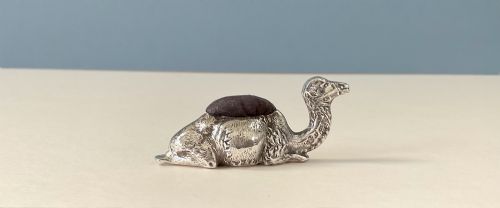
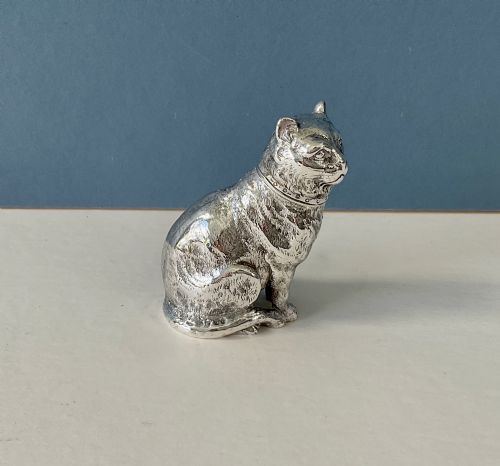
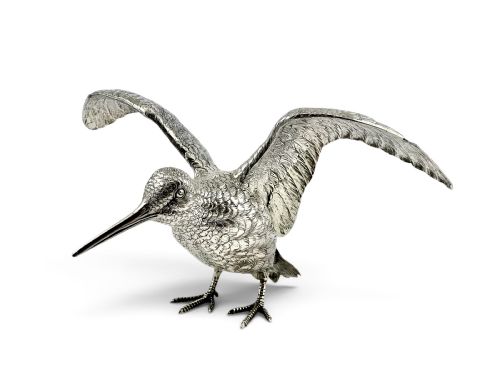
A victorian silver animal brings nature into the room with wit, taking the form of camels, birds, and boars.
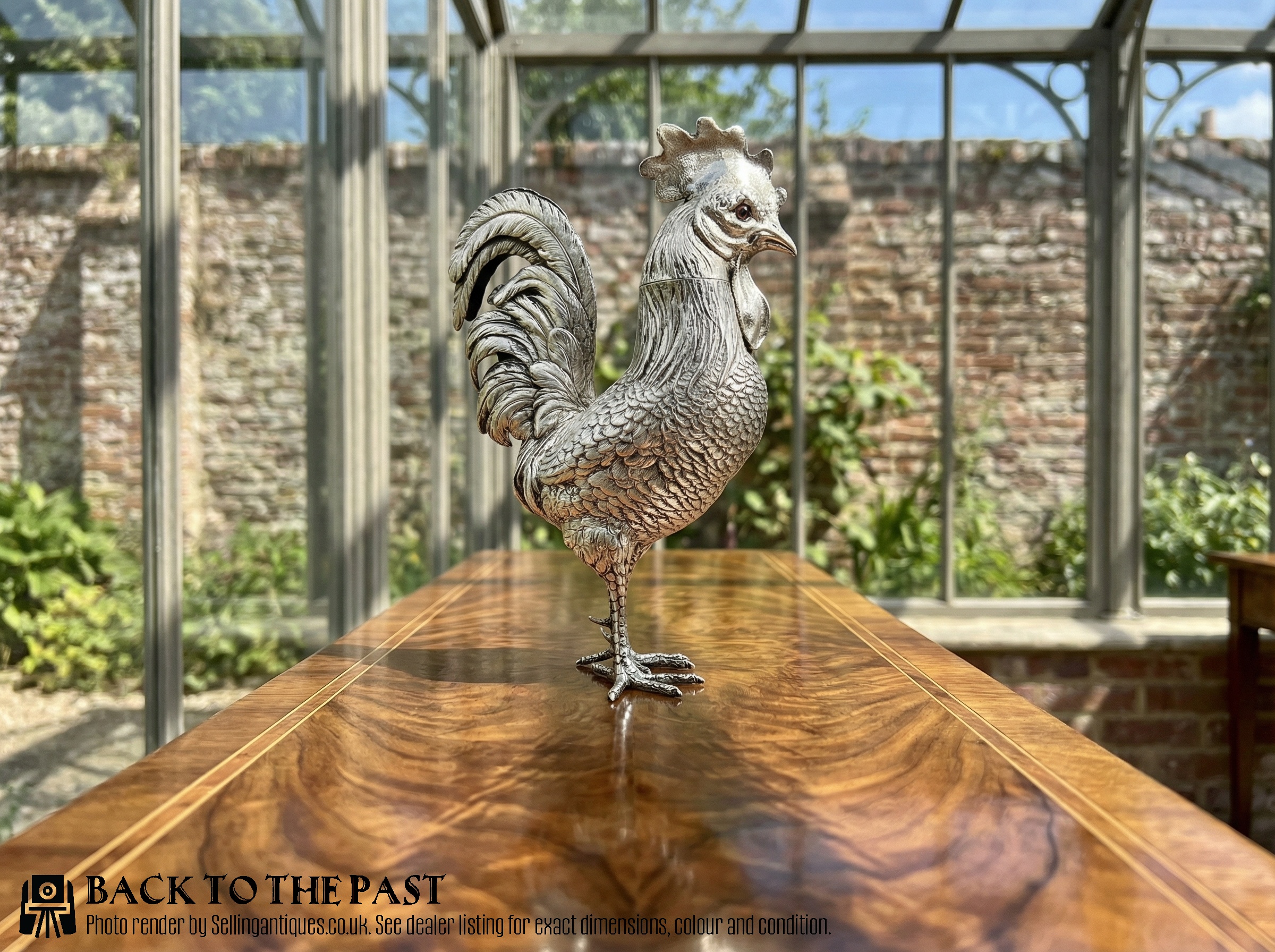
Victorian Silver Animal
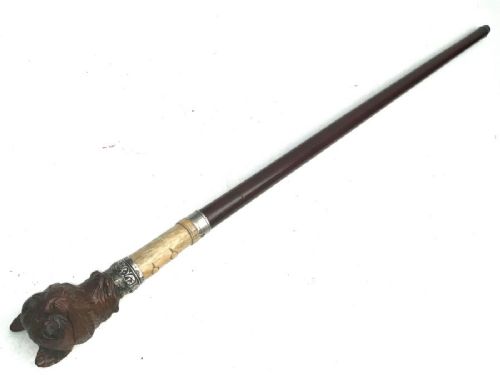
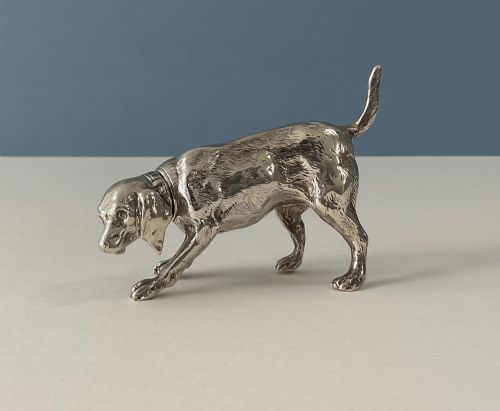
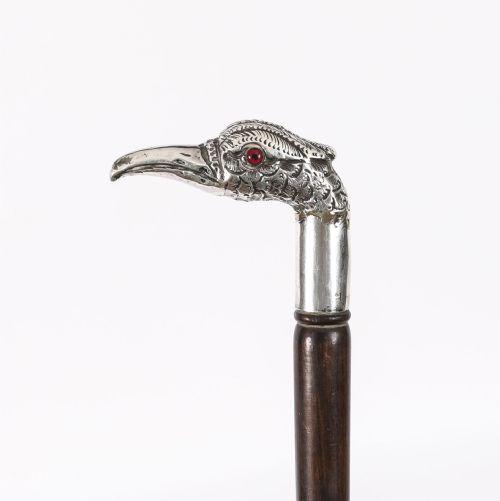
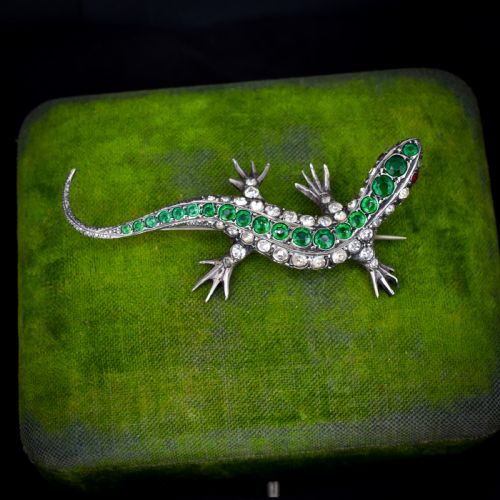
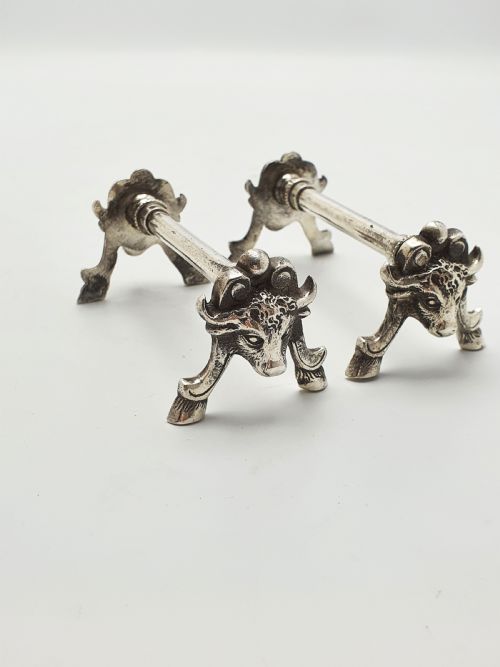
A victorian silver animal takes many functional forms, appearing as pin cushions, pepper pots, walking stick handles, and brooches. The evidence shows domestic and wild creatures shaped into everyday objects, often with a humorous twist.
Most examples date from the nineteenth century into the Edwardian era, spanning periods such as Late Victorian and 1890. Makers fashioned these creatures from sterling silver, silver plate, and pewter, frequently combining them with velvet, glass, or wood.
How they were made
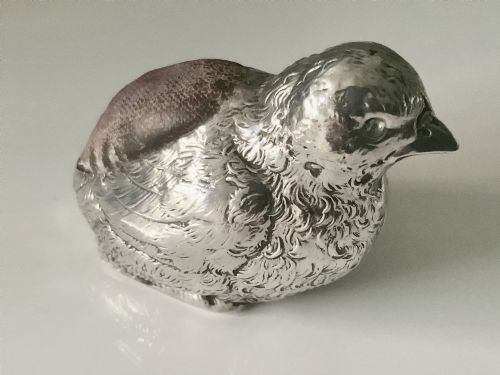
Silversmiths shaped solid sterling silver and silver plate through casting, embossing, and piercing. Details like feathers, fur, and scales rely on careful hand-chasing directly onto the metal surface.
Many objects incorporate contrasting materials to hold the silver figure or provide utility. Velvet supports pin cushions, while glass forms scent bottles and wood frames walking sticks and bases.
Object forms span practical items like pin cushions, pepper pots, walking sticks, brooches, vesta cases, and wine bottle stoppers.
What varies in quality
The complexity of the object influences the work involved, such as articulated joints or multi-part condiment sets. Integrity of secondary materials, including undamaged glass inserts or intact velvet pads, marks better preservation.
Hamilton and Co Calcutta·Wakely and Wheeler
The Victorian Silver Animal Glossary
- Pin Cushion
- A small domestic accessory designed to hold sewing pins, often formed as an animal with a fabric pad fitted to its back or underside. These pieces combine utility with sculptural novelty.
- Pepper Pot
- A tabletop condiment container with a perforated head for dispensing ground pepper. Animal forms range from cats and dogs to birds and boars.
- Vesta Case
- A small pocket container used to hold matches, frequently hinged and shaped as an animal head or figure. These date predominantly to the Victorian period.
- Brooch
- A decorative piece of jewellery fastened with a pin, frequently set with paste stones or gemstones alongside silver animal figures. Lizards and monkeys appear in this format.
- Walking Stick Cane
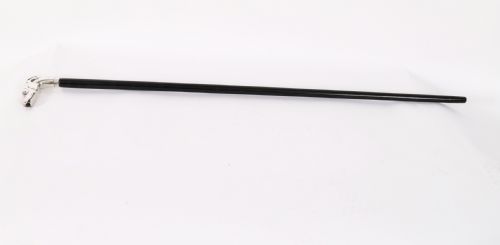
- A mobility aid or gentleman's accessory featuring an elaborate handle cast in silver as an animal. Handles sometimes conceal hidden compartments like corkscrews or swords.
Victorian Silver Animal: Frequently Asked Questions
How were silver animal pin cushions used?
Tailors and Victorian homemakers placed sewing pins directly into the velvet pads fitted to the backs of these silver creatures.
They sat upon dressing tables and desks as both decorative ornaments and practical sewing tools.
What is a novelty pepper pot?
These are condiment containers cast in amusing or unusual shapes, such as cats, birds, and dogs.
Dining tables during the nineteenth century often featured matching sets or individual animal figures used to serve pepper.
How do I identify a Victorian piece?
Examine the object for hallmarks, style markers, and registration dates stamped into the silver.
Records show pieces originating from the 1850s through the end of the nineteenth century displaying characteristic Victorian craftsmanship.
Can I use walking sticks with animal handles?
These canes serve primarily as collectible display items or historical accessories rather than everyday mobility aids.
Handles often feature hollow silver casting or conceal mechanisms like hidden corkscrews that require careful handling.