
Antique Silver Matchbox Holder
An antique silver matchbox holder is a practical pocket piece that combines solid sterling metalwork with period engraving or enamel.
What They Are
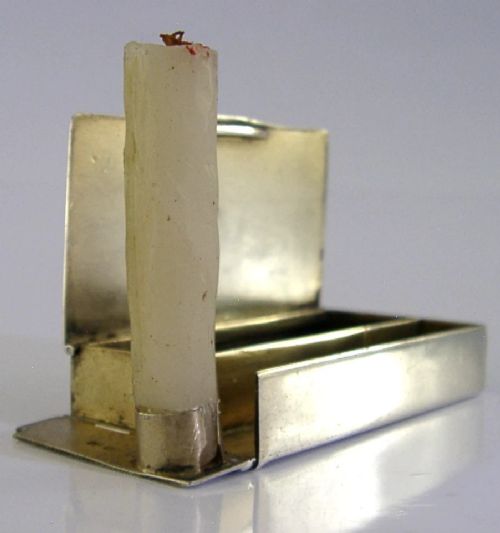
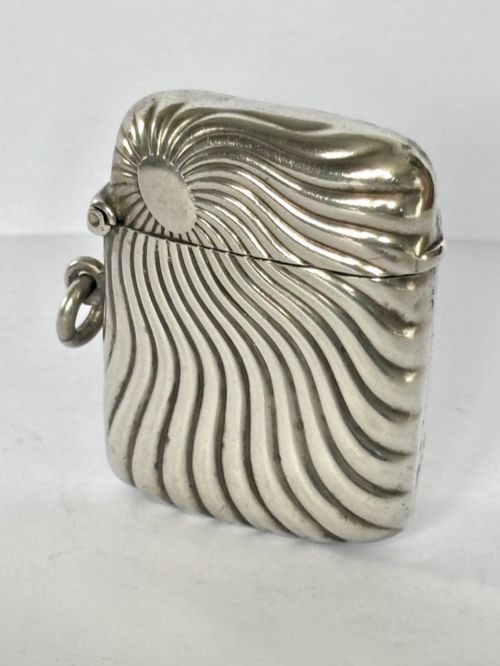
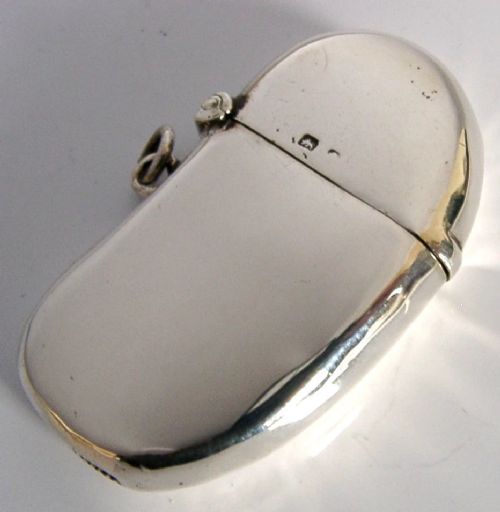
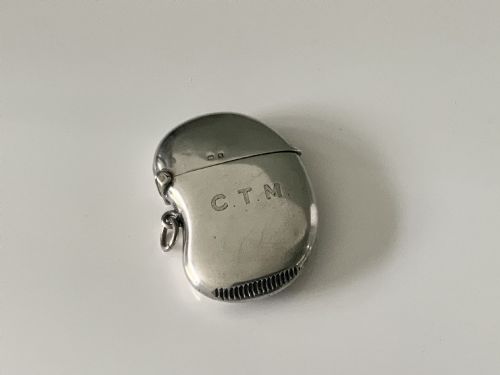
An antique silver matchbox holder, also known as a vesta case, is a small pocket container designed to hold safety matches and keep them dry before the widespread adoption of modern lighters. These items appear across Victorian, Edwardian, and later periods, capturing the functional accessories of the early twentieth century.
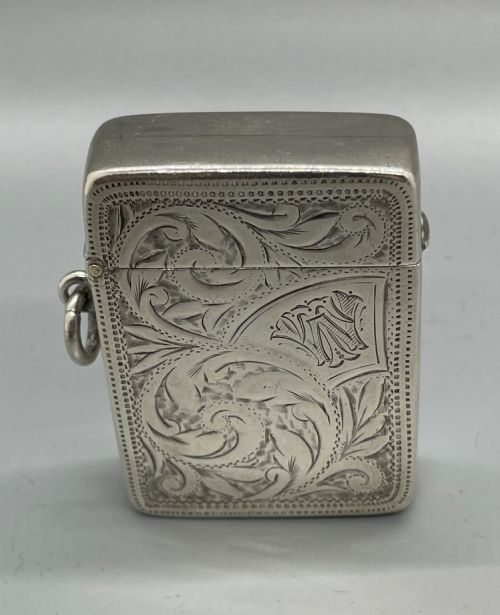
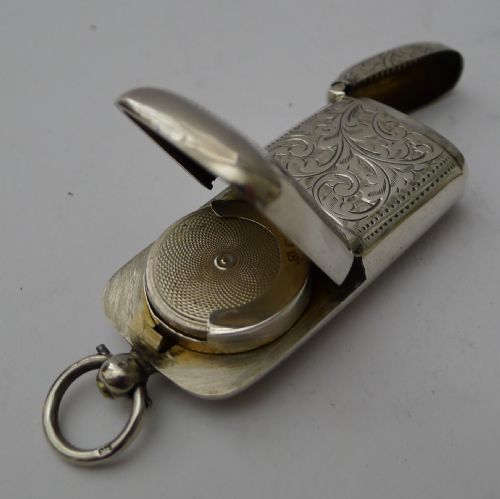
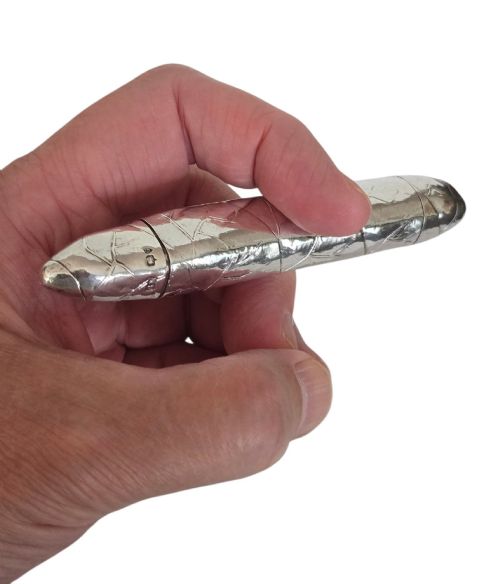
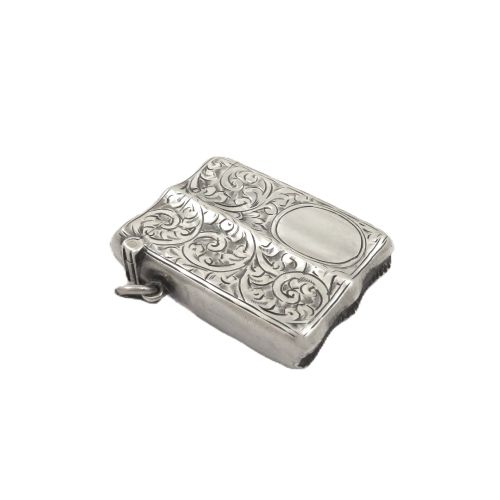
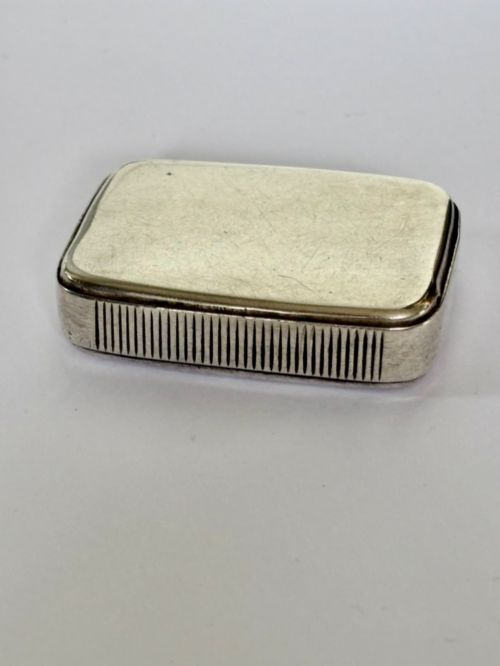
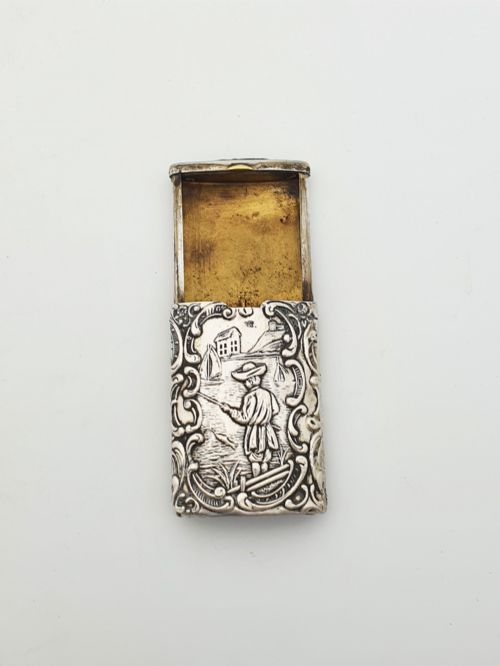
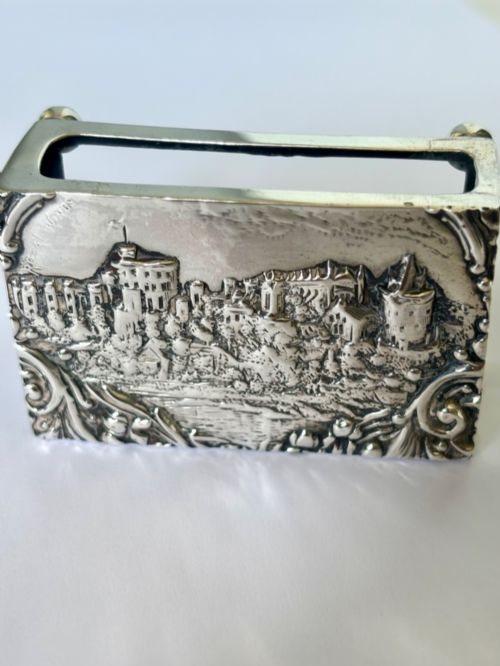
Most examples encountered on this page take the form of silver vesta cases, including combined designs such as sovereign holders or pieces featuring detailed enamel decoration. The forms span decades from the late Victorian era through the Edwardian years up to the nineteen-twenties.
Makers working in regional assay offices such as Birmingham and Chester produced these pocket accessories in solid sterling silver. Collectors will find that the physical characteristics reflect the specific decades of their manufacture, ranging from plain engraved surfaces to specialised animal subjects.
How They Were Made
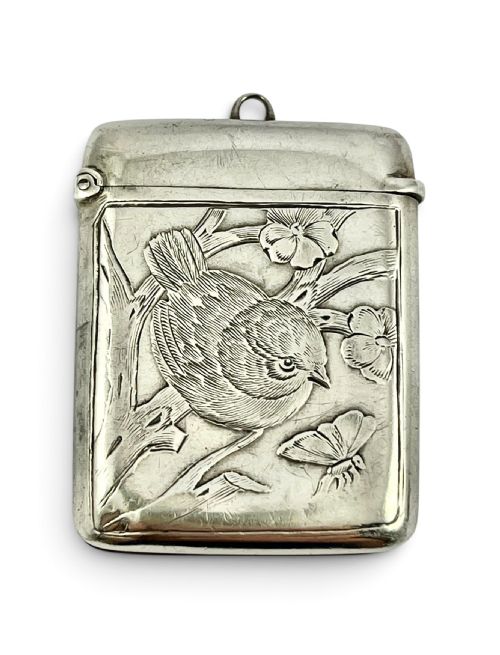
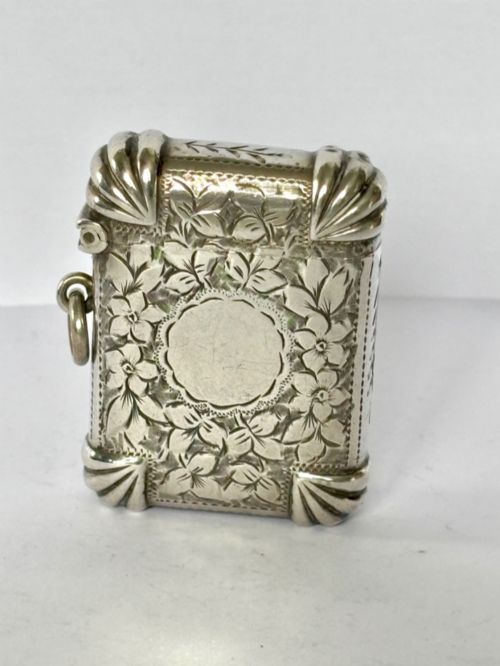
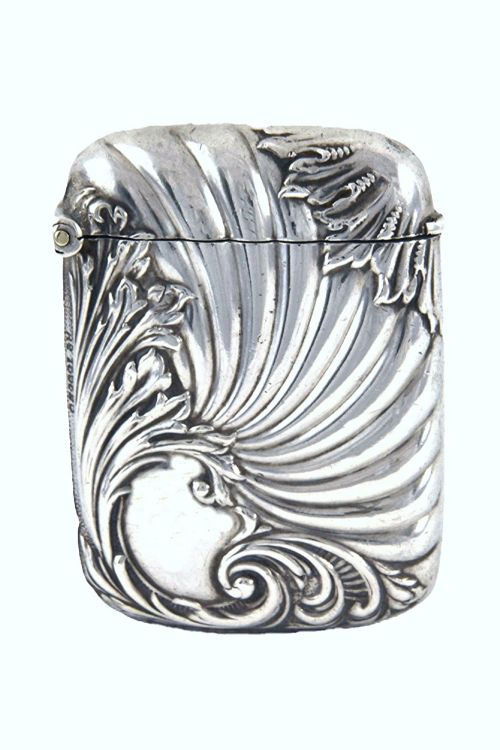
These items were constructed from solid sterling silver, often shaped through stamping and folding techniques before receiving hand-engraved surface patterns like leaf and scroll motifs. Silversmiths integrated hinged lids and side suspension loops to allow secure pocket carriage.
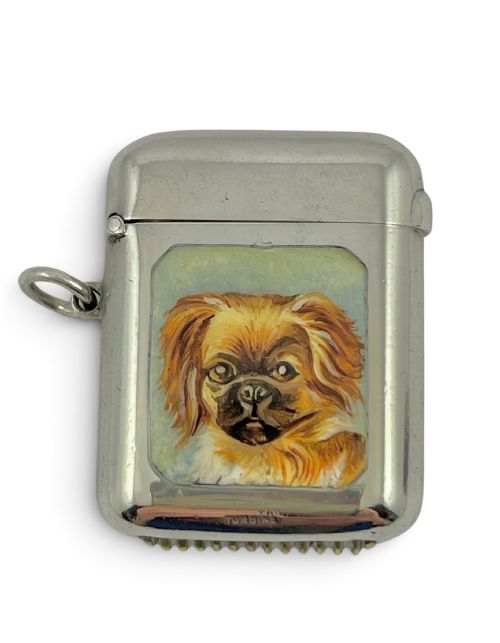
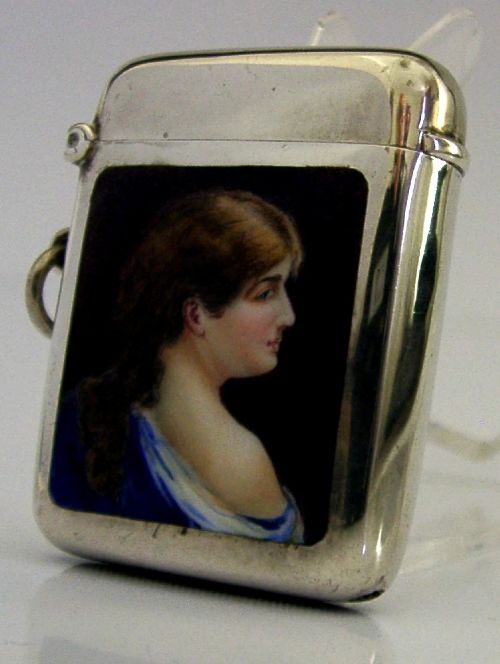
Specialised variants incorporate applied vitreous enamel decoration, particularly on pieces depicting subjects such as pug dogs, which required precise kiln firing onto the prepared metal base. Hallmarks were stamped directly into the silver to record the assay office, standard, and date letter.
Retail Price Guide 2026
Typical UK retail prices for silver matchbox holder, calculated from the Sellingantiques database of over a million retail prices indexed since 2003. This retail price guide relies exclusively on Sellingantiques data; no external sources or auction records are used, so the figures do not describe the wider market.
A pug dog stares out in vibrant enamel from a nineteen-twenties silver pocket case, watching the matches stay dry.
What Varies in Quality
The distinction between standard production and higher quality work rests on the crispness of the hand engraving and the complexity of the object's form, such as combined dual-purpose cases. Pieces that integrate multiple functions like sovereign storage demonstrate greater mechanical ambition from the maker.
The presence of undamaged coloured enamel, particularly on figural subjects like animal depictions, elevates an item beyond plain engraved sterling surfaces. Clear hallmarks and strong hinge construction further distinguish the better surviving examples from standard pocket pieces.
Dunhill·S Mordan
The Antique Silver Matchbox Holder Glossary
- Vesta case
- A small pocket container for matches, fitted with a striking surface on the base. These items were essential accessories in the Victorian and Edwardian periods.
- Sterling silver
- A silver alloy containing 92.5 percent pure silver by mass, standard for British plate. Items in the evidence bear hallmarks confirming this standard.
- Hallmark
- An official mark stamped onto precious metals to indicate the standard of purity, the assay office, and the year of manufacture.
- Enamel
- Vitreous material fused to metal through high-temperature firing. Enamelled designs add colour and pictorial detail to the surface of the silver.
Frequently Asked Questions
What is a vesta case?
A vesta case is a small pocket container specifically designed to carry matches safely before the invention of modern lighters. These items were carried daily by both men and women.
They feature a textured striking strip on the bottom for igniting the match upon removal. The hinged lid kept the contents dry inside pockets or handbags.
How do I date a silver vesta?
Dating relies primarily on the official hallmarks stamped into the sterling silver by assay offices such as Birmingham or Chester. These marks include specific date letters corresponding to the year of manufacture.
Stylistic indicators like Victorian scroll engraving or nineteen-twenties enamel work also help place the piece in its proper period.
Did they hold anything besides matches?
Some specialised variants combined multiple functions within a single pocket accessory. The evidence includes combined pieces that held sovereigns alongside matches.
These dual-purpose containers accommodated the currency and fire-starting needs of the Edwardian period in one coordinated metal case.
Are these cases made of solid silver?
The pieces recorded in the evidence consist of solid sterling silver rather than plated base metals. Assay office marks confirm the silver standard used for each item.
This solid construction allowed silversmiths to engrave decorative patterns directly into the metal surface.