

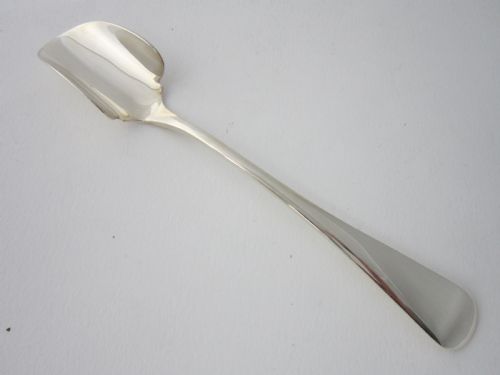


Antique Silver Dining Utensils
These antique silver dining utensils bring period weight and specific purpose to the table, ranging from marrow scoops to grape shears.
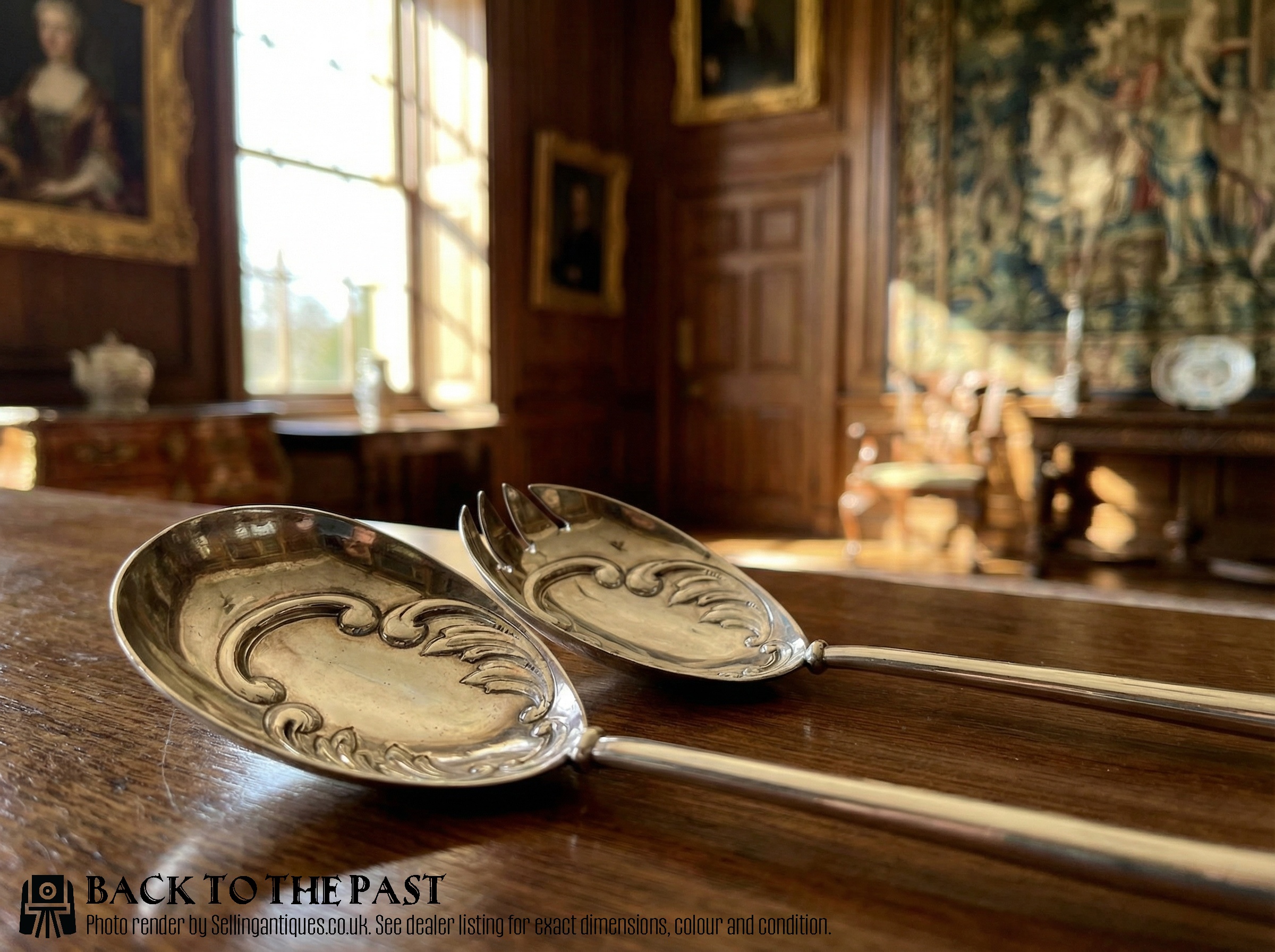
Antique Silver Dining Utensils
When you search for antique silver dining utensils, you find implements made for specific courses and table tasks that modern settings largely abandon. The selections span Georgian, Victorian, and Edwardian eras alongside mid-century examples.
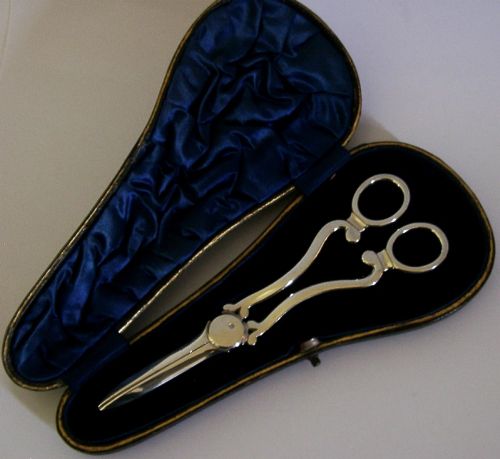
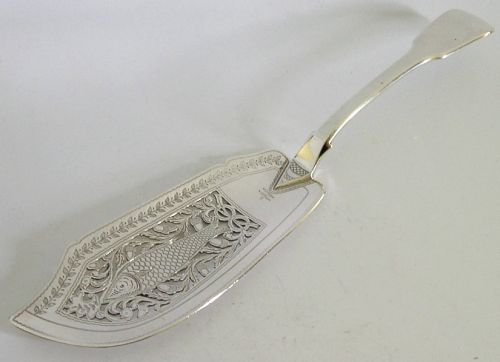
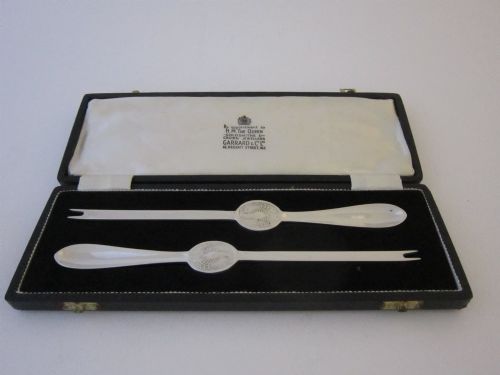
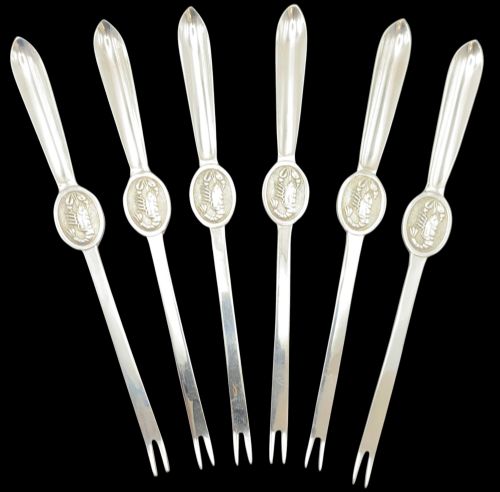
Most pieces seen here comprise serving tools and specialised cutlery such as fish slices, marrow scoops, grape shears, and lobster picks. These range from solid sterling silver servers bearing family crests to silver-plated forks and tongs.
What varies in quality
Quality rests in the thickness of the silver gauge, the crispness of chased or pierced decoration, and the integrity of the maker's marks. Solid sterling pieces carry greater intrinsic weight and durability than plated alternatives.
Design execution separates standard production items from bespoke pieces. Items featuring cast elements, family crests, or specialised function like articulated grape shears demand closer attention to balance and detail.
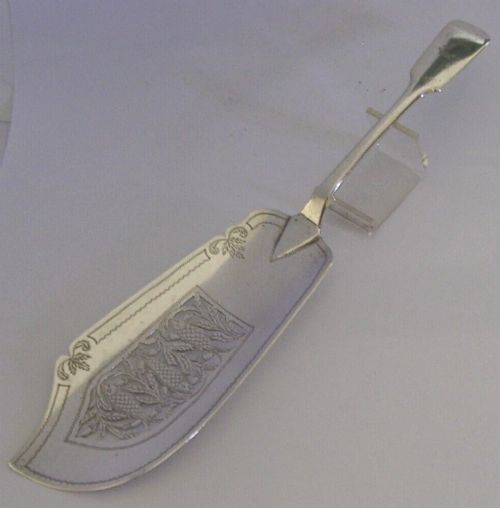
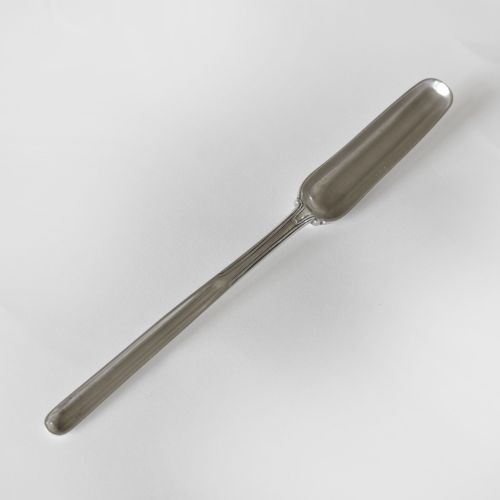
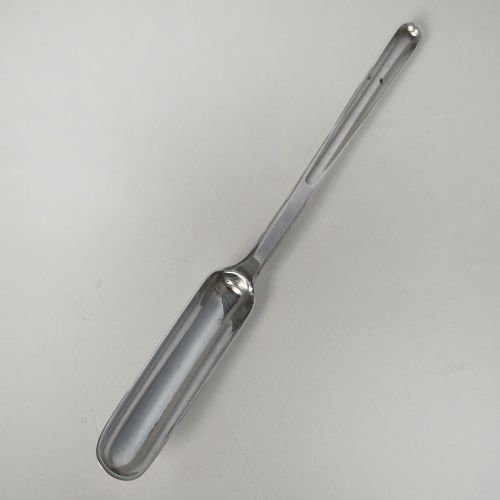
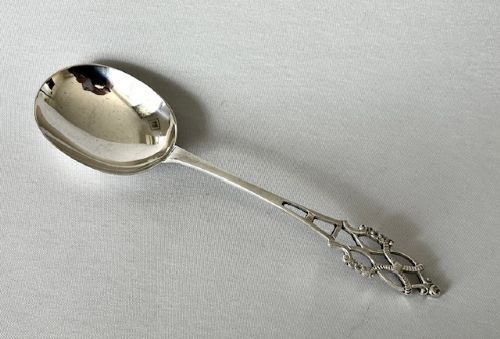
Object forms include marrow scoops, fish servers, lobster picks, and grape shears.
Jonathan Hayne·Garrard
The Antique Silver Dining Utensils Glossary
- Sterling silver
- An alloy containing 92.5 percent silver by mass, standard for quality British tableware. It provides the durable foundation for Georgian and Victorian dining implements.
- Hallmark
- A series of official marks stamped onto precious metals indicating the maker, purity standard, assay office, and date letter. These stamps verify the age and origin of the piece.
- Marrow scoop
- A long, narrow utensil with small troughs at each end, designed for extracting bone marrow. They appear frequently in Georgian and nineteenth-century silver collections.
- Fish slice
- A broad, flat server often pierced and engraved, used for serving fish at formal dinners. George IV and Victorian examples display elaborate blade decoration.
Antique Silver Dining Utensils: Frequently Asked Questions
What are marrow scoops used for?
Marrow scoops were designed for extracting bone marrow from joints during formal meals. The double-ended design featured a narrow trough for long bones and a smaller scoop for tighter spaces.
Today they function as collectible silver items or occasional serving tools for dinner parties. Their slender profile makes them distinct additions to antique cutlery collections.
How do I clean antique silver?
Cleaning requires a soft microfiber cloth and a mild, specialised silver polish to protect delicate hallmarks and engraved crests. Avoid harsh abrasive dips that strip the natural patina accumulated over decades.
Store pieces in dry conditions away from direct sunlight and rubber materials. Using tarnish-resistant flannel rolls helps maintain the surface finish between uses.
Are silver plated items antique?
Silver plating techniques date back centuries, with many Victorian and Edwardian plated utensils achieving genuine antique status. The base metal lies beneath a layer of applied silver, offering the look of solid metal.
Examination of the wear patterns and maker marks helps determine the age of plated pieces. Makers often stamped specific ciphers to indicate electroplating methods used during the nineteenth and twentieth centuries.
How do I date silver hallmarks?
British silver hallmarks include a standard mark for purity, a city mark for the assay office, and a date letter corresponding to a specific year. Reference tables match these letters to the exact year the item was tested and entered.
Maker marks provide additional context by identifying the silversmith or firm responsible. Combined, these stamps offer a precise history of the object's origin.