
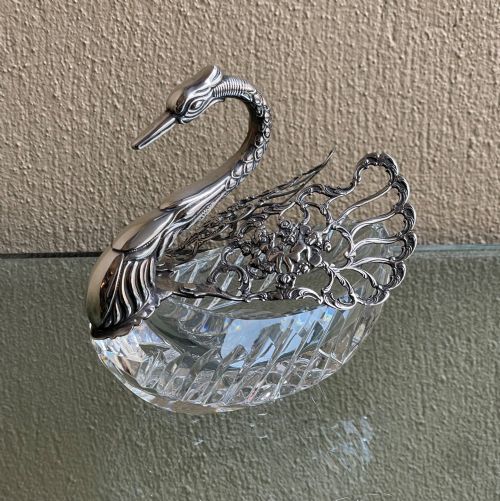


Antique Silver Condiment Bowls
Antique silver condiment bowls bring tactile elegance to the dining table, offering refined vessels for salts, preserves, and sugars across centuries of design.
Antique Silver Condiment Bowls
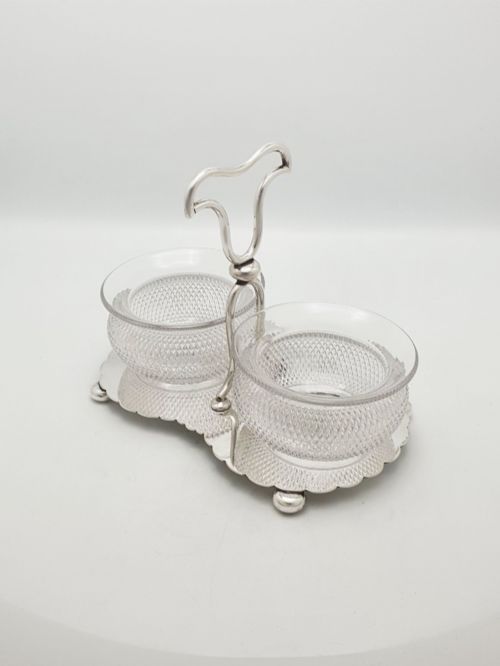
When searching for antique silver condiment bowls, collectors encounter a diverse array of tablewares including salt cellars, preserve dishes, sugar baskets, and dedicated condiment stands. These pieces originate primarily from the Victorian and Edwardian eras, alongside Georgian and mid-twentieth-century examples.
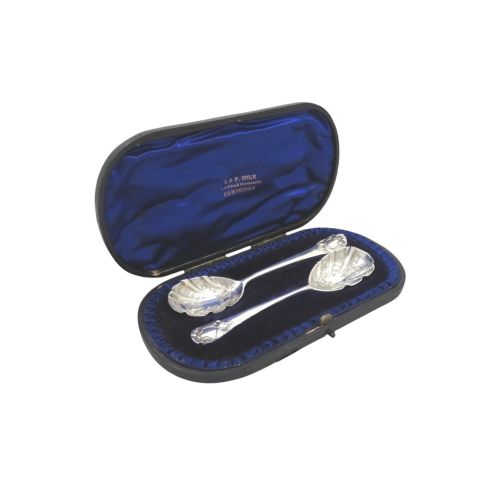
The most common formats on this page are open salt cellars, often paired with matching spoons, and glass-lined preserve or sugar bowls. Forms range from simple cauldrons and lobed bowls to figural designs shaped like swans, squirrels, and eagles.
Makers utilised both sterling silver and silver plate, frequently pairing the metalwork with contrasting coloured glass inserts such as cobalt blue, cranberry, and vaseline glass. Styles span from traditional Georgian and Rococo Revival to Aesthetic Movement, Art Deco, and Scandinavian Modern.
Materials and construction
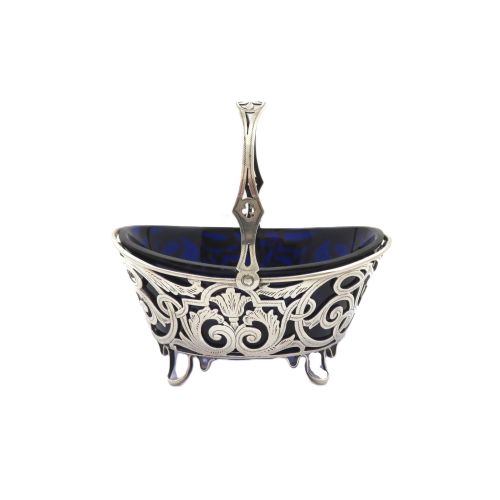
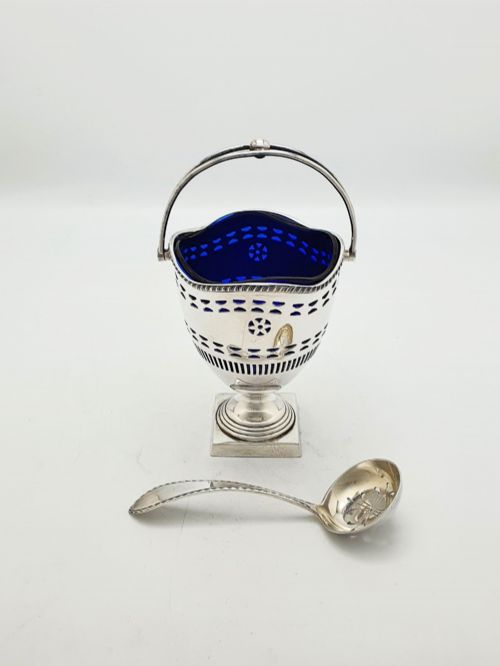
Makers constructed these vessels using solid sterling silver or silver plate over a base metal, employing techniques like piercing, casting, and repoussé work. Pierced sugar bowls and baskets often reveal intricate openwork patterns that lighten the appearance of the metal.
Glass liners, including cobalt and cranberry varieties, were blown and shaped to fit snugly inside pierced silver baskets or frames, providing a vibrant visual contrast. Silversmiths also integrated natural elements and figural castings, such as bird and animal forms, into the structural design of table salts and stands.
Materials documented across the collection include sterling silver, silver plate, cranberry glass, cobalt glass, and velvet.
Judging quality and craftsmanship
Quality rests upon the crispness of the casting, the weight of the silver or silver plate, and the integrity of any associated glass liners. Finer pieces display sharply defined ornamentation, secure soldering, and well-balanced proportions that elevate functional tableware into decorative art.
The presence of original matching spoons, hallmarked components, and undamaged coloured glass inserts significantly elevates a piece. Superior manufacture shows in the smoothness of the interior gilding and the precision of pierced lattice work.
Mappin And Webb·Roberts And Belk·George Fox·Edward Wood·Vale Brothers And Sermon
The Antique Silver Condiment Bowls Glossary
- Salt cellars
- Small open bowls designed to hold loose salt at the dining table before the invention of the shaker. They frequently appear in matched pairs or sets with diminutive spoons.
- Silver plate
- A manufacturing method where a thin layer of silver is bonded to a base metal core such as copper or Britannia metal. This technique allowed makers to produce elaborate tablewares at a more accessible cost.
- Cobalt glass
- A deep blue coloured glass produced by adding cobalt oxide to the molten batch. It is commonly found as a liner inside pierced silver sugar baskets and condiment stands.
- Sterling silver
- An alloy consisting of pure silver and other metals, traditionally copper, standardised at a high degree of purity. British pieces of this standard typically bear a lion passant hallmark.
- Sweetmeat dish
- A small decorative bowl intended for serving small sweet confections, nuts, or preserves. These pieces often feature elaborate handles or rests for matching spoons.
Antique Silver Condiment Bowls: Frequently Asked Questions
What were antique condiment bowls used for?
These vessels held table seasonings, jams, preserves, and sugars during formal and domestic meals. Diners used dedicated spoons to transfer small quantities from the central bowl to their own plates.
Over time, changing dining habits transformed these practical tablewares into decorative collector pieces that still function effectively for modern entertaining.
How do I clean antique silver condiment bowls?
Clean sterling silver and silver plate gently using a specialised non-abrasive silver polish and a soft cloth. Avoid harsh chemical dips that can strip away desirable patination or damage delicate base metals.
Remove any glass liners before polishing and wash them separately in warm, soapy water to protect both the glass and the surrounding metal framework.
How can I tell the period of a piece?
Examine the object for British hallmarks, which typically include maker's marks, date letters, and assay office symbols that pinpoint the exact year of manufacture. Stylistic clues, such as the heavy ornamentation of Victorian pieces or the geometric lines of Art Deco, also indicate the era.
Construction methods further aid dating, as machine-stamped elements usually point toward later nineteenth and twentieth-century production rather than earlier handmade work.
Can I use these bowls for daily dining?
Many antique condiment bowls remain entirely suitable for contemporary table use, particularly for serving jams, sauces, or nuts during gatherings. Sterling silver and durable silver plate withstand gentle, careful usage when washed by hand promptly after meals.
It is wise to handle pieces with delicate glass liners or intricate pierced work with extra care to prevent accidental chips or bending.