
Antique Silver Caddy Box
Discover the craftsmanship of an antique silver caddy box, designed to preserve precious tea leaves and serve as an elegant tabletop display.
Antique Silver Caddy Box
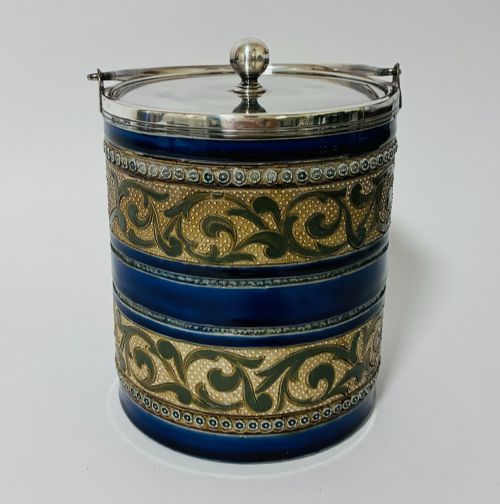
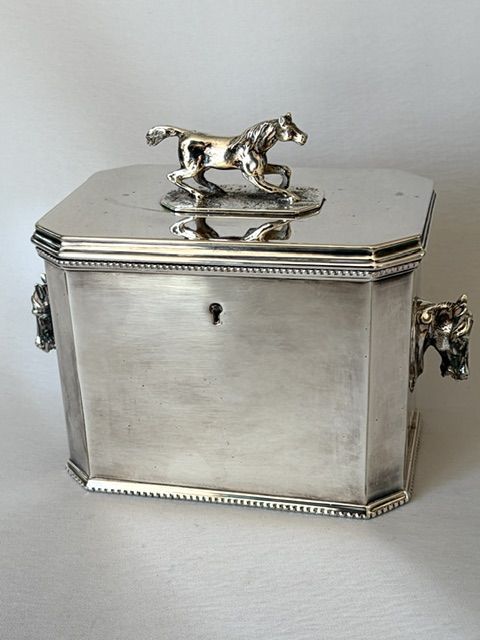
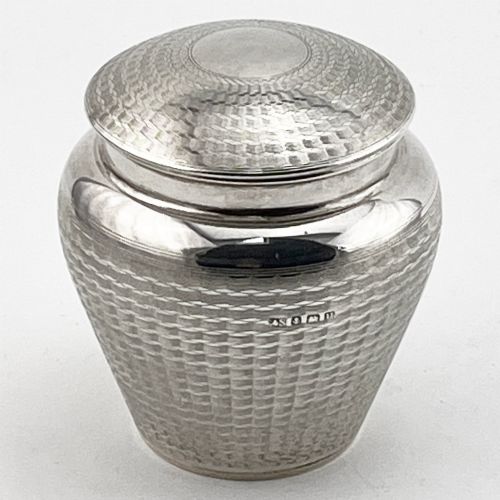
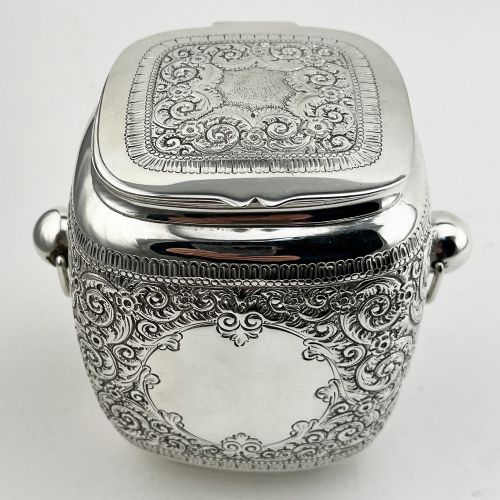
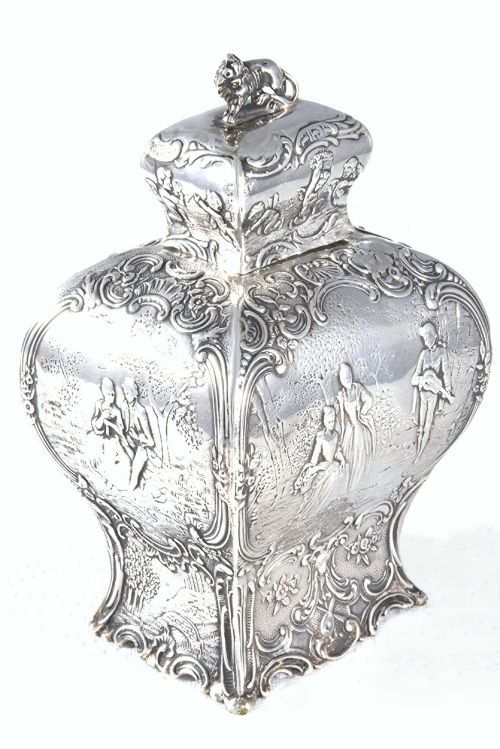
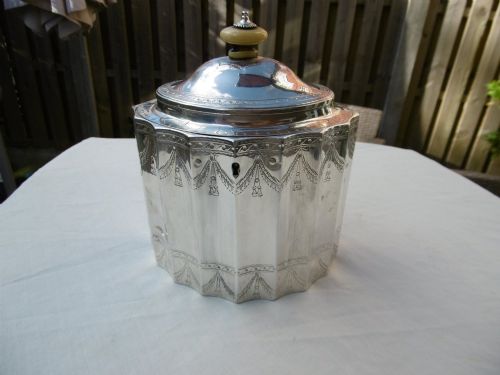
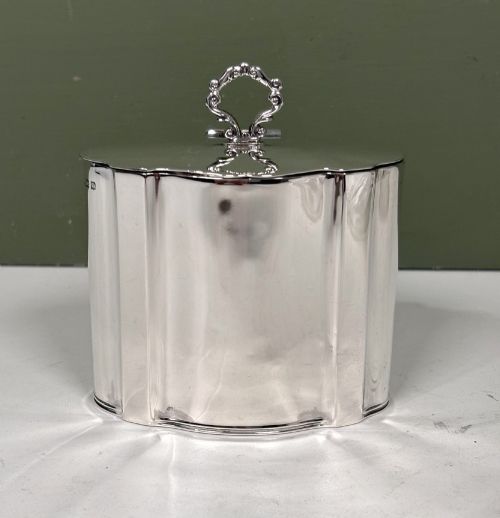
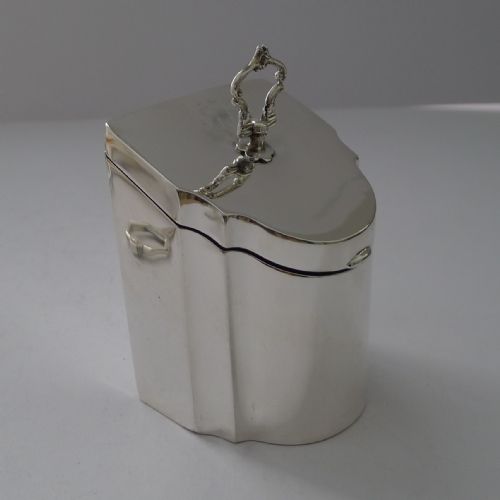
An antique silver caddy box serves primarily as a receptacle for storing dry tea leaves, originating from a period when tea was an expensive commodity requiring secure storage. These vessels span various forms including cylindrical canisters, bombe shapes, and knife box styles.
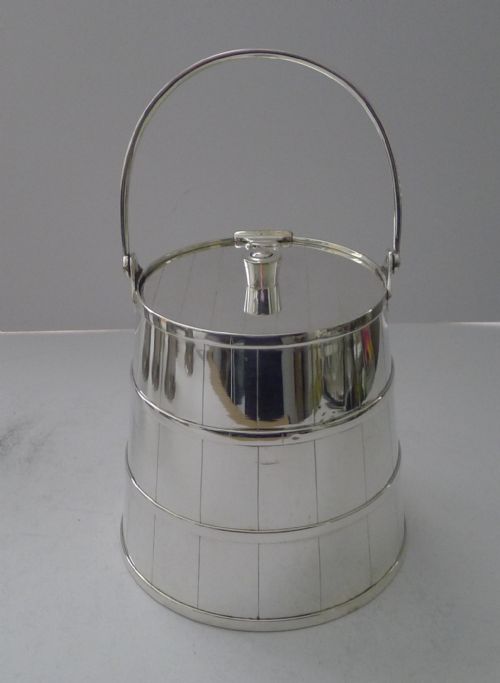
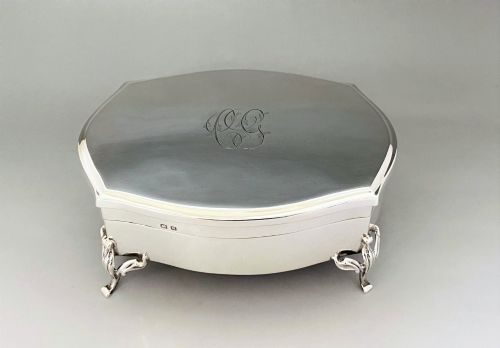
The selections encountered most frequently on this page date from the late nineteenth century through the Edwardian era and the 1920s. Alongside dedicated tea caddies, the listings encompass related small vessels such as trinket boxes, dressing table boxes, and biscuit barrels.
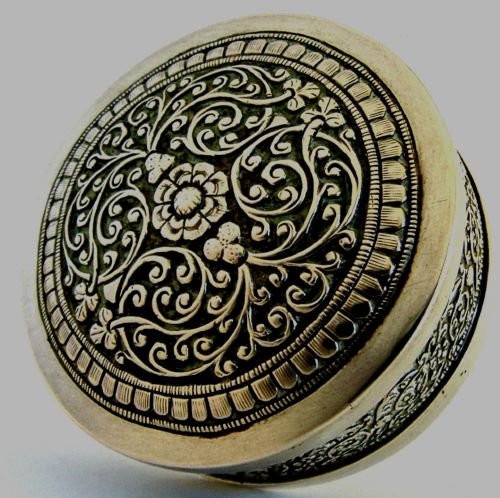
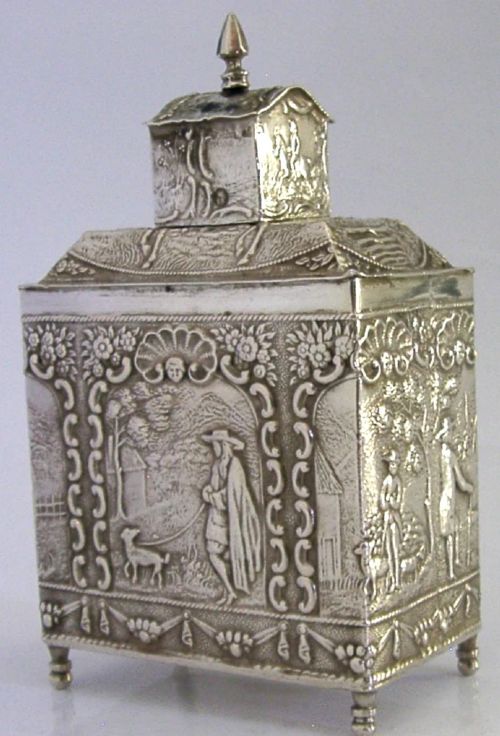
Geographic origins extend well beyond England to include continental workshops in Germany, Holland, and Austria, alongside colonial items from India and Ceylon. Makers utilised distinct regional aesthetics, ranging from heavily chased repoussé work to clean geometric lines.
How They Were Made
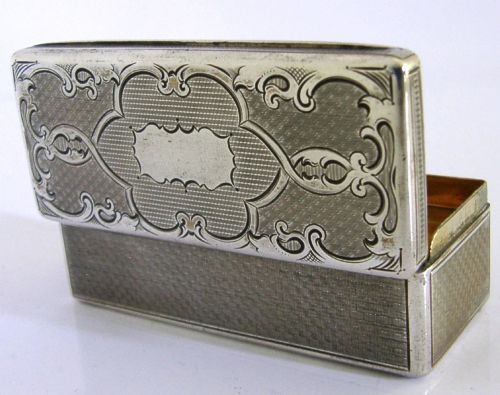
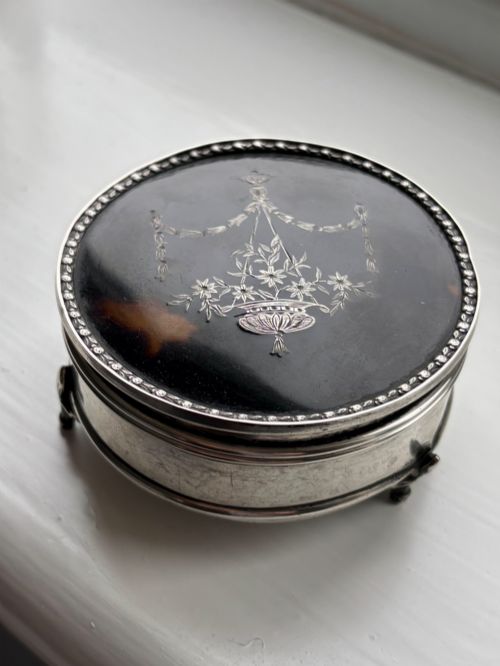
Silversmiths constructed these pieces predominantly from solid sterling silver or silver plate, frequently pairing the metal with secondary materials like oak, ebonised wood, and cut glass. Selected examples incorporate organic elements such as tortoiseshell or faux tortoiseshell panels.
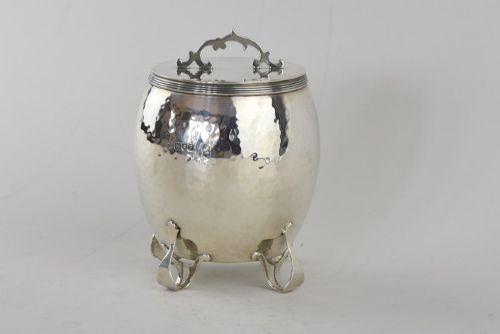
Techniques relied upon hand-hammering, piercing, and detailed embossing to create textured surfaces. Interiors often received a thin layer of gold wash, known as gilding, to protect the silver from the corrosive oils of tea leaves.
Listings feature items from the Georgian, Victorian, and Edwardian periods, constructed in sterling silver, silver plate, oak, and cut glass.
What Varies in Quality
Substantial metal weight distinguishes heavier pieces from thinner pressed items, reflecting the generosity of the original gauge used by the silversmith. Heavier boxes maintain structural integrity and resist dents better over generations of handling.
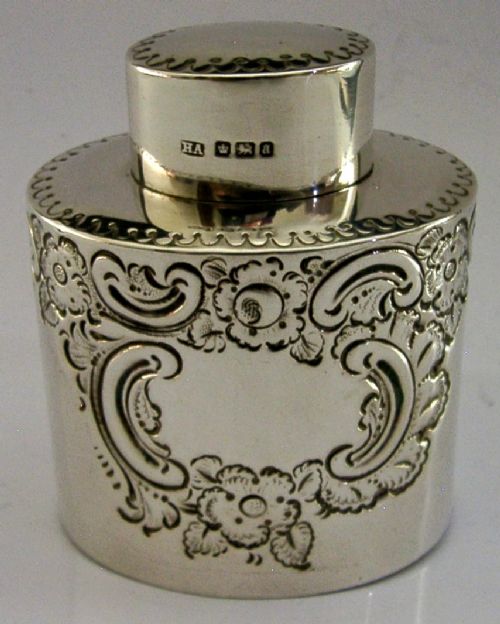
The crispness of decorative detail marks another distinction, where hand-chased foliage, crests, and figural motifs display sharp definition rather than soft, worn contours. Maker attribution and well-preserved hallmarks further elevate the standing of individual examples.
Ollivant and Botsford·Charles Edwards·Martin Hall and Co·Robert Hennell·Zimmermann·Thomas Hayes·Mappin and Webb·William Hutton and Sons Ltd·Sigvard Bernadotte·Georg Jensen·William Rudkins·Adolf Mayer
The Antique Silver Caddy Box Glossary
- Sterling silver
- An alloy consisting of ninety-two point five percent silver by mass, with the remainder composed of copper or other metals. This standard guarantees the purity of the material in British and colonial pieces.
- Hallmark
- An official stamp applied by an assay office to indicate the purity of the metal, the maker, and the year of manufacture. These small stamped symbols provide the primary evidence for dating an item.
- Repoussé
- A metalworking technique where the artisan pushes the design out from the reverse side by hammering, creating low relief ornamentation. This method appears frequently on continental and colonial boxes.
- Bombe
- A curved, swelling shape characteristic of certain Victorian and continental caddies. This profile offers an undulating silhouette that catches light across the panels.
- Gilt lining
- A thin application of gold coating applied to the interior surfaces of a silver box. This layer prevents tarnishing caused by direct contact with organic contents.
Antique Silver Caddy Box: Frequently Asked Questions
What was a silver caddy box used for?
These boxes served to store loose tea leaves securely away from moisture and odours in the home. Because tea was historically a valuable commodity, the containers often featured locking mechanisms to restrict access.
Over time, many of these vessels transitioned into general decorative containers used on dressing tables or desks for trinkets and stamps. Their compact sizes made them versatile receptacles for small valuables.
How can I tell the age of a silver box?
Assay office hallmarks stamped directly into the metal provide the most reliable evidence for dating British items. These tiny marks indicate the specific city of testing and a corresponding date letter.
Stylistic indicators also help narrow down the period, such as the heavy geometric forms of the Art Deco era versus the ornate chased floral motifs of late Victorian pieces.
Did these boxes always hold tea?
While the primary purpose involved storing tea leaves, many forms overlap with trinket boxes, dressing table boxes, and tobacco jars. Artisans often produced similar lidded canister shapes for multiple dry goods.
Interior traces of gilding or removable internal lids usually point specifically towards tea storage, whereas unlined wooden or glass interiors suggest alternative uses.
How do I care for antique silver?
Gentle dusting with a soft cloth maintains the surface without wearing down raised details or thin plating. Excessive cleaning removes desirable patination accumulated over decades.
Store the boxes away from direct sunlight and damp environments to prevent tarnishing and to protect any secondary materials like wood or glass.