

Sterling Silver Tea Box
A sterling silver tea box stores dried leaf safely while bringing solid metal craftsmanship and period weight to a room.
Sterling Silver Tea Box
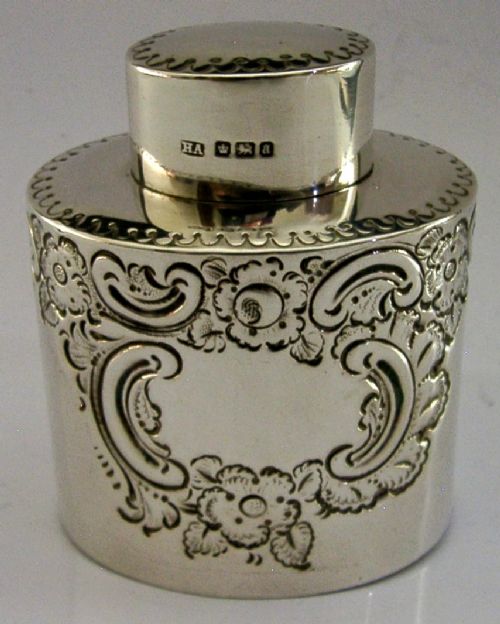
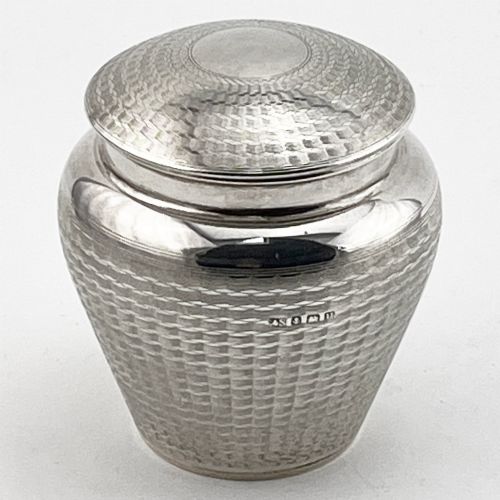
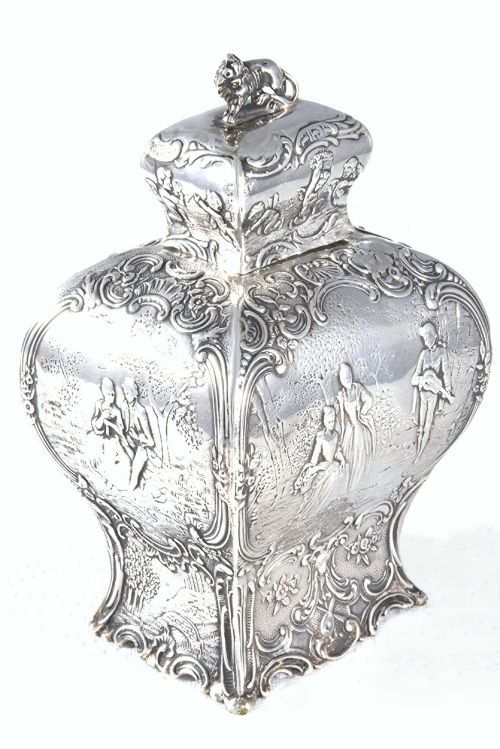
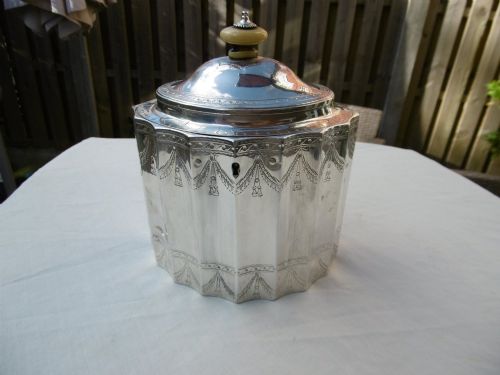
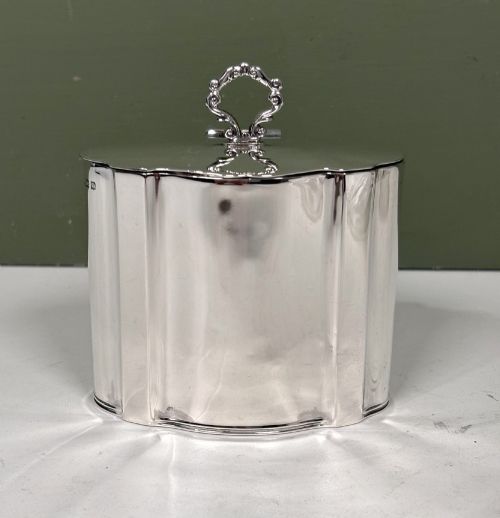
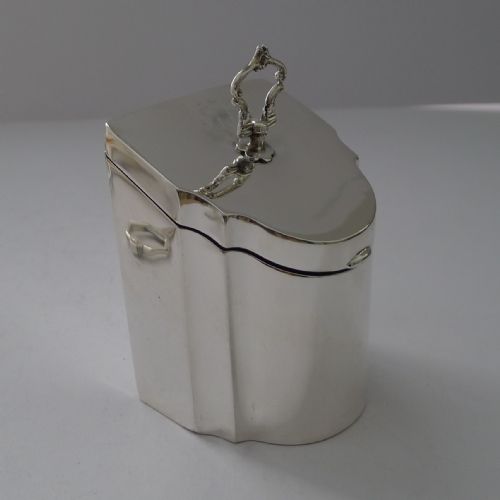
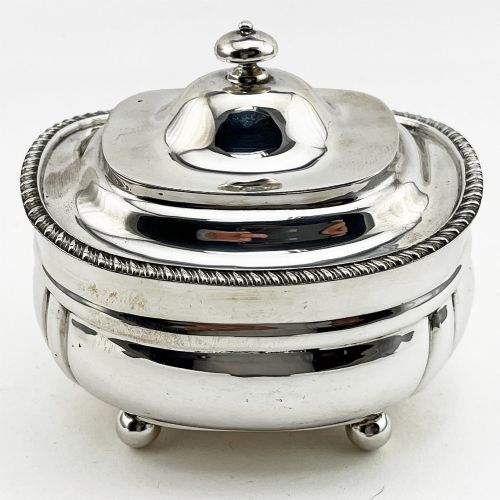
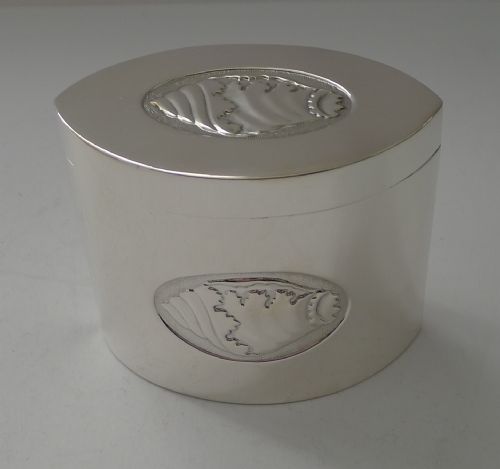
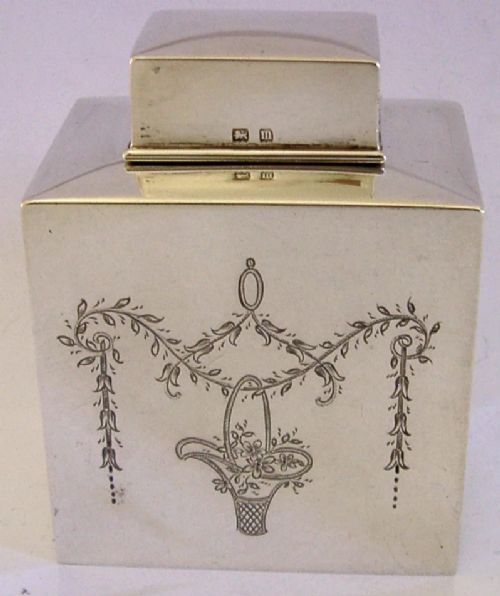
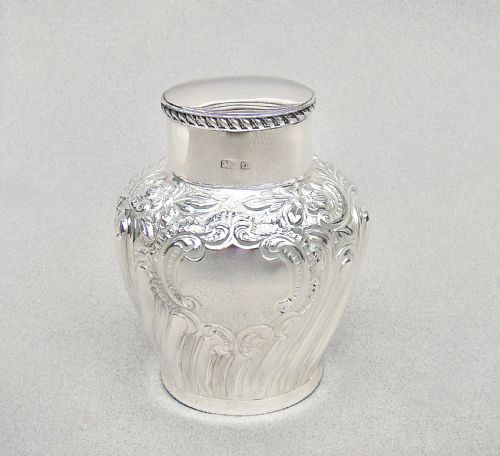
A sterling silver tea box, commonly called a tea caddy, is a small lidded vessel designed originally to store loose tea leaves away from dampness and light. The examples seen across these records range from simple domestic canisters to ornate bombe forms and knife-box shapes dating from the eighteenth century through the Edwardian era and into the Art Deco period.
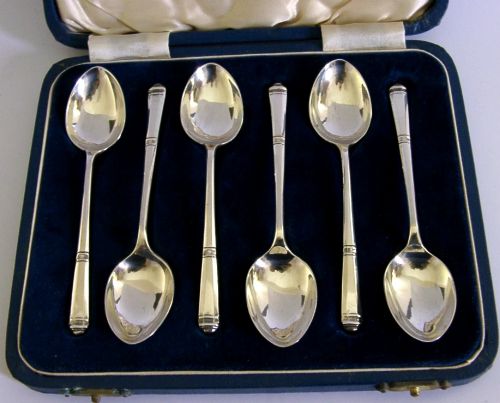
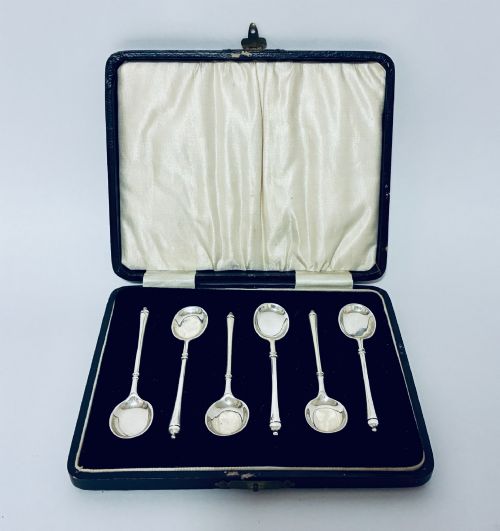
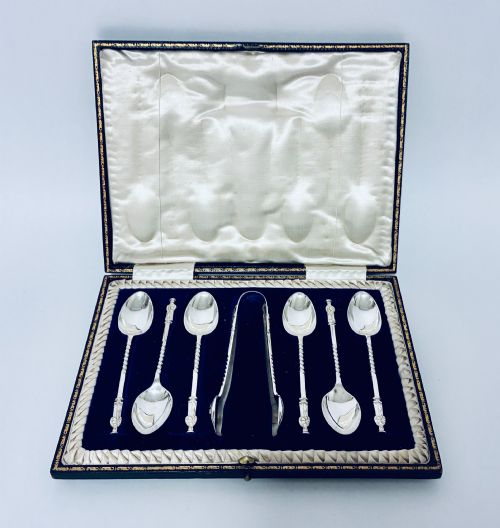
Most pieces met on this page belong to the late Victorian and Edwardian periods, alongside George V and later twentieth-century iterations. While many survive as standalone containers, makers also produced related dining silverware including spoon sets, biscuit boxes, and butter knives.
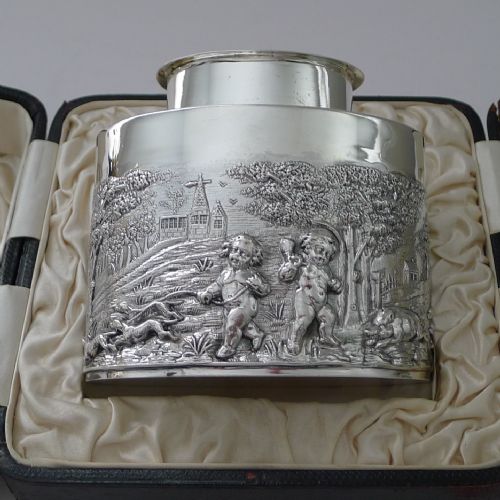
Makers occasionally shaped these boxes with hinged lids, internal partitions, or specific hallmarks corresponding to assay offices in London, Birmingham, and Chester. Collectors also encounter variations featuring embossed cherubs, fluted bodies, or plain polished surfaces intended for domestic display and daily use.
How they were made
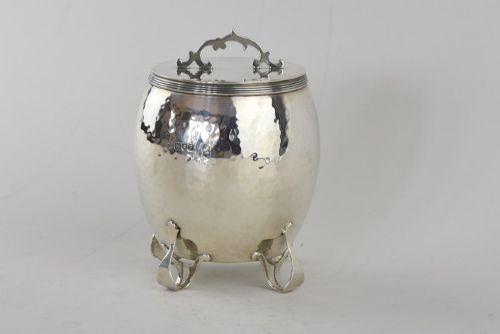
Silversmiths constructed these boxes using sterling silver sheet, shaped by hand-raising, spinning, or pressing before soldering the seams. Many period pieces incorporate hammered surfaces characteristic of the Arts and Crafts movement or smooth panels designed to show off bright-cut engraving and maker marks.
Interiors frequently retain remnants of their original lining materials, including velvet, silk, satin, or leatherette, which protected delicate contents and cushioned the close-fitting lids. Ebonised wood elements and enamel details occasionally appear on later twentieth-century items, adding contrast to the bright metal exterior.
Listings feature sterling silver tea boxes spanning from the Georgian period through the Edwardian era and into the nineteen-forties.
What varies in quality
The weight of the metal and the thickness of the silver gauge dictate the substance and physical durability of a caddy. Heavier boxes resist denting and distortion better than lighter stamped alternatives, offering a more satisfying tactile experience when lifted.
Precision in construction separates ordinary production from superior work. Crisp hinge action, tight lid alignment, clear hallmarks, and well-executed hand ornamentation or chasing indicate a higher standard of workshop output.
Charles Edwards London·Robert Hennell·Thomas Hayes·William Hutton and Sons·Ernest Druiff and Co
The Sterling Silver Tea Box Glossary
- Sterling silver
- An alloy consisting of ninety-two point five percent silver by mass, with the remainder composed of copper or other metals to improve hardness.
- Hallmark
- An official stamp applied by an assay office to indicate the purity of the metal, the maker, and the year of production.
- Bombe
- A swollen or bulging profile characteristic of certain continental and Victorian decorative arts and furniture forms.
- Gauge
- The thickness of the sheet metal used to form the body of the box, influencing overall weight and rigidity.
- Chasing
- A metalsmithing technique where a design is hammered into the front surface of the metal from the outside to push the pattern into relief.
Sterling Silver Tea Box: Frequently Asked Questions
What is a tea caddy?
A tea caddy is a dedicated container built to hold loose tea leaves securely. Early forms protected expensive tea from moisture and air.
Over time, these vessels evolved into decorative metal boxes displayed prominently on dining tables and sideboards.
How do I date a silver caddy?
Assay office hallmarks stamped onto the metal provide the exact year of production and the city where testing occurred. Maker marks and stylistic cues help confirm the period.
Comparing the box shape against known Victorian, Edwardian, or Georgian design trends narrows down the manufacturing decade.
Were these boxes only for tea?
While manufactured for tea storage, many pieces served alternate domestic duties as trinket boxes or dressing table containers. Some larger versions held biscuits or sugar.
Their secure lids and fitted interiors made them versatile containers for valuable household items.
How do I care for silver boxes?
Regular dusting with a soft cloth maintains the natural lustre of sterling silver. Avoid harsh chemical dips that strip away desirable patination.
Keeping the interior lining dry and free from dampness preserves delicate velvet or silk components.