

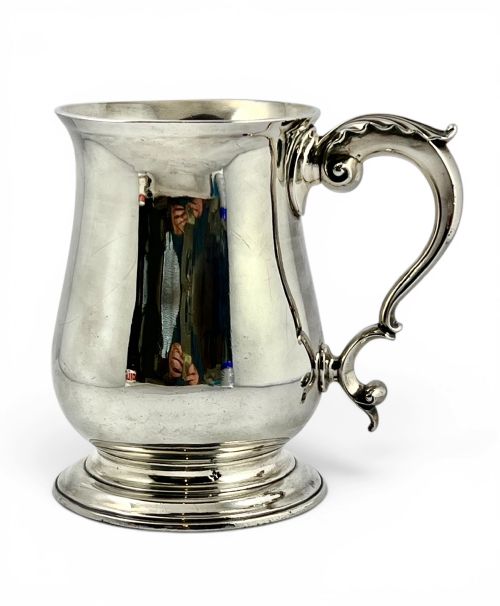


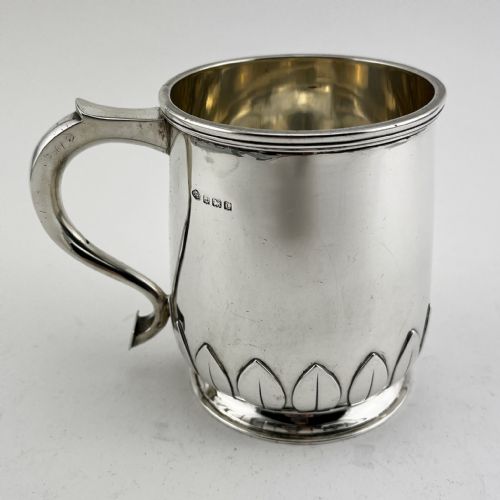


Antique Silver Beer Vessel
An antique silver beer vessel is a sturdy drinking container designed for ale and stout, offering a tangible connection to historical dining customs.
Antique Silver Beer Vessel
When you search for an antique silver beer vessel, you encounter a range of heavy drinking vessels spanning several centuries. The selection includes solid sterling silver pieces alongside durable plated items.
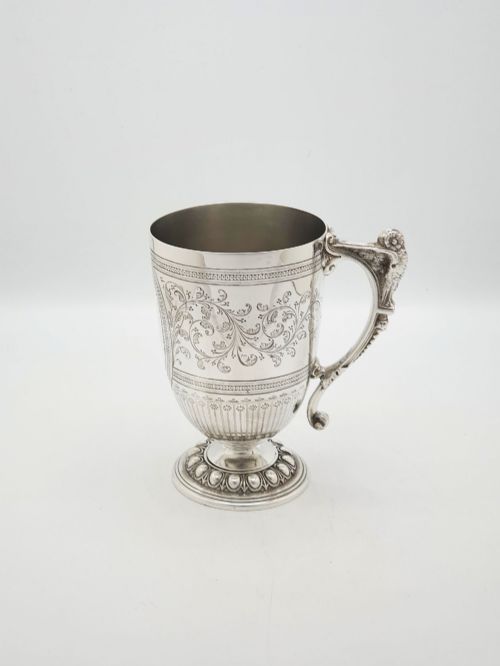
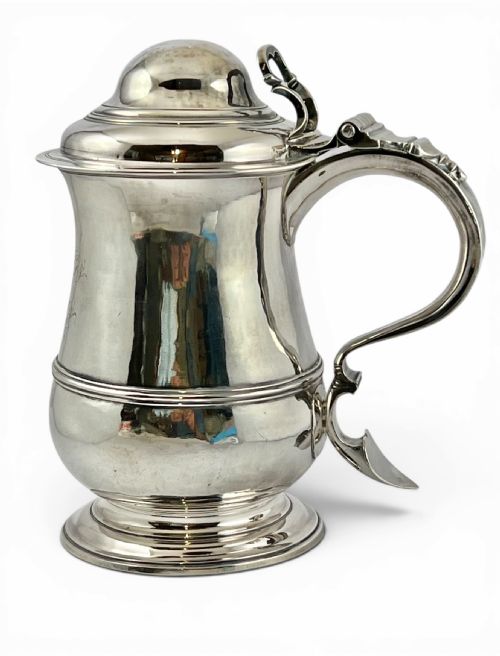
Tankards and mugs dominate the offerings, often featuring lids or handle details such as owls. These pieces originate from the Georgian era through to the mid-twentieth century.
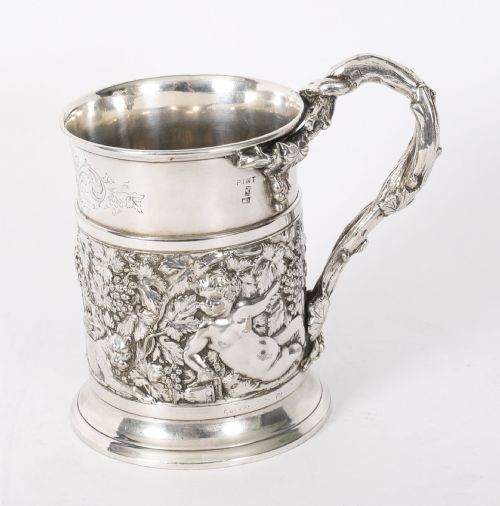
Makers produced both pint and quart capacities for domestic and tavern use. Collectors meet forms ranging from plain bodies to heavily embossed surfaces.
Materials and construction
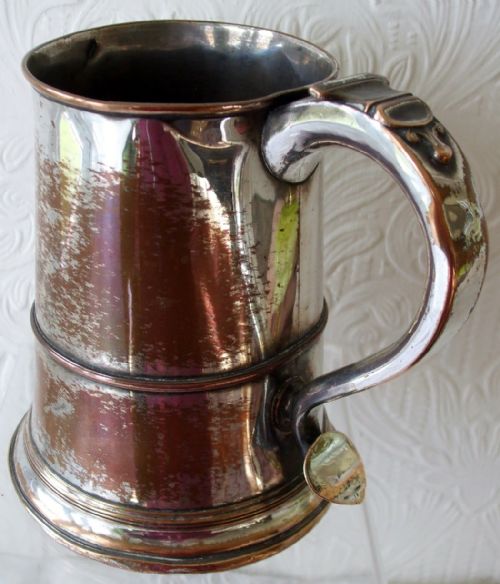
Silversmiths constructed primary vessels using sterling silver or copper fused with silver in Old Sheffield plate techniques. Makers also utilised silver plate on base metals.
Craftsmen shaped the bodies through hammering and soldering, adding applied handles and hinged lids where specified by the design. Engraving and embossing provided surface ornamentation.
Factors determining quality
The weight of the metal and the crispness of the chasing separate standard items from finer works. Solid sterling silver pieces command attention for their substantial heft compared to plated alternatives.
Maker marks and clear hallmarks indicate provenance and assay origin, adding authority to the piece. The survival of original gilding on the interior also distinguishes superior examples.
John Payne·William Grundy·Richard Morton·G R Collis
The Antique Silver Beer Vessel Glossary
- Tankard
- A tall drinking vessel with a single handle, frequently fitted with a hinged lid. They are historically associated with ale consumption.
- Old Sheffield Plate
- A composite material made by fusing a thin sheet of silver to a thicker copper core. This technique was widely utilised before modern electroplating.
- Hallmark
- A series of official marks stamped on precious metals indicating the standard of purity and the assay office. These marks also record the year of manufacture and the maker.
- Embossing
- A decorative technique where the design is raised from the reverse side of the metal by hammering. It creates tactile relief patterns on the body of the vessel.
- Quart
- An imperial unit of capacity equivalent to two pints. Large historical drinking vessels often adhere to this specific volume.
Antique Silver Beer Vessel: Frequently Asked Questions
How do I clean an antique silver beer vessel?
Wash the vessel gently using warm water and mild soap, drying it immediately with a soft cloth. Avoid abrasive pastes that might remove thin silver plating or historical patina.
Store the item in a dry environment away from direct sunlight and damp conditions to prevent tarnishing.
Can I drink beer from these vessels today?
Many solid sterling silver and silver-plated containers remain structurally sound for beverage consumption. Ensure the interior is clean and free from harmful residues before use.
Take care with pieces that feature delicate hinges or historical repairs, as modern acidic drinks may affect aged metals.
What is the difference between a tankard and a mug?
A tankard traditionally includes a hinged lid and a sturdy handle, designed to keep contents covered during bustling gatherings. Mugs share the cylindrical body and handle but lack the top cover.
Both forms served ale and beer in homes and taverns across the Georgian and Victorian periods.
How do I identify a Georgian silver beer vessel?
Look for crisp, official hallmarks stamped into the metal, which record the assay office and date letter for the eighteenth century. Georgian pieces often display restrained lines or classical proportions compared to later Victorian ornamentation.
Weight and construction methods also reflect the hand-wrought traditions of eighteenth-century silversmithing.