






18th Century Pint Mug
These 18th century pint mug pieces bring solid silver, Old Sheffield plate, pewter, copper, and porcelain directly to your table.
18th Century Pint Mug
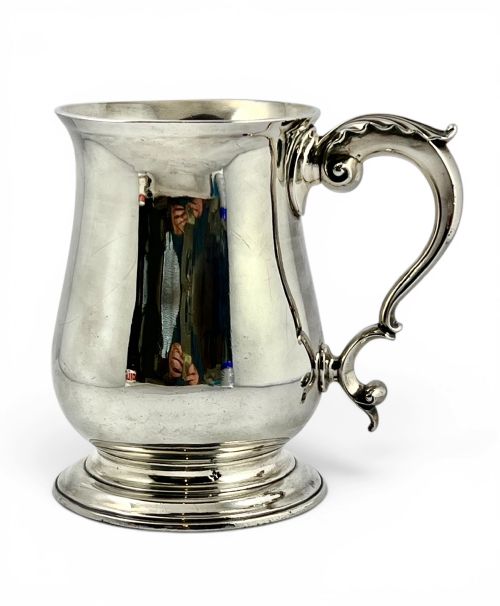
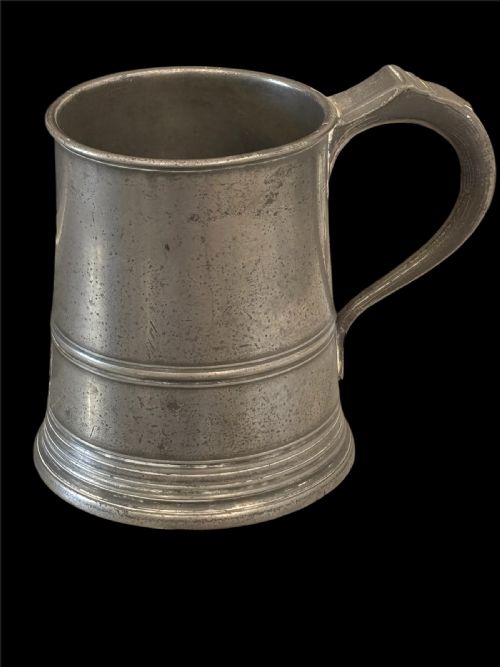
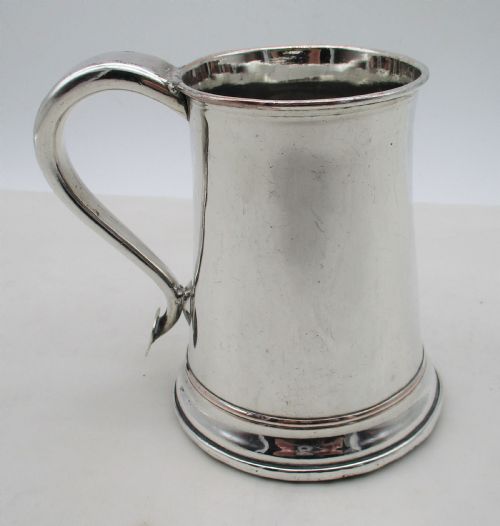
An 18th century pint mug spans robust tavern vessels and refined Georgian drinking pieces fashioned from sterling silver, solid silver, and Old Sheffield plate. You will encounter straightforward pewter flagons alongside delicate Chinese export porcelain mugs.
The domestic drinkware takes the form of tankards, flagons, and handled mugs spanning the Georgian period and the late 18th century. Many pieces carry the hallmarks of London, Newcastle, or Bristol workshops.
The heavier metal examples served substantial daily use in homes and public houses, while the porcelain and plated items occupied more formal dining spaces. Each piece reflects the beverage culture of the 1700s through distinct regional manufacturing styles.
What varies in quality
The substance of the metal separates standard utility vessels from premier examples, with heavier gauge silver and thick Old Sheffield plating holding their integrity better over centuries. Crispness in London or provincial hallmarks indicates a workshop of higher standing.
Surface preservation dictates value, particularly in plated items where the underlying copper shows through heavy wear. For porcelain, the depth and vibrancy of the hand-painted enamels distinguish superior export work from simpler output.
A Scottish market pewter flagon from 1720 demonstrates that 18th-century drinkers appreciated a sturdy lid to keep tavern dust out of the ale.
William Grundy·Richard Morton·Burgum And Catcott·George Smith II
The 18th Century Pint Mug Glossary
- Flagon
- A large drinking vessel with a handle and often a lid, typically associated with pewter or silver domestic and tavern use. These pieces often feature flat or dome lids.
- Old Sheffield Plate
- A composite material made by fusing a thin sheet of silver to a thicker copper base. This technique preceded modern electroplating and produced durable tableware.
- Baluster
- A vase-shaped architectural form with a swelling lower portion, frequently seen describing the graceful profile of silver handles and mug bodies.
- Famille Rose
- A palette of opaque rose-pink enamel colours introduced to Chinese porcelain production during the Qing Dynasty. It adorns export mugs made for the European market.
- Flat-Lid
- A hinged cover sitting flush on top of an early drinking vessel, characteristic of English pewter flagons produced in the earlier part of the century.
18th Century Pint Mug: Frequently Asked Questions
How do I clean silver and pewter mugs?
Wash silver and pewter gently in warm soapy water using a soft cloth, then dry thoroughly with a lint-free towel. Avoid harsh commercial abrasive pastes that remove the historic surface.
Old Sheffield plate requires particular care to protect the thin silver layer over the copper base. Store these items in a dry environment to prevent tarnishing.
Were these mugs actually used for drinking?
These vessels were built for daily consumption of ale, beer, and other beverages in homes and public houses. Solid silver and pewter versions handled heavy everyday service.
Porcelain and fine plated items sat on formal dining tables for display and genteel hospitality. Their robust handles and sturdy bases suited practical handling.
How can I tell the age of a silver tankard?
English silver carries official hallmarks including maker's marks, city assay office symbols, and date letters that pinpoint the exact year of production. London and Newcastle markers appear frequently.
Pewter and Old Sheffield plate rely on maker's touchmarks, style evolution, and construction methods like flat or dome lids to suggest a decade.
What is Old Sheffield plate?
Old Sheffield plate is an early fusion material created by melting a sheet of sterling silver onto a copper ingot before rolling them together. This produced an affordable alternative to solid silver.
You can often spot the thin copper seam along the rim or edges where the base metal shows through years of gentle polishing.