
Antique Silk Rug
Discover the intricate artistry of an antique silk rug, prized by collectors for its luminous pile, delicate botanical motifs, and rich textile heritage.
Antique Silk Rug
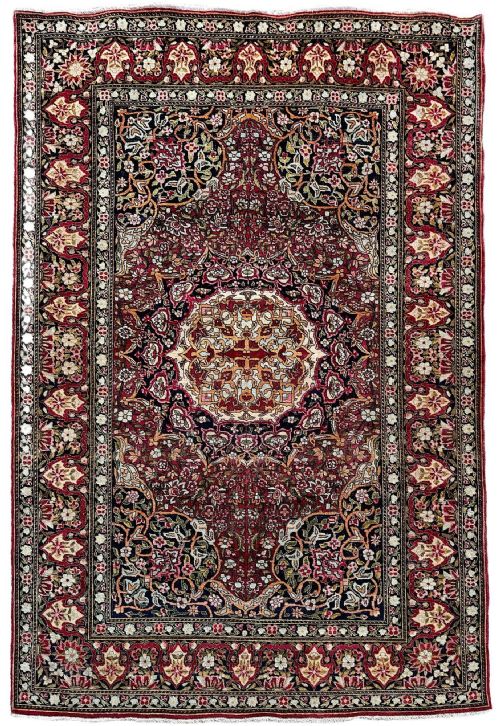
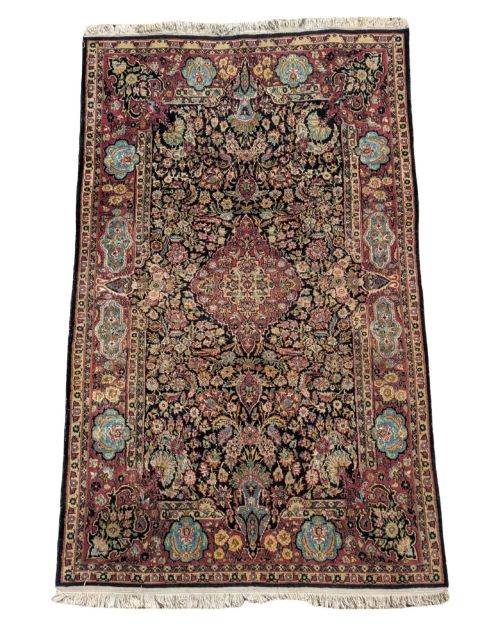
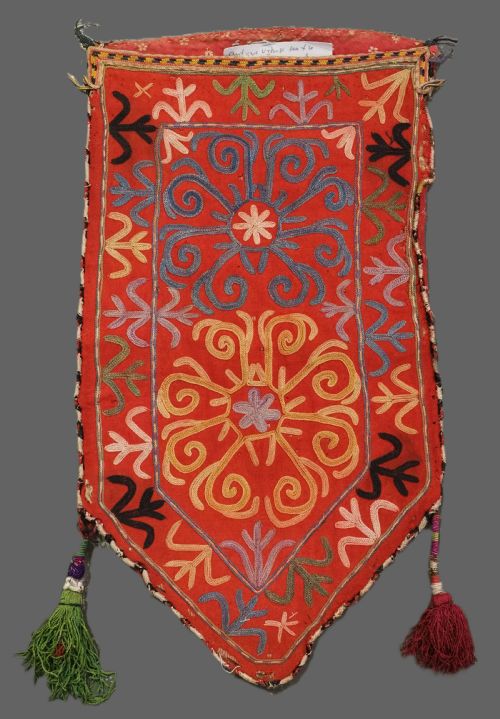
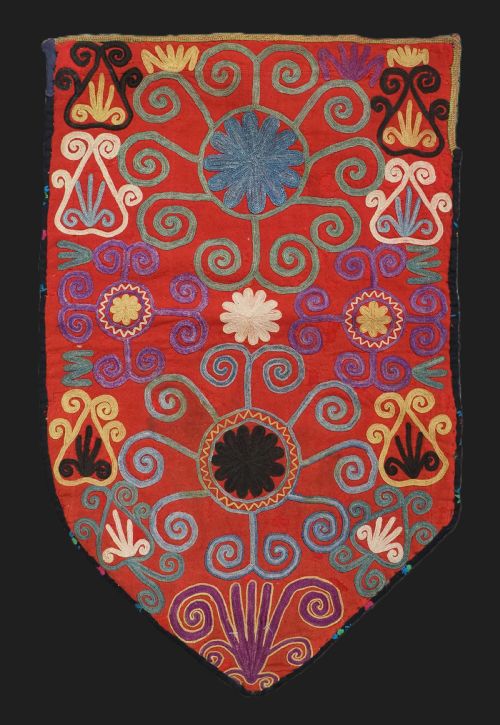
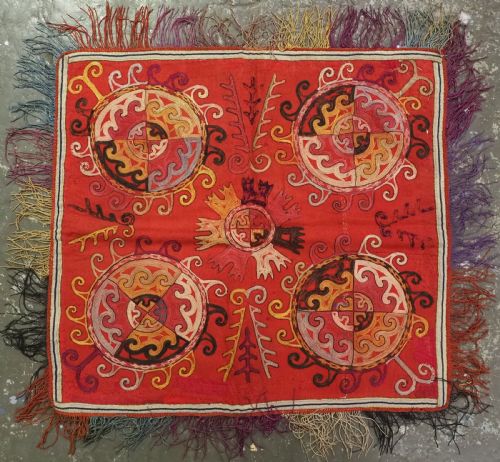
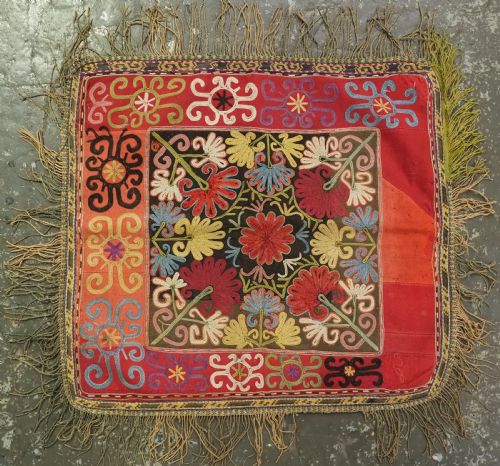
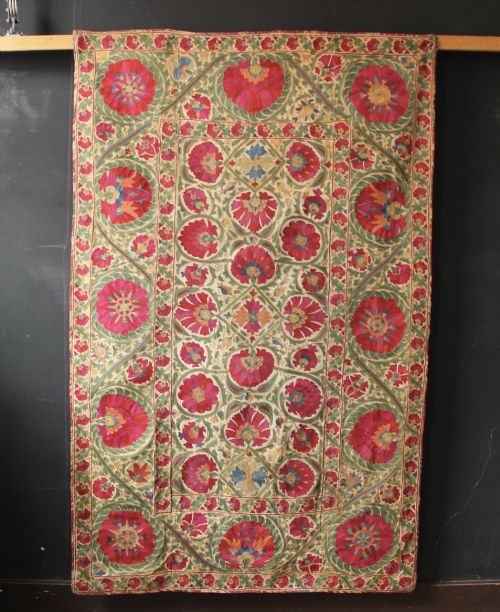
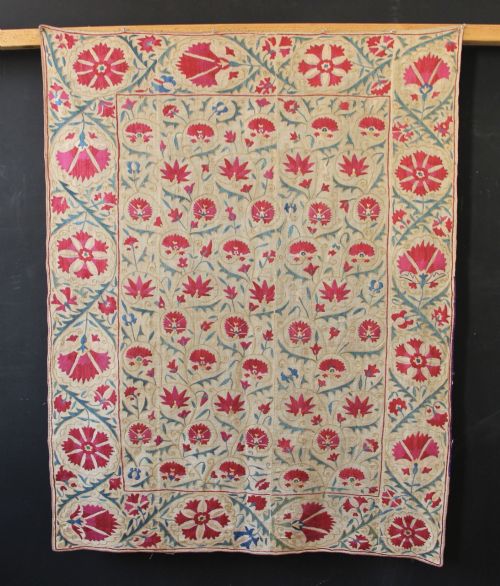
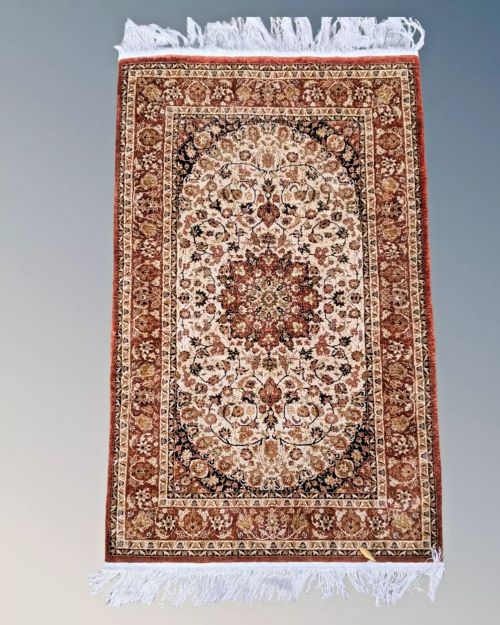
An antique silk rug encompasses finely knotted pile carpets and embroidered wall hangings originating from historic weaving centres across Persia, Anatolia, Central Asia, and India. Buyers searching this phrase encounter both formal city workshop carpets featuring intricate floral medallions and vibrant tribal embroideries created as dowry pieces or ceremonial furnishings.
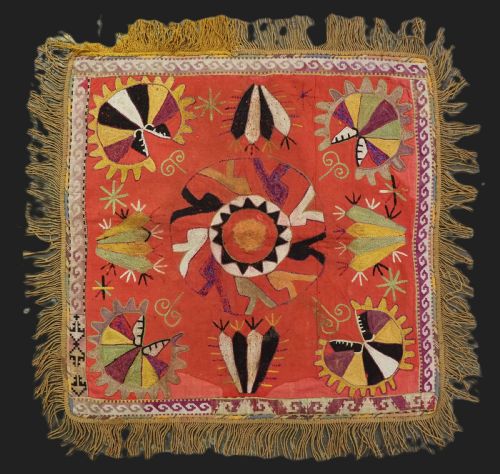
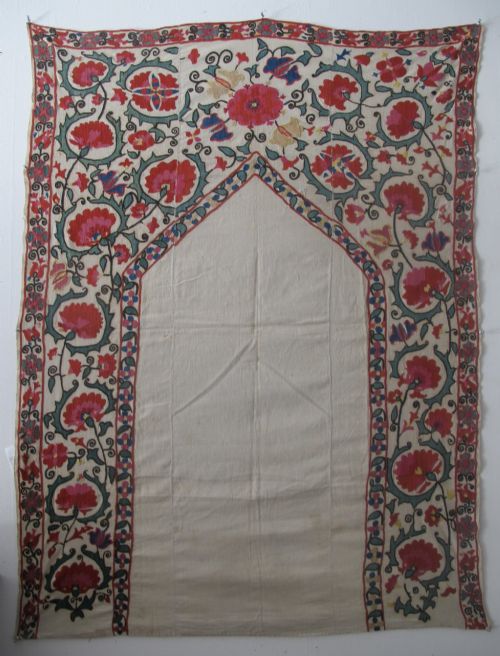
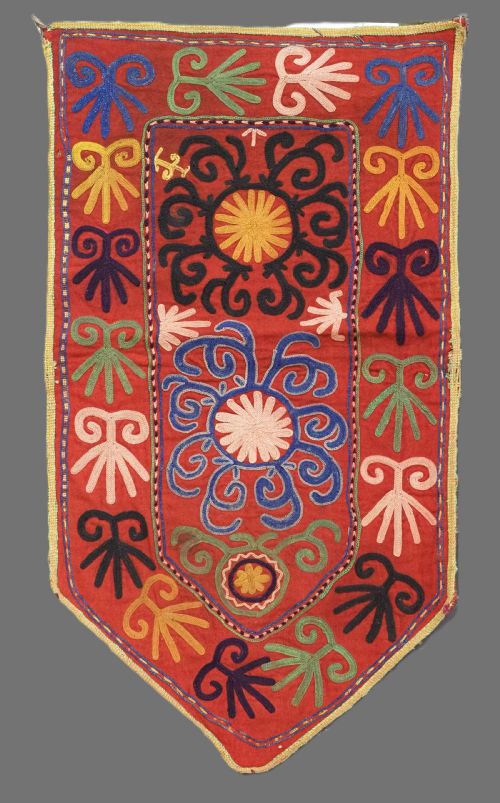
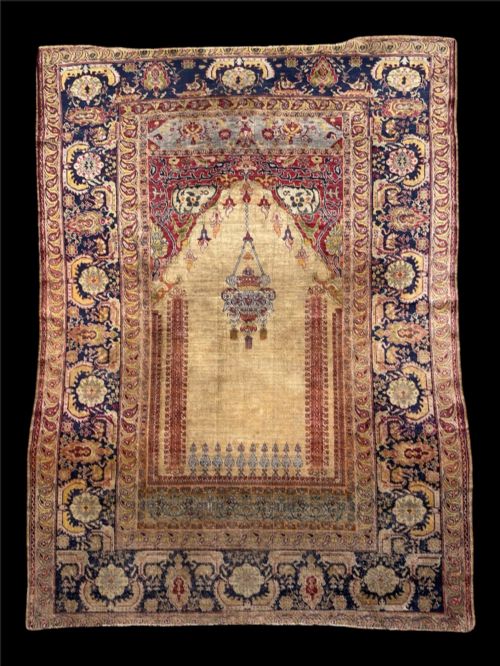
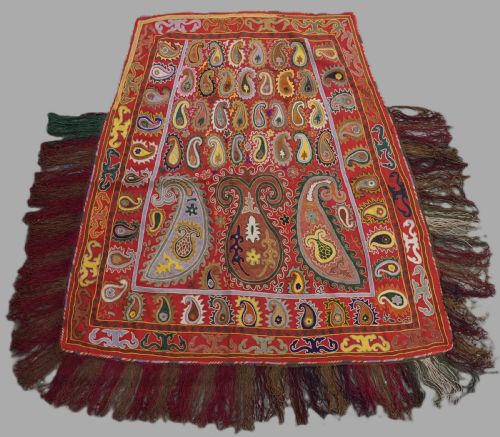
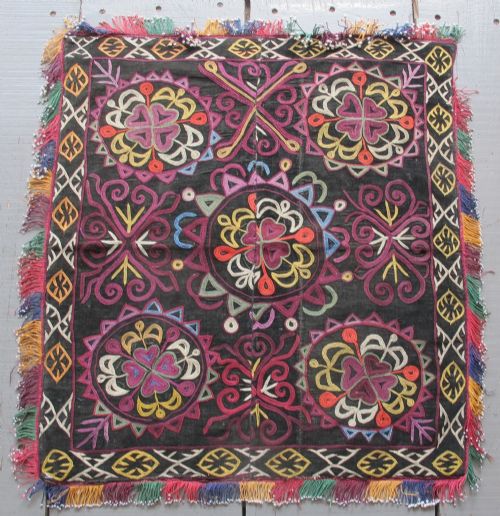
The selection ranges from finely woven Isfahan, Tabriz, and Ghom room-size carpets to smaller Central Asian suzanis, prayer rugs, and saddle covers adorned with silk highlights. Many surviving examples date from the nineteenth and early twentieth centuries, reflecting diverse regional aesthetics from Ottoman court designs to nomadic Uzbek tribal traditions.
How they were made
These textiles rely on high-grade natural materials, combining lustrous silk pile or embroidery thread with sturdy cotton or wool foundations to ensure structural stability. Weavers and embroiderers utilised vegetal dyes to achieve deep palettes, incorporating metallic threads or wool felts in specific regional types.
The construction methods vary from asymmetric and symmetric hand-knotting on vertical looms to dense needlework embroidery executed on silk, velvet, or adras fabric panels. Specialised techniques such as supplementary weft float weaving and intricate pile clipping defined the textures of workshop and tribal pieces alike.
Several nomadic horse covers survived primarily because they were too precious for daily riding duty.
What varies in quality
The distinction between ordinary and exceptional examples rests upon knot density, precision of drawing, and the integrity of the material. Superior pieces display finely articulated curvilinear patterns or crisp tribal geometries executed with uniform hand-spun silk that retains its natural sheen.
Depth of dye saturation and the complexity of the composition also determine rank within the medium. Master-weaver workshop carpets exhibit sophisticated pictorial narratives or balanced medallion layouts, whereas finer nomadic embroideries demonstrate exceptional needle control across dense field arrangements.
The Antique Silk Rug Glossary
- Suzani
- An embroidered tribal wall hanging or textile from Central Asia, typically worked in silk thread on a cotton or linen ground. These panels were traditionally stitched as part of a bride's dowry.
- Ikat
- A dyeing and weaving technique where the warp or weft threads are tie-dyed before mounting on the loom to create distinctive feathered pattern edges. Semi-silk adras fabrics frequently utilise this method.
- Prayer rug
- A small carpet featuring a mihrab or arch design indicating the direction of prayer, often produced in Anatolia and Persia. These formats frequently incorporate tree of life or column motifs.
- Torba
- A small storage bag produced by Turkmen and other nomadic tribes, often featuring intricate geometric face designs with silk highlights. They originally served practical functions inside nomadic dwellings.
- Pile
- The dense, vertical surface of a knotted carpet formed by the cut ends of thread tied around the warp yarns. The height and tightness of this layer dictate the handling and durability of the rug.
Antique Silk Rug: Frequently Asked Questions
How were antique silk rugs used historically?
Nomadic and village communities utilised these textiles primarily for dowry displays, wall hangings, ceremonial horse covers, and domestic furnishings. Urban workshop carpets served as floor coverings and status symbols in formal reception rooms.
Many smaller formats functioned as personal prayer mats or protective coverings for mirrors and bedding rather than heavy-traffic floor rugs.
How do I care for an antique silk rug?
Protect delicate silk fibres by keeping the textile away from direct sunlight, which fades natural dyes over time. Gentle vacuuming without a rotating brush helps remove dust without stressing the foundation.
Professional textile conservation cleaning is recommended for addressing deep soiling or structural weakness. Avoid placing heavy furniture directly on delicate pile areas.
How can I tell regional styles apart?
Regional attribution relies on identifying specific design vocabulary, colour palettes, and structural techniques unique to weaving centres. Persian workshops favor intricate curvilinear florals and central medallions, while Anatolian pieces often incorporate prayer arches and pictorial hunting scenes.
Central Asian tribal items, such as Lakai and Uzbek embroideries, display bold asymmetric motifs, vibrant silk highlights, and distinctive stitching on local fabric grounds.
What is the difference between a rug and a suzani?
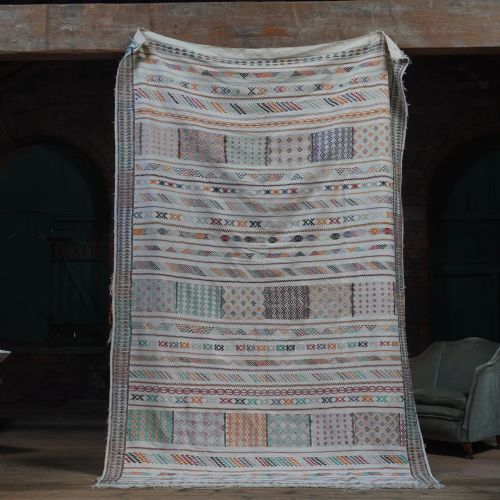
A rug is constructed using a knotted pile or flatweave technique on a foundational warp and weft grid. A suzani is fundamentally an embroidery, created by stitching silk threads onto an existing woven fabric ground.
While both share cultural origins in Central Asia and decorative purposes, their creation methods and textural qualities differ entirely.