
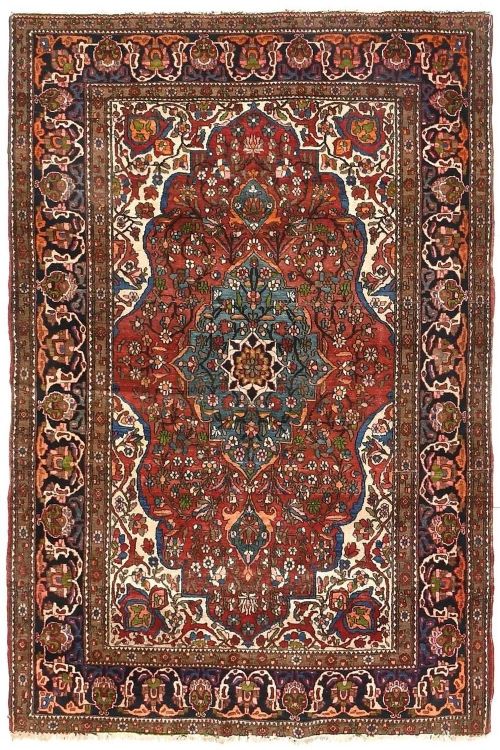


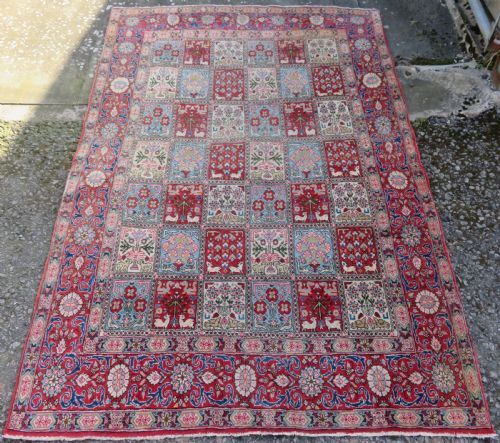

Silk Area Rug
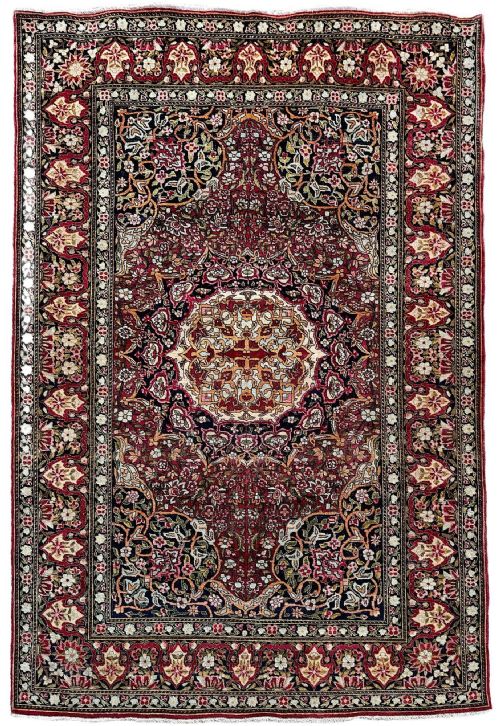
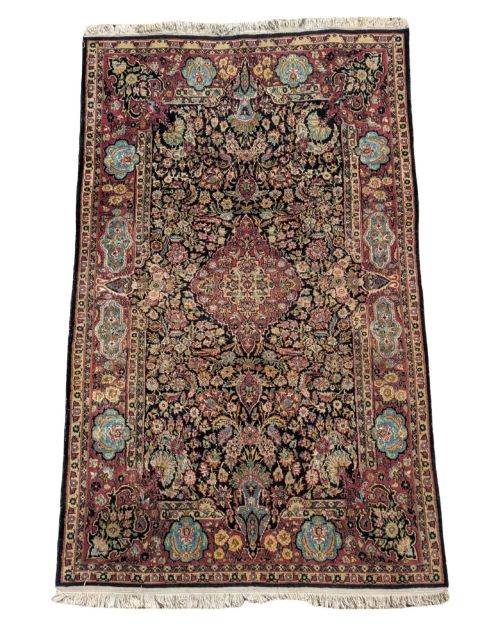
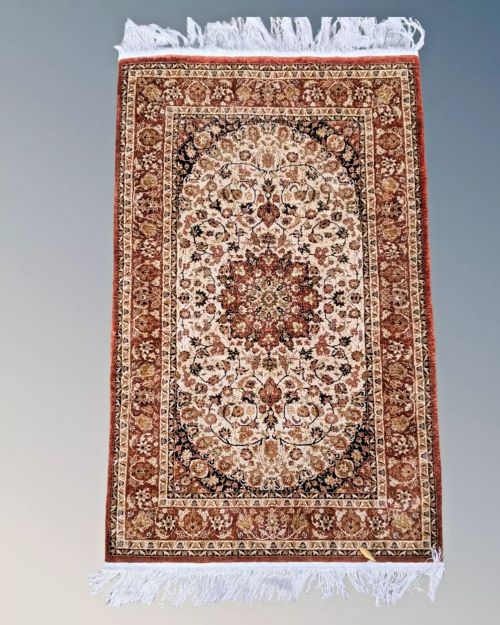
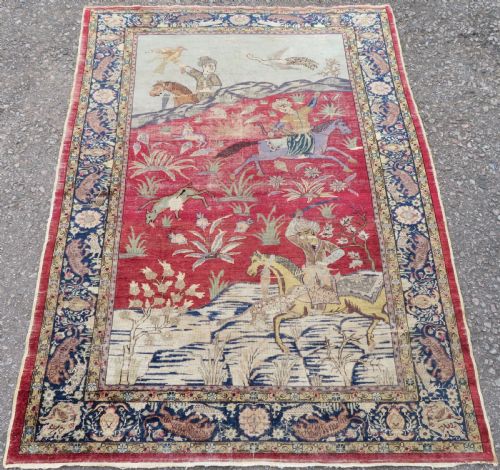
These silk area rug examples bring intricate pictorial designs and soft lustrous piles straight into a room from centres such as Persia, Turkey, China and Kashmir.
Silk Area Rug
A silk area rug is a woven floor covering constructed largely or partially from silk, frequently originating from traditional weaving centres like Isfahan, Qum, Kayseri, Kashan and Tabriz. When searching for a silk area rug, buyers encounter diverse regional styles including Persian medallion layouts, Turkish prayer designs, Chinese floral compositions and Kashmiri oriental motifs.
The pieces available span from the early nineteenth century up through the nineteen-thirties, showing both full silk constructions and hybrid foundation methods. Rugs and carpets appear in formats ranging from small prayer sizes to large room carpets with detailed tile or hunting patterns.
How they were made
Makers constructed these textiles by hand knotting fine materials onto foundations of silk, cotton or wool. Silk yarns provide the characteristic lustrous pile, while floss silk and mercerised cotton or art silk appear in specific regional weaves.
Some examples utilise lambswool on silk foundations or incorporate cotton and wool elements alongside crimson silk details. Artisans executed complex repeat floral patterns, pictorial hunting scenes and small medallion designs through meticulous manual weaving techniques.
Listings feature traditional origins including Persia, Turkey, China and Kashmir, spanning the nineteenth century and the nineteen-thirties.
What varies in quality
Quality in these textiles rests upon the density of the weave and the purity of the materials utilised by the workshop. Very fine weaves demonstrate exceptional precision in rendering intricate pictorial scenes, tile patterns and medallion outlines.
The choice of foundation materials, such as a pure silk foundation versus a mixed cotton structure, influences the drape and resilience of the finished textile. Furthermore, the depth of colour and the subtlety of pastel tones separate standard decorative pieces from finer collector examples.
The Silk Area Rug Glossary
- Foundation
- The underlying structure of warp and weft threads that supports the knotted pile. In finer pieces, this foundation consists of pure silk rather than cotton or wool.
- Prayer rug
- A small format textile featuring a mihrab or niche design historically oriented towards Mecca during daily prayers. These often display specialised arches and floral lamps.
- Highlights
- Accents woven in contrasting materials or colours, such as silk details set against a wool background. They catch the light to emphasise specific motifs within the design.
- Kelleh
- A long, rectangular format of carpet traditionally suited to specific room proportions in Persian and regional interiors. They often display elongated central medallions.
- Chuval face
- The flat-woven or knotted face of a large storage bag produced by nomadic and tribal groups. These pieces frequently incorporate distinctive tribal guls and contrasting silk elements.
Silk Area Rug: Frequently Asked Questions
How do I clean a silk area rug?
Professional specialist cleaning is essential for silk pile textiles to prevent water damage and dye migration. Vacuum gently without a rotating brush bar to protect the delicate fibres.
Avoid household cleaning agents and moisture, as silk loses strength when wet. Consult a textile conservator for any significant maintenance or restoration work.
Can I place these rugs in high traffic areas?
Silk area rugs suit low traffic rooms, drawing rooms or bedrooms where the delicate pile and fine weave receive minimal friction. Heavy footfall can wear down the lustrous fibres prematurely.
Consider placing them away from direct sunlight and heavy furniture legs to preserve the structural integrity and surface sheen over decades of enjoyment.
How do I identify a Qum rug?
Qum rugs originate from the holy city south of Tehran and typically feature exceptionally fine knotting with intricate floral, garden or tile patterns. They frequently employ a dense silk pile on a silk foundation.
Examining the reverse reveals the fine resolution of the design, where clear outlines and complex medallion layouts indicate the urban Persian workshop origin.
What is an art silk rug?
An art silk rug incorporates synthetic or chemically treated cellulosic materials like mercerised cotton designed to mimic the appearance and lustre of natural silk. These alternatives offered a softer sheen at a different production level.
Checking the fibre burn characteristics and tactile crispness helps distinguish true silk from art silk variants found in early twentieth century production.