

Vintage Silk Rug
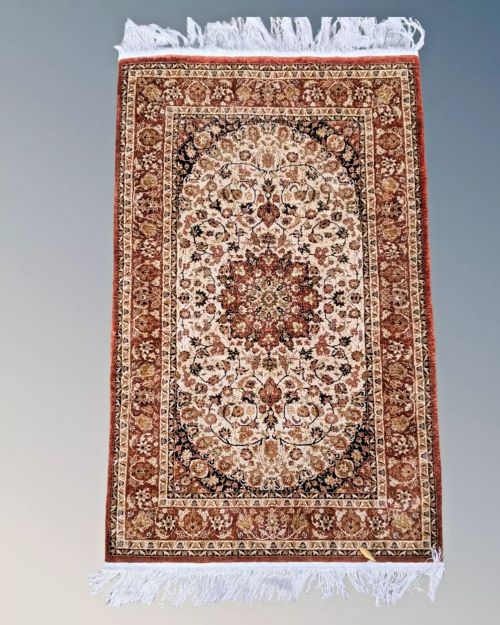
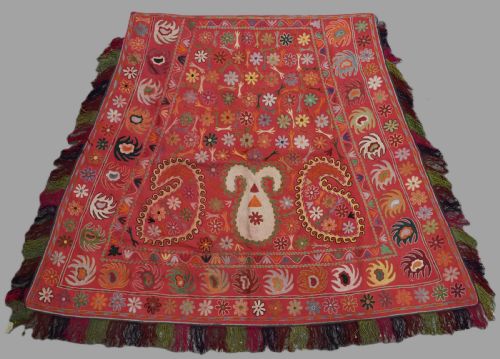
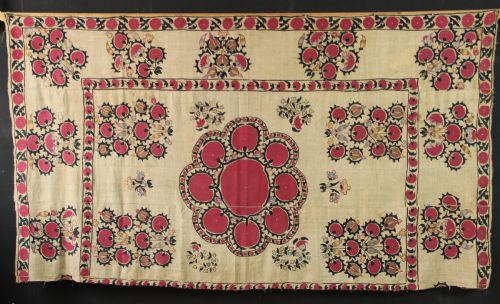
A vintage silk rug brings tactile depth and intricate Central Asian, Persian, or Moroccan artistry to an interior through fine woven or embroidered textiles.
Vintage Silk Rug
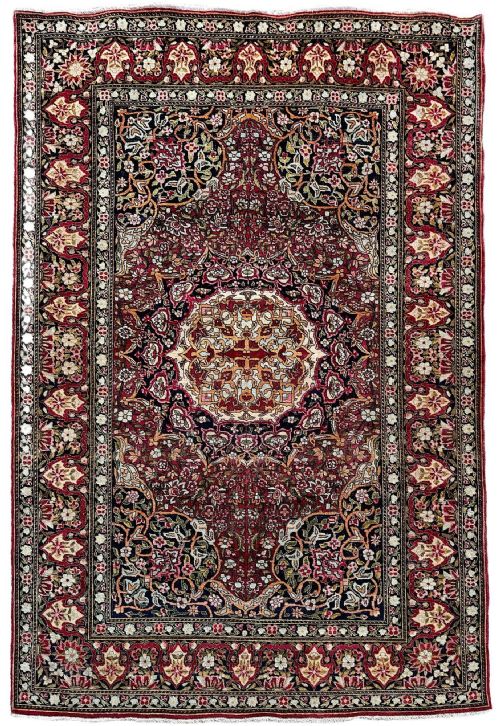
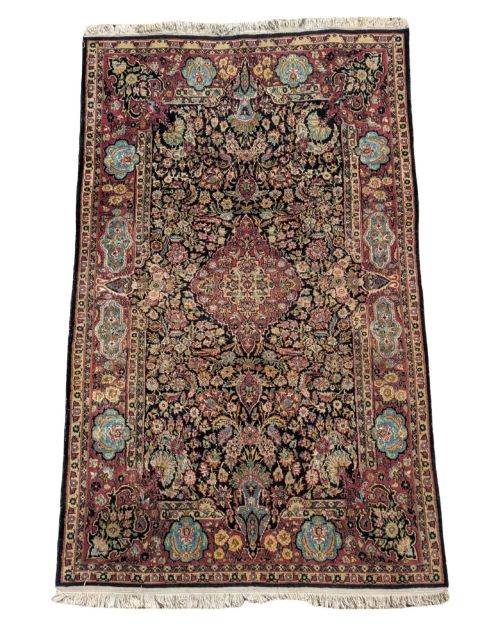
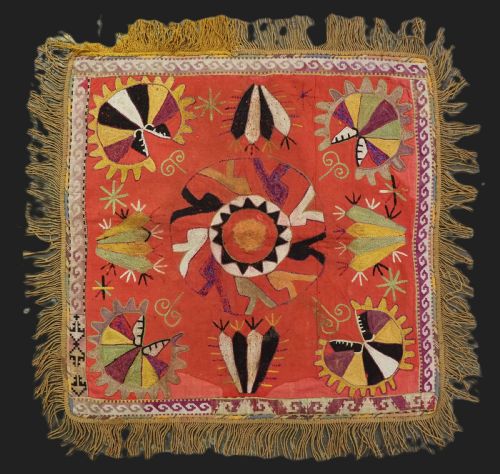
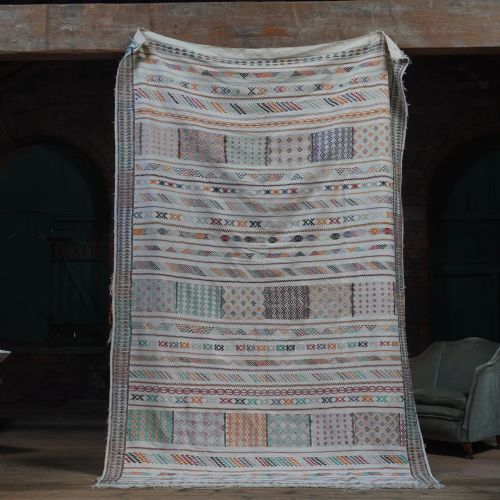
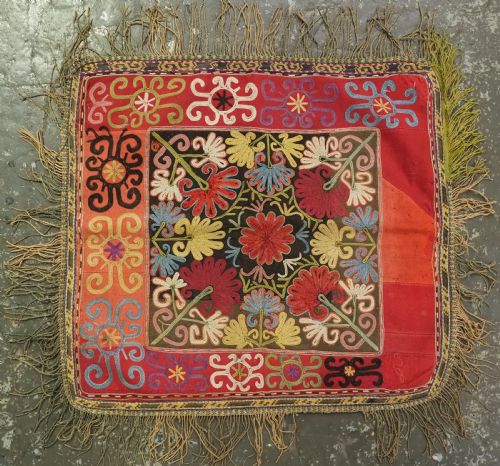
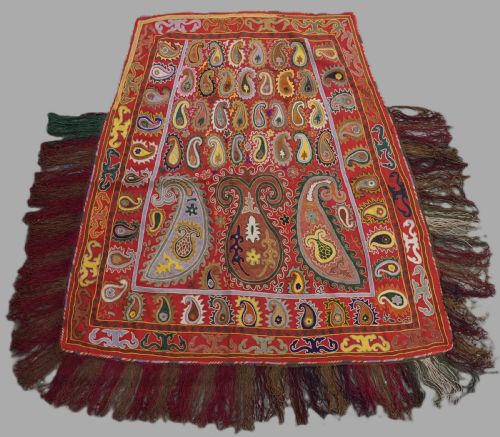
Forms vary from ceremonial horse covers and bed covers to rectangular floor carpets and elongated wall hangings. Pieces originate primarily from workshops and nomadic communities across Uzbekistan, Persia, Kashmir, and Morocco, reflecting traditional regional motifs and textile techniques.
How they were made
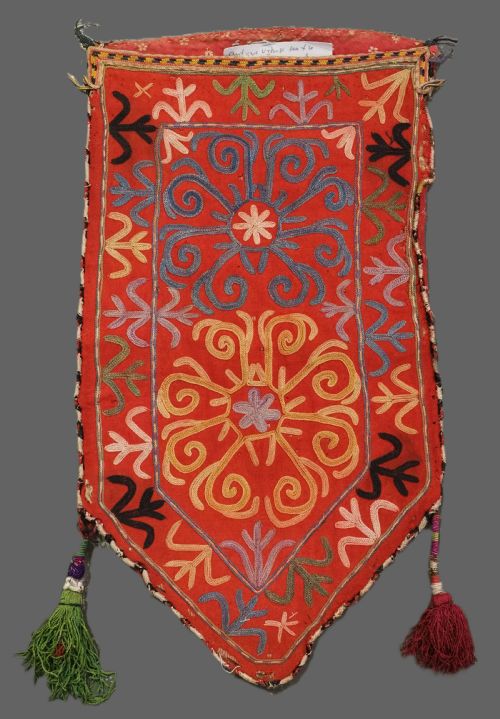
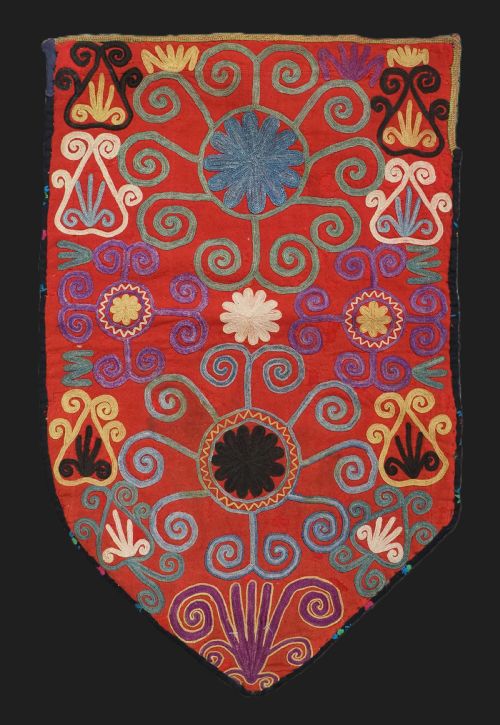
Materials recorded in the evidence centre around pure silk, silk thread, and semi-silk adras, often combined with wool, cotton, velvet, felt, or sabra cactus fibre grounds. Artisans employed hand-knotting, flat-weaving, and intricate embroidery techniques, such as silk-on-silk stitching or felt applique work.
Many items incorporate mixed media foundations, pairing a stout wool or cotton backing with luminous silk highlights to create texture and contrast. Dyes and fibres were gathered locally, resulting in organic colour palettes applied to tribal panels and floral medallion designs.
Several embroidered horse and saddle covers remind us that early nineteenth-century steeds dressed far better for ceremonies than most humans ever do.
What varies in quality
Quality rests upon the density of the weave or embroidery, the precision of the needlework, and the complexity of the traditional design. Superior examples display tightly worked silk threads that maintain structural integrity across the ground fabric.
The choice of foundation material and the harmony of the colour palette also dictate standard, where finer silk highlights and balanced regional motifs elevate the visual weight of the textile.
The Vintage Silk Rug Glossary
- Suzani
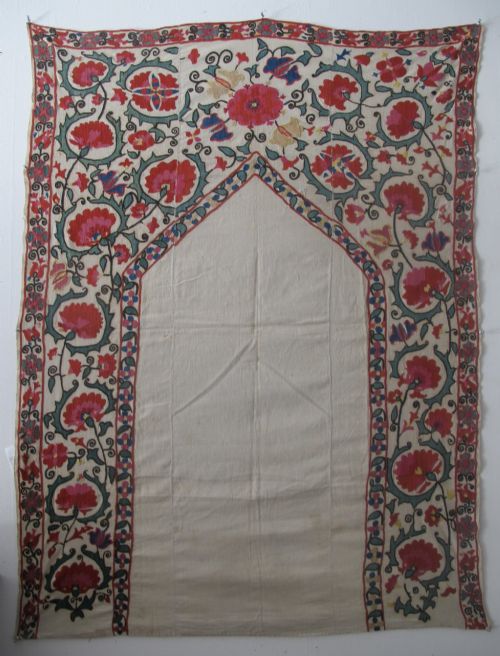
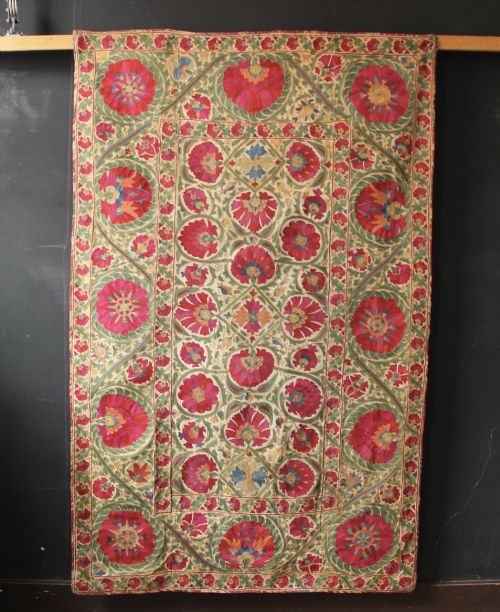
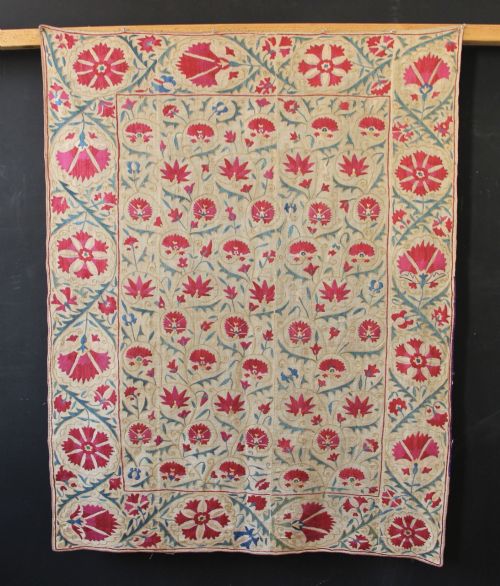
- An embroidered tribal textile originating from Uzbekistan and surrounding Central Asian regions, typically worked in silk on a cotton or linen ground. These large decorative hangings were traditionally made by brides as part of their dowry.
- Ikat
- A dyeing and weaving technique where yarns are tie-dyed before being woven into fabric, producing characteristic feathered pattern edges. Silk and semi-silk adras ikat panels are frequently found in Central Asian textile art.
- Lakai
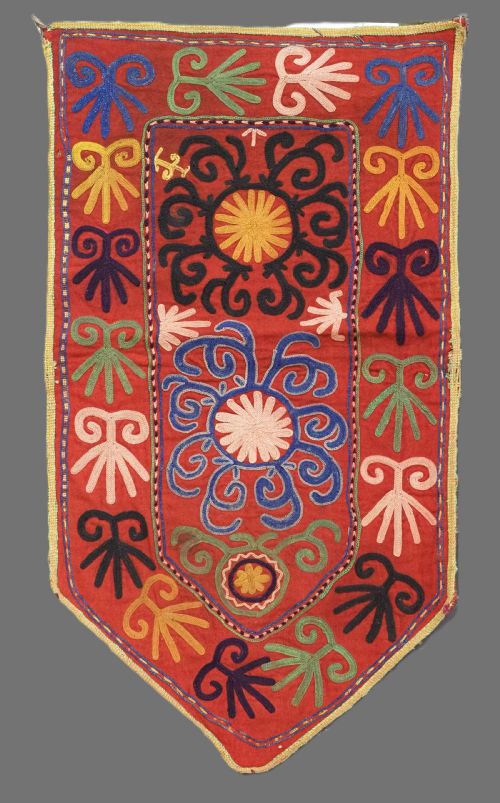
- A nomadic Turkic tribe in Central Asia known for dynamic, asymmetrical embroideries using bright silk threads. Their dowry items and horse covers often feature bold geometric forms and applique work.
- Torba
- A small storage bag or trapping produced by Turkic nomadic groups, frequently finished with rich embroidery or pile weaving. These pieces served both functional and decorative roles within a tent.
- Adras
- A traditional Central Asian fabric woven with a silk warp and a cotton weft. This mixed material combines the lustre of silk with the durability of cotton.
Vintage Silk Rug: Frequently Asked Questions
How were antique suzanis used originally?
Suzanis served primarily as ceremonial wall hangings, bed covers, and dowry items within Central Asian homes. Families displayed them during weddings and other significant domestic events.
Over time, these embroidered textiles became prized decorative elements for interiors, functioning as wall art or distinctive textile layers in a room.
What is the difference between a suzani and a knotted carpet?
A suzani is an embroidered textile where silk threads are stitched onto a pre-woven foundation fabric, whereas a knotted carpet is constructed by tying individual tufts of yarn directly onto a warp and weft grid.
Suzanis rely on needlework artistry and flat surfaces, while knotted carpets provide a dense, tactile pile designed specifically for floor placement.
How do I care for a silk textile or rug?
Keep delicate silk pieces away from direct sunlight to prevent the natural fibres and organic dyes from fading. Gentle vacuuming without a beater bar or professional textile cleaning helps preserve the pile and embroidery.
Rotating the textile periodically ensures even exposure to light and wear if placed in a high-traffic area or displayed on a wall.
How can I tell the region of origin?
Regional identity is revealed through specific design motifs, colour combinations, and embroidery stitches, such as the bold geometric applique of Lakai tribal pieces or the refined floral medallions of Isfahan and Tabriz carpets.
Ground materials also offer clues, with Central Asian pieces often featuring cotton or wool foundations paired with vibrant silk embroidery.