
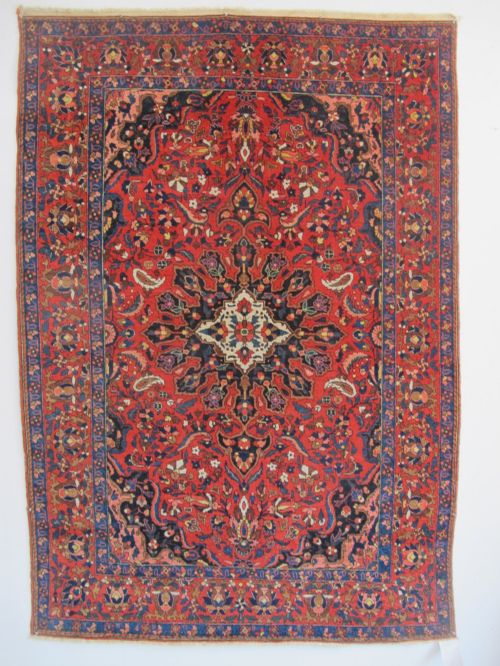
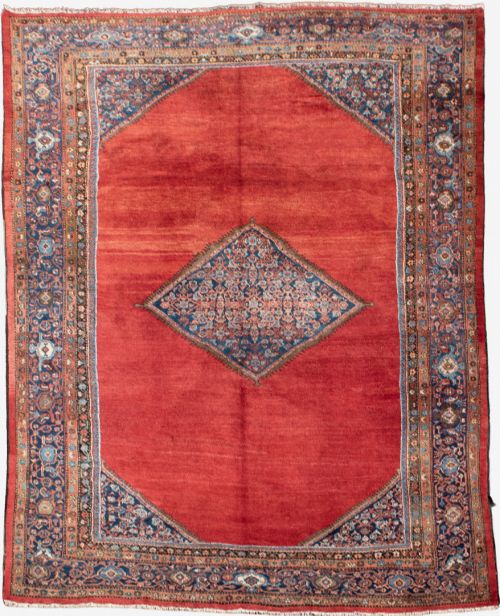
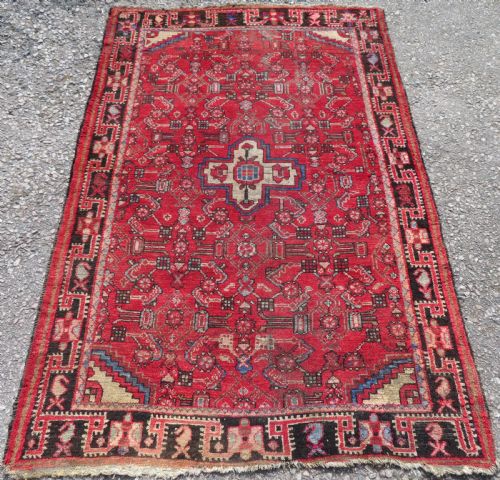
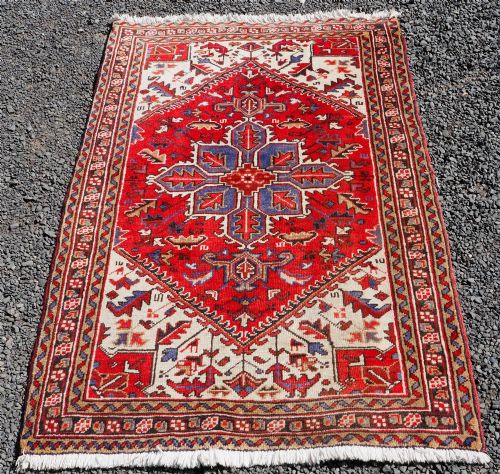
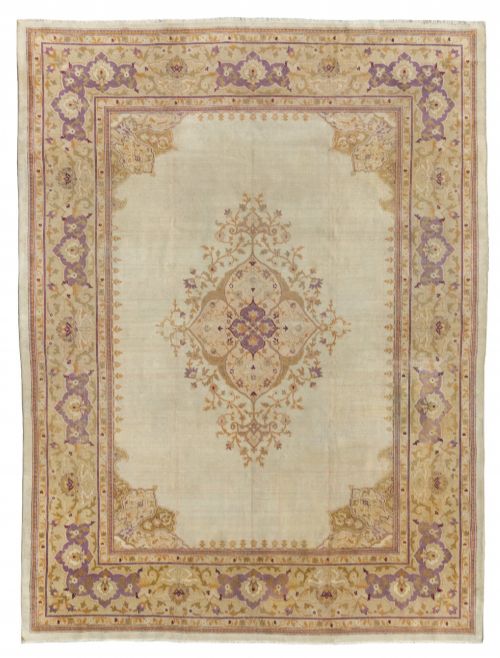
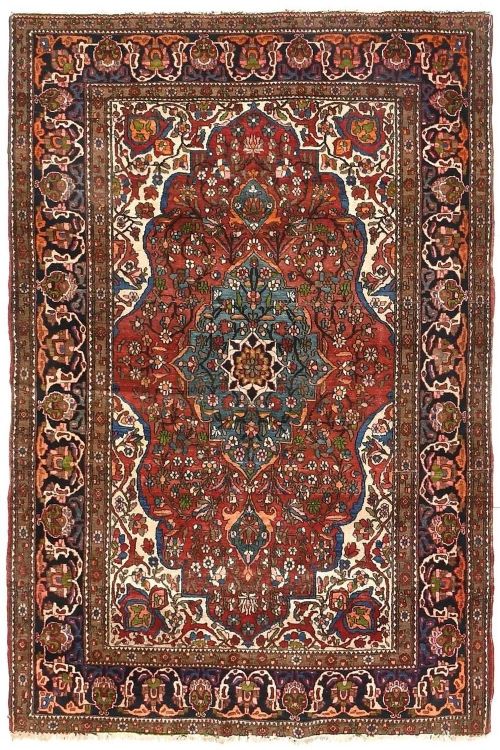
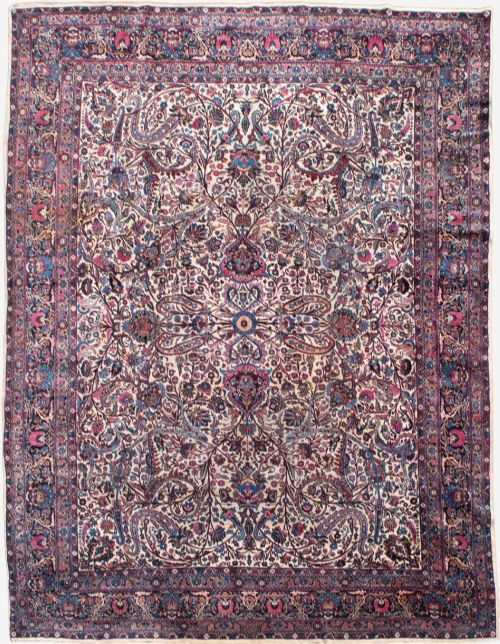
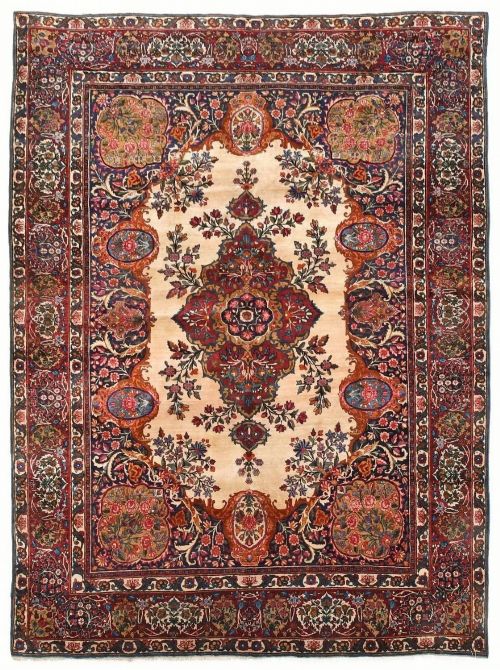
Oriental Rug Central Medallion
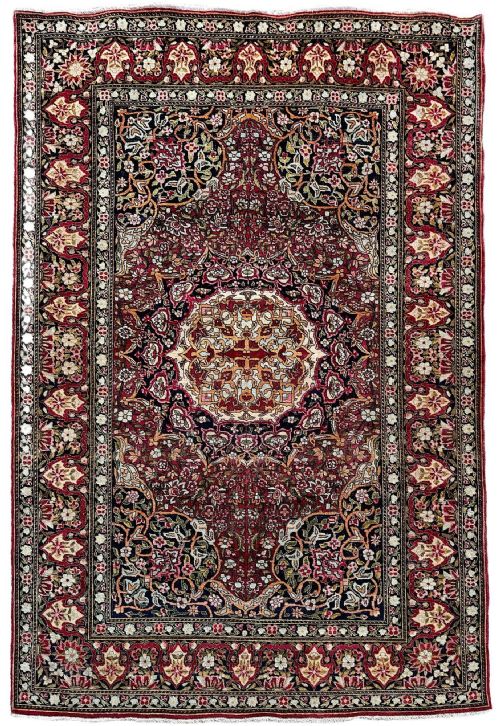
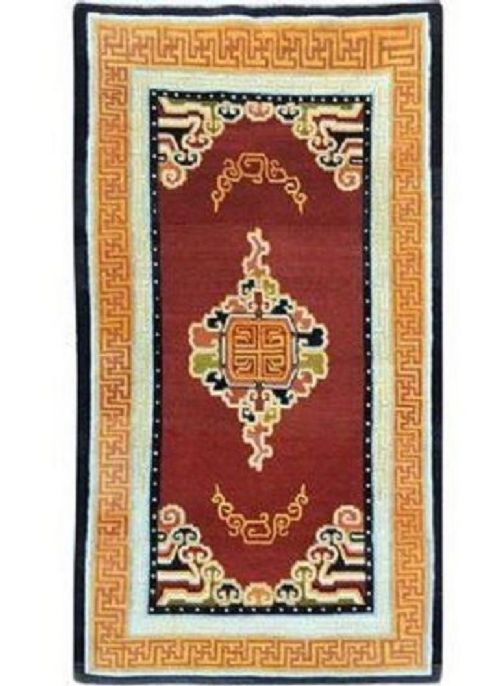
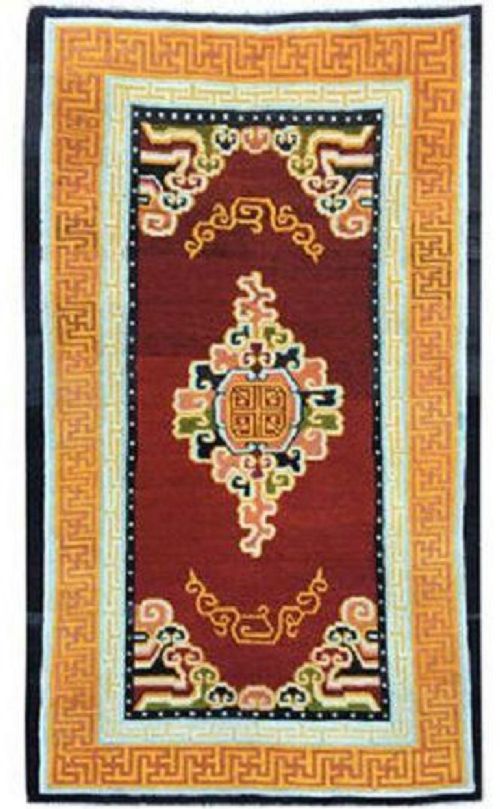
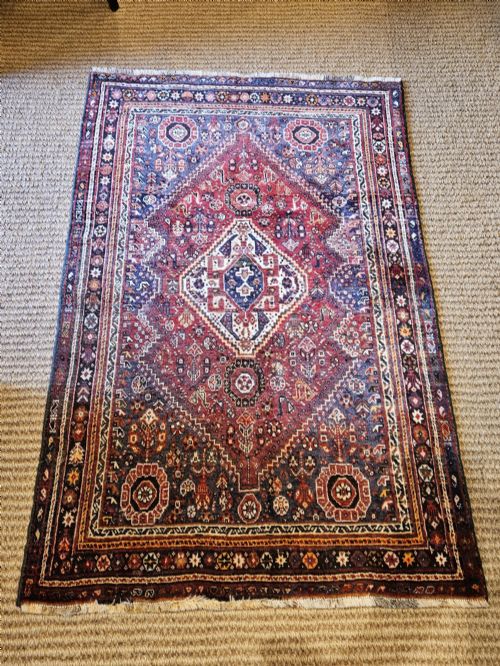
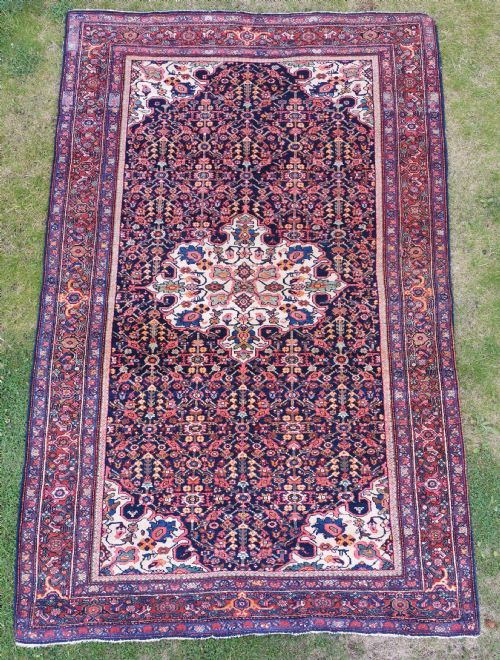
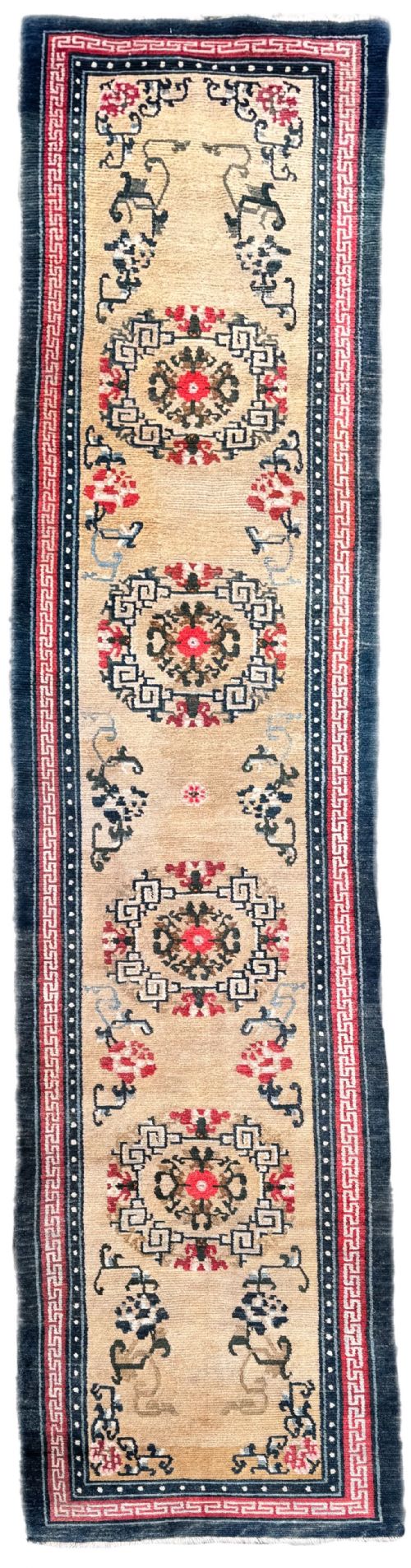
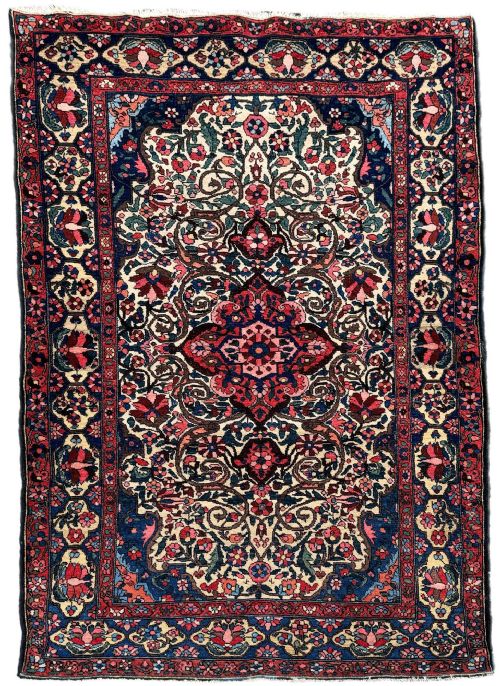
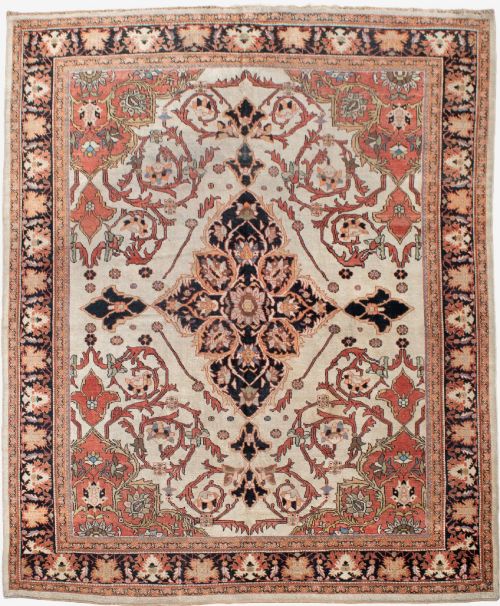
An oriental rug central medallion anchors a room with a striking focal point drawn from Persian and Tibetan weaving traditions.
Oriental Rug Central Medallion
These floor coverings centre on a prominent focal motif, drawing the eye naturally toward the middle of the composition. An oriental rug central medallion brings traditional Persian and Tibetan artistry directly into domestic spaces.
Buyers meet pieces originating from various regional weaving traditions, including Isfahan, Tabriz, Kirman, and Kashan. These floor coverings span from the late nineteenth century through to the early decades of the twentieth century.
Formats range from intimate area rugs and small square bag faces to substantial room-size carpets and elongated runner rugs. Wool forms the primary material, occasionally accompanied by silk.
Materials and construction
Weavers relied principally on natural wool, utilising cotton for structural foundations in many Persian pieces. Silk appears in select examples, yielding a finer pile and a distinct surface sheen.
Hand-knotting techniques dominate the construction across both Persian workshops and Tibetan village pieces. Natural dyes provided the foundational palette seen across the nineteenth and early twentieth-century examples.
Listings feature pieces spanning from 1880 through to 1930, originating from traditional Persian, Tibetan, and Anatolian weaving regions.
Distinctions in quality
Knot density and structural tightness dictate the crispness of the central medallion design. Tighter knotting allows for sharper geometric or floral delineation within the central motif.
The choice of materials shifts the character of the piece, with fine silk examples offering greater intricacy compared to robust wool counterparts. Wear and pile preservation also influence the overall integrity of the textile.
The Oriental Rug Central Medallion Glossary
- Medallion
- A symmetrical central design motif found in the middle of the field. This focal ornament anchors the entire decorative scheme.
- Pile
- The upright yarn loops that form the usable surface of the carpet. Pile height varies depending on the regional weaving traditions.
- Warp
- The vertical threads stretched lengthwise on the loom before knotting begins. These foundation threads support the entire structure.
- Weft
- The horizontal threads passed across the warp alternating with rows of knots. They bind the structure together firmly row by row.
- Bag face
- The decorative front panel of a utilitarian nomadic storage bag. These smaller textile pieces often feature central medallions.
Oriental Rug Central Medallion: Frequently Asked Questions
What is an oriental rug central medallion?
An oriental rug central medallion is a hand-knotted textile featuring a prominent focal ornament positioned directly in the middle of the field.
These pieces originate predominantly from Persian and Tibetan weaving centres dating from the late nineteenth century to the 1930s.
How do I place a runner rug?
Runner rugs suit narrow spaces such as hallways, corridors, and long entryways. Their elongated format helps guide movement through a home.
Position them centrally in the passage, leaving equal amounts of exposed flooring on either side.
Are these carpets made of wool?
The majority of these floor coverings utilise wool for the pile, often supported by cotton foundations. Wool provides durability for everyday foot traffic.
Selected finer pieces incorporate silk to create a softer pile with distinct reflective qualities.
How do I date an older carpet?
Dating relies on stylistic markers, structural materials, and regional weaving characteristics recorded from periods such as the nineteenth century and the 1920s or 1930s.
Examining the natural dyes and the tightness of the hand knotting also helps establish the era of production.