
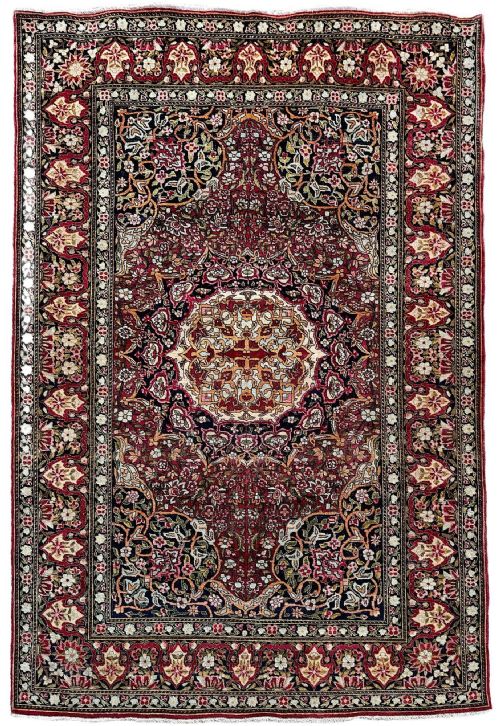
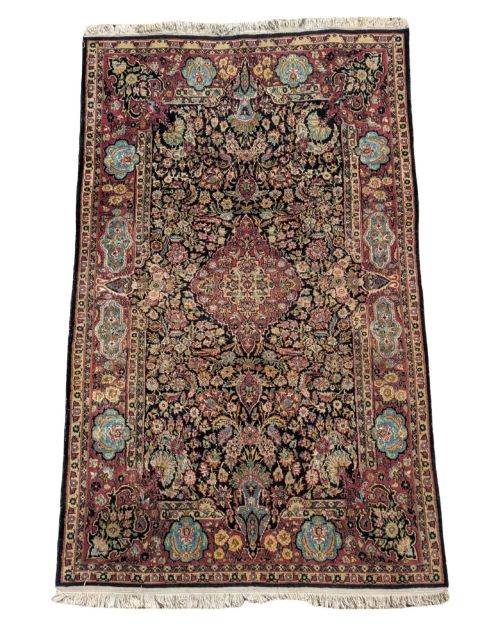
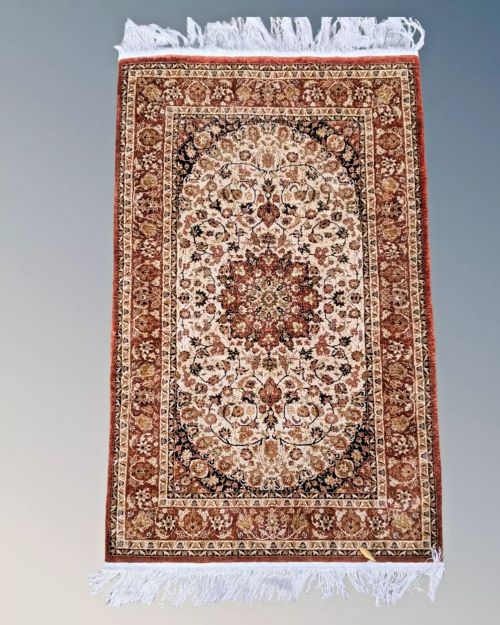
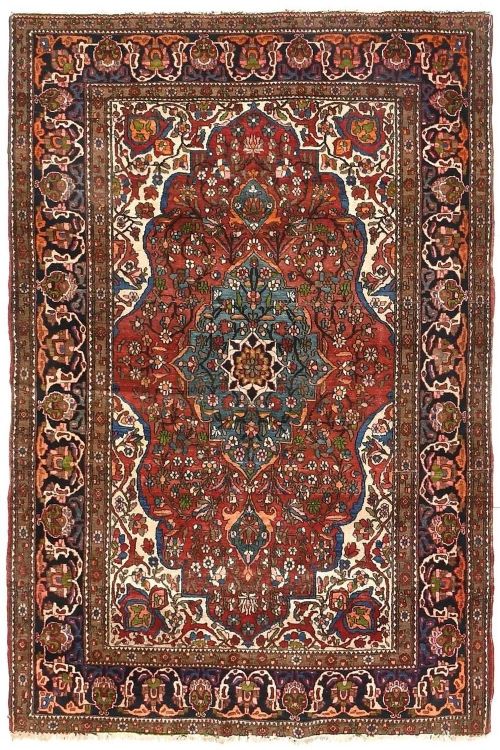


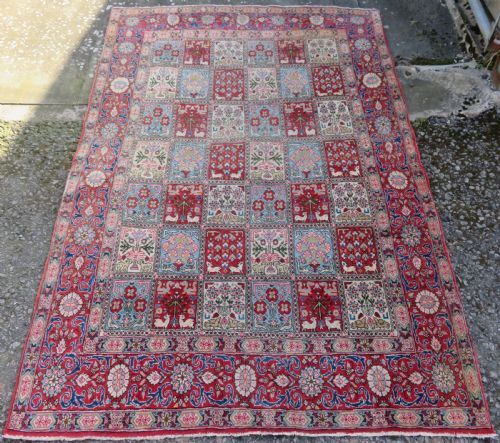


Persian Silk Area Rug
These persian silk area rug pieces offer fine woven craftsmanship and intricate patterns that bring traditional elegance to any floor space.
Persian Silk Area Rug
A persian silk area rug brings together centuries of weaving heritage and delicate material work into a single floor covering. When you search for this phrase, you encounter pieces designed with intricate medallions, tile patterns, and prayer designs.
The pieces on this page span several decades from the mid-nineteenth century through the early twentieth century. You are most likely to meet Qum rugs and Isfahan carpets alongside Kashmiri and Kashan examples.
Makers utilised various formats ranging from compact mats to large carpets suitable for central rooms. Foundation materials often pair silk with wool or lambswool to create structured durability.
Materials and construction methods
Weavers constructed these textiles using fine silk threads, sometimes combining them with cotton or wool foundations. Silk highlights accentuate specific motifs within the main field, creating contrast against the pile.
Many examples rely on hand-woven techniques executed on vertical or horizontal looms. Artisans tied precise knots to secure the pile, allowing complex curvilinear and geometric designs to hold their shape over generations.
Current listings feature pieces dated from 1850 through 1930, originating from traditional weaving centres including Isfahan, Qum, Kashan, and Nain.
Distinctions in quality and execution
The fineness of the weave dictates much of the visual clarity in these carpets. Higher density knotting allows intricate floral and medallion details to appear crisp rather than blurred.
Material composition also alters the character of the piece, as foundations built entirely of silk differ from hybrid structures using wool or lambswool. The precision of the dye work and the balance of the border proportions complete the standard of execution.
The Persian Silk Area Rug Glossary
- Foundation
- The underlying grid of warp and weft threads that supports the knotted pile. It determines the structural rigidity of the carpet.
- Medallion
- A symmetrical ornamental motif placed at the centre of the rug field. It often anchors the surrounding floral or geometric composition.
- Pile
- The upright yarn surface formed by individual knots tied to the foundation. This creates the tactile texture underfoot.
- Warp
- The vertical threads stretched tightly on the loom before weaving begins. Weft threads pass horizontally across them to lock the knots in place.
Persian Silk Area Rug: Frequently Asked Questions
How should I clean a silk rug?
Professional specialist cleaning is essential for silk pile textiles to prevent fibre distortion and colour running.
Regular gentle vacuuming without a beater bar helps remove surface dust safely between professional treatments.
Can these rugs handle heavy foot traffic?
Pure silk pile pieces suit low-traffic areas or display spaces where physical wear remains minimal. Hybrid constructions involving wool or lambswool on silk foundations offer slightly more resilience.
Placing them away from direct sunlight preserves the natural sheen and dye stability of the silk fibres.
How do I identify a Qum rug?
Qum rugs originate from the holy city of Qum in central Persia, known for producing fine silk carpets from the early twentieth century onward. They often display precise floral fields, tile patterns, or central medallions.
The knot count tends to be exceptionally high, giving the surface a smooth and detailed appearance.