


Persian Silk Rug
Every persian silk rug brings centuries of textile artistry into a room through intricate knotting and lustrous threads.
Persian Silk Rug
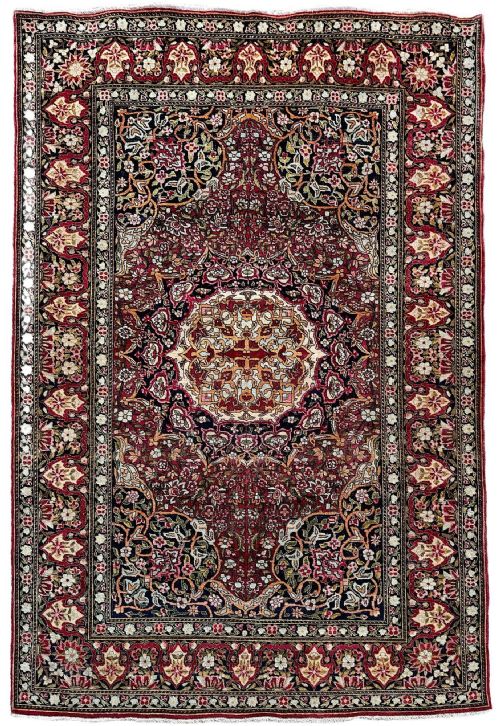
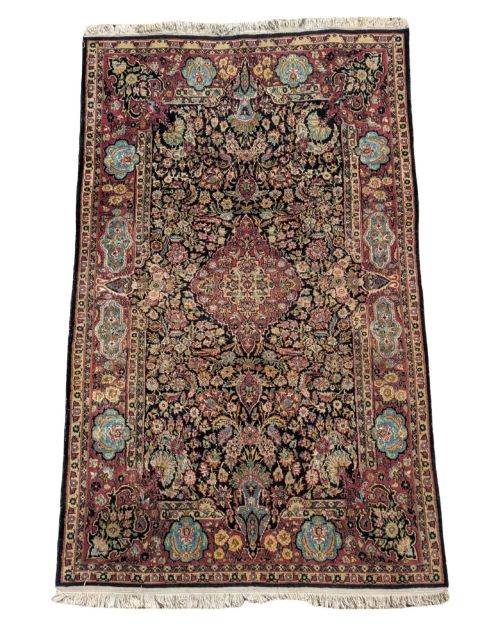
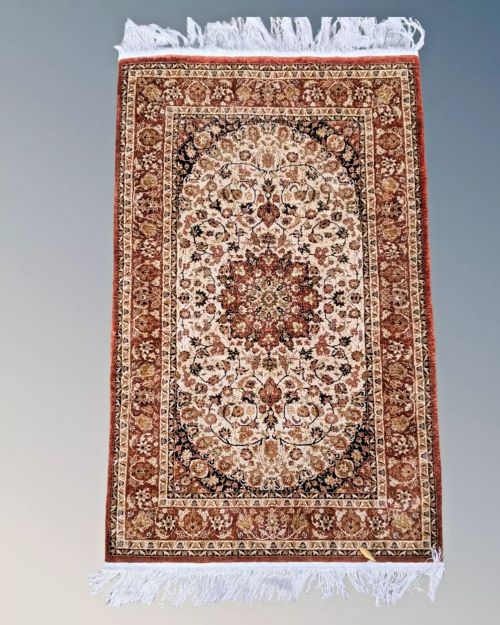
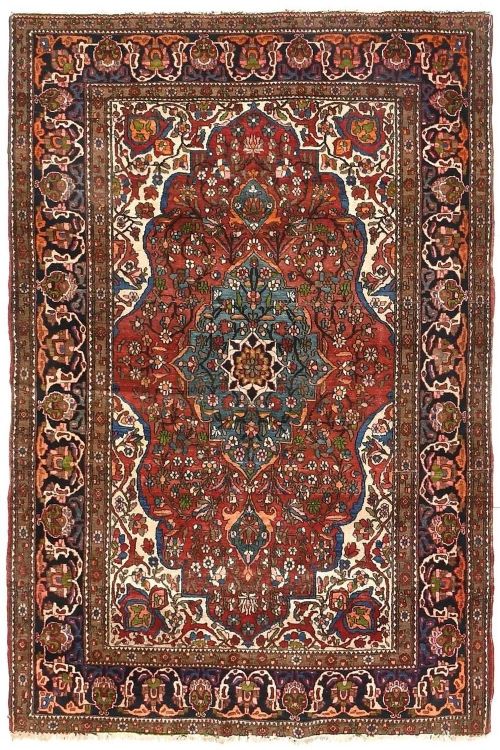
A persian silk rug is a finely worked textile creation originating from notable weaving centres across Iran, including Isfahan, Qum, Kashan and Tabriz. These pieces range from full silk constructions to carpets featuring delicate silk highlights and part-silk foundations.
Buyers will encounter various formats on this page, spanning full room-size carpets, smaller prayer rugs, and related textile panels like Rasht embroidery. The examples date predominantly from the late nineteenth century through to the mid-twentieth century.
Traditional designs frequently incorporate central medallions, floral patterns, tile motifs, and pictorial scenes. The inclusion of materials such as cotton, wool, and felt alongside pure silk reflects the diverse regional workshops of the period.
How they were made
The construction of these pieces relies on a foundation of silk or cotton threads upon which fine knots of silk, lambswool, or wool are densely tied by hand. Certain examples utilise a wool pile with silk highlights to create contrast and texture across the surface.
Applique techniques also appear, particularly in Rasht embroideries which combine silk elements stitched onto coloured felt grounds. These methods demand significant technical skill and patience from the weaver or artisan.
Several embroidered panels feature intricate silk stitching applied directly to brightly coloured felt backgrounds.
What varies in quality
Knot density and the fineness of the weave largely determine the tier of a piece, with tighter foundations allowing for sharper pictorial clarity and more complex curvilinear designs. The choice of materials also dictates quality, as pure silk pieces require greater labour than those incorporating wool or cotton mixes.
Design execution and palette harmony separate standard workshop output from exceptional examples. The crispness of the medallion or border motifs and the preservation of the pile indicate the level of craftsmanship invested during production.
Mohtasham Kashan
The Persian Silk Rug Glossary
- Medallion
- A symmetrical ornamental motif placed at the centre of the rug field. This design element often anchors the entire composition of the carpet.
- Prayer rug
- A smaller format rug featuring a mihrab or arch design indicating the direction of prayer. These pieces were traditionally used for personal devotion.
- Applique
- A needlework technique where pieces of fabric are sewn onto a larger ground material. In regional textiles, silk shapes are frequently applied to felt backings.
- Foundation
- The underlying structure of warp and weft threads that supports the pile of the rug. Silk foundations provide exceptional strength and flexibility.
- Jajim
- A flat-woven textile traditionally used as a cover or decorative hanging. These pieces are constructed from narrow strips stitched together.
Persian Silk Rug: Frequently Asked Questions
Where were these rugs woven?
Production centres include Isfahan, Qum, Kashan, Tabriz, and Nain within Persia. Each region developed distinct palettes, knotting densities, and stylistic motifs.
Other related textiles originate from workshops in Rasht or Kashmir. Identifying the origin depends on analysing the structural materials and border designs.
Can I walk on a silk carpet?
These textiles withstand light foot traffic, particularly pieces with robust foundations or wool pile blends. Placing them in low-traffic areas preserves the delicate silk threads.
Many collectors prefer displaying finer silk rugs on walls or in formal rooms to minimise wear. Using a quality underlay prevents slipping and cushions the fibres.
How do I date an antique rug?
Dating relies on examining structural characteristics, dye types, stylistic evolution, and material wear. Comparing the knotting style with documented regional examples provides a reliable timeframe.
Archival records and signatures or maker marks woven into the border also assist with attribution. Expert appraisal helps confirm the approximate period of creation.