



Cream Silk Carpet
These cream silk carpet pieces bring tactile luxury and intricate Oriental or Moroccan artistry to a room, offering a refined neutral base for interiors.
Cream Silk Carpet
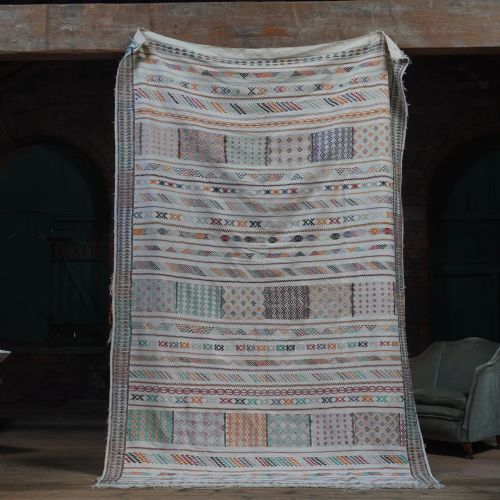
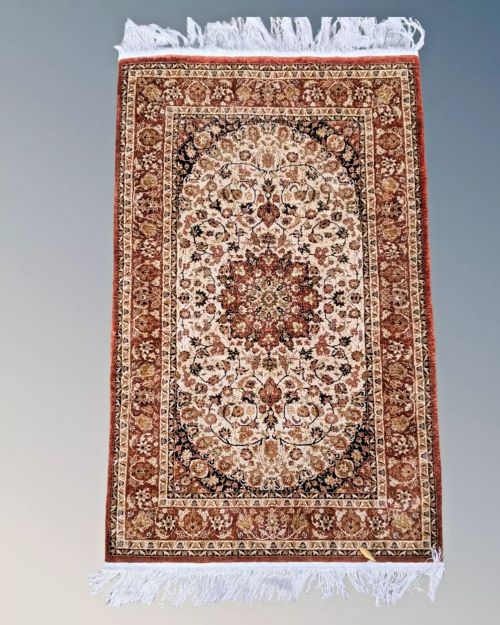
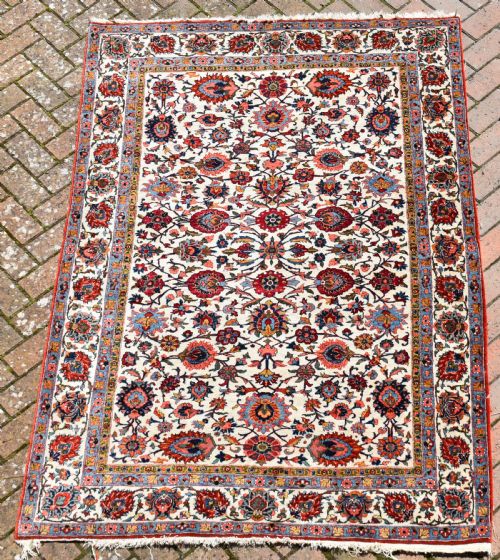
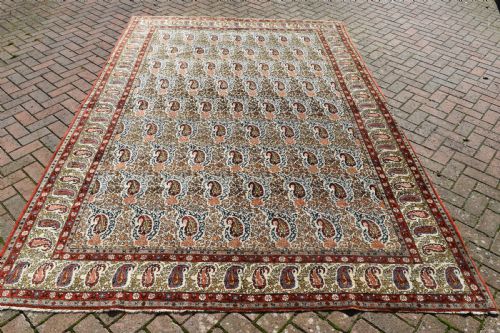
A cream silk carpet delivers a sophisticated neutral palette combined with fine pile textures, drawing on Persian, Kashmiri, and Moroccan traditions. When searching for a cream silk carpet, buyers encounter formats ranging from intimate area rugs to large room-sized carpets spanning the nineteenth century and early twentieth century. These textiles include pictorial rugs, part-silk Kashan pieces, and sabra cactus silk Moroccan kilims alongside works attributed to Qum and Mohtasham Kashan.
The aesthetic leans towards traditional Persian schemes, Kashmiri oriental designs, and traditional Moroccan patterns. Many examples feature delicate floral or pictorial compositions, whilst others present geometric flatweave traditions using alternative plant fibres alongside silk.
How they were made
Weavers constructed these pieces using natural materials such as silk, cotton, wool, cactus silk, and sabra fibre. Silk provides the lustrous pile and fine detail found in Qum and Kashmiri pieces, while cotton and wool frequently serve as foundation or complementary yarns in traditional Persian structures.
Production techniques range from intricate hand-knotted pile work seen in Qum and Kashan carpets to flatweave methods utilised for Moroccan kilims using sabra cactus silk. These diverse construction methods reflect regional heritage, uniting plant-based fibres and protein filaments in durable textile forms.
One exceptional rug preserves the memory of the last Tsar of Russia, Nicholas, woven directly into its historic silk pile.
What varies in quality
The distinction between standard examples and the finest pieces rests upon the density of the weave and the purity of the materials used. Finer knots permit more complex pictorial or floral detailing, particularly evident in specialised workshops and nineteenth century productions.
Mohtasham Kashan
The Cream Silk Carpet Glossary
- Pile
- The upright yarn loops or tufts that form the usable surface of a carpet. In silk carpets, this pile creates a reflective sheen and soft texture.
- Kilim
- A flatweave textile produced without a raised pile. Moroccan examples often utilise sabra cactus silk in this traditional technique.
- Warp
- The vertical lengthwise threads stretched on a loom before weaving begins. These foundational threads support the structural integrity of the carpet.
- Weft
- The horizontal threads passed alternately over and under the warp yarns. They bind the knots securely in place across the width of the piece.
- Pictorial
- A design style depicting figures, animals, or narrative scenes rather than purely geometric or abstract motifs.
Cream Silk Carpet: Frequently Asked Questions
How do I style a cream silk carpet?
A cream silk carpet works effectively as a neutral anchor in both traditional and contemporary interiors. The reflective nature of silk catches light, adding subtle luminosity to living spaces and studies.
Because these pieces feature delicate fibres, placing them in low-traffic areas helps preserve their condition while showcasing their intricate patterns.
Where were these carpets traditionally made?
The pieces originate from prominent weaving regions including Persia, Kashmir, and Morocco. Each area imparts distinct cultural motifs and technical methods to the textiles.
Persian and Kashmiri workshops focus on intricate pile-knotted floral or pictorial designs, whereas Moroccan makers utilise flatweave techniques with cactus silk.
What is sabra cactus silk?
Sabra silk is a vegetable fibre extracted from the agave cactus native to Morocco. Artisans spin this natural material to create durable yarns with a distinct sheen.
It provides an alternative texture to traditional animal silk, commonly appearing in Moroccan kilim flatweaves.
How do I identify a nineteenth century piece?
Nineteenth century examples display hand-spun natural dye palettes and traditional regional motifs characteristic of earlier weaving eras. Examining the reverse reveals the density of the knotting and the ageing of the foundation threads.
Material wear and structural construction offer further clues to the age and origin of the textile.