


Antique Silk Carpet
An antique silk carpet brings immense textural depth and intricate regional design into a room, offering a tactile piece of history for the floor or wall.
Antique Silk Carpet
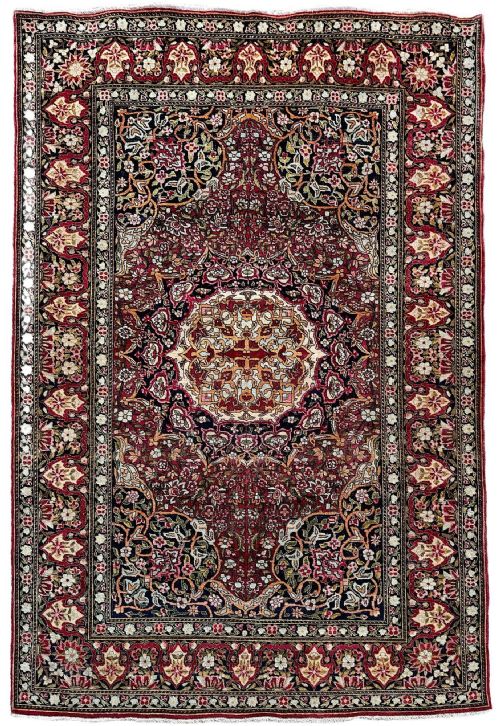
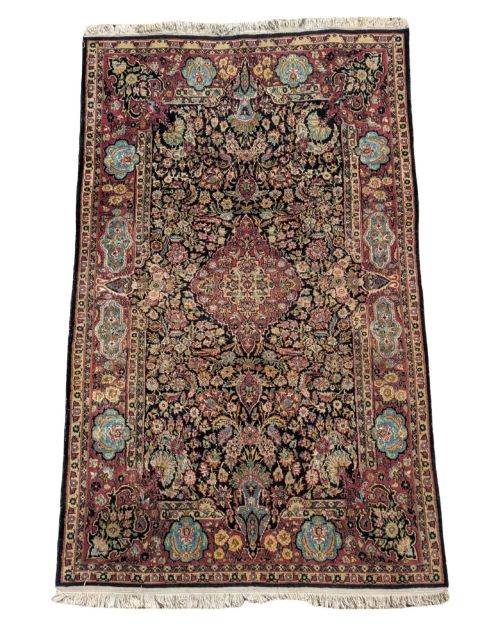
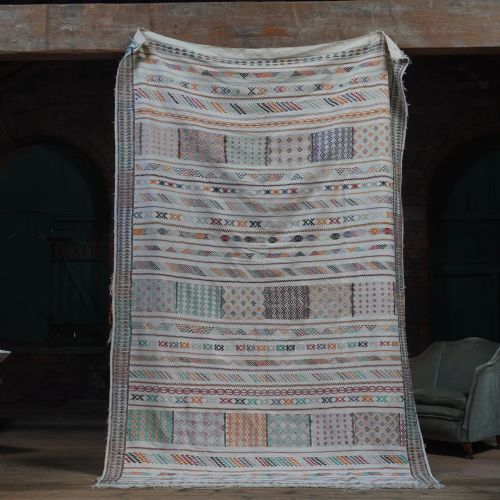
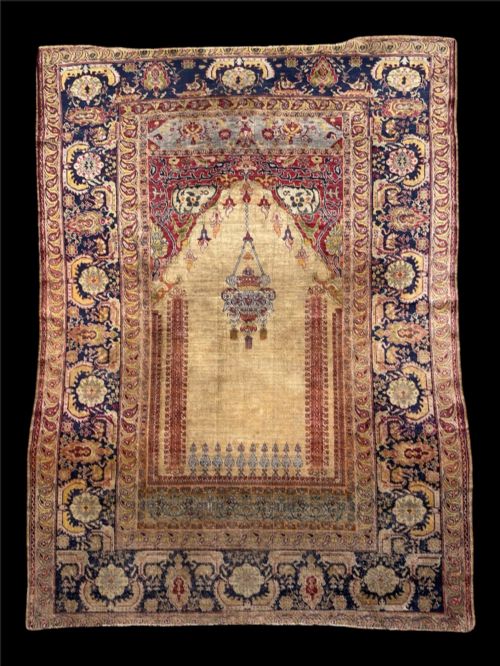
When you search for an antique silk carpet, you examine finely knotted textiles originating predominantly from Persian, Turkish, and Central Asian weaving centres. These pieces appear in various formats, ranging from full-sized floor coverings and area rugs to smaller prayer rugs, wall hangings, and dowry items.
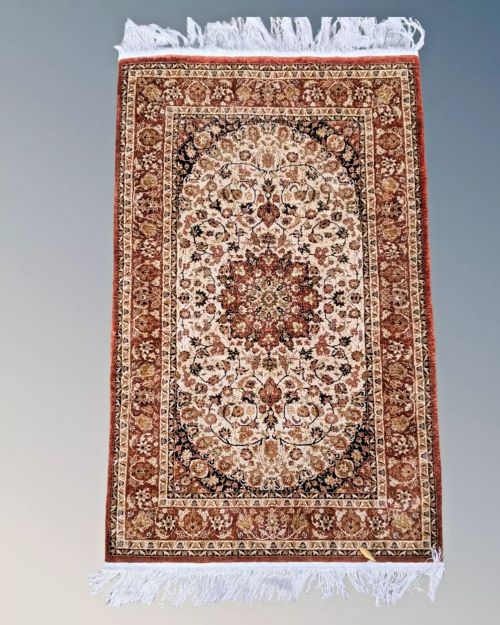
The most common versions on this page span the nineteenth and early twentieth centuries, featuring city workshops from Isfahan, Kashan, and Qum alongside tribal formats from Anatolia and Turkmenistan. Many incorporate pure silk construction, while others utilise wool or cotton foundations with distinct silk highlights to accentuate the pile pattern.
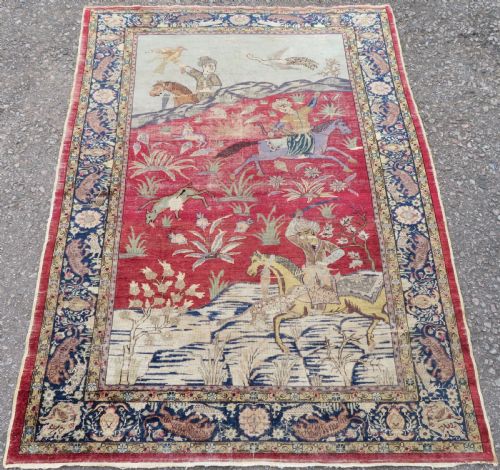
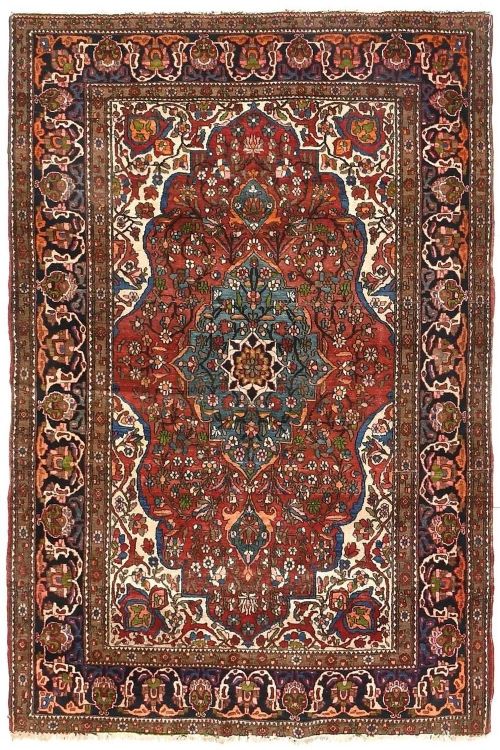
Regional traditions dictate the iconography you encounter, from classical medallion layouts and pictorial hunting scenes to tile patterns and prayer mihrabs. Buyers select these textiles for their extraordinary knot density, luminous material quality, and the rich cultural narratives woven directly into the foundation.
How they were made
Weavers constructed these textiles by hand knotting fine materials onto a supportive foundation, which typically consists of cotton, wool, or pure silk warps and wefts. Pure silk piles provide an exceptional sheen and permit microscopic detail, whereas combinations like lambswool on a silk foundation offer both structural stability and plush pile depth.
Certain Anatolian and Central Asian pieces incorporate floss silk or incorporate supplementary threads like white cotton and crimson silk to create contrast. Dyers utilised natural substances to achieve the varied pastel tones, deep reds, and soft colour palettes seen across Persian and Turkish workshops.
Antique Silk Carpet Retail Price Guide 2026
Typical asking prices for silk carpet among the pieces listed under this phrase on Sellingantiques today, from the lower quarter to the upper quarter. They describe what is for sale here now, not the wider market.
Listings feature traditional Persian, Ottoman, and Central Asian styles produced across the nineteenth and early twentieth centuries.
What varies in quality
The primary distinction across the range lies in knot density and the precision of the curvilinear or geometric drawing. Master workshops achieved exceptionally fine weaves that allowed for complex pictorial narratives and sharp architectural borders, whereas simpler tribal pieces rely on robust utility and starker village designs.
Material composition significantly alters the character and handling of the textile, distinguishing pure silk pile examples from part-silk or mixed-fibre variants. The purity of the dyestuffs and the integrity of the silk foundation further dictate how the pile ages under foot or upon a wall.
Mohtasham Kashan·Lakai Tribe·Tekke Turkoman·Saryk Turkmen
The Antique Silk Carpet Glossary
- Mihrab
- The arched niche design found on prayer rugs, symbolising a doorway to paradise and orienting the worshipper during daily prayer.
- Foundation
- The underlying grid of warp and weft threads that supports the knotted pile of the carpet.
- Gul
- A repeating octagonal medallion motif frequently utilised in Turkmen and Central Asian tribal weaving traditions.
- Floss silk
- Unspun or loosely twisted silk fibres that yield a particularly high lustre and soft handle.
- Warp
- The vertical stationary threads stretched tightly on the loom before knotting begins.
Antique Silk Carpet: Frequently Asked Questions
How do I clean an antique silk carpet?
Professional specialist cleaning remains essential for fragile antique silk textiles, as domestic washing causes irreversible damage to delicate pile and natural dyes.
Vacuuming should be avoided or performed with extreme care using a suction-only attachment without a rotating beater bar.
Can these carpets handle daily foot traffic?
Pure silk piles and antique pieces with fine knotting suit low-traffic areas or wall hanging display to protect the delicate fibres from wear.
Heavier formats featuring wool or cotton foundations with silk highlights endure moderate residential placement more resiliently.
How do I identify Persian versus Turkish origins?
Persian examples from centres like Isfahan or Qum typically display intricate floral medallions, curvilinear vines, and hunting scenes woven with extreme density.
Turkish Kayseri and Anatolian pieces frequently incorporate prayer mihrabs, tile patterns, or geometric village motifs with distinct regional palettes.
What does part silk mean?
Part silk indicates that the weaver combined silk with other materials, such as a wool pile on a silk foundation or silk highlights woven into a wool field.
This technique provided the luminous sheen of silk in specific design areas while retaining the structural weight of traditional fibres.