



Floral Silk Rug
A floral silk rug brings together intricate botanical needlework and woven textiles from Persian, Ottoman and Central Asian traditions.
Floral Silk Rug
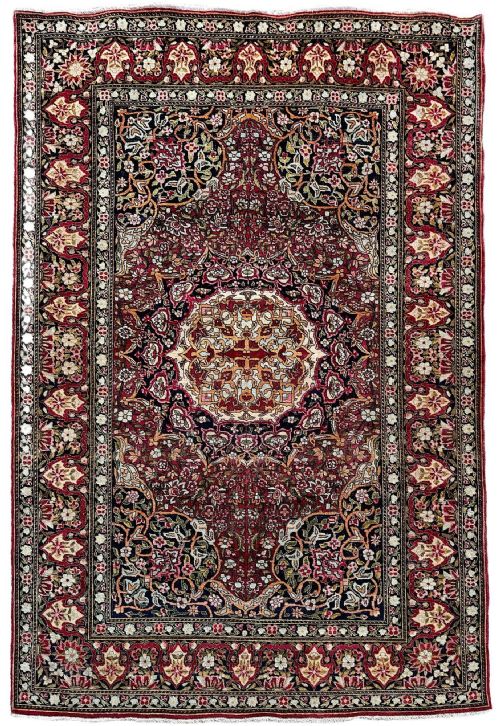
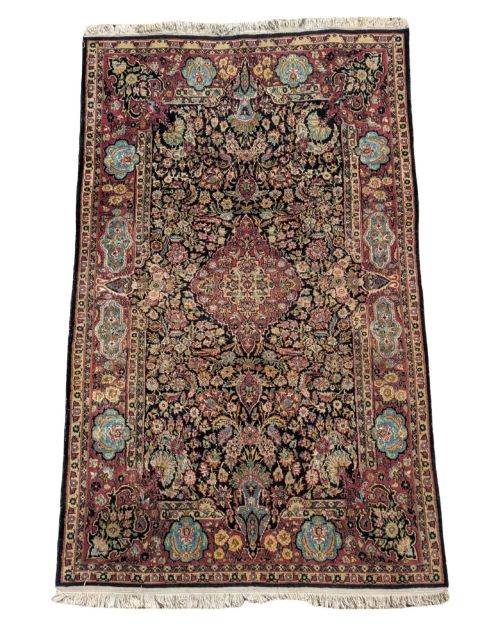
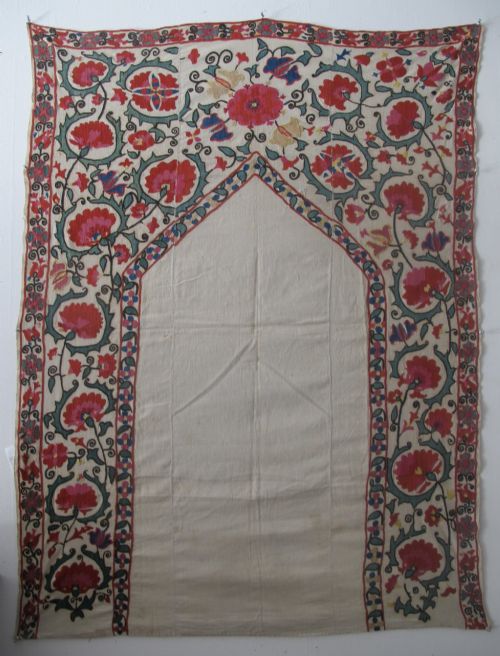
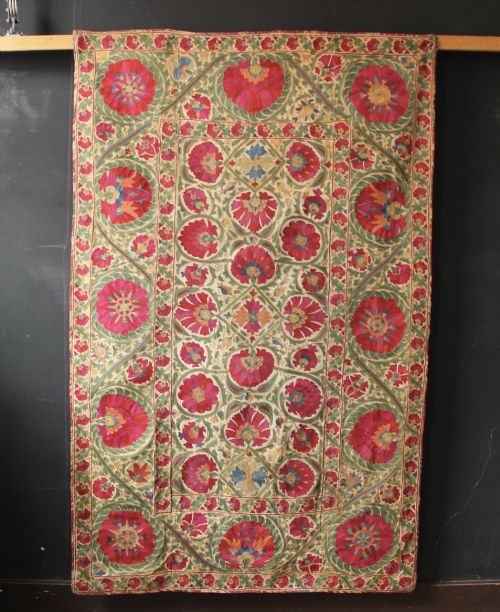
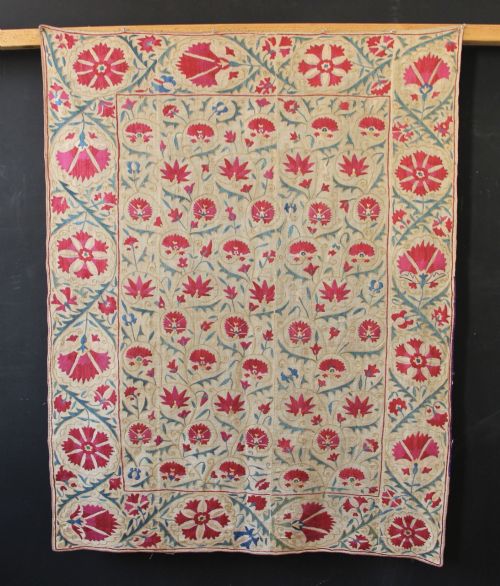
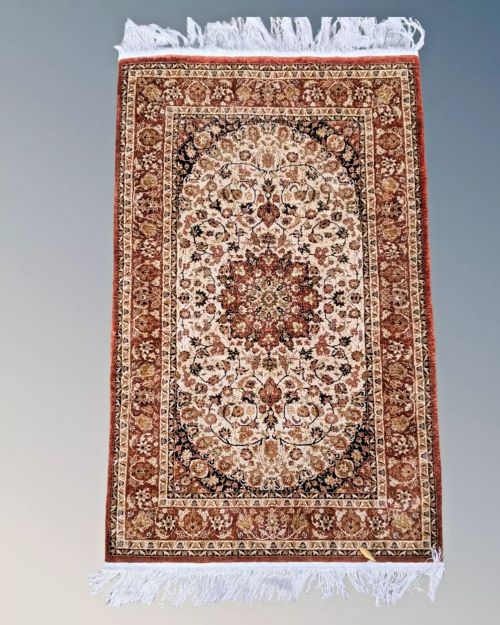
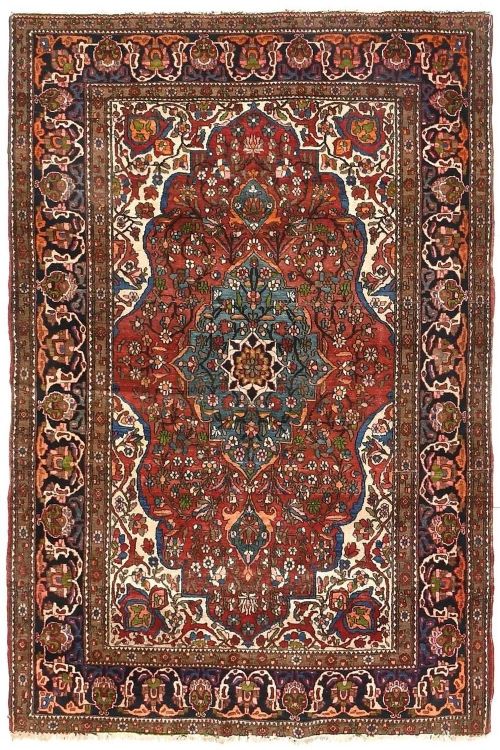
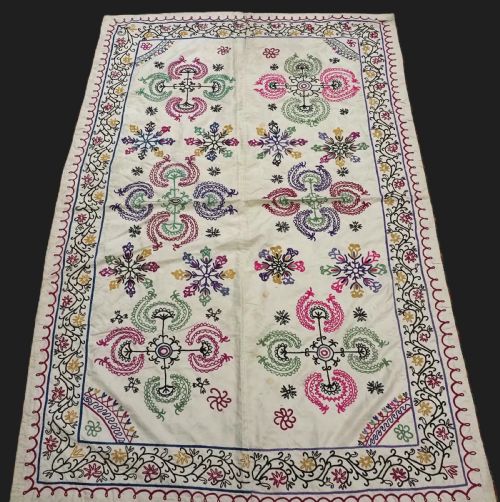
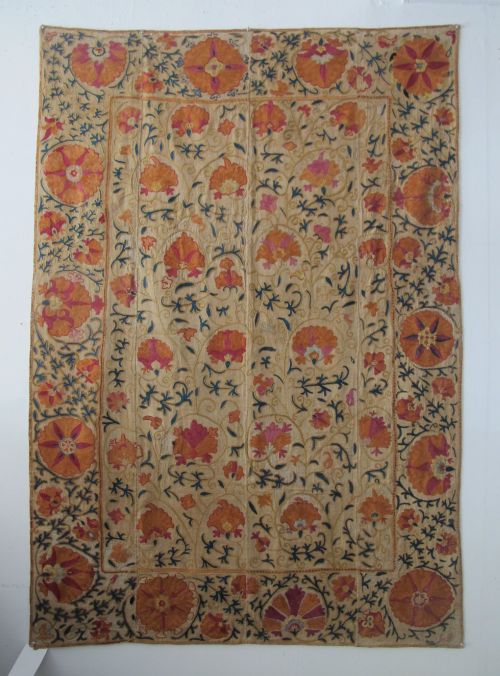
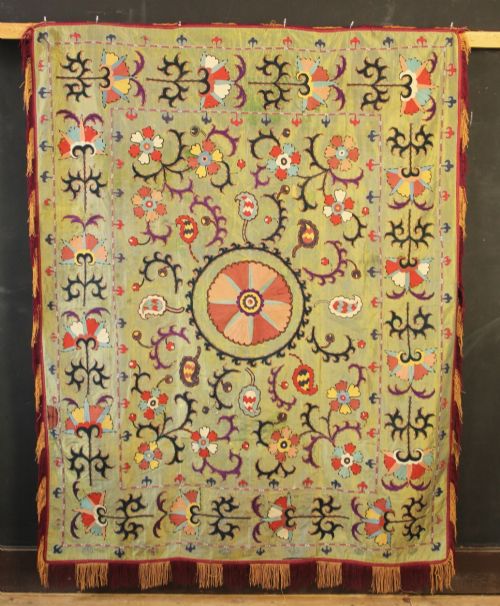
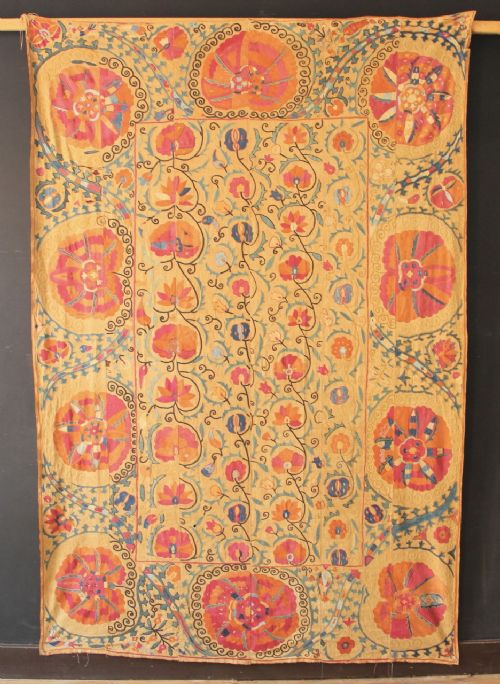
A floral silk rug encompasses woven carpets, embroidered textiles and wall hangings originating from regions such as Persia, Turkey and Uzbekistan. When exploring this selection, buyers frequently encounter Central Asian suzanis alongside woven Persian carpets featuring botanical motifs.
The objects span multiple centuries, with pieces recorded from the eighteenth through to the early twentieth century. These textiles served various domestic and ceremonial purposes, functioning as floor coverings, decorative covers and wall hangings.
The most common versions met on this page include Uzbek suzanis worked in silk on cotton or felt grounds, and Persian city rugs from centres like Isfahan, Qum and Nain. Each piece reflects distinct regional aesthetics and traditional techniques passed down through generations.
Materials and construction methods
The construction relies heavily on natural materials, pairing silk threads and silk pile with foundations of cotton, wool, linen or felt. Many pieces utilise supplementary materials such as metallic thread or wool felt applique work to add texture and depth to the botanical patterns.
Execution varies between woven pile carpets, where silk knotting sits upon a silk or wool foundation, and embroidered textiles. Suzanis and Rasht embroideries display dense needlework on woven grounds, using fine silk threads to map out complex floral and architectural designs.
The selection includes regional styles from Persia, Ottoman lands and Central Asian traditions such as Uzbek and Lakai work.
Assessing quality in floral textiles
Quality rests upon the fineness of the weave or the density of the embroidery stitches. Pieces with tight, even knotting or exceptionally intricate needlework demonstrate superior control and demand greater time from the maker.
The harmony and complexity of the botanical layout also distinguish finer examples. Balanced proportions in the floral medallions, crisp execution of the design motifs, and the thoughtful integration of contrasting ground colours separate standard decorative pieces from exceptional works.
The Floral Silk Rug Glossary
- Suzani
- An embroidered textile from Central Asia, typically worked in silk thread on a cotton, wool or felt ground. These pieces often feature large-scale floral and medallion designs.
- Pile
- The cut surface of a carpet formed by the ends of knots tied to the warp and weft threads. Silk pile provides a distinctive reflective sheen.
- Foundation
- The underlying structure of a woven rug, consisting of warp and weft threads that support the pile. Foundations in finer carpets are sometimes constructed from silk.
- Applique
- A sewing technique where pieces of fabric, such as felt, are applied to a larger ground fabric to form patterns. This method appears frequently in Rasht embroideries.
- Warp
- The vertical threads stretched across a loom before weaving begins. The weft is passed alternately over and under these threads.
- Nim
- A term indicating a half-size format, commonly applied to smaller Central Asian suzanis or rugs. These compact pieces were often used as wall hangings or covers.
Floral Silk Rug: Frequently Asked Questions
How do I care for a silk rug?
Protect silk textiles from direct sunlight to prevent fading of the natural dyes. Professional specialist cleaning is recommended to maintain the delicate fibres.
Keep the rug in a dry environment and avoid placing heavy furniture directly upon fine silk pile to prevent crushing.
Were these rugs used on floors?
While woven carpets from centres like Isfahan and Qum were intended for floor use, many embroidered pieces were not. Suzanis and Rasht embroideries functioned as wall hangings, decorative covers or ceremonial furnishings.
Delicate embroidered textiles benefit from wall display or gentle placement away from heavy foot traffic.
How are different regional styles told apart?
Central Asian suzanis are readily identified by their embroidered floral motifs on cotton or felt grounds, often displaying regional traits from towns like Bukhara or Shakhrisabz. Persian city carpets rely on woven pile with precise floral medallions and fine knotting.
Examining the ground material and the embroidery technique clarifies the specific geographical origin.
What is an art silk rug?
Art silk refers to artificial silk, often made from mercerised cotton or synthetic fibres used to mimic the appearance and lustre of natural silk. These materials provide a reflective sheen similar to genuine silk carpets.
Such rugs offer a decorative alternative while replicating traditional floral patterns.