




Antique Silk Mat
An antique silk mat brings tactile richness and intricate regional patterns into a room, offering both decorative presence and historic textile artistry.
Antique Silk Mat
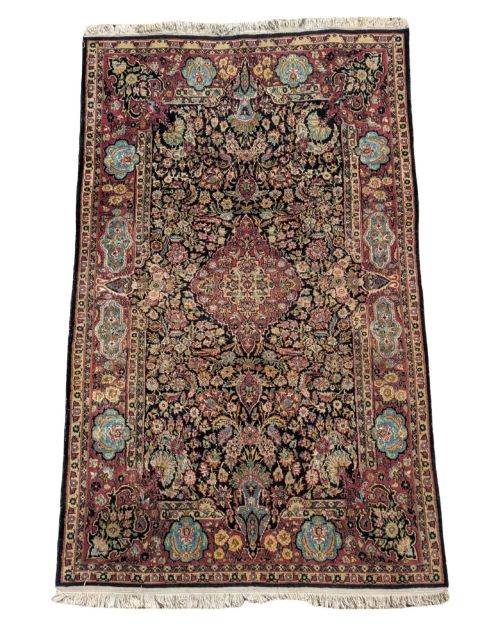
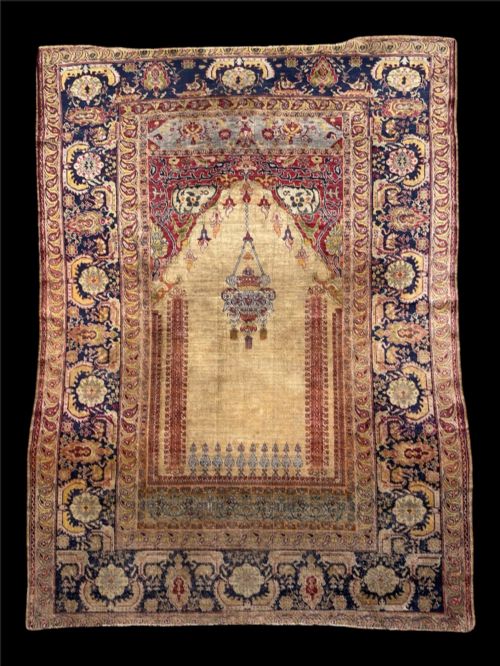
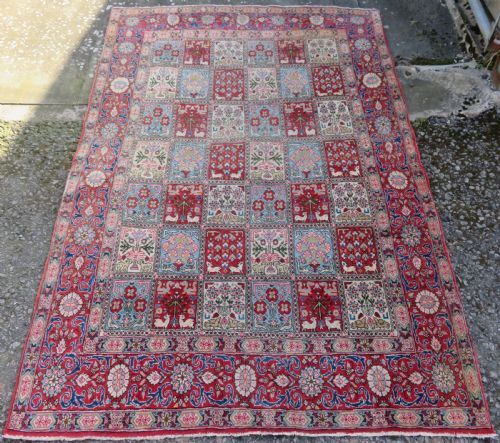
An antique silk mat encompasses a variety of woven and embroidered textiles, ranging from prayer rugs to framed needlework pictures. These pieces originate from traditions such as Persian, Ottoman, Anglo-Indian, and Uzbek craftsmanship, spanning the nineteenth and early twentieth centuries.
The most common versions encountered on this page include Uzbek suzanis worked in silk on cotton grounds, Turkish Kayseri prayer rugs, and early nineteenth-century silkwork embroidery pictures. Forms vary from small area rugs and carpets to mounted textile panels and framed pictures.
Materials and construction
Makers utilised fine silk thread for delicate surface embroidery and pile construction, frequently combining it with cotton, wool, and velvet grounds. Giltwood frames accompany certain textile pictures from the nineteenth century.
Techniques range from hand-woven pile knotting in traditional oriental prayer rugs to needlework embroidery on woven fabric foundations. Uzbek suzanis employ vibrant silk stitching on yellow or red cotton grounds, while Indian Delhi pieces utilise embroidery on green velvet.
Uzbek suzanis often feature deliberate botanical irregularities within their silk stitching, ensuring each embroidered garden remains entirely unique.
Differences in quality
The standard of an antique silk mat is determined by the fineness of the threadwork and the complexity of the design, such as intricate tile patterns or traditional prayer mihrab layouts. Tighter knotting and denser embroidery indicate greater skill in execution.
Visual impact relies heavily on the preservation of colour and the structural integrity of the silk and its supporting ground material. Pieces demonstrating careful hand-weaving techniques and well-preserved natural dyes hold superior presence.
The Antique Silk Mat Glossary
- Suzani
- A type of embroidered textile originating from Central Asia, traditionally worked with silk thread on a cotton ground.
- Prayer rug
- A small rug featuring a mihrab design, traditionally used for personal prayer by Muslims.
- Kayseri
- A city in Turkey renowned for the production of fine silk carpets and rugs.
- Silkwork
- Embroidery executed primarily in silk thread, often taking the form of framed pictures in the nineteenth century.
- Pile
- The cut loops or upright strands of yarn that form the usable surface of a carpet or rug.
Antique Silk Mat: Frequently Asked Questions
How do I clean an antique silk mat?
Professional textile conservation cleaning is essential for these delicate pieces.
Domestic washing or harsh chemical treatments will damage the fragile silk threads and historic ground fabrics.
Can I walk on an antique silk rug?
These mats are generally best placed in low-traffic areas or displayed on walls.
Heavy footfall wears down the delicate silk pile and strains the structural foundation over time.
How do I date an antique silk mat?
Dating relies on stylistic motifs, regional weaving techniques, and the materials used in the foundation.
Comparative analysis with documented nineteenth and early twentieth-century examples helps establish the period.
What is a suzani textile?
A suzani is an embroidered wall hanging or textile panel from Central Asia.
They are typically stitched by hand using vibrant silk threads on a cotton base fabric.