
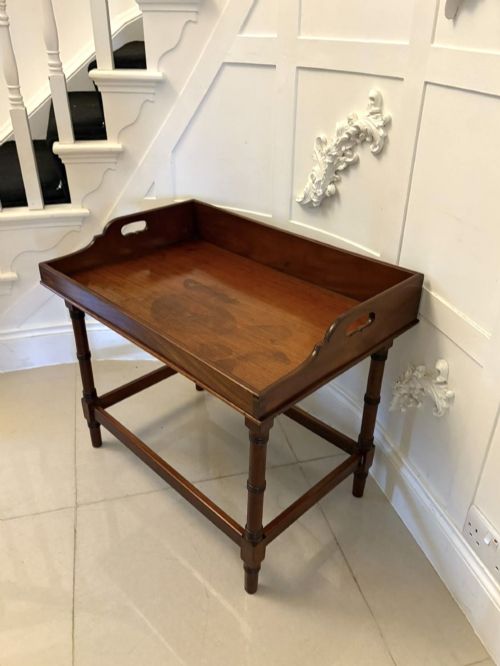
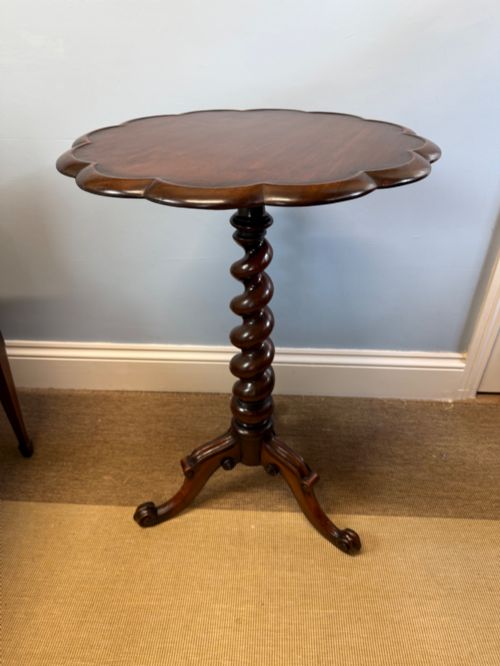
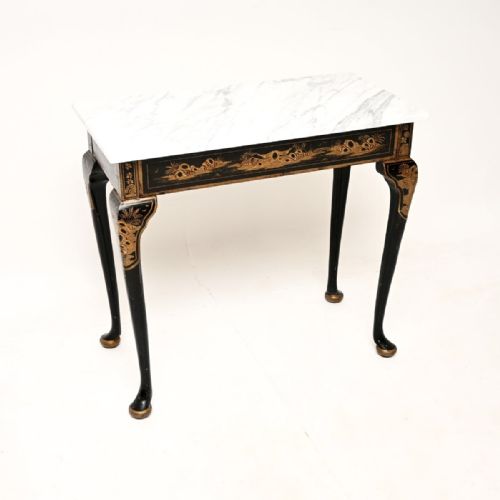
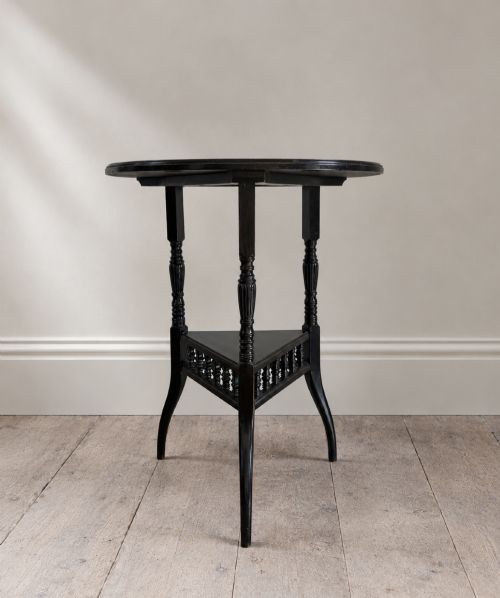
Antique Side Stand
An antique side stand brings compact surface space and centuries of cabinet-making skill into a room.

Antique Side Stand
When searching for an antique side stand, buyers encounter a diverse group of occasional furniture spanning the Georgian, Victorian, and Edwardian periods.
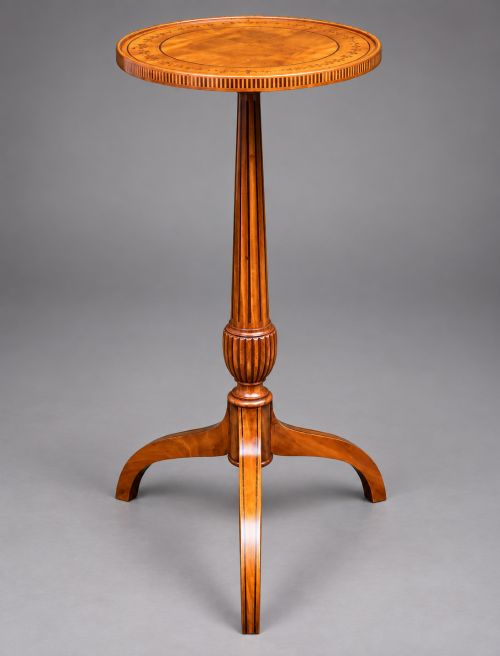
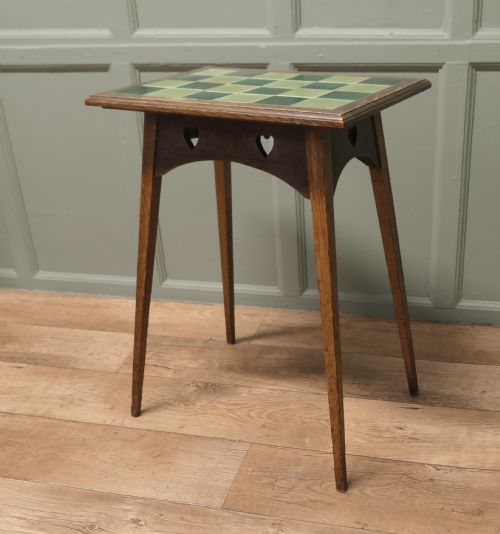
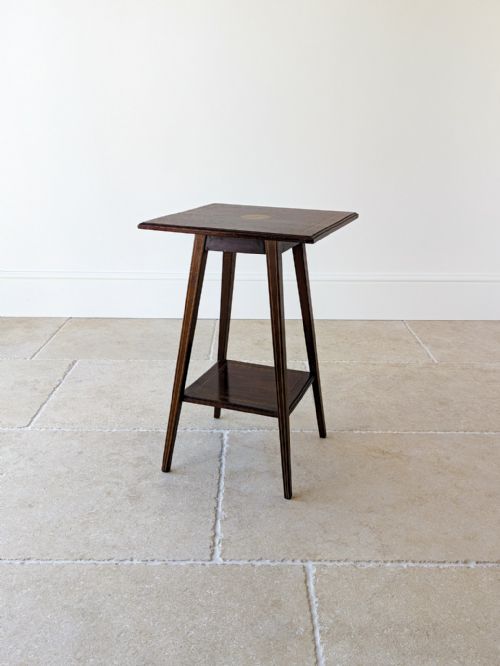
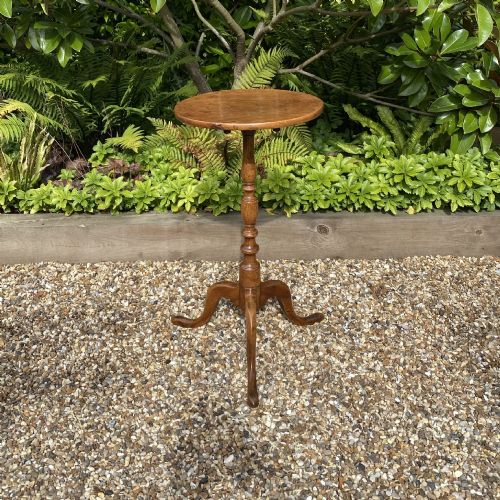
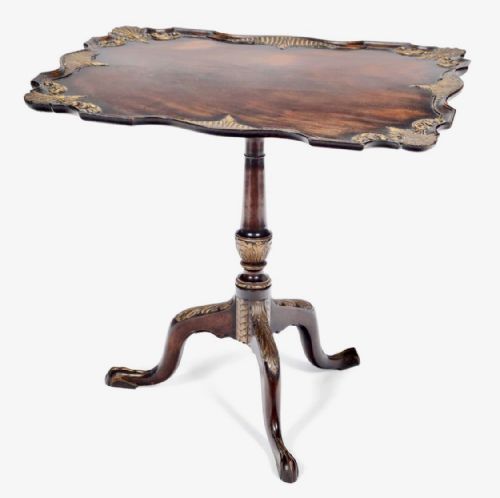
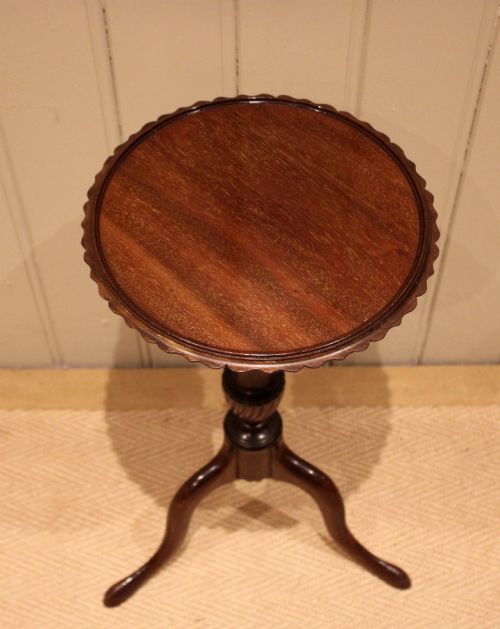
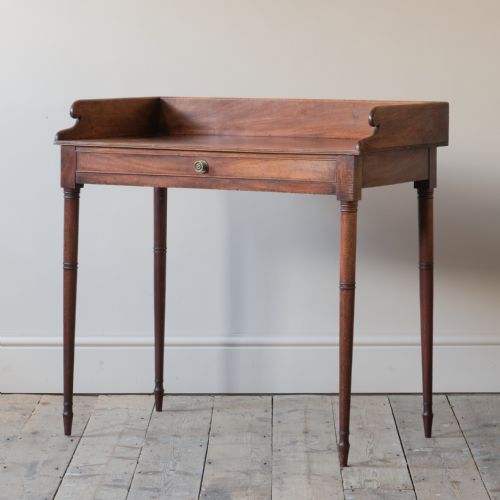
The form encompasses small wine tables, lamp tables, plant stands, and occasional tables designed to sit quietly beside seating or against walls.
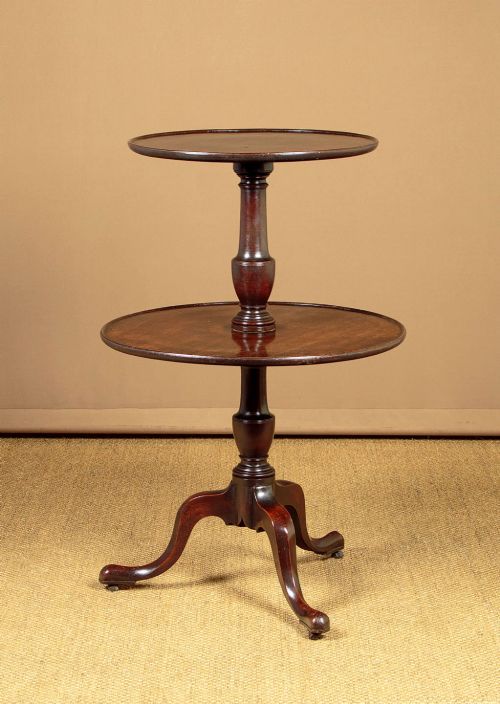
Mahogany and oak predominate among the surviving examples, often taking tripod, pedestal, or tier configurations suited to domestic utility.
Materials and construction methods
Cabinet-makers relied heavily on dense timbers such as mahogany, walnut, and oak, frequently applying veneers of burr walnut or kingwood to principal surfaces.
Joinery techniques included traditional mortise and tenon frames alongside turned pedestals and tripod bases secured by iron or wooden fixings.
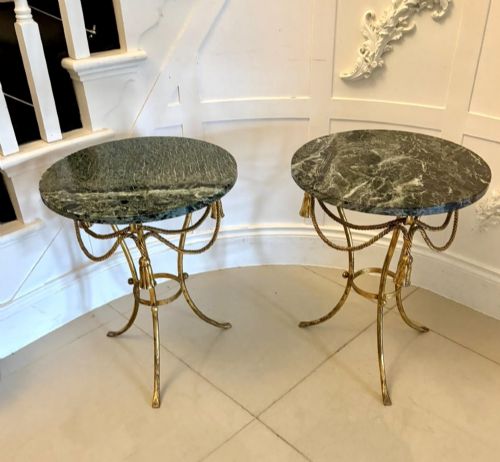
Decorative elements involved intricate wood inlay, marquetry, parquetry, and occasional applications of brass or gilt metal mountings.
Some Victorian tables included concealed glass backs designed to reflect candlelight across the room.
Judging the standard of execution
Quality rests upon the selection of timber figure, where well-matched grains and choice veneers distinguish superior pieces from plain utility items.
The precision of carved details, structural stability of joints, and the crispness of inlay work indicate the original maker's skill and workshop standards.
Trevor Page & Co·Shapland & Petter·E W Godwin
The Antique Side Stand Glossary
- Tripod table
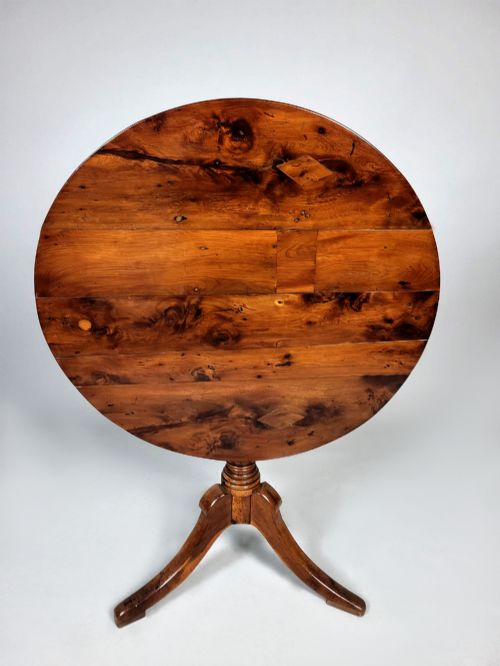
- A small freestanding table supported by a pillar above three spreading legs. These pieces gained popularity during the 18th century for serving wine or holding lamps.
- Whatnot
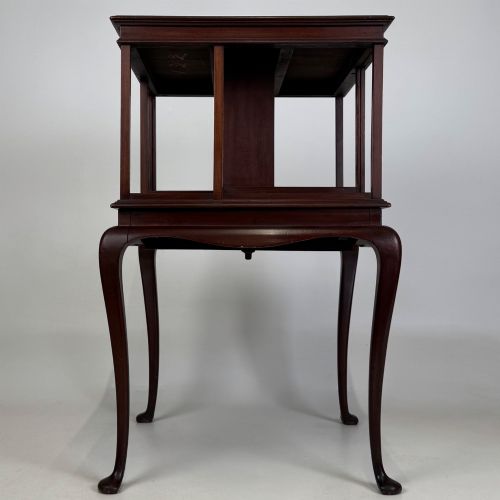
- An open set of shelves used for displaying ornaments or holding books. This multi-tiered form became common during the Victorian era.
- Marquetry
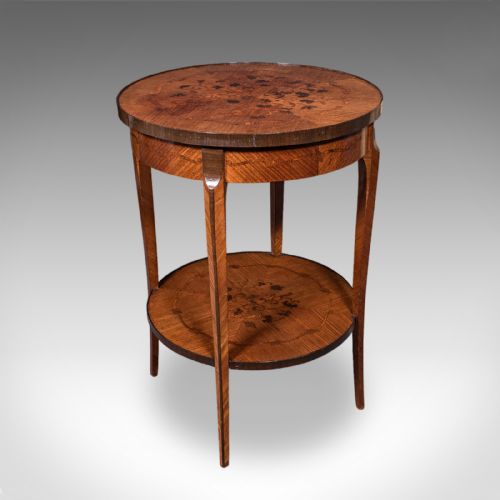
- Decorative patterns formed by fitting together small pieces of wood veneer. Artisans utilised contrasting timbers to create floral or geometric designs.
- Dumb waiter
- A tiered serving table fitted with revolving or stationary trays. Dining rooms used these pieces to hold dishes without needing constant servant attendance.
- Tilt top
- A table mechanism allowing the top to pivot vertically for storage against a wall. This feature saved valuable floor space in period rooms.
Antique Side Stand: Frequently Asked Questions
What rooms suit an antique side stand?
These compact tables fit easily beside armchairs, sofas, or beds to hold lamps and small items. Their modest footprints allow them to occupy awkward corners or narrow hallways without crowding the space.
They also function effectively as plant stands or display surfaces for ceramics and books. Placing one near seating provides a convenient spot for drinks and reading material.
How do I date an antique side stand?
Dating relies on observing timber choices, construction methods, and prevailing decorative styles. Georgian pieces often display restrained mahogany lines, whereas Victorian examples favour heavier walnut turns and rich inlay.
Edwardian items frequently show lighter proportions and revived historical motifs. Examining the underside and joinery reveals clues regarding manufacturing periods.
Are tilt top tables stable?
Tilt top mechanisms use a wooden catch or block beneath the surface to secure the top in a horizontal position. While some movement can develop over decades of use, a properly maintained pivot locks firmly.
When locked, the central pillar and tripod legs distribute weight evenly across the floor. Care should be taken when releasing the catch to prevent the top from dropping suddenly.
What is the difference between a lamp table and a wine table?
Wine tables traditionally featured small circular tops designed to hold individual glasses or decanters during evening gatherings. Lamp tables often provide slightly broader surfaces to accommodate the base of a light fixture.
In modern usage, the terms frequently overlap because both describe small occasional furniture. Both types serve similar functional roles within a room layout.