



Mahogany Buffet Stand
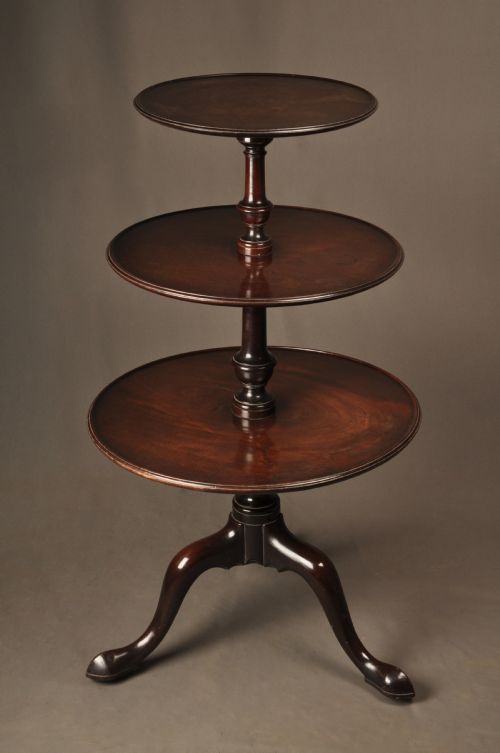
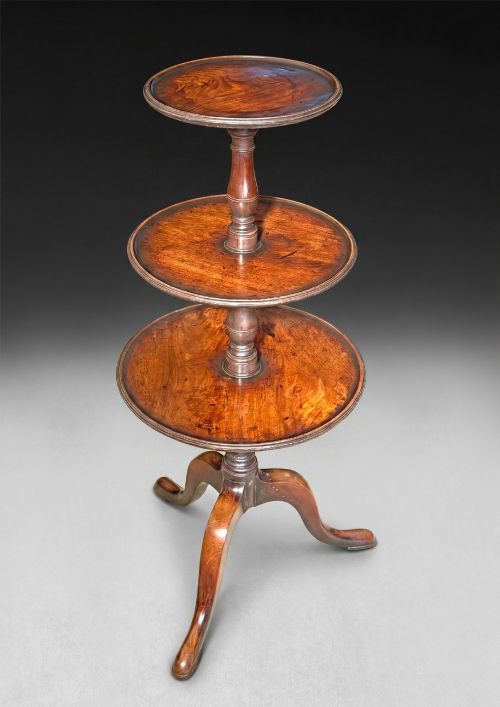
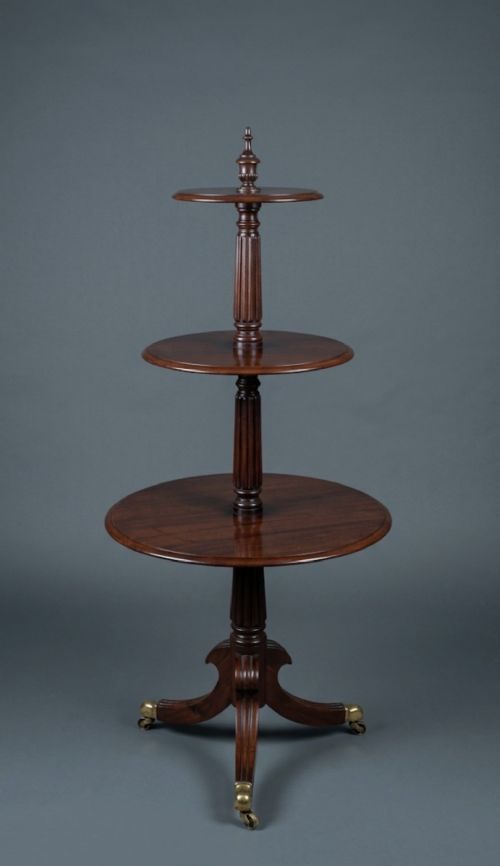
A mahogany buffet stand is a tiered serving piece designed for dining rooms, offering sturdy shelves for silver, glass and dishes during meals.

Mahogany Buffet Stand
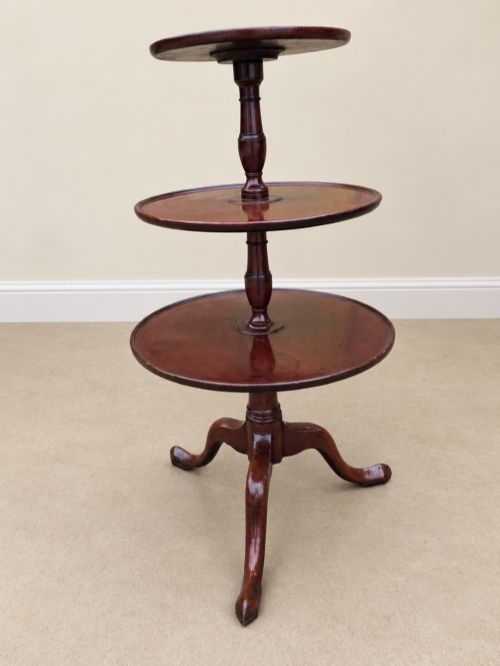
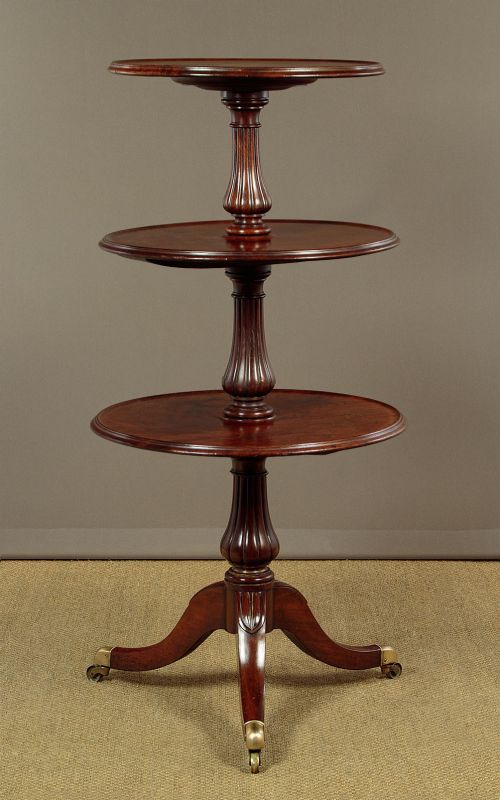
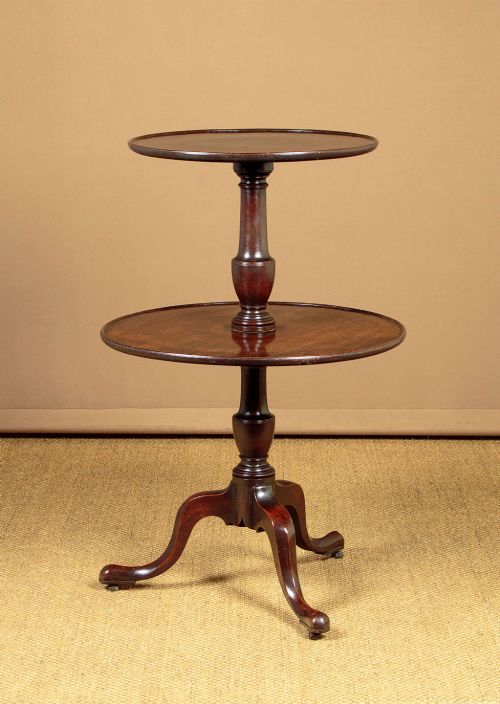
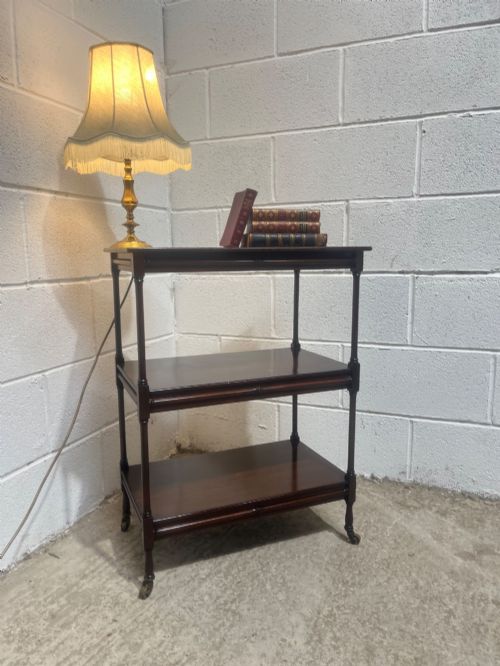
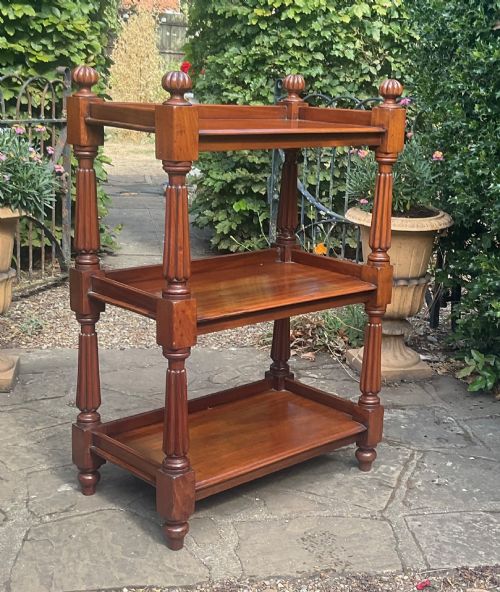
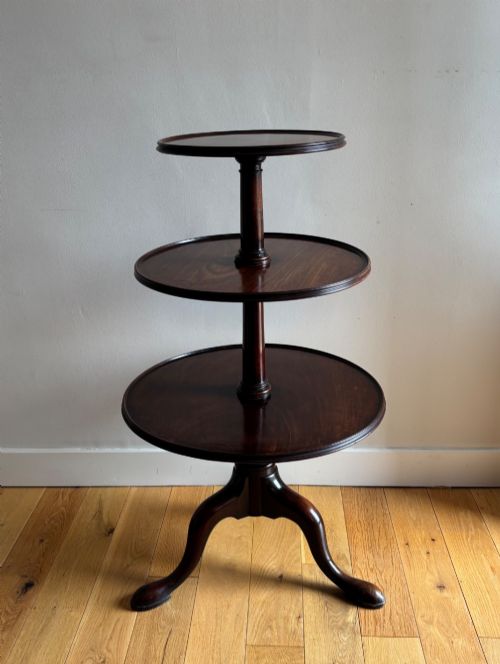
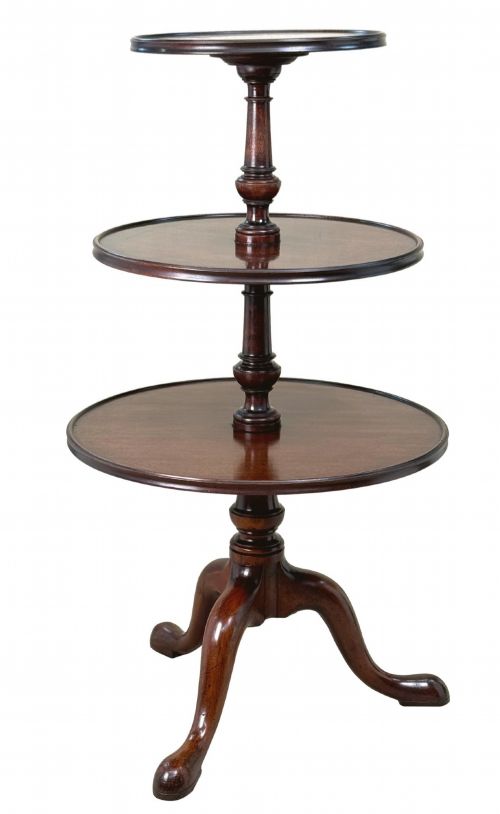
A mahogany buffet stand covers tiered serving pieces, dumb waiters, trolleys and etagere stands seen across Georgian, Regency and Victorian periods. Buyers seeking a mahogany buffet stand will encounter circular multi-tiered designs alongside rectangular drop-leaf and revolving tripod tables.
The material selection ranges from standard mahogany to dense Cuban mahogany, often accented with brass elements, glass surfaces and subtle inlay details. Pieces span the eighteenth, nineteenth and early twentieth centuries, reflecting changing dining habits from formal Georgian meals to later Victorian entertaining.
Materials and Construction
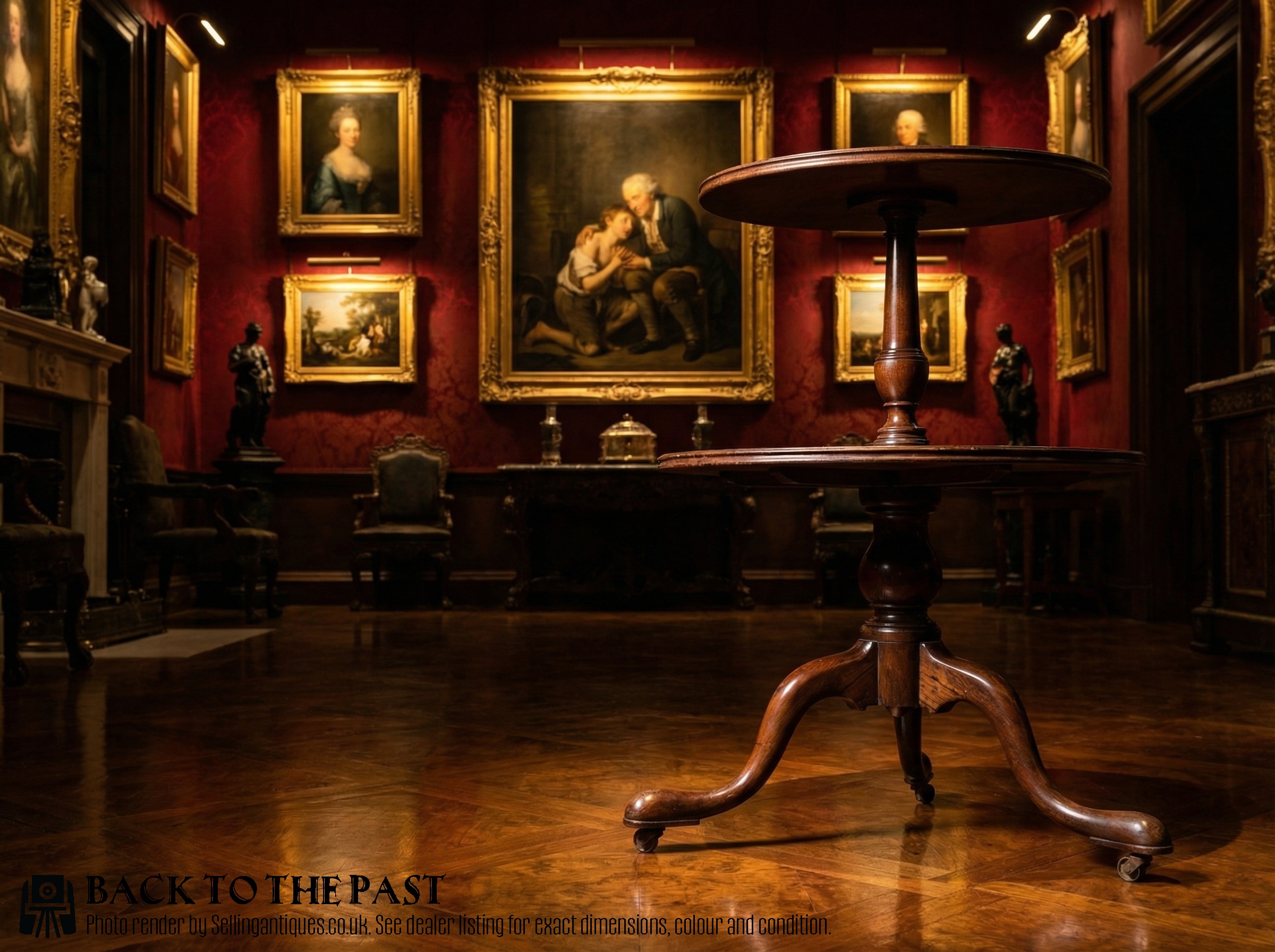
Cabinet makers utilised solid mahogany and Cuban mahogany for structural strength and rich grain patterns, frequently turning central pedestals and tripod bases by hand. Brass castors, hinges and fittings allowed multi-tiereddumb waiters and folding stands to move smoothly across dining room floors.
Surfaces were shaped into circular graduating tiers or rectangular drop-leaves, sometimes incorporating subtle inlay work to define the edges of shelves. Joinery relied on traditional turning and fitting techniques suited to weight-bearing serving furniture.
Mahogany Buffet Stand Retail Price Guide 2026
Typical asking prices for mahogany buffet stand among the pieces listed under this phrase on Sellingantiques today, from the lower quarter to the upper quarter. They describe what is for sale here now, not the wider market.
Materials across the inventory include solid mahogany, Cuban mahogany, rosewood, brass, glass and decorative inlay.
Assessing Craftsmanship
Quality rests in the selection of the timber, where dense Cuban mahogany and well-figured grain distinguish finer examples from standard stock. The precision of the turning on central columns and the smooth operation of revolving tiers or folding mechanisms mark superior workshop production.
Proportion and stability determine the success of the piece, particularly in three-tier forms where balance relies entirely on the weight of the timber and the solidity of the tripod or pedestal base.
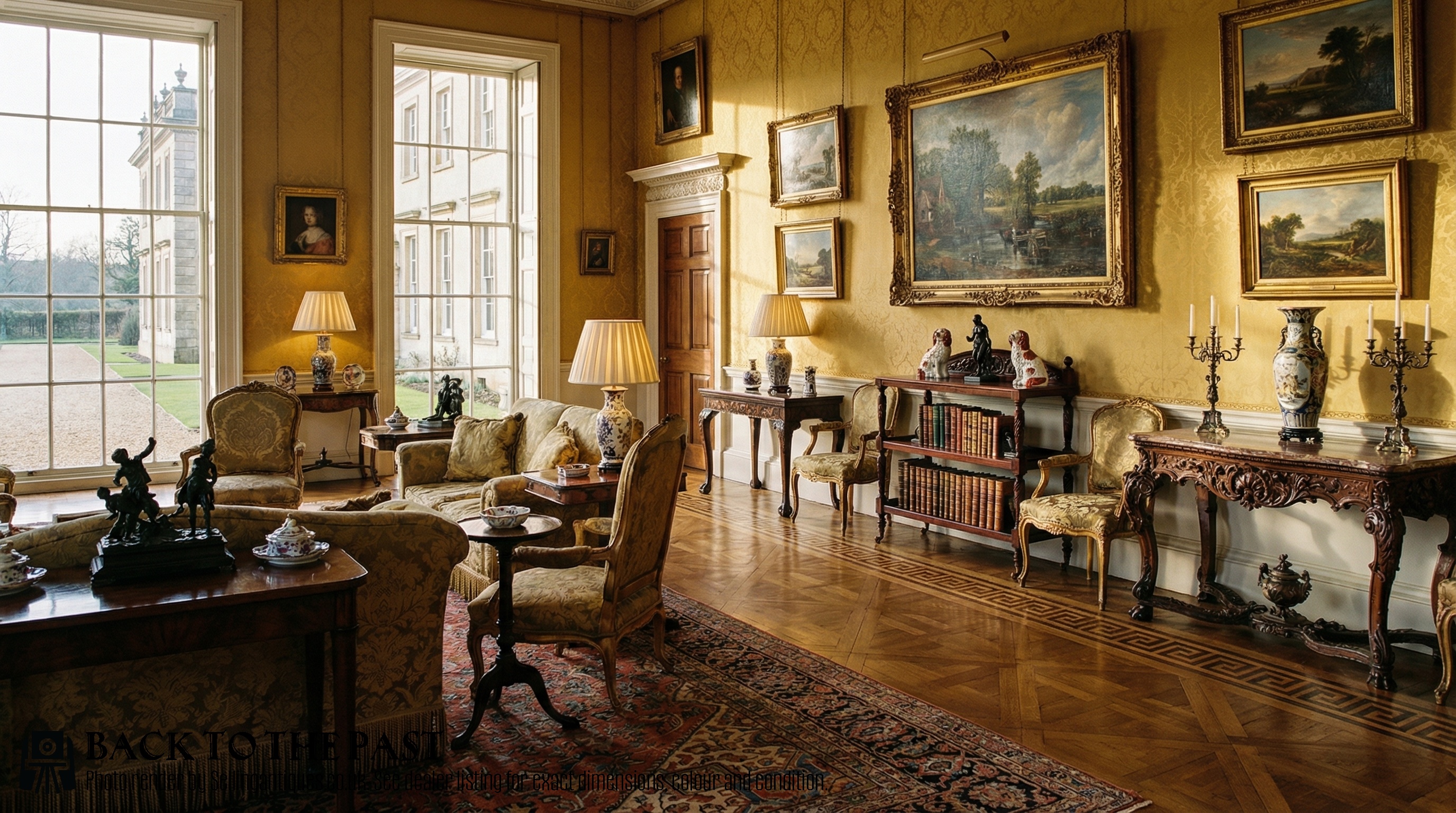
Gillows
The Mahogany Buffet Stand Glossary
- Dumb waiter
- A tiered serving table designed to hold dishes and glasses near a dining table without the need for servants. These pieces typically feature two or three graduating circular trays supported on a central column.
- Cuban mahogany
- A dense, dark timber harvested in the Caribbean, prized for its exceptional weight and deep grain patterns. Cabinet makers utilised it for high-status furniture during the Georgian period.
- Whatnot
- An open shelving unit with multiple tiers supported by slender uprights, used for displaying small objects or serving. Examples from the Regency and Victorian periods appear frequently.
- Tripod base
- A three-legged support system providing stability for revolving dumb waiters and occasional tables on uneven floors. These bases usually terminate in pad feet or brass castors.
- Etagere
- A set of open shelves or tiers designed for serving or display. The term describes slim multi-tiered buffet stands intended to save floor space.
Mahogany Buffet Stand: Frequently Asked Questions
What is a dumb waiter?
A dumb waiter is a multi-tiered serving table used in dining rooms to hold extra plates, glasses and dishes during meals.
By placing these items on revolving tiers within reach of the dining table, hosts could dispense with servants during private courses.
How do I use a buffet stand today?
A buffet stand serves well in modern dining rooms or living spaces as a drinks trolley, plant stand or display surface for glassware.
The tiered shelves provide vertical storage without taking up significant floor space in smaller rooms.
How do I date a mahogany stand?
Dating relies on the style of the timber turning, leg design and joinery methods visible across Georgian, Regency and Victorian eras.
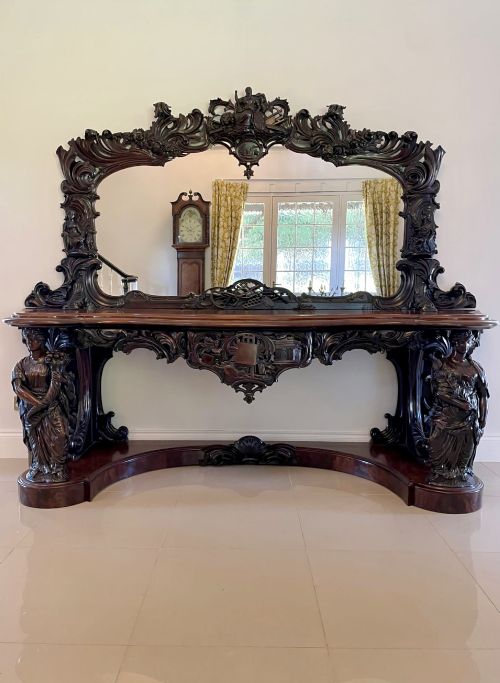
Earlier eighteenth-century pieces often feature simpler tripod bases and dense Cuban mahogany, while Victorian versions introduce carved details and revolving mechanisms.