
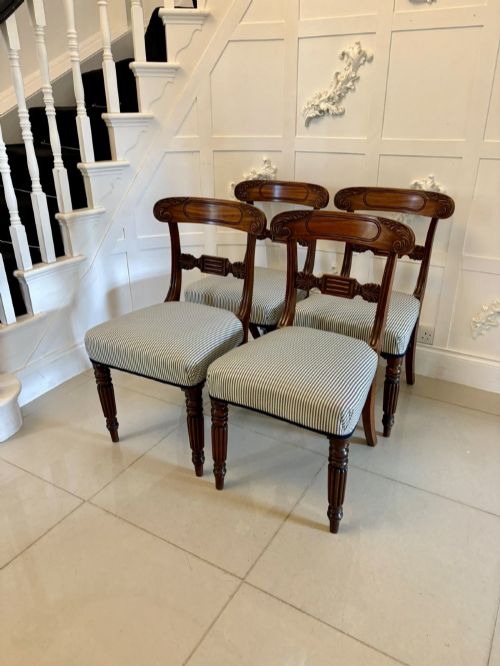
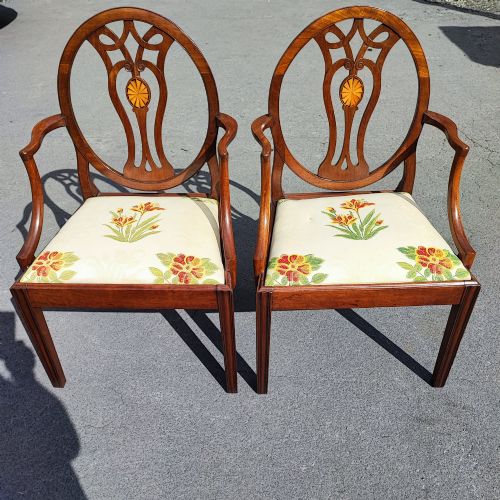
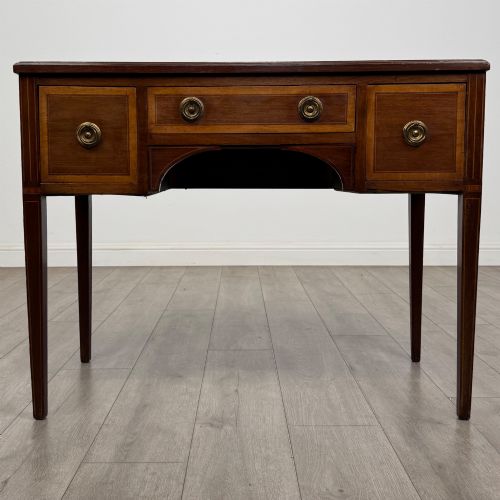
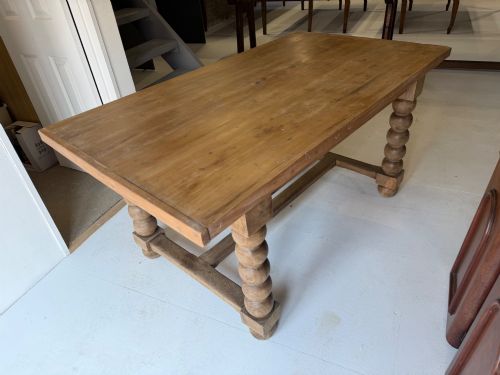
Antique Side Desk
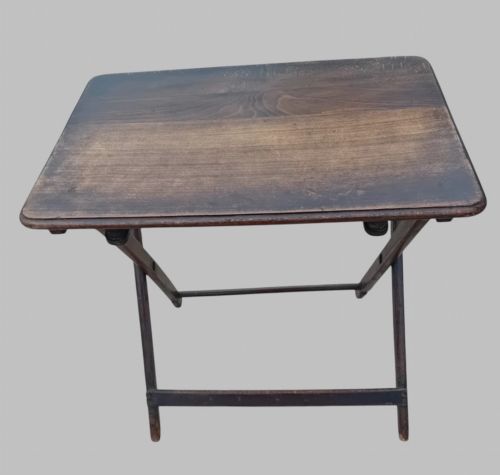
An antique side desk serves as a compact workspace or writing surface, combining practical utility with period craftsmanship.
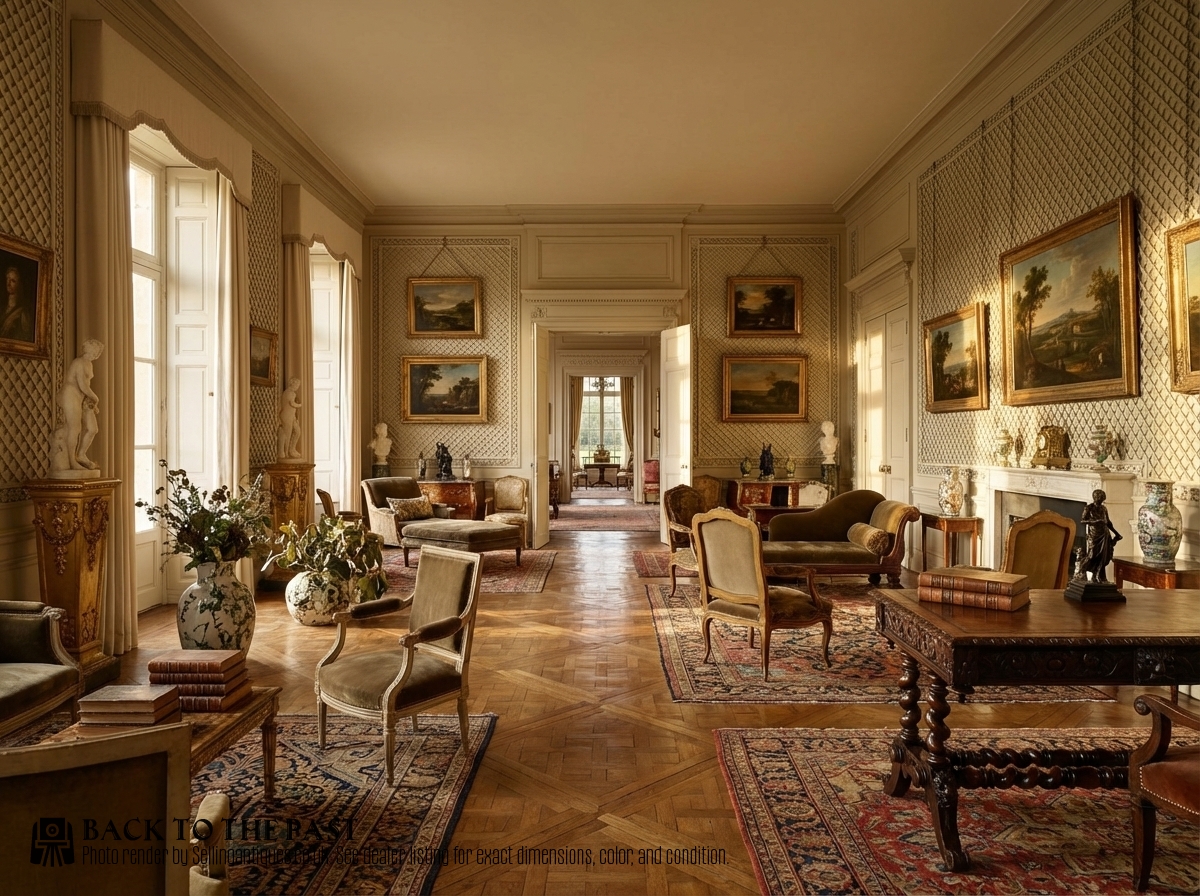
Antique Side Desk
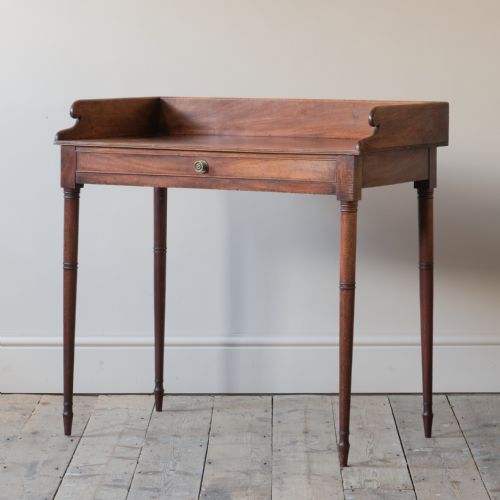
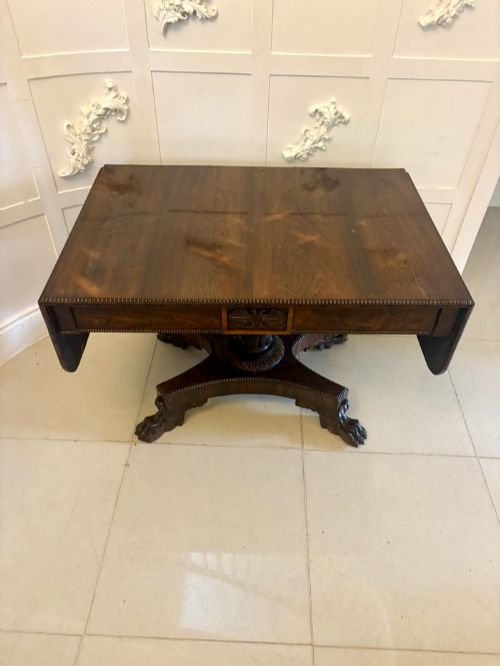
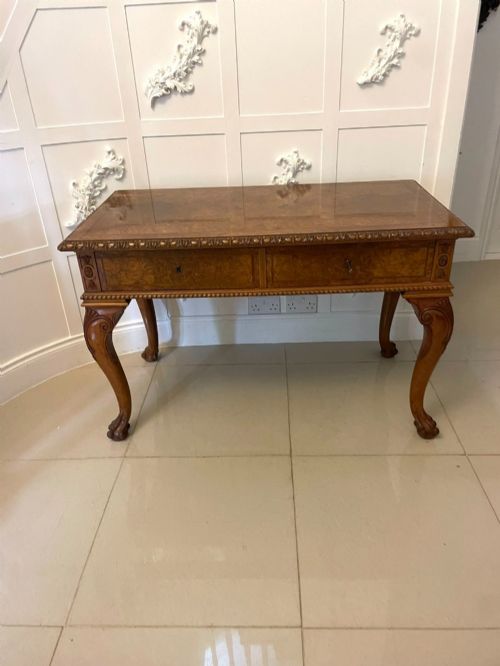
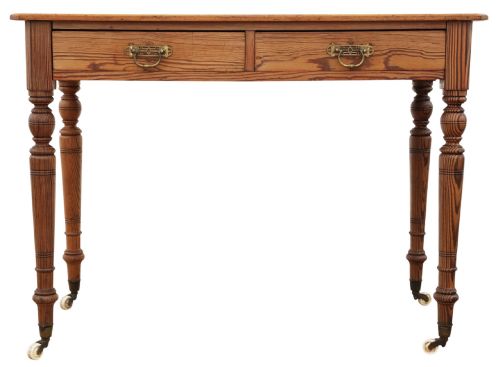
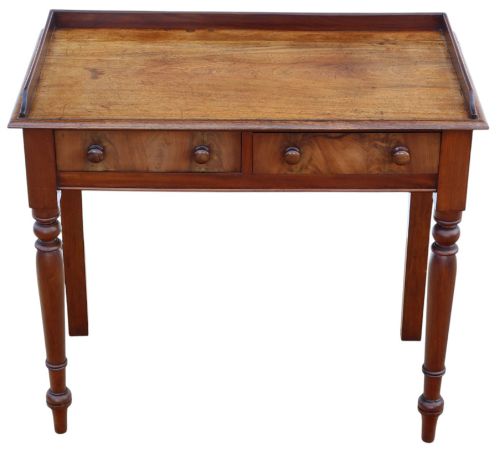
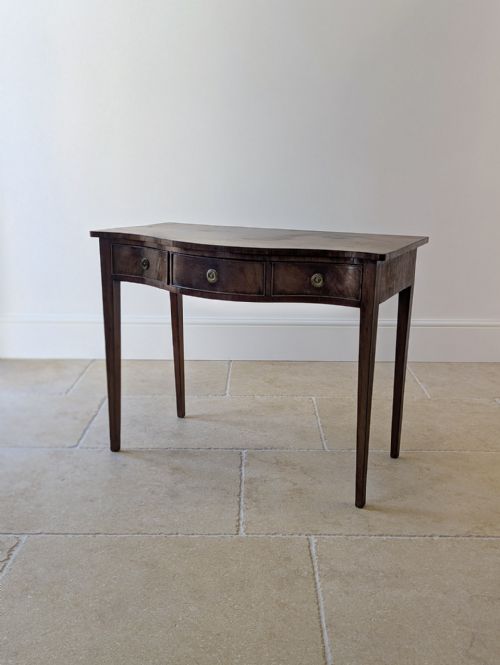
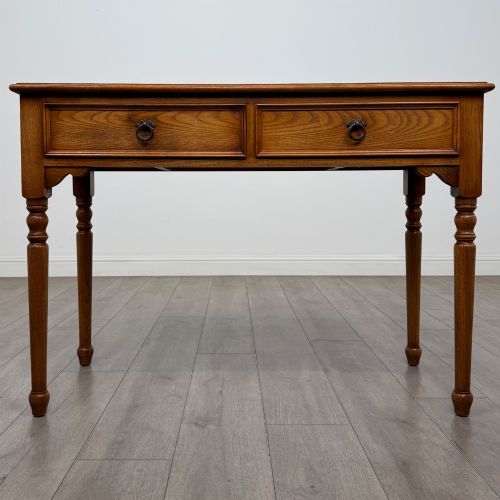
The term antique side desk covers a diverse group of compact writing tables, console tables with drawers, and occasional desks designed to stand against a wall or in a modest study. These pieces span multiple centuries, appearing in forms ranging from Georgian mahogany writing tables to Edwardian oak library desks and Victorian walnut examples.
Buyers will encounter various formats on this page, including freestanding desks, kneehole tables, and specialised side pieces fitted with drawers or leather writing surfaces. The selection draws heavily upon 18th-century, 19th-century, and early 20th-century craftsmanship in British, French, and Scottish styles.
How they were made
Cabinetmakers utilised solid timbers and decorative veneers, selecting mahogany, oak, walnut, and satinwood for their structural integrity and grain pattern. Secondary woods like pine and beech appear in interior framing and drawer construction.
Surface ornamentation involved parquetry, marquetry, and fine brass hardware, alongside hand-tooled leather inserts on writing surfaces. Joinery techniques relied on dovetailed drawer boxes and mortise and tenon frames, ensuring durability across decades of daily use.
Antique Side Desk Retail Price Guide 2026
Typical asking prices for side desk among the pieces listed under this phrase on Sellingantiques today, from the lower quarter to the upper quarter. They describe what is for sale here now, not the wider market.
What varies in quality
Quality rests primarily in timber selection and the precision of the cabinetmaker's joinery. Finely figured burr walnut, flame mahogany, and intricate satinwood inlay distinguish high-status pieces from utilitarian workshop output.
Hardware integrity and structural originality also define better examples. Pieces retaining their original brass pulls, unreplaced leather inserts, and stable, square frames command greater appreciation than heavily restored or altered equivalents.
JAS Shoolbred·Mappin & Webb's·Charles Tozer·Bell Barn Furniture·Gill & Reigate
The Antique Side Desk Glossary
- Marquetry
- Decorative veneer work arranged in pictorial or geometric patterns using various coloured woods. This technique requires exceptional precision from the artisan.
- Parquetry
- Geometric mosaic woodwork used for flooring or furniture surfaces. It creates repeating patterns such as squares, cubes, or herringbone.
- Frieze
- The central horizontal band of a piece of furniture situated beneath the top surface. Drawers are frequently integrated directly into this section.
- Lowboy
- A small dressing table or side table featuring one or more rows of drawers beneath a flat top. These pieces typically date from the 18th century.
- Satinwood
- A durable, lustrous timber native to India and Sri Lanka with a golden, reflective sheen. It was widely utilised during the Georgian and Regency periods for fine inlay.
Antique Side Desk: Frequently Asked Questions
Where should I place an antique side desk?
These compact pieces fit well in entryways, living rooms, or small home offices where floor space is limited. Their finished backs often allow them to stand freestanding in a room rather than strictly against a wall.
Consider natural light sources when positioning the desk to protect antique wood finishes and leather inserts from prolonged direct sunlight.
How can I tell a Georgian desk from a Victorian one?
Georgian desks typically exhibit restrained classical proportions, understated brass hardware, and dense mahogany or oak construction. Their design prioritises structural simplicity and clean architectural lines.
Victorian pieces often introduce revival styles, heavier carvings, burr walnut veneers, or mechanical elements. They reflect the industrial capabilities and stylistic experimentation of the 19th century.
Can I use an antique side desk for daily computer work?
Many historical desks accommodate modern laptops and small accessories, provided the writing surface dimensions match your equipment. Measure the kneehole height and width carefully to ensure comfortable seating clearance.
Keep in mind that historical drawer depths may not accommodate modern bulky office supplies or desktop towers. Protecting the antique writing surface with a blotter is recommended during active daily use.