


Antique Shop Display Counter
An antique shop display counter brings the tactile weight of high street history directly into a domestic interior.
Antique Shop Display Counter
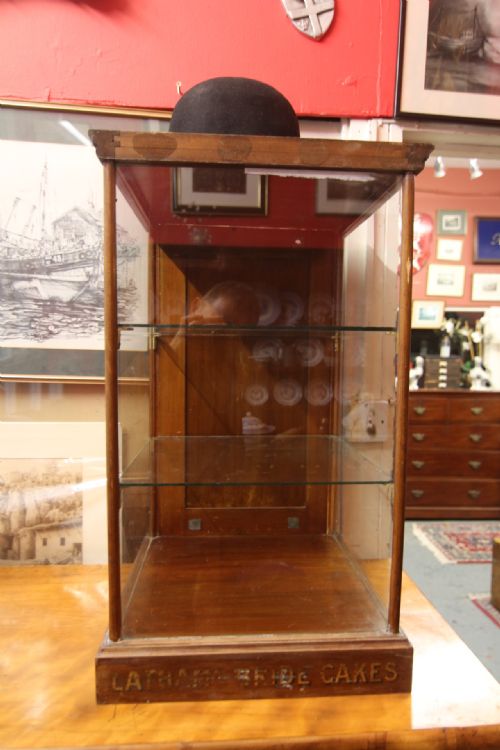
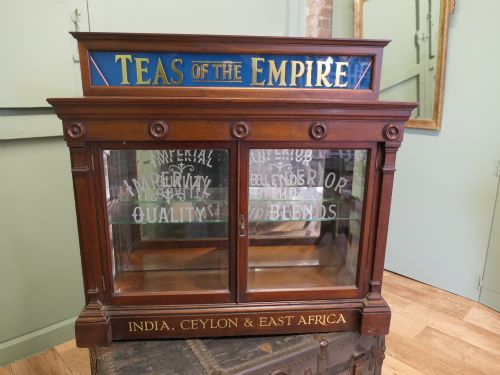
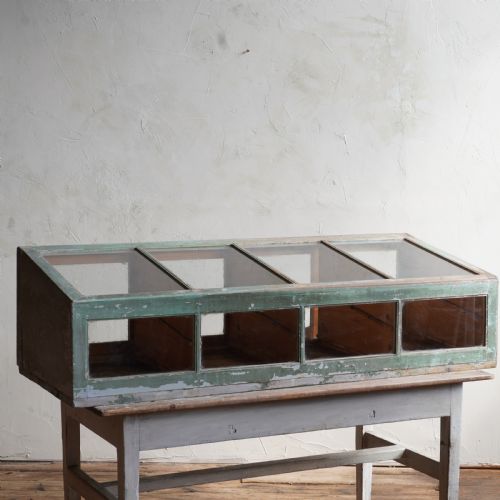
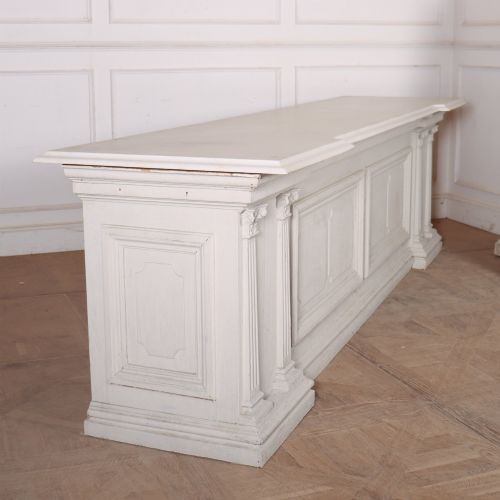
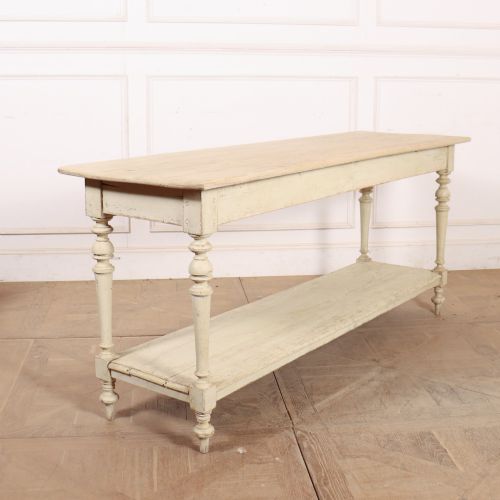
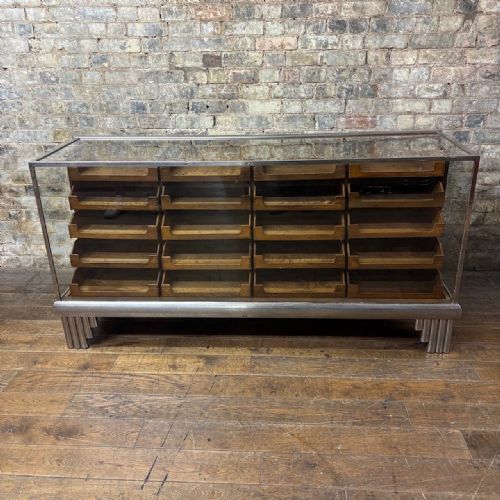
An antique shop display counter represents the heavy-duty utilitarian furniture designed for commerce across the nineteenth and twentieth centuries, spanning Victorian, Edwardian, and Art Deco eras. Buyers searching for this phrase encounter substantial timber counters, glazed display cabinets, and multi-drawer haberdashery units originating from British, French, and Italian retail spaces. These pieces combine deep storage with glazed upper sections or tabletops intended to showcase goods to customers.
Materials and construction methods
Makers built these commercial fixtures using durable hardwoods such as mahogany and oak alongside pine for structural carcases, ensuring the furniture withstood daily retail traffic. Glass panels were integrated into timber frames or secured with brass fittings to protect merchandise while maintaining visibility for shoppers.
Joinery techniques prioritised rigidity and repeated use, evident in substantial banks of drawers, dovetailed joints, and cast iron or brass support elements. Surfaces often received painted finishes, polished timber treatments, or ebonisation, while specific commercial units integrated chrome details and mirrored backs to enhance interior illumination.
Antique Shop Display Counter Retail Price Guide 2026
Typical asking prices for shop display counter among the pieces listed under this phrase on Sellingantiques today, from the lower quarter to the upper quarter. They describe what is for sale here now, not the wider market.
Listings feature oak, mahogany, pine, and brass across nineteenth-century and early twentieth-century periods.
Distinctions in craftsmanship and survival
Quality in these commercial pieces rests upon the integrity of the original timber frame, the clarity of the glass panels, and the retention of working ironmongery. Finer examples feature secondary woods of high grade, precise glazing bars, and maker signatures from established commercial outfitters rather than anonymous workshop production.
The degree of original surface wear separates standard utility items from desirable survivals, with untouched painted finishes or patinated mahogany holding distinct character. Alterations to glass, missing drawer pulls, or replaced timber panels diminish the historical cohesion of the piece.
F. Sage & Co·Dudley & Co·John Stow Ltd
The Antique Shop Display Counter Glossary
- Haberdashery cabinet
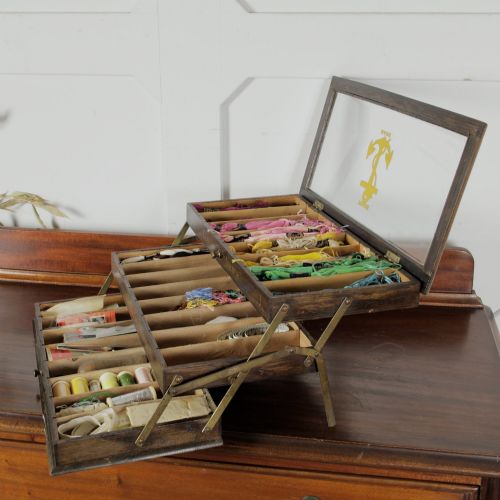
- A multi-drawer retail unit traditionally used for storing small sewing goods like buttons and threads. These cabinets feature shallow drawers, sometimes with glass fronts to display contents.
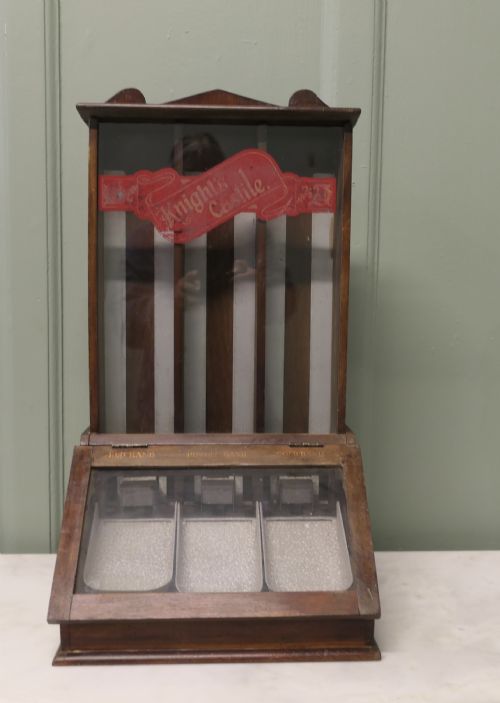
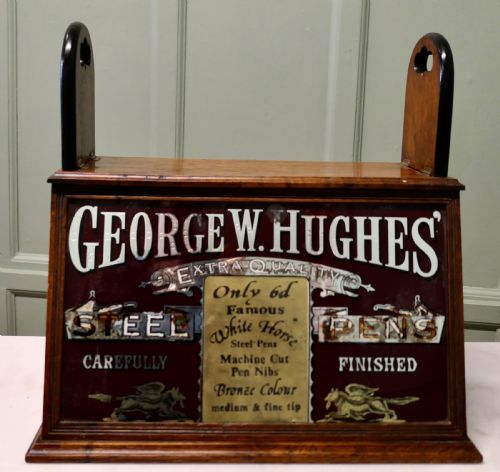
- Countertop display cabinet
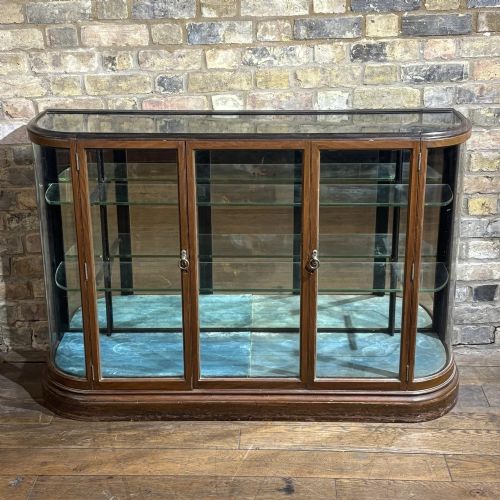
- A glazed miniature showcase designed to sit atop a larger shop counter for high-value items. They protect small goods while keeping them at eye level for customers.
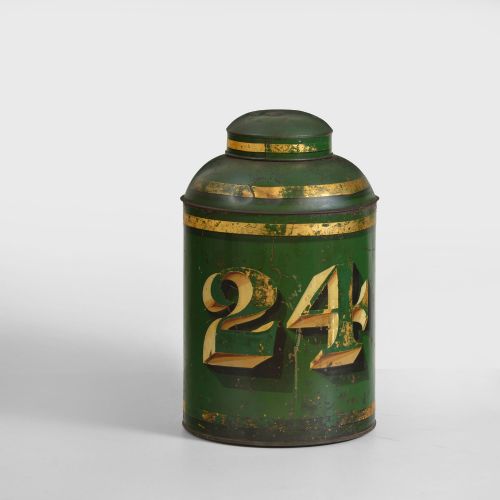
- Toleware
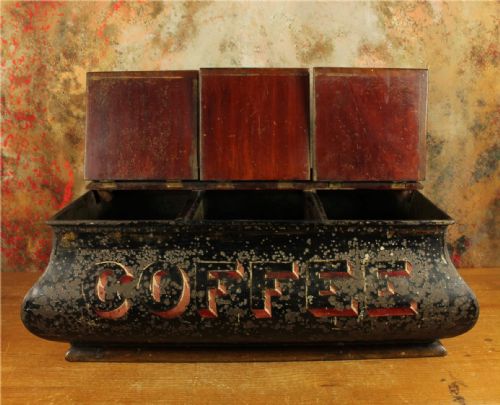
- Painted or japanned metalware popular during the nineteenth century. These objects include functional shop boxes and tins finished with decorative pigmented varnishes.
- Bow end
- A curved structural termination to a counter or cabinet front. This technique softens rigid angles and provides wider viewing angles into the display space.
- Bank of drawers
- An assembly of multiple small drawers stacked vertically and horizontally within a single housing. They served pharmacies and drapers for systematic stock organisation.
Antique Shop Display Counter: Frequently Asked Questions
How were these counters used in shops?
Merchants used these counters to serve customers across the top surface while displaying delicate goods safely beneath glass panels. The internal shelving and drawers kept stock organised and within reach of the shopkeeper.
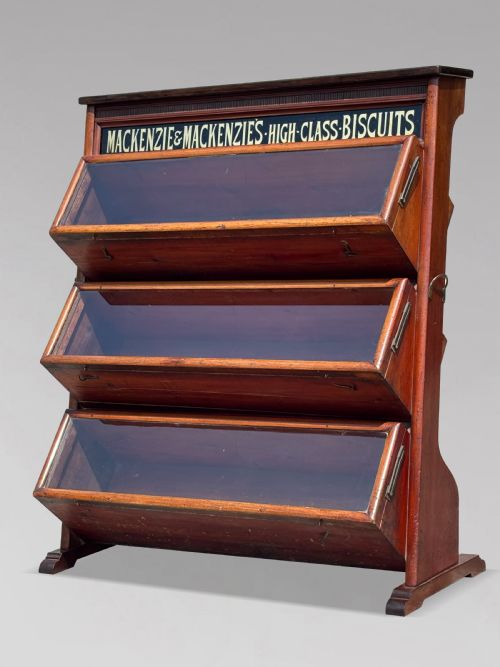
Larger configurations divided the retail floor and created a barrier between the public and the main inventory. Specialised variants held specific goods like tobacco, confectionery, or sewing threads.
Where do these shop fittings originate?
The pieces originate from commercial premises across Britain and Europe, including drapers, chemists, grocers, and jewellers. Outfitters designed them for heavy, daily use in high street shops.
Many bear the specific structural traits of British cabinet makers or French provincial workshops. Their design directly reflects the commercial needs of the nineteenth and early twentieth centuries.
How do I clean a glazed wooden counter?
Clean the timber surfaces using a dry or barely damp cloth to protect the aged polish or original paint. Avoid harsh chemical sprays that can strip historic finishes from mahogany or oak.
Use standard glass cleaner on the viewing panels, applying it to the cloth rather than directly onto the glass to prevent moisture seeping into the wooden frame joints.
Can I use a display counter at home?
These counters function well in domestic settings as kitchen islands, sideboards, or living room display storage. Their deep drawers and glass tops accommodate collections, tableware, or everyday items.
Placing them in a home requires measuring floor space carefully, as commercial proportions are often deeper and longer than standard domestic furniture.