


Glass and Brass Showcase
A glass and brass showcase brings structure and light to small treasures, turning everyday surfaces into private exhibitions.
Glass and Brass Showcase
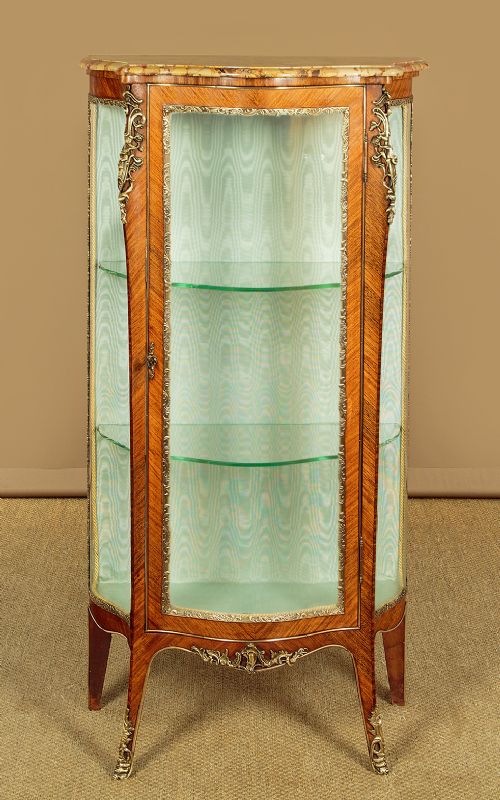
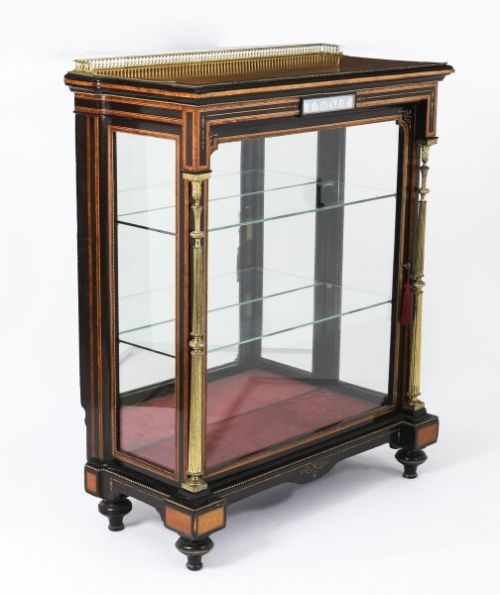
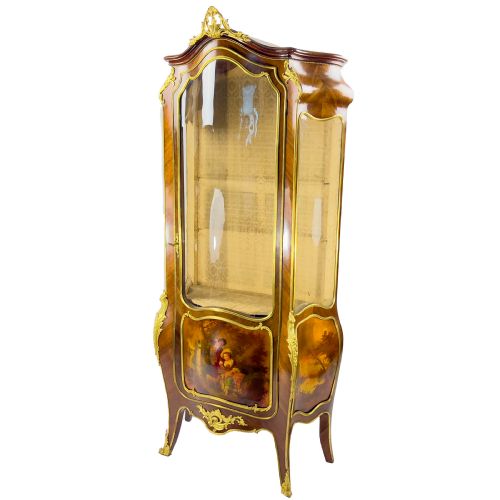
When you search for a glass and brass showcase, you encounter refined display furniture designed to protect precious objects while offering unobstructed viewing from multiple angles. These pieces range from intimate table cabinets and jewellery boxes to substantial shop counters and freestanding vitrines.
The selections span several distinct eras, appearing in nineteenth-century Victorian forms alongside Edwardian commercial fittings and 1920s pieces. You will find domestic bijouterie tables alongside large counters originally built for retail premises.
The primary function remains the exhibition of valuables, whether through table-height viewing panes or upright glass shelves enclosed in metal framing. Each iteration balances structural support with maximum visibility for the contents within.
Materials and construction
The framework relies heavily on brass and ormolu mounts to secure the glazed panels while adding structural definition to the corners and cornices. Timber frames in mahogany, walnut, amboyna, and ebonised wood frequently provide the internal or base support for these metal and glass structures.
Interiors often incorporate velvet linings to cushion delicate items, alongside mirrored backs designed to reflect light through the displayed objects. Glazing techniques range from flat panes to curved and oval glass enclosing the display space.
Listings feature brass and glass display cases spanning from the nineteenth century through the 1930s, incorporating woods such as mahogany, walnut, and kingwood.
Distinctions in quality
Superior examples distinguish themselves through the precision of their metal mounts and the choice of cabinet timbers such as burr walnut, rosewood, or kingwood. Fine quality is evident in the weight of the brass framing and the seamless integration of curved or bevelled glass panels.
The presence of specialised hardware, including working locks and finely cast ormolu, separates standard commercial items from exceptional domestic vitrines and maker-signed pieces. Construction depth, from simple countertop boxes to complex parquetry cabinets with painted panels, marks the upper tier of the range.
F. Sage & Co.·Siegel
The Glass and Brass Showcase Glossary
- Vitrine
- A glass display cabinet used primarily for ceramics, curiosities, or fine objects. These pieces often feature glazed doors and sides.
- Bijouterie table
- A low display table with a glazed top, designed specifically for holding jewellery, medals, and small trinkets at a comfortable viewing height.
- Ormolu
- Gilt bronze mounted onto furniture or decorative objects to provide ornate metallic enrichment. This technique involves applying a mercury and gold amalgam to bronze.
- Pier display cabinet
- A decorative cabinet designed to fit against a specific wall space or pier between windows. These pieces often incorporate mirrors to enhance light reflection.
- Parquetry
- Geometric wood mosaic work used for decorative surface patterns on cabinet exteriors. Craftsmen assemble small blocks of contrasting timber to form precise patterns.
Glass and Brass Showcase: Frequently Asked Questions
How do I clean the glass safely?
Use a soft microfibre cloth with a mild glass cleaner sprayed onto the cloth rather than directly onto the cabinet. This prevents moisture from seeping into the brass framing or damaging the internal velvet lining.
Take care around old solder joints and delicate metal mounts during cleaning to avoid loosening the structural components.
Where should I place a table cabinet?
Position your tabletop showcase away from direct sunlight to protect sensitive textiles and jewellery from fading over time. A stable surface such as a sideboard or chest provides adequate support.
Ensure the location offers sufficient ambient light so the glazed panels and mirrored interiors can properly illuminate your displayed items.
Can these cases hold heavy items?
These display pieces are constructed primarily for lightweight treasures, jewellery, and small curiosities rather than heavy stoneware or large books. The glass shelves and delicate brass frames require mindful loading to maintain structural integrity.
Distribute weight evenly across the shelves and consult the specific framework strength before placing denser objects inside.
How do I identify the period?
Examine the timber choices, hardware styles, and construction methods used in the frame. Victorian and Edwardian examples often feature distinct wood veneers and specific lock mechanisms.
Maker stamps or commercial badges on shop counters and vitrines offer the most reliable confirmation of manufacturing date and origin.