


1920s Haberdashery Counter
These pieces are a 1920s haberdashery counter, sturdy shop fittings built for display and service that bring authentic commercial history into domestic spaces.
1920s Haberdashery Counter
A 1920s haberdashery counter is a robust piece of commercial furniture designed for retail display and serving customers in shops. The versions most commonly met on this page include mahogany and oak countertop display cabinets, large shop serving counters, and specialised drapers drawer units.
The objects span the Edwardian era and the 1920s, showing commercial styles that prioritize visibility and organisation. Makers such as F. Sage & Co. and Pollards produced these fixtures for drapery and retail trades, incorporating glass display areas and functional drawers.
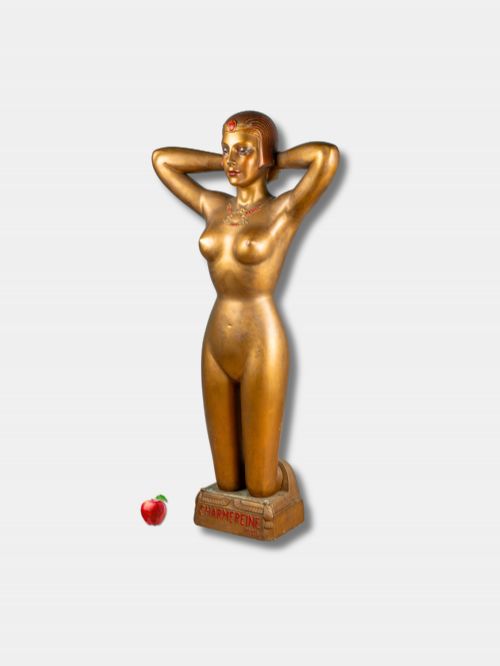
Beyond standard serving counters, the evidence includes pentagonal display counters, apothecary countertop cabinets, and lingerie advertising mannequins like the Paris piece by Charmereine. Each item reflects the specific demands of early twentieth-century shopkeeping, from small countertop units to large floor-standing display cases.
How they were made
These counters and cabinets rely on heavy timber framing, primarily using mahogany and oak for structural durability and polished surfaces. Glazed panels and glass doors protect the contents while offering a clear view of goods, supported by brass hardware and velvet linings.
Parisian lingerie advertising mannequins share shop floor space with heavy drapers counters, proving that early retail took glamour very seriously.
What varies in quality
The distinction between standard utility counters and superior pieces rests on the choice of timber and the complexity of the cabinetry. Finer examples feature well-figured mahogany, sophisticated joinery, and recognizable maker signatures such as F. Sage & Co. or Pollards.
The integrity of original glass panels, brass fittings, and working drawer mechanisms separates well-preserved items from heavily altered ones. Integrated details like Art Deco legs or specialised advertising elements elevate the character of a piece above basic shop utility.
Charmereine·F. Sage & Co.·Pollards
The 1920s Haberdashery Counter Glossary
- Countertop display cabinet
- A smaller glazed case designed to sit upon a main shop counter for viewing small items. These units keep delicate goods visible while protected from handling.
- Drapers counter
- A long shop table or cabinet traditionally used for measuring and selling fabrics. They often incorporate rows of shallow drawers for needles, threads, and ribbons.
- Shop serving counter
- A substantial wooden barrier behind which shopkeepers stood to serve customers. They combine a solid top for transactions with display shelving or storage at the rear.
- Advertising display
- Specialised figures or cases intended to promote specific goods within a retail environment. The category includes French lingerie mannequins made of plaster and paint.
- Art Deco style legs
- Structural supports shaped in the geometric and streamlined fashion characteristic of the interwar period. They lift heavy display cases to give a lighter aesthetic.
1920s Haberdashery Counter: Frequently Asked Questions
What are these counters used for today?
These counters serve well as kitchen islands, retail display units, or statement storage pieces in residential and commercial spaces. Their glass panels and deep drawers provide practical organisation while maintaining a historical aesthetic.
They function effectively as room dividers or sideboards in large living areas. The display tops allow collectors to exhibit objects securely within domestic settings.
How do I care for the wood and glass?
Maintenance requires regular dusting with a soft, dry cloth to protect timber surfaces from moisture and direct sunlight. Avoid harsh chemical polishes that can degrade original finishes on mahogany and oak.
Glass panels benefit from standard non-ammonia glass cleaner applied sparingly to a cloth rather than sprayed directly. This prevents moisture from seeping into old wooden frames and brass mounts.
How can I tell a 1920s counter from an Edwardian one?
Distinguishing between the two periods involves examining hardware styles, timber treatment, and overall joinery characteristics. Edwardian pieces often retain heavier, more traditional proportions, whereas 1920s examples may incorporate transitional motifs or cleaner commercial lines.
Maker plaques and stylistic touches like Art Deco legs help pinpoint the manufacturing era. Comparing construction methods against documented workshop practices provides further clarity.
Are these counters suitable for small rooms?
Countertop cabinets and smaller drawer units fit easily into compact spaces without dominating a room. Larger serving counters require substantial floor space and careful clearance planning.
Measuring the intended room and checking dimensions against the specific cabinet size ensures proper placement. Pentagonal and corner options offer alternative layouts for awkward spaces.