

Antique Shaped Top Table
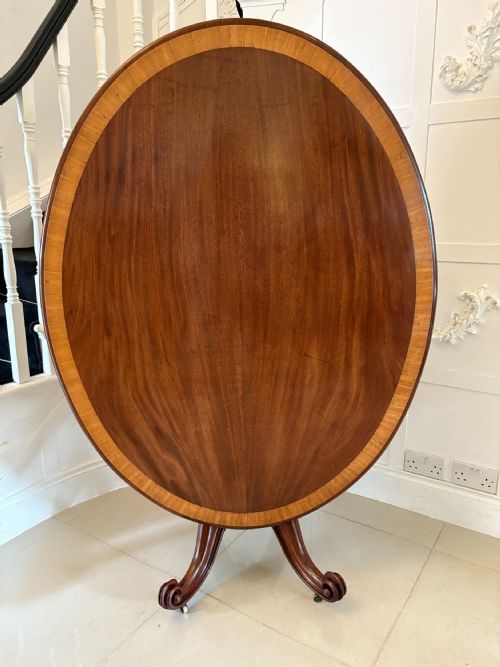
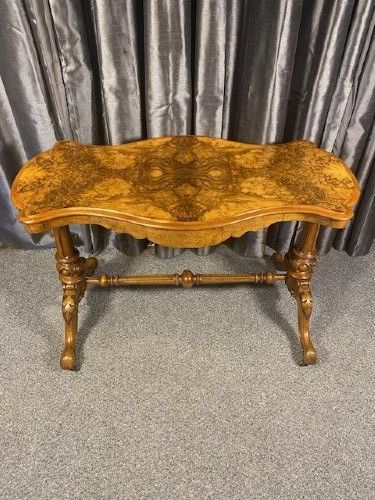
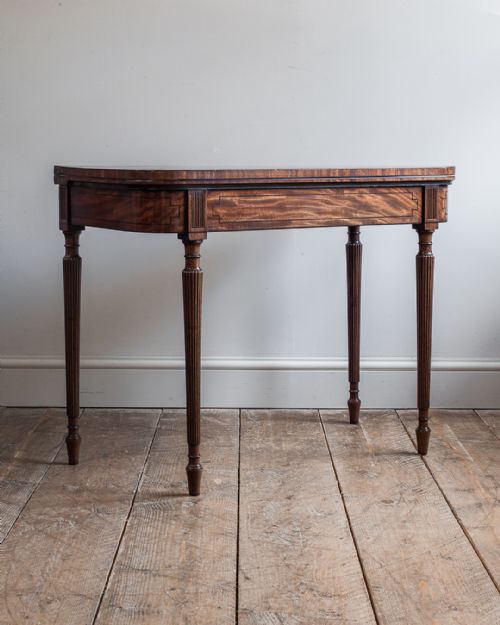
An antique shaped top table brings subtle curves and varied timber grains to a room, offering functional surfaces from writing desks to centre tables.
Antique Shaped Top Table
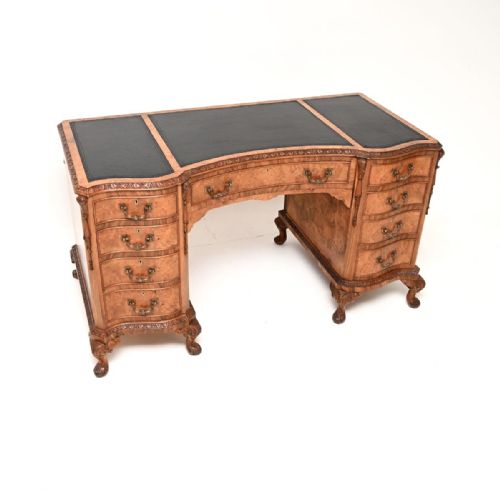
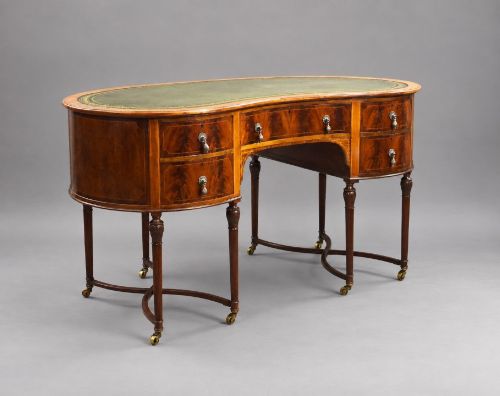
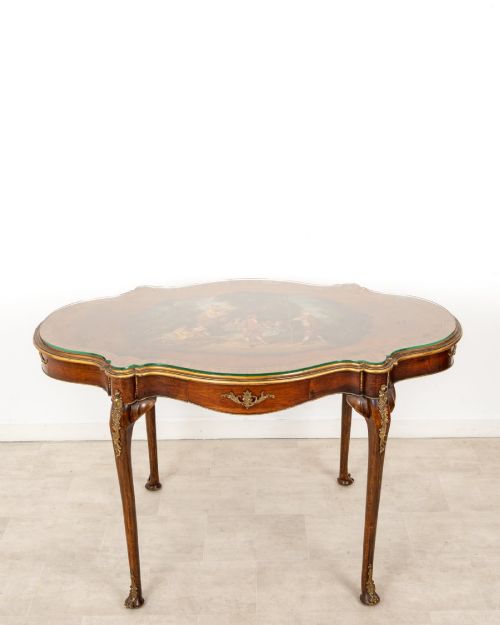
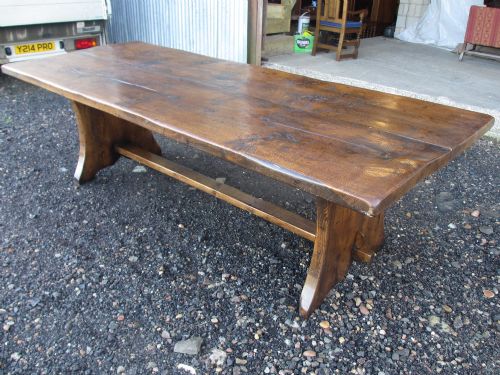
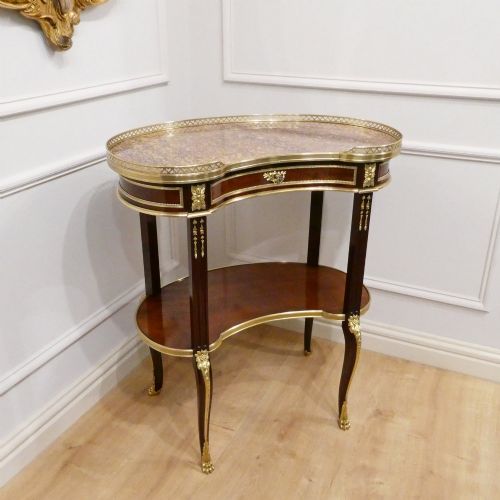
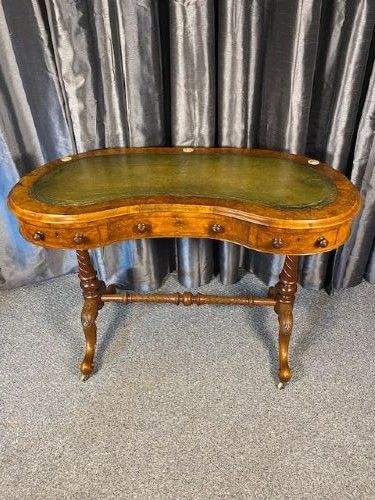
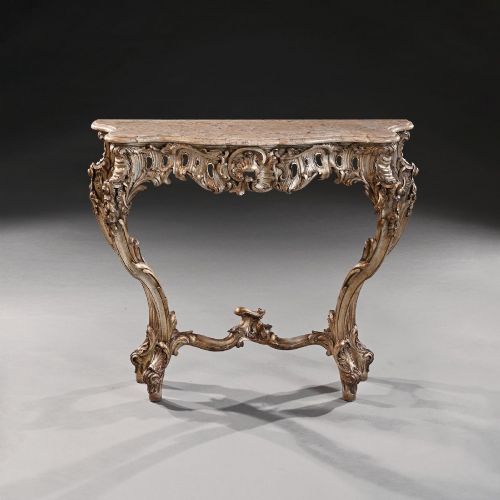
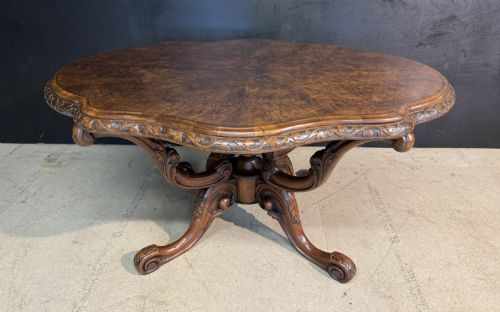
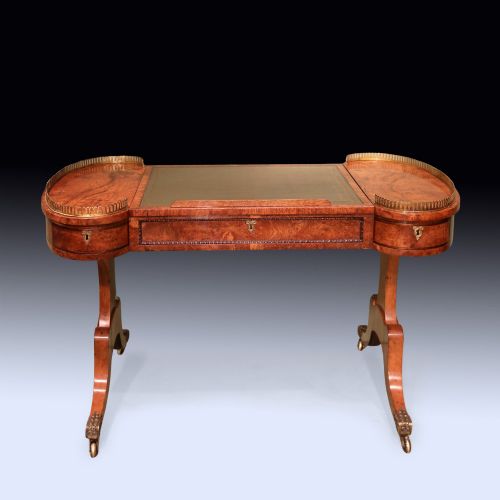
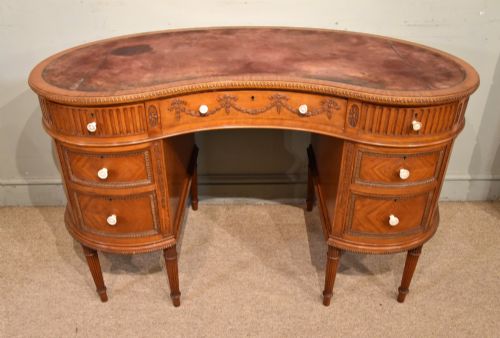
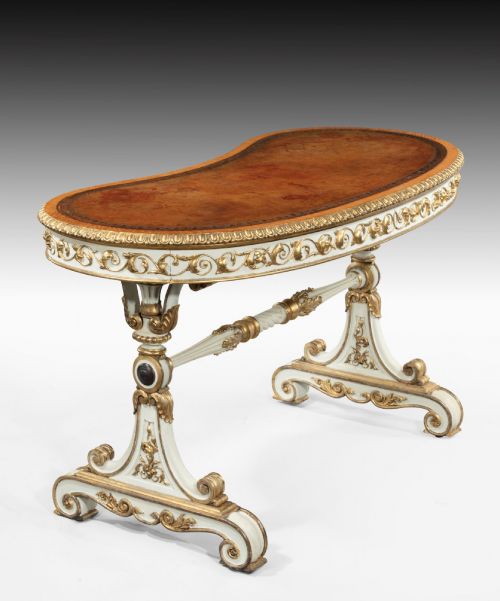
When you search for an antique shaped top table, you encounter an array of forms defined by serpentine, kidney, clover, oval, and D-shaped profiles. These pieces serve multiple domestic functions, spanning desks, writing tables, side tables, centre tables, console tables, and occasional dining surfaces.
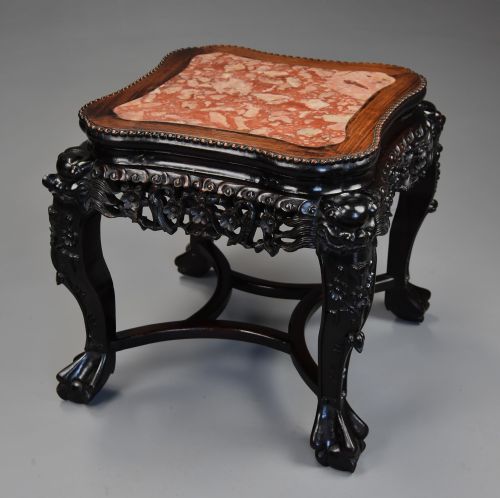
The material palette is richly varied, drawing upon mahogany, burr walnut, oak, satinwood, rosewood, and kingwood, frequently paired with inset leather writing surfaces or marble tops. Production spans the eighteenth century through to the Edwardian period, incorporating Victorian craftsmanship and revival styles.
Kidney-shaped writing desks and burr walnut centre tables represent the most prevalent forms encountered on this page. Makers such as Maple & Co and Maison Millet contributed sophisticated examples utilising marquetry and fine veneers.
Materials and construction
Cabinet makers utilised dense hardwoods like mahogany, walnut, and oak as the foundational structure, applying figured veneers such as burr walnut and flame mahogany to visible surfaces. Satinwood and kingwood provide contrasting tones, particularly in marquetry and inlaid decorative schemes.
Specialised surfaces integrate tooled leather writing inserts, gilt bronze or ormolu mounts, and inset marble slabs. Frame construction incorporates carved details, giltwood, and shaped trestle ends suited to the specific demands of desks, consoles, and centre tables.
Listings feature pieces spanning the eighteenth century, nineteenth century, and Edwardian eras, utilising marble, leather, and ormolu.
Assessing quality and distinction
The standard of timber selection heavily influences the character of each piece, distinguishing simple utility items from finely figured burr walnut and flame mahogany examples. The precision of marquetry inlay and the crispness of carved wooden details reveal the maker's hand.
Structural integrity depends on the retention of original brass hardware, leather inserts, and marble tops. Pieces bearing identifiable signatures or stamps from established workshops indicate higher tier production during their respective periods.
Maison Millet·Maple and Co·Wolfe and Hollander
The Antique Shaped Top Table Glossary
- Kidney-shaped
- A curved, indented desk or table profile designed to fit closely against the user.
- Marquetry
- Decorative veneer patterns assembled from various woods to form pictorial or geometric designs.
- Ormolu
- Gilded bronze mounts applied as decorative ornaments to furniture frames.
- Serpentine
- A gentle undulating line curving outward then inward, frequently seen on table edges and console fronts.
- Tilt-top
- A tabletop mechanism allowing the surface to pivot upright for storage when not in use.
Antique Shaped Top Table: Frequently Asked Questions
What rooms suit an antique shaped top table?
These tables adapt easily to studies, drawing rooms, and hallways depending on their specific form. Desks and writing tables function practically in workspaces, while console and centre tables anchor formal living areas.
Their curved profiles soften the geometry of a room, fitting neatly into corners or floating as central display pieces.
How do I identify the period of a table?
Dating relies upon timber choices, structural joinery, and stylistic revival markers. Eighteenth and early nineteenth-century pieces often display simpler linear proportions or heavy mahogany construction, while Victorian and Edwardian examples lean into marquetry and varied veneers.
Maker stamps and specific hardware styles further narrow the date of manufacture.
Are marble top tables difficult to maintain?
Marble surfaces require basic care to prevent staining from acidic liquids and oils. Regular wiping with a damp cloth keeps the stone clean without damaging the polish.
The heavy marble inserts sit securely within the wooden frames of console and occasional tables.
What is the difference between a centre table and a side table?
Centre tables are finished on all sides to stand freely in the middle of a room as a focal point. Side tables feature a finished front and sides, designed to sit flush against a wall.
Both variants frequently incorporate shaped tops and decorative timber veneers.