




Antique Service Bell
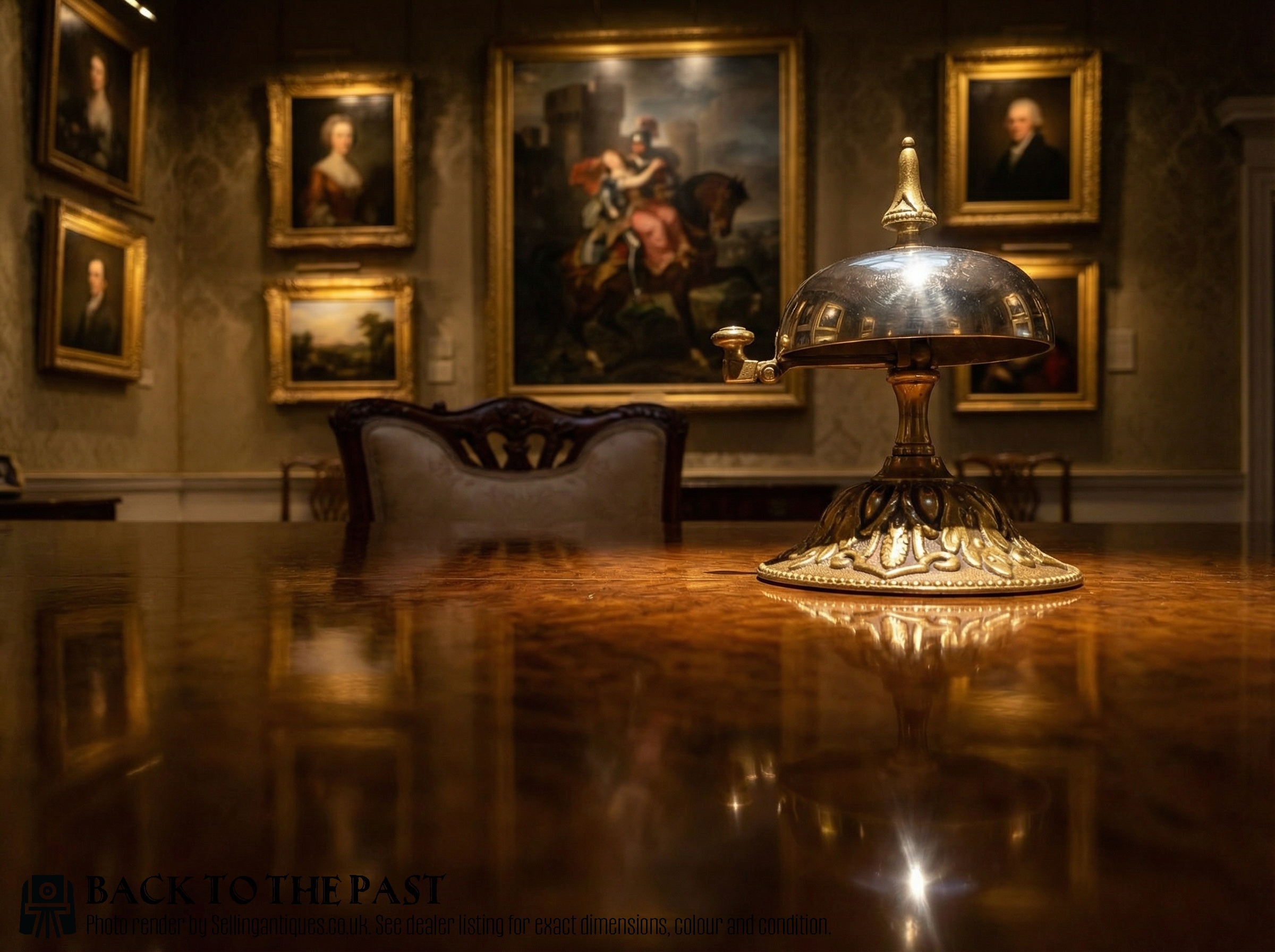
An antique service bell brings a crisp, functional chime to a desk, counter or tea table, offering tactile charm that collectors prize.
What these pieces are
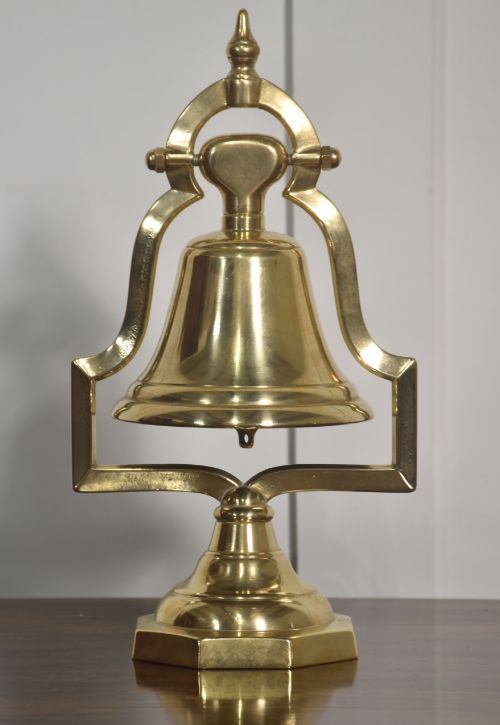
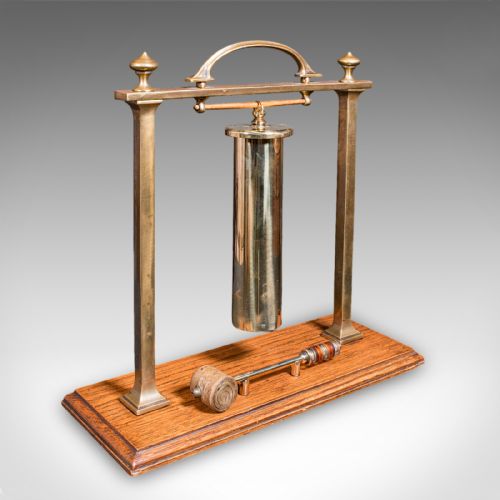
An antique service bell comprises domestic and commercial signalling devices designed for summoning attention in homes, shops and hospitality venues. The selection spans desk bells, counter bells, table bells, hand bells, and larger veranda supper bells with gongs.
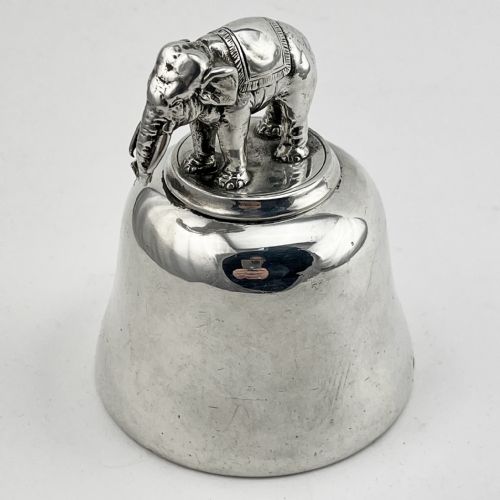
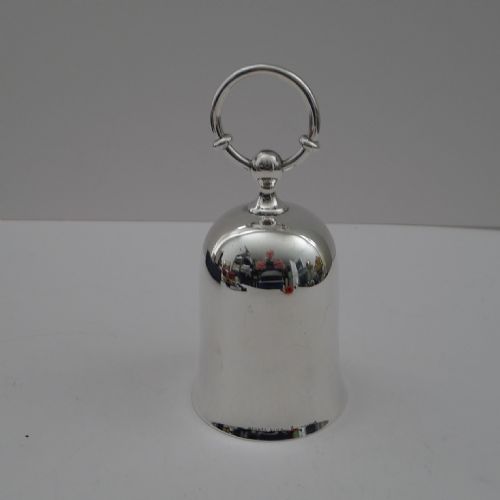
Most examples encountered here date from the nineteenth and twentieth centuries, covering Victorian, Edwardian, and later revival styles. Forms range from simple polished brass desk pieces to ornate silver-plated designs mounted on oak bases.
Origins include utilitarian shop counters and domestic dining rooms, reflecting a period when staffed environments relied on mechanical sound for communication. Buyers find everything from intimate tea bells to heavy-duty pub and counter apparatus.
How they were made
Construction relies heavily on cast brass, polished brass, and silver plate, often paired with wooden elements such as oak bases. Metals are shaped through founding and turning, creating resonant domes and robust striking mechanisms.
Detailing involves decorative casting in styles like Renaissance Revival and Victorian revival, alongside turned wooden mounts and bone components. Finishes vary from bright polished surfaces to silver plating applied over base metal foundations.
Retail Price Guide 2026
Typical UK retail prices for service bell, calculated from the Sellingantiques database of over a million retail prices indexed since 2003. This retail price guide relies exclusively on Sellingantiques data; no external sources or auction records are used, so the figures do not describe the wider market.
Listings feature items spanning the Edwardian period, 1900, 1920, 1960, the nineteenth century, and 1890, utilising brass, silver plate, oak, silver, and bone.
What varies in quality
Quality rests in the weight of the metal, the clarity and resonance of the chime, and the integrity of the mounting materials. Heavier cast brass domes and substantial oak bases distinguish superior specimens from lighter, purely decorative items.
The sophistication of the casting and plating work dictates the aesthetic standing of a piece. Ornate Renaissance Revival detailing and well-preserved silver plate separate high-status desk and table bells from standard utilitarian hardware.
The Antique Service Bell Glossary
- Counter bell
- A bell designed to sit on a shop or hotel counter, engineered to project sound across a busy room when the plunger is pressed. These often feature heavy brass bases to withstand daily retail use.
- Veranda supper bell
- A larger hanging gong apparatus often mounted on an oak backplate for afternoon tea or outdoor dining. They produce a deeper, more resonant tone than small desk models.
- Renaissance Revival
- A nineteenth-century design style drawing inspiration from fifteenth- and sixteenth-century art and architecture. Pieces in this manner display classical ornamentation and robust sculptural casting.
- Silver plate
- A thin layer of silver bonded to a base metal such as brass or copper. It provides the visual appeal of solid silver with greater durability for utilitarian objects.
Frequently Asked Questions
How do I date a brass service bell?
Dating relies on stylistic clues, manufacturing techniques, and materials recorded in the piece. Victorian and Edwardian examples often exhibit distinct casting patterns and fastener types.
Examining the wear on striking mechanisms and the composition of the base helps narrow the period of origin alongside any hallmarks or registration marks.
Where were counter bells used?
Counter bells saw service in shops, hotels, and public houses where staff needed summoning from back rooms. Their loud, clear chime cut through ambient noise.
Domestic variants served similar purposes in larger households, placed on dining tables or in hallways for servants.
Are silver-plated bells hard to clean?
Silver plate requires gentle maintenance with appropriate metal polishes to preserve the plating over the base metal. Excessive cleaning can wear away the thin silver layer.
Regular dusting and occasional careful treatment keep the surface bright without harming antique finishes.
What is the difference between a desk bell and a hand bell?
Desk bells generally stay in one fixed position on a flat surface, operated by a plunger or striking lever. They are built with heavy bases for stability.
Hand bells are lifted and shaken by a handle, allowing the user to carry them or ring them with varying intensity.