





Antique Desk Bell
An antique desk bell combines practical summons with tactile desktop presence, drawing collectors through varied materials like polished brass, sterling silver, and carved wood.
Antique Desk Bell
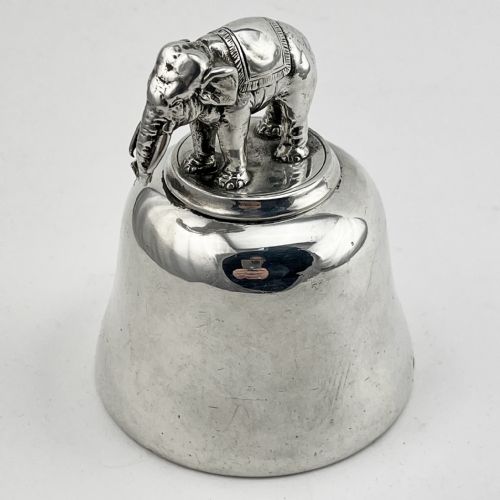
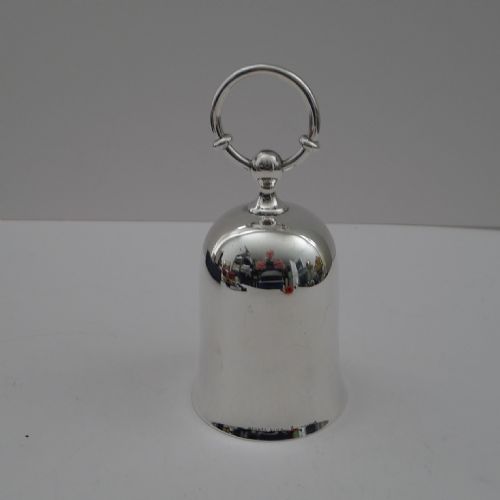
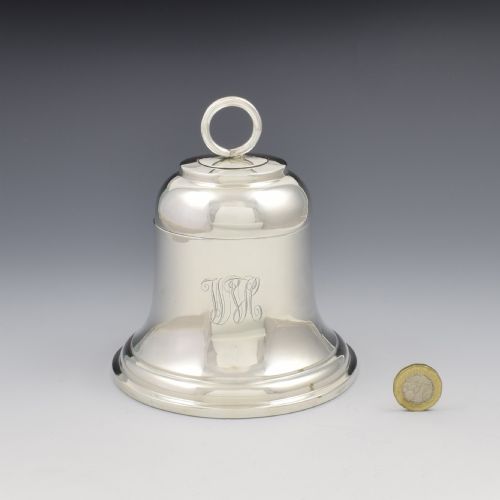
An antique desk bell serves as a functional calling instrument and a decorative accessory for writing furniture, hotel reception counters, and country house studies. These pieces appear across Victorian, Edwardian, and early twentieth-century periods in forms ranging from simple hand-operated plungers to mechanical animal figures.
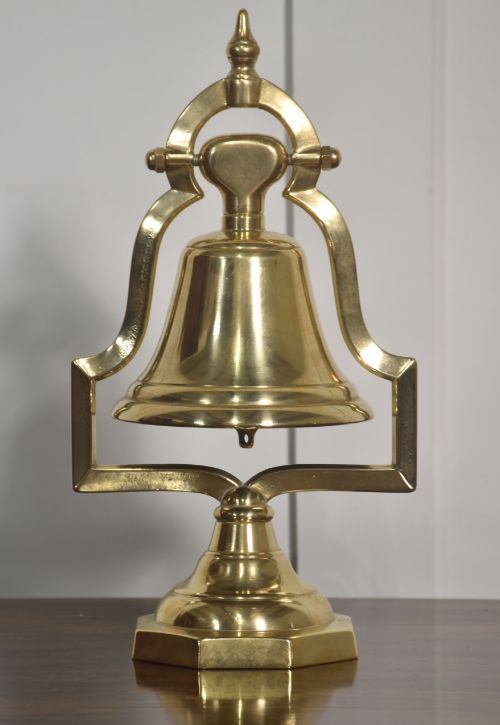
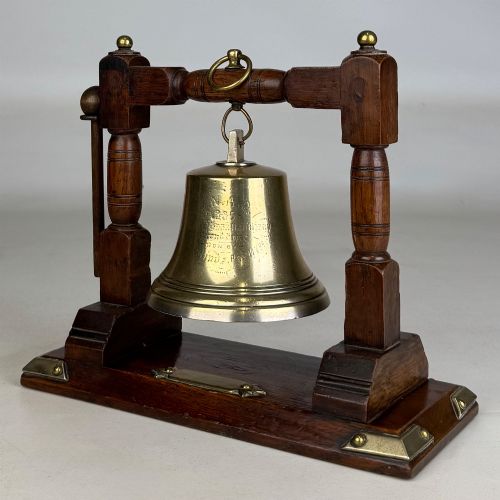
The version most commonly encountered on this page is the brass counter or desk bell, often mounted on a turned wooden base or cast with a plunger mechanism. Alongside these sit sterling silver examples, sometimes combined with glass or integrated directly into inkwells.
Makers and workshops produced these accessories in diverse styles, including Arts and Crafts, Chinoiserie, and Renaissance Revival. They reflect the interior appointments of Victorian counting houses and Edwardian writing rooms.
How they were made
Foundry casting formed the solid brass, bronze, and silver bodies of these bells, requiring skilled metalworkers to shape resonant domes and sturdy counter bases. Polishing and chasing brought out the metallic lustre on exterior surfaces.
Woodworking craftsmanship is evident in the oak and walnut stands that support many brass bells, while glass and crystal components provide contrasting weight and transparency in combination with precious metals.
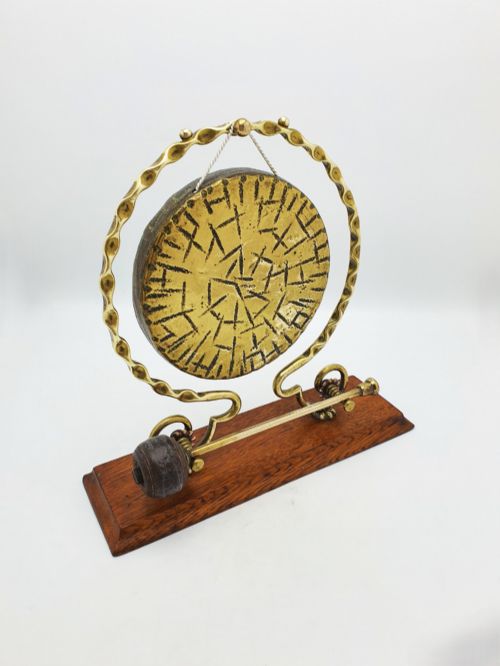
Object forms include counter bells, inkwells, table gongs, carriage clocks, and mechanical animal novelties.
What varies in quality
The distinction between standard utility items and finer examples rests on the weight of the metal, the clarity of the ring, and the complexity of the casting. Solid sterling silver bodies and heavy cast bronze show greater material substance than plated alternatives.
Novelty forms, such as mechanical pigs or elephants with articulated parts, rely on the precision of their internal springs and mechanisms. Finely chased figural handles and detailed wooden stands indicate higher workshop execution.
George Unite·Heals of London·Grey of Edinburgh·Mathias Bauerle·Dwerrihouse And Bell·John Taylor Of London
The Antique Desk Bell Glossary
- Counter bell
- A spring-loaded desk bell designed to be struck from above, commonly utilised in retail shops and hotel reception desks. These often feature a brass dome mounted on a heavy metal or wooden base.
- Mechanical bell
- An accessory operated by pressing a lever or animal figure rather than striking a traditional plunger. Examples include cast brass pigs and elephants.
- Inkwell
- A desktop desk accessory holding writing ink, occasionally combined with a bell or designed in a bell shape. Silver and glass versions frequently incorporate hinged lids.
- Gong
- A suspended metal disc or bowl struck with a handheld mallet rather than an internal clapper. These larger pieces often hang from carved wooden or oriental stands.
Antique Desk Bell: Frequently Asked Questions
How do antique desk bells work?
Most desk bells operate via an internal spring-loaded plunger mechanism that strikes the underside of the dome when pressed from above.
Simpler hand-held versions rely on a traditional clapper swinging inside the metal bell when shaken.
Were desk bells used in homes?
Victorian and Edwardian households utilised table and desk bells in studies, libraries, and bedrooms to summon domestic staff.
They also served practical functions on commercial counters, in banks, and within hotel reception areas.
How are silver desk bells marked?
British sterling silver pieces typically carry assay office hallmarks indicating the town, maker, and year of manufacture.
These stamps help date silver desk accessories alongside style indicators and historical design periods.
What materials make up these bells?
Construction materials include cast brass, bronze, sterling silver, and silver plate, often paired with wooden bases made from oak or walnut.
Some desk bells incorporate cut glass, crystal, or enamel details within the body and handle.