

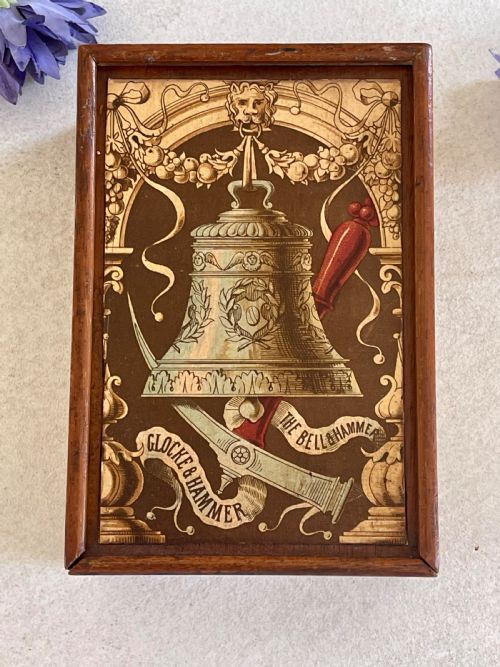


Victorian Table Bell
When you handle a victorian table bell, you touch the domestic mechanics of a period that valued sound, service and neatness.
Victorian Table Bell
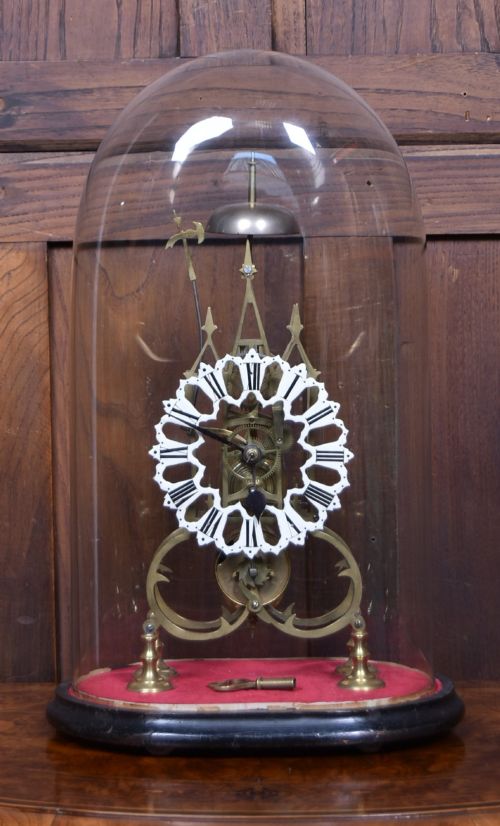
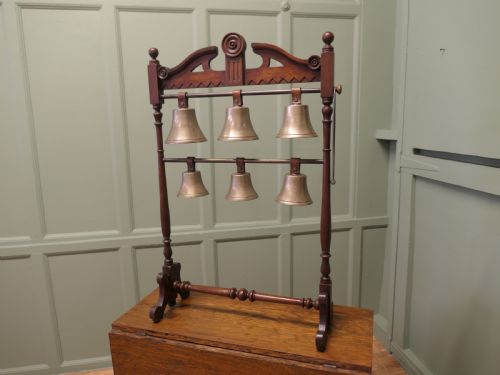
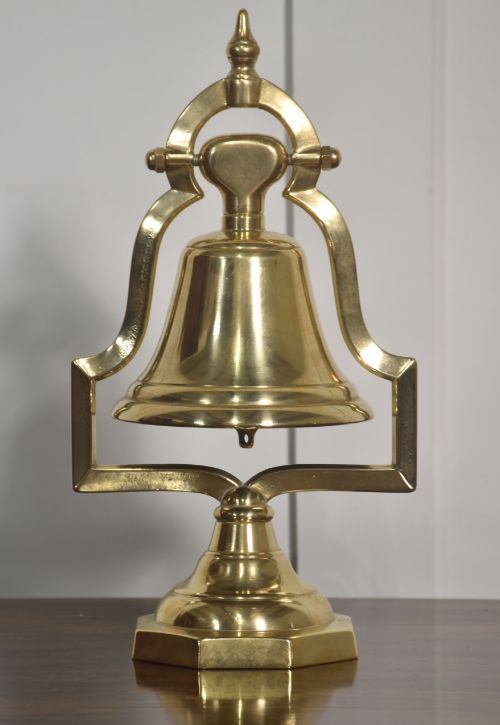
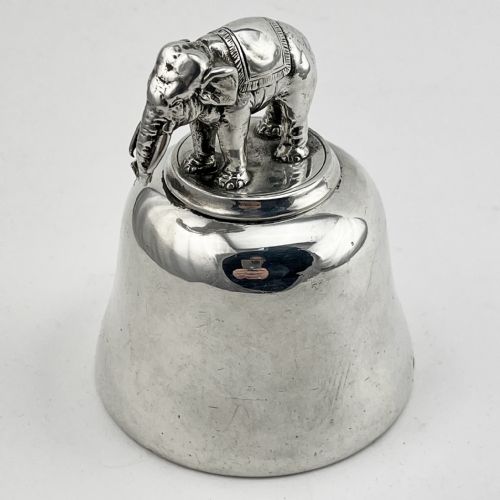
A victorian table bell serves to summon servants or signal service across a dining or drawing room, taking forms from simple desk counters to decorative silver figures. You will encounter domestic brass models, silver-plated reception bells, and glass hand bells alongside larger table gongs mounted in oak or bamboo.
The materials span sterling silver, brass, bronze, and coloured glass, often paired with wooden bases or ebonised stands. Many examples incorporate figural elements such as owls, crinoline ladies, or mechanical animals.
Originating largely from British and continental workshops of the nineteenth century, these objects range from utilitarian shop counters to ornate dining table pieces. The selection on this page demonstrates the variety of metalwork and glass production characteristic of the era.
Materials and construction
Metalwork forms the backbone of these pieces, utilising cast brass, bronze, and silver plate shaped through founding and turning. Sterling silver examples often display crisp hallmarks from British assay offices, whilst bronze and brass components show detailed casting in floral or figural motifs.
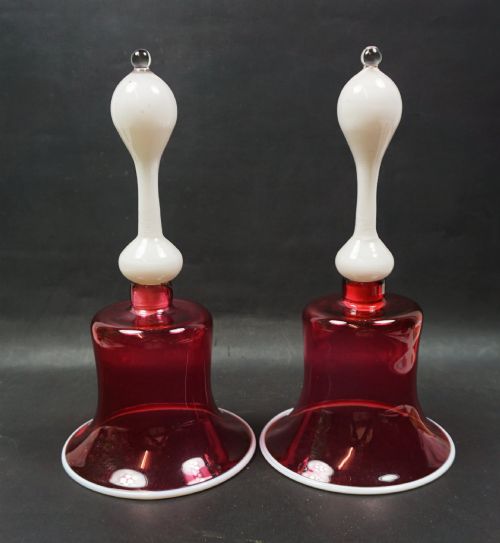
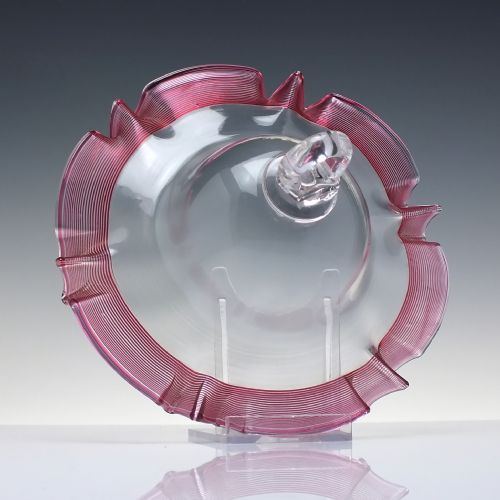
Glass bells utilise cranberry, ruby, and amethyst hues blown into shapes and fitted with contrasting handles or rims. Wooden elements such as oak, walnut, and ebonised stands provide stable mounting platforms for metal gongs and bells.
Some nineteenth-century tables rang with the sound of a polished mechanical pig or an inquisitive brass owl.
Qualities of craftsmanship
The resonance of the metal and the precision of the casting separate standard pieces from exceptional ones. A heavier metal gauge and a well-balanced clapper produce a clear, sustained tone rather than a dull thud.
George Wadham·Paul Garnier·Henry Marc·Lee and Wigfull·Mathias Bauerle
The Victorian Table Bell Glossary
- Sterling silver
- A silver alloy containing 92.5% silver by mass, frequently found bearing British hallmarks on nineteenth-century table bells.
- Ebonised wood
- Timber treated with a dark stain or finish to imitate ebony, commonly used for the display bases of bells and gongs.
- Silver plate
- A layer of silver fused to a base metal such as copper or brass, utilised extensively for nineteenth-century domestic wares.
- Fusee
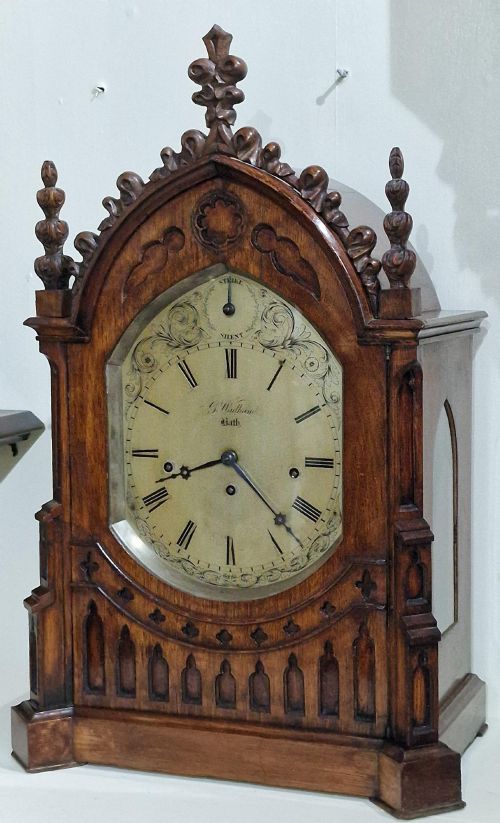
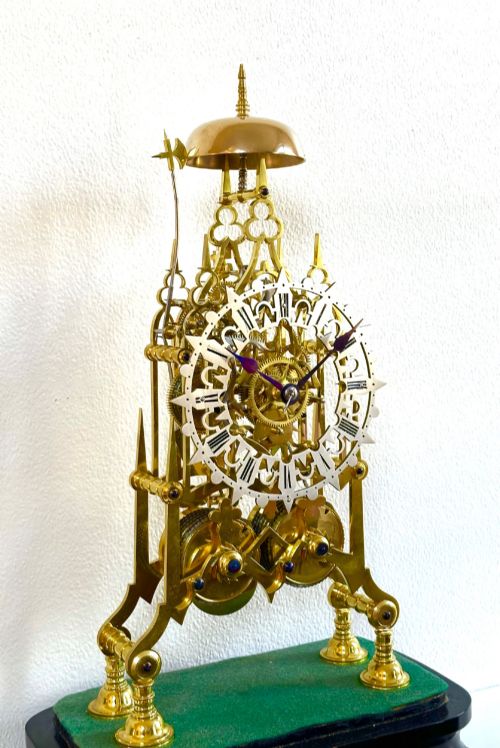
- A conical pulley used in clockwork mechanisms to maintain even tension as the mainspring unwinds, seen in bracket clocks listed alongside table bells.
- Cranberry glass
- A rich red glass coloured with gold chloride, popular for nineteenth-century decorative items and hand bells.
Victorian Table Bell: Frequently Asked Questions
What is a victorian table bell used for?
These bells were used in nineteenth-century households to summon servants from dining rooms, studies, or parlours. They provided an audible signal across the home without requiring guests or family members to raise their voices.
Later examples also served as counter bells in shops, hotels, and reception desks to alert staff of waiting customers.
How do you clean silver table bells?
Sterling silver and silver-plated bells require gentle cleaning with a soft cloth and a specialised silver polish to remove tarnish without harming chased details. Care must be taken around applied figures or wooden and glass components.
Harsh abrasive dips should be avoided, especially on antique pieces with delicate patinas or cold-painted surfaces.
Are glass table bells fragile?
Glass bells made from cranberry, ruby, or amethyst glass are delicate and susceptible to chipping along the rim or handle if struck too firmly. They were intended for gentle use rather than heavy industrial ringing.
When displaying them, ensure they rest on stable surfaces away from high-traffic edges.
How can you tell the age of a bell?
Dating relies on assay marks, maker stamps, and stylistic cues such as Aesthetic Movement or Gothic Revival motifs. Hallmarks on silver provide precise years and assay office origins.
Materials like ebonised wood and specific glass colours also point towards the nineteenth-century periods in which they were manufactured.