




Vintage Desk Bell
A vintage desk bell serves to summon attention with a crisp ring, bringing tactile charm and period character to a workspace.
Vintage Desk Bell
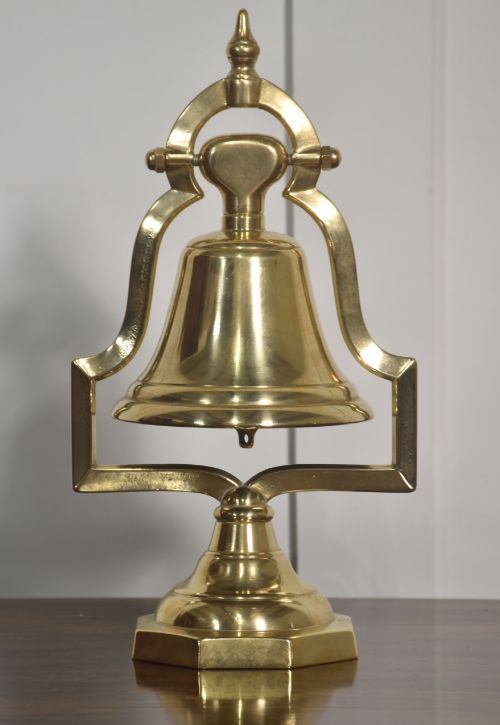
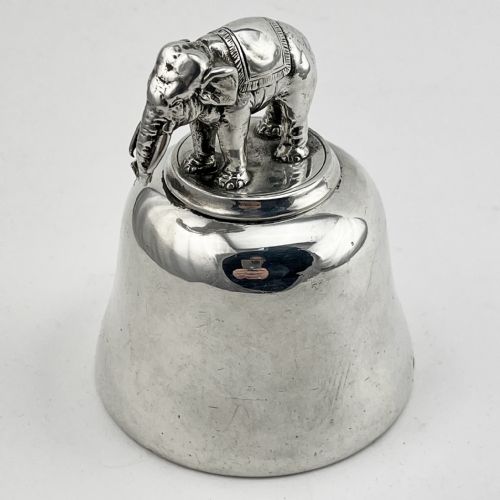
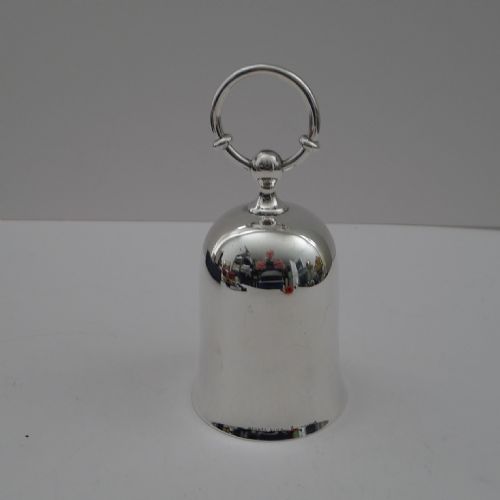
A vintage desk bell sits upon a counter, table, or desk to provide a functional call signal using a striking mechanism or plunger. The selection spans straightforward brass counter bells from the nineteenth century alongside decorative silver and novelty designs.
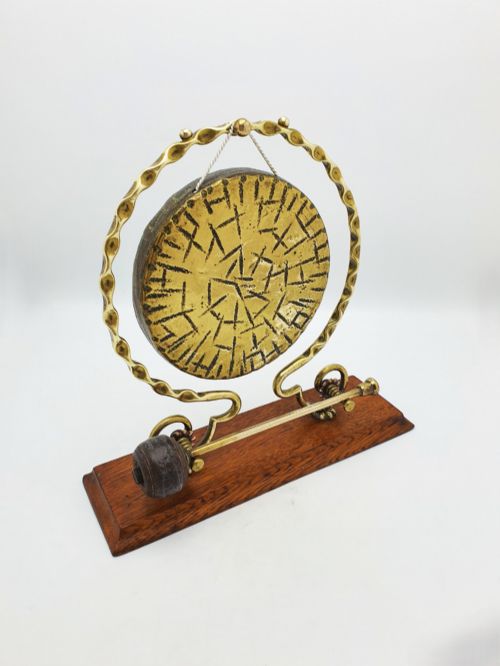
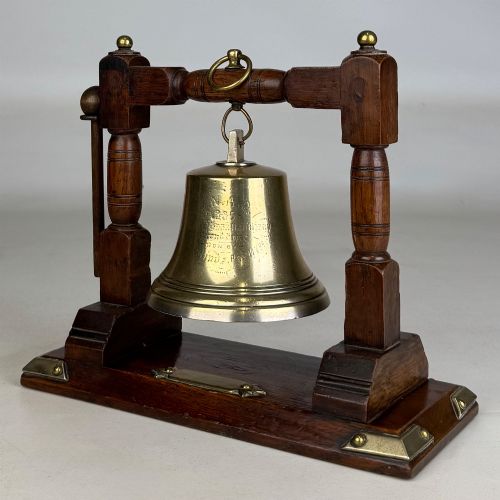
Most examples found here date from the Victorian, Edwardian, and mid-century periods, often combining polished metals with wooden bases or stands. Forms range from simple plunger bells to ornate tea ceremony gongs and novelty animal shapes.
Makers and manufacturers utilised various materials to suit domestic, commercial, and institutional environments, resulting in pieces varying from sturdy schoolbells to refined sterling silver reception items.
How they were made
Foundries cast bells in brass, bronze, or bell metal, finishing them with polished surfaces or patinated details. Bases were frequently turned from solid oak or cast in heavier metals to provide stability during use.
Silver items involved smithing sterling silver or applying silver plate over base metals, occasionally incorporating mechanical linkages for plunger strikes. Artisans combined carved wooden stands and ornate metalwork for decorative presentation.
Periods represented range from the nineteenth century through the Victorian, Edwardian, and mid-century eras.
What varies in quality
The resonance and clarity of the chime depend on the alloy composition of the metal dome and the precision of the internal striker mechanism. Superior pieces maintain a clear tone and a firm, responsive action when depressed.
Material selection and casting detail distinguish standard utility items from luxury desk accessories. Solid sterling silver mounts, intricate bronze chasing, and well-fitted wooden bases indicate higher craftsmanship.
Hermes Paris·Grey of Edinburgh·Dwerrihouse And Bell·Mathias Bauerle·Le Coultre
The Vintage Desk Bell Glossary
- Brass
- An alloy of copper and zinc widely utilised for its bright appearance and resonant qualities in bells. It takes a high polish and develops a warm patina over time.
- Sterling Silver
- A silver alloy containing ninety-two point five percent pure silver by mass, often hallmarked for purity and origin. It appears on luxury reception bells and inkwells.
- Counter Bell
- A bell designed to sit on a shop counter or hotel reception desk, usually featuring a plunger mechanism operated from above.
- Bronze
- A copper alloy containing tin, valued for its strength and deep acoustic properties in gongs and heavy bells.
- Silver Plate
- A thin layer of silver applied to a base metal core such as brass or copper, offering the appearance of solid silver at a different scale of production.
Vintage Desk Bell: Frequently Asked Questions
How do vintage desk bells work?
Most desk bells operate via a vertical plunger or a handheld clapper that strikes the internal wall of the dome when pressed. The acoustic resonance produces a sharp ring designed to carry across a room or counter.
Internal springs return the plunger to its resting position immediately after the strike. Some complex mechanical variants utilise hidden levers beneath the base to actuate the hammer.
Where were these bells used?
These bells served in hotels, shops, and grand country houses to summon staff or signal service at a reception desk. Smaller silver variants functioned as domestic table accessories or writing desk companions.
Institutional settings such as schools utilised similar handbells or counter models for timetabling and announcements. Their placement reflected the need for efficient communication in busy environments.
How do I date a vintage bell?
Dating relies on stylistic clues, manufacturing techniques, and any accompanying hallmarks or registration marks stamped into the metal. Victorian and Edwardian examples often display distinct aesthetic traits associated with their respective eras.
Makers' marks and material choices further narrow the period of production. Silver pieces frequently carry city assay office stamps and date letters indicating the exact year of manufacture.
How should I care for a brass bell?
Maintenance involves gentle dusting with a soft cloth to preserve the metal surface and prevent dust accumulation in the mechanical joints. Avoid harsh chemical cleaners that strip away the historical patina built up over decades.
If polishing is desired for unlacquered brass, use a mild proprietary metal polish applied sparingly with a cloth. Ensure no polish residue remains trapped under the dome or around the striker mechanism.