



Vintage Table Bell
When you handle a vintage table bell, you hold a functional piece of metalwork designed to summon service in the home.
Vintage Table Bell
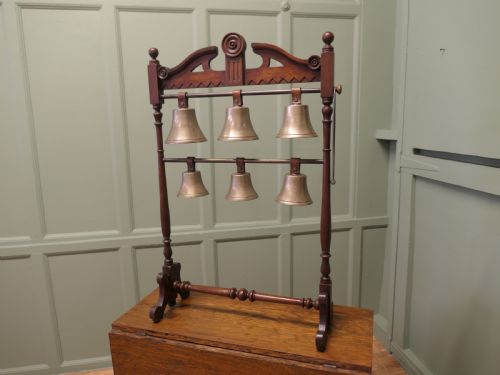
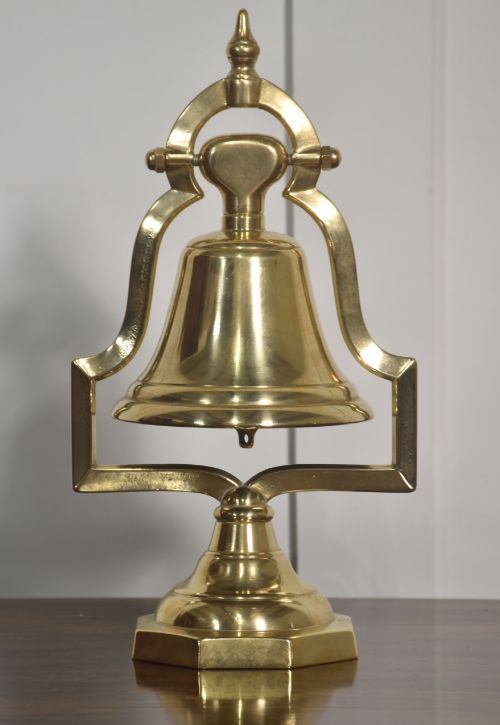
A vintage table bell is a compact signalling device intended for domestic or commercial use on a desk, counter or dining table. The selection spans the nineteenth and twentieth centuries, taking the form of small handheld designs, rotary desk models and larger gongs mounted on wooden frames.
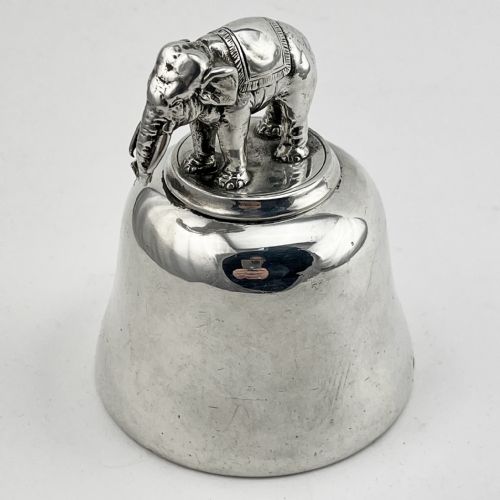
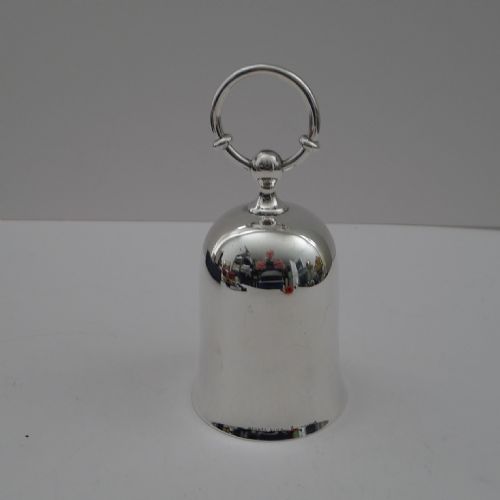
Brass remains the dominant metal encountered on this page, often paired with oak bases or detailed with cast ornamentation. Pieces range from plain Victorian counter bells to decorative Art Nouveau examples and mid-century silver-plated versions.
Materials and construction
Metals such as brass, bronze, copper and silver plate form the sound-producing elements, shaped through casting, hammering or spinning. These metal components are frequently mounted on timber supports including oak, walnut and carved mango wood.
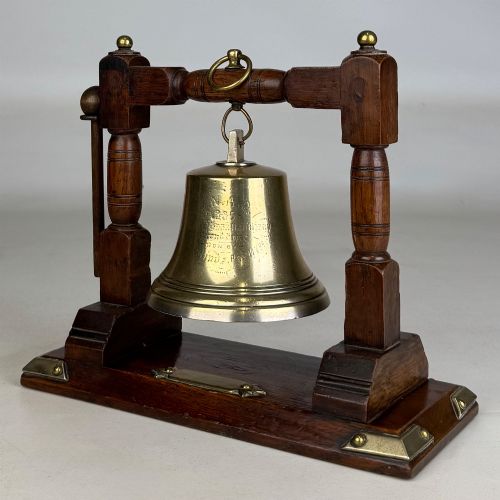
Mechanical elements inside push-plunger or rotating desk models rely on internal springs and clappers to strike the bell housing cleanly. Handheld and mounted gongs utilise separate strikers, sometimes held in dedicated wooden racks or attached by chains.
Materials across these listings include brass, bronze, copper, sterling silver, silver plate, glass, oak, walnut and mango wood.
Judging the standard
Quality rests upon the clarity and resonance of the tone produced when struck, which depends on the alloy composition and the thickness of the metal bell. Thinly cast metal yields a dull thud, whereas well-cast brass or bronze rings true and clear.
The standard of finish on both the metalwork and any wooden base defines the better examples. Crisp chasing on cast bronze, substantial weight in sterling silver or silver plate, and neatly joined timber indicate careful workshop production.
Thomas Langley·William Barrow·Hermes Paris·Mathias Bauerle·James Evans·Joseph Lum
The Vintage Table Bell Glossary
- Clapper
- The internal tongue or ball that strikes the inside of a bell to produce sound. In desk bells, this is often operated by a plunger mechanism.
- Gong
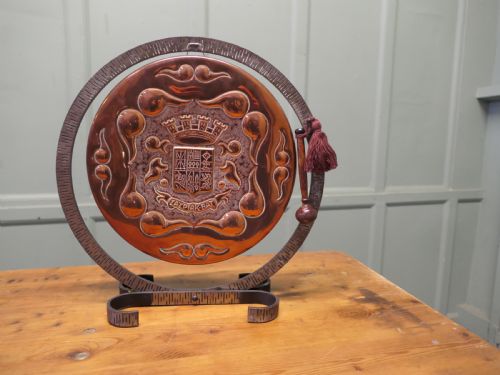
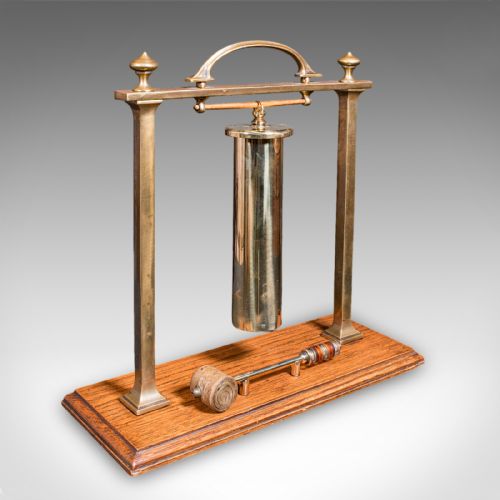
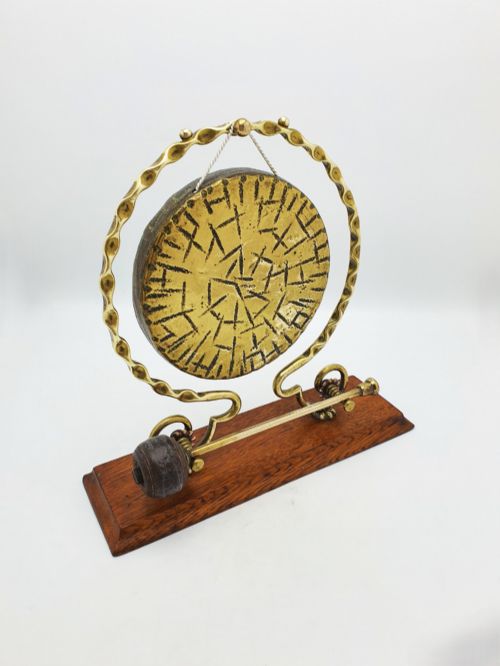
- A suspended metal disc or bowl struck with a mallet rather than an internal clapper. These often sit within decorative wooden frames for table or wall use.
- Counter bell
- A spring-loaded bell designed to sit on a shop or hotel reception desk, operated by depressing a top button. They were widely used from the late nineteenth century onward.
- Silver plate
- A thin layer of silver applied to a base metal such as copper or brass. The quality depends on the durability and evenness of the plating over the core metal.
Vintage Table Bell: Frequently Asked Questions
How do vintage table bells work?
Most table bells operate either as a simple handheld dome shaken by a handle, or as a desk model with an internal spring-loaded plunger. Pressing the top button drives an internal hammer against the shell.
Larger dinner gongs rely on a separate mallet or striker to hit a suspended metal plate or bowl mounted on a wooden stand.
Where were table bells used?
These bells served primarily in dining rooms to summon domestic staff for the next course, or on shop and hotel counters to call an attendant.
Smaller variants also found places on drawing room desks and tea tables during the Victorian and Edwardian periods.
How do I date a brass table bell?
Dating relies on the manufacturing style, fastening types and any registration or hallmarks present on the metal or wooden base. Victorian and Edwardian examples often feature cast ornamentation specific to those stylistic revivals.
Simpler geometric lines and plated finishes typically point toward mid-century production.
Are these bells still functional?
The majority of mechanical desk bells and handheld items remain fully operational and retain their original ring. Internal springs may occasionally show stiffness but generally function with normal use.
Mounted gongs require only their original striker to produce a clear tone.