


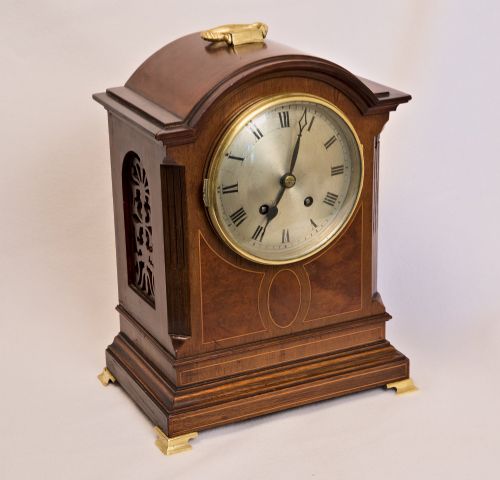

Edwardian Brass Chime
These edwardian brass chime pieces combine period mechanics and resonant metal, offering both practical timekeeping and deep domestic sound.
Edwardian Brass Chime
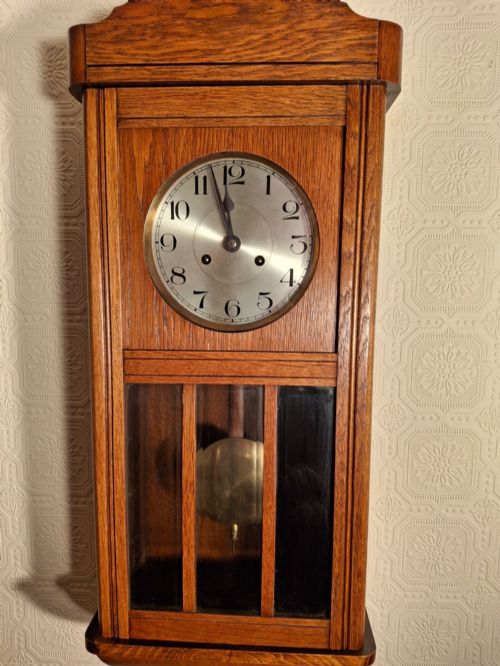
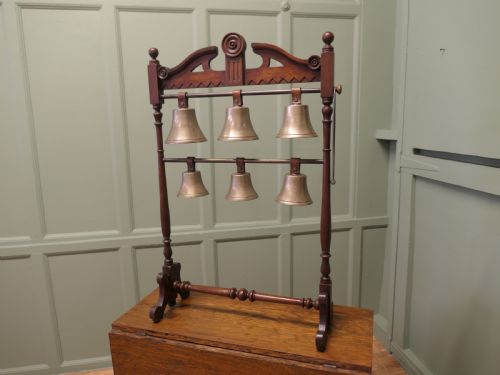
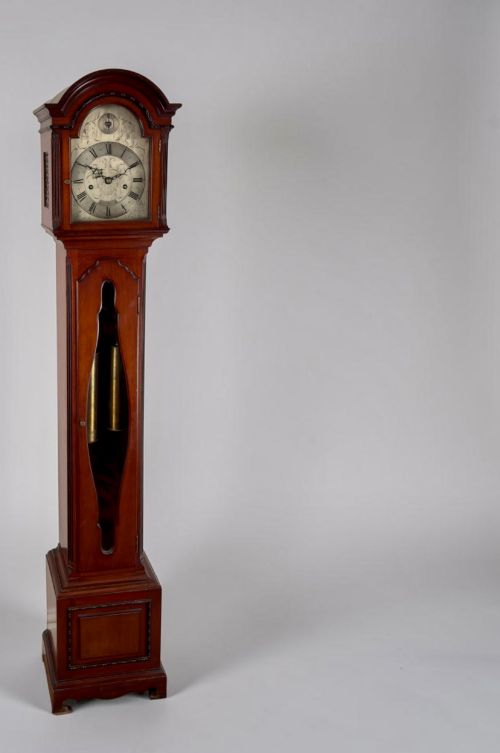
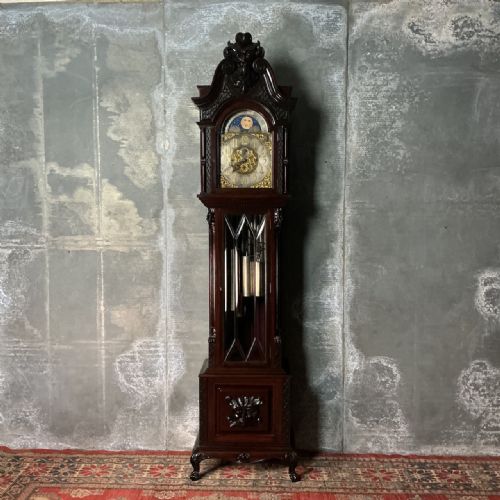
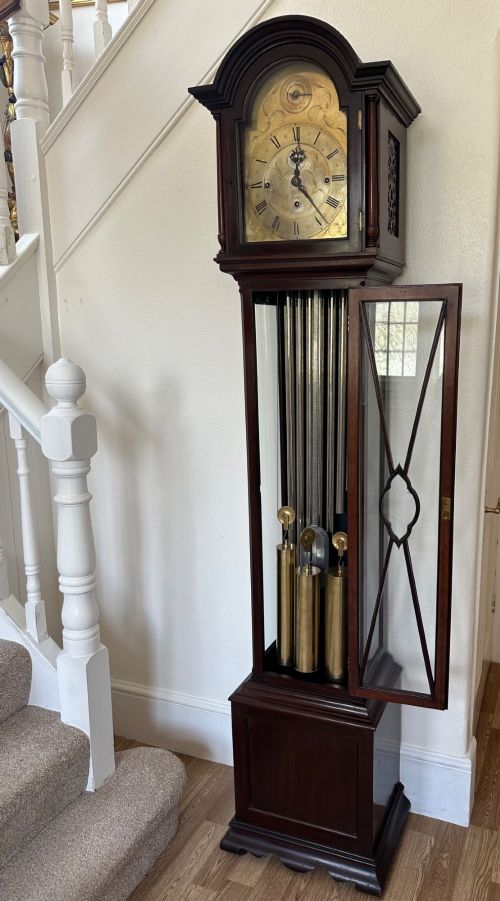
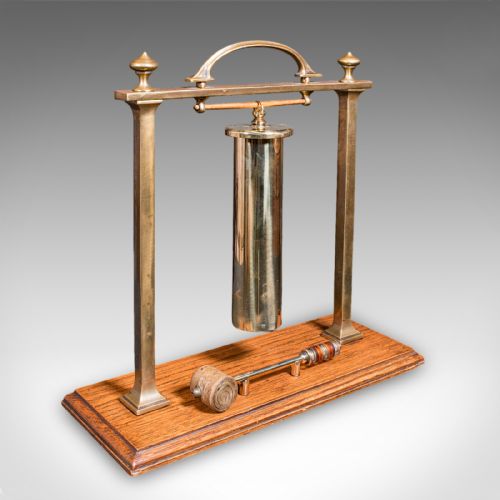
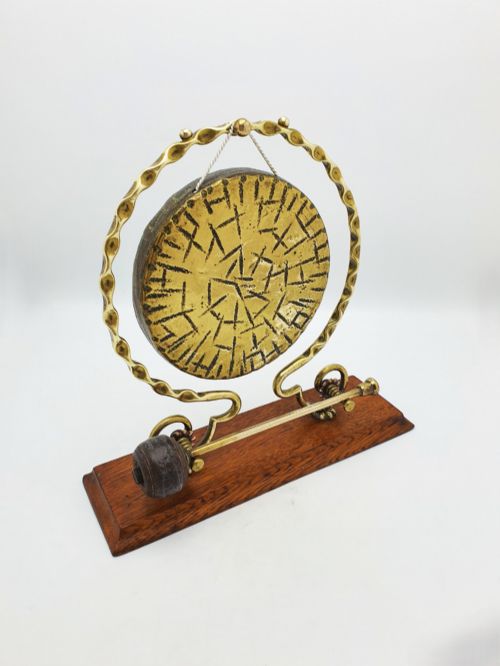
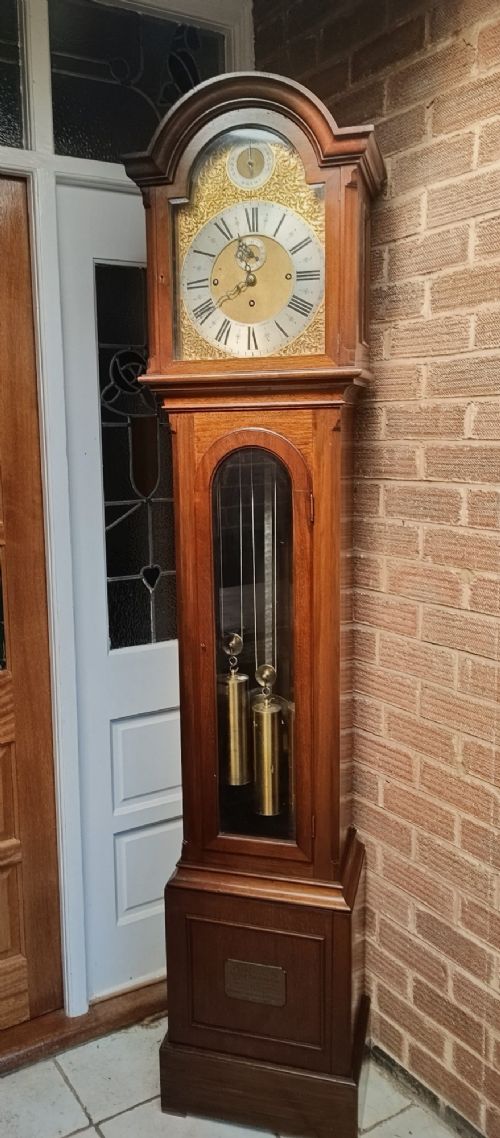
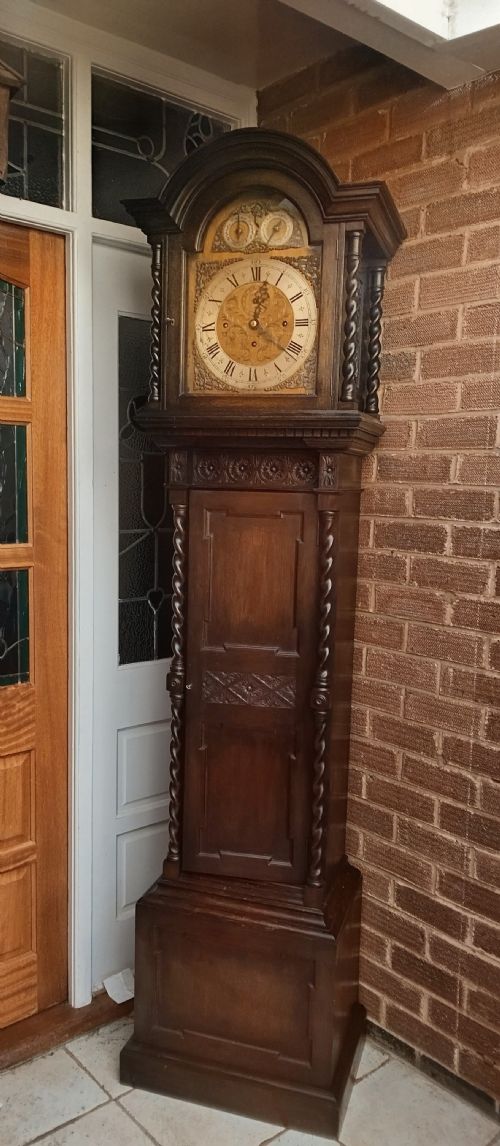
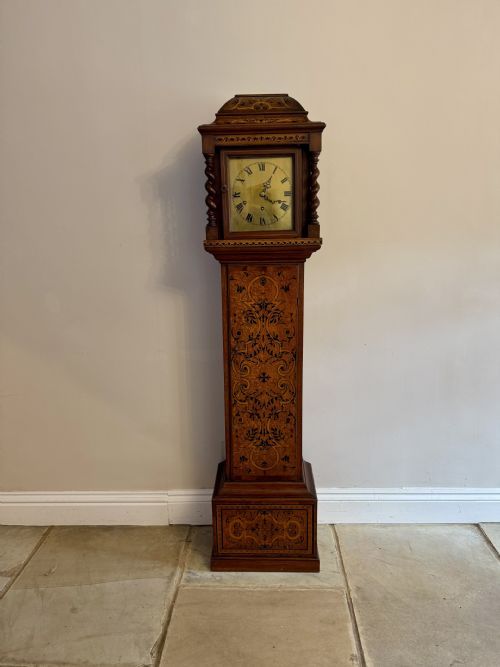
An edwardian brass chime brings together domestic timepieces and sounding gongs from the early twentieth century and surrounding decades. You will encounter floor-standing longcase clocks, smaller grandmother clocks, and table or wall-mounted dinner gongs.
The objects stem predominantly from the Edwardian period and the broader twentieth century, though Victorian and 19th-century examples also appear. These pieces serve either to mark the hours mechanically or to summon household gatherings through struck metal.
Most examples combine polished brass elements with cabinet timbers like oak, mahogany, and walnut. Whether housed in a tall case or mounted on a wooden frame, each piece relies on traditional acoustic resonance.
Materials and Construction
Makers utilised brass for the audible components, including bells, tubular chimes, and gong plates, alongside bronze for specific castings. These metals were cast and polished to produce clear, sustained tones when struck or triggered by clock movements.
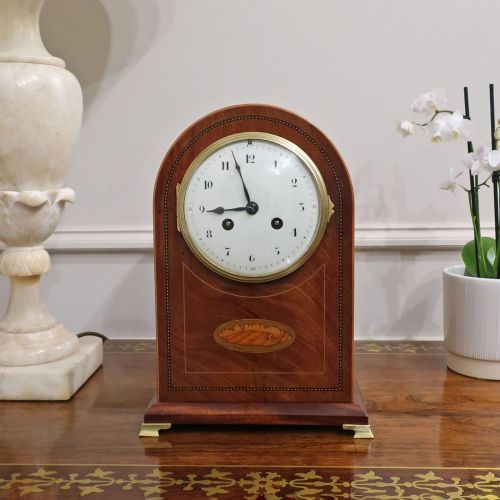
Cabinetmakers housed the mechanisms and gongs in seasoned timbers such as oak, mahogany, and walnut. Many cases incorporate marquetry inlay, carved details, or glass panels to display the internal pendulum and dial.
Some dinner gongs double as horse head mounts, ensuring your meals are announced with equine fortitude.
Assessing Quality and Execution
Superior examples demonstrate precision in their clockwork and tuning, with multi-bell or tubular movements delivering complex musical chimes rather than simple strikes. The weight of the brass and the stability of the timber housing directly influence the depth of the sound.
Execution of the cabinetwork separates standard production from finer pieces, visible in the tightness of wood joints, the intricacy of inlaid marquetry, and the quality of bronze or brass mountings.
Gillett & Johnston·Winterhalder & Hofmeier·Junghans
The Edwardian Brass Chime Glossary
- Chime
- A mechanism that produces musical tones or hour strikes using tuned bells, gongs, or tubes. These systems range from simple two-hammer arrangements to complex multi-bell setups.
- Gong
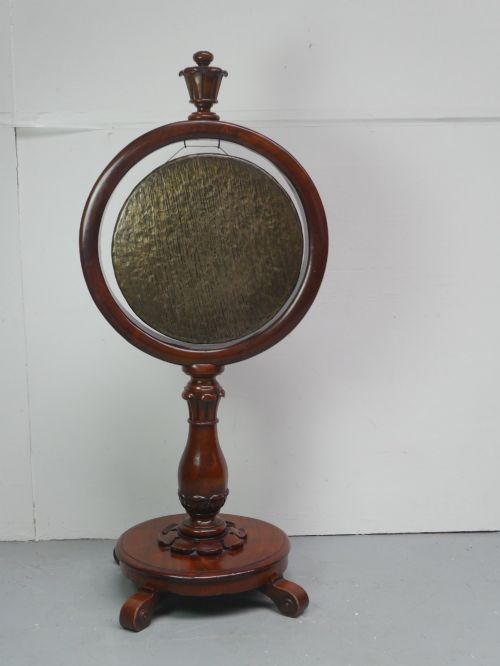
- A suspended piece of resonant metal struck with a mallet or hammer to produce a deep sound. They frequently appear mounted on oak or mahogany frames for domestic use.
- Longcase Clock
- A tall pendulum clock enclosed in a wooden case resting on the floor. They are also known as grandfather or grandmother clocks depending on their height.
- Bracket Clock
- A portable clock originally designed to sit on a wall bracket. Later examples function as mantel clocks housed in wooden cases.
- Marquetry
- Decorative veneer work created by fitting pieces of different woods into a pattern. This technique frequently decorates the surfaces of Edwardian clock cases.
Edwardian Brass Chime: Frequently Asked Questions
How do I wind a chime clock?
Most mechanical chime clocks utilise a key inserted into holes on the dial face to wind the spring-driven or weight-driven trains. Care must be taken not to overwind the mainsprings.
Different trains control the timekeeping and the chime functions independently, requiring separate winding to maintain full operation.
Where were dinner gongs placed?
Dinner gongs were traditionally positioned in hallways, landings, or dining rooms of large houses. Their resonant tone carried easily through domestic spaces to announce meals.
Wall-mounted and table-standing versions allowed households to summon family or guests from various rooms without shouting.
What is a tubular bell clock?
A tubular bell clock uses hanging metal tubes instead of traditional cast bells to produce deeper, cathedral-like chimes. Hammers strike the inside or outside of the suspended tubes.
This system became popular for its rich acoustic resonance, particularly in larger longcase clocks.
How do I distinguish Edwardian from Victorian pieces?
Edwardian pieces generally exhibit lighter timbers, simpler lines, and influences from Arts and Crafts or Art Nouveau styles. Victorian items often feature heavier carvings and darker finishes.
Examining the internal clock movement and secondary woods often confirms the manufacturing era.