


Antique Secretary Bureau
An antique secretary bureau combines a private writing surface with hidden drawers and shelving behind a fall front or upper bookcase.
Antique Secretary Bureau
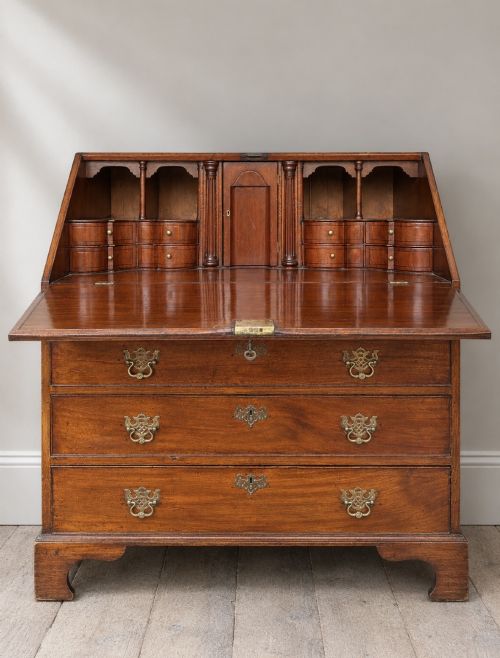
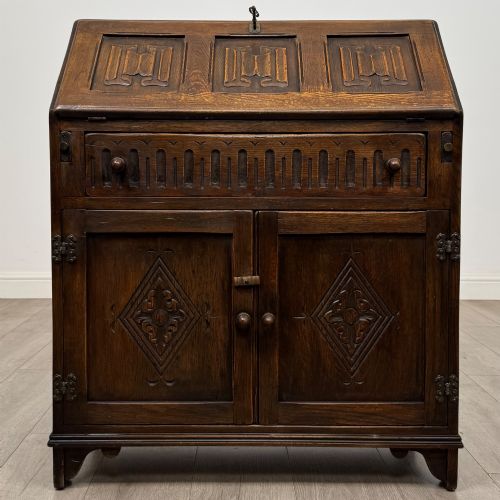
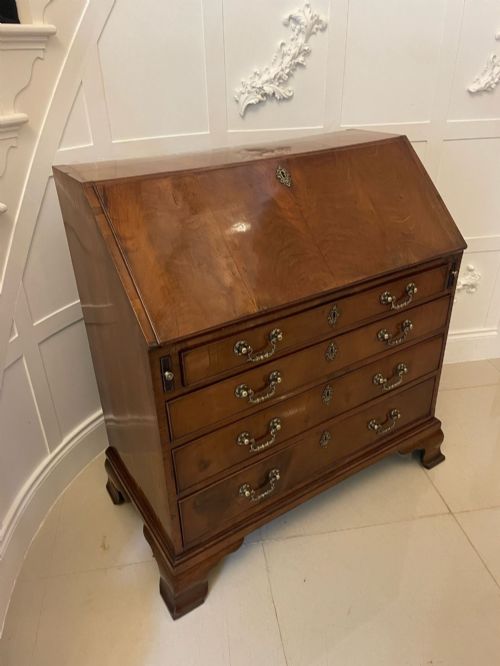
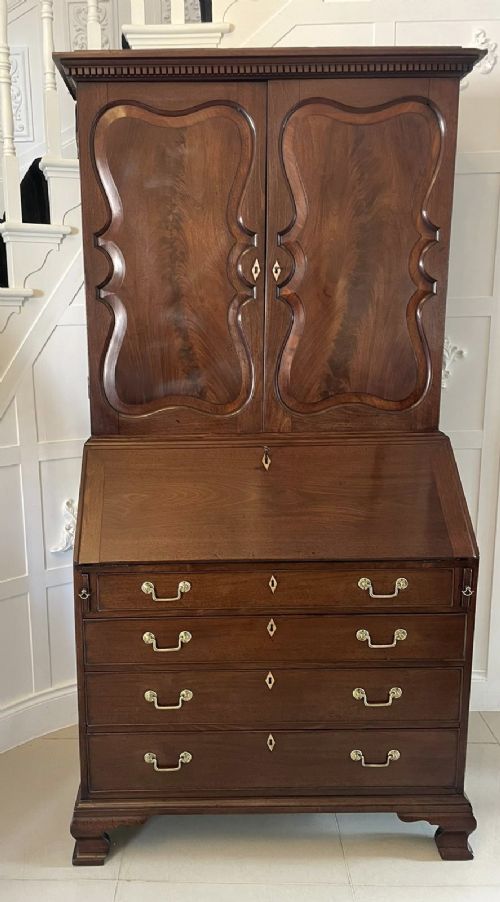
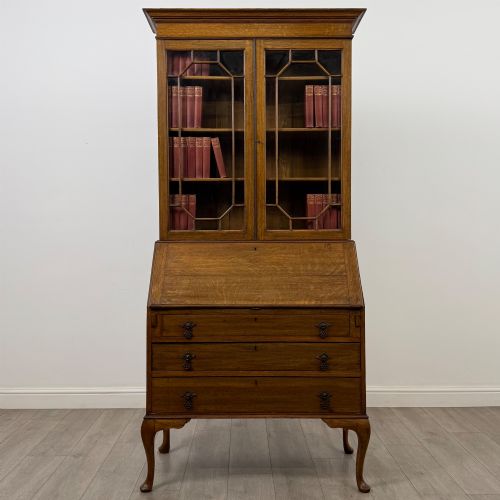
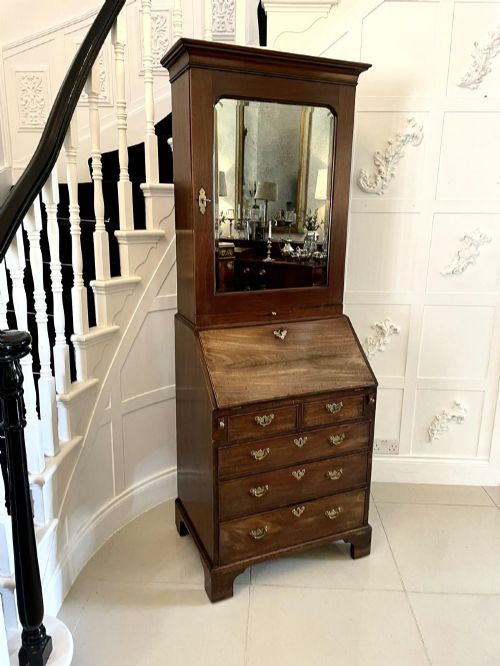
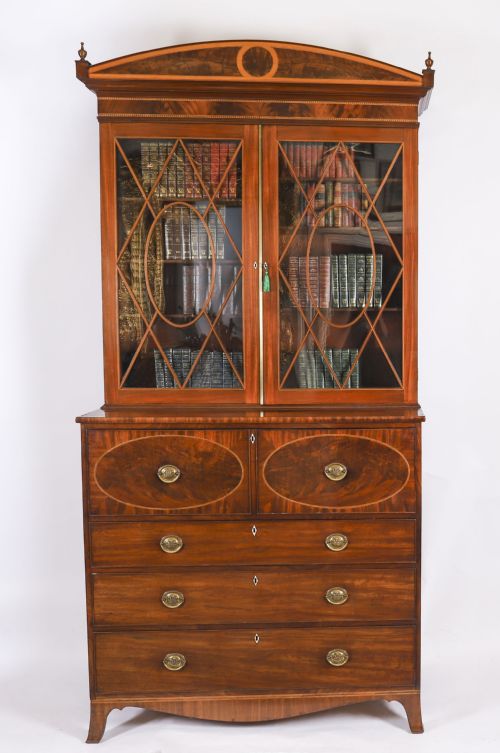
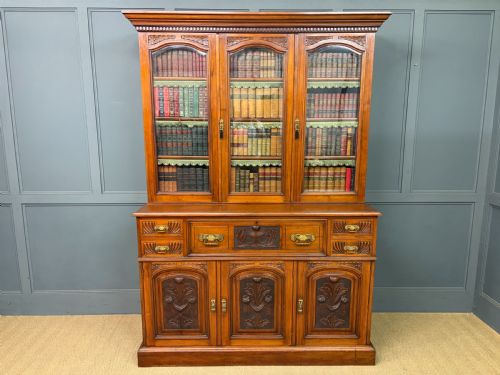
The antique secretary bureau groups together fall-front desks, writing cabinets, and towering bureau bookcases designed for domestic correspondence and storage. You will encounter compact oak and mahogany pieces from the Edwardian period alongside substantial walnut and mahogany examples from the eighteenth and nineteenth centuries.
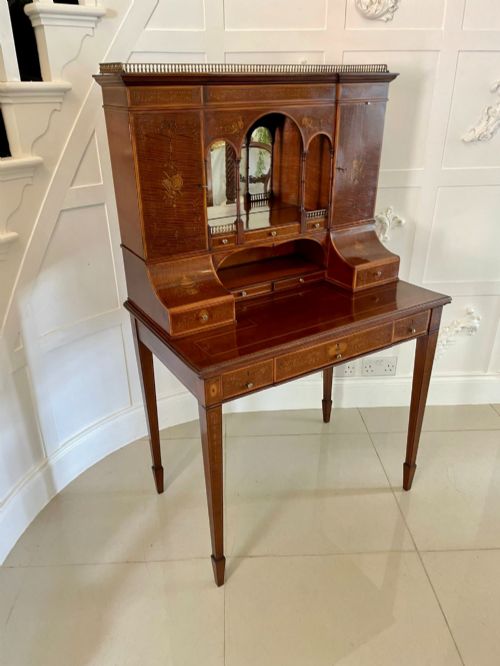
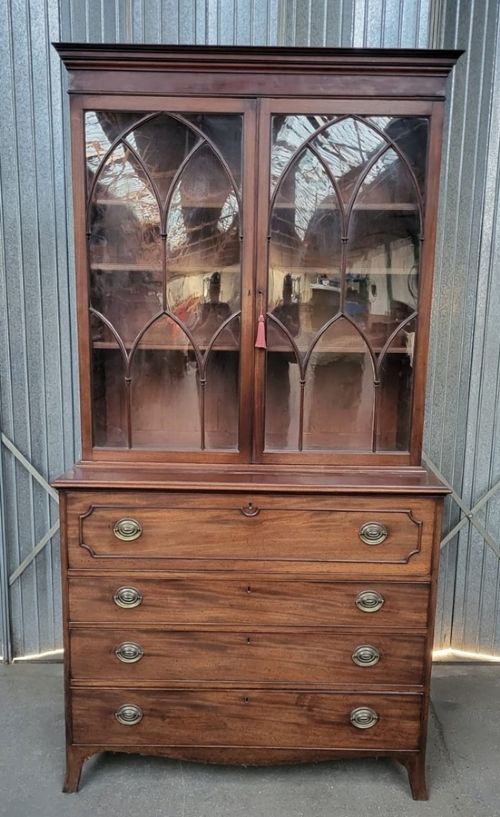
Forms span from simple drop-front writing desks on bracket feet to grand bureau bookcases featuring glazed upper doors and elaborate fitted interiors with pigeonholes and secret compartments. Stylistic influences visible in the current selection range from Queen Anne and George II to Regency, Victorian, and Arts and Crafts.
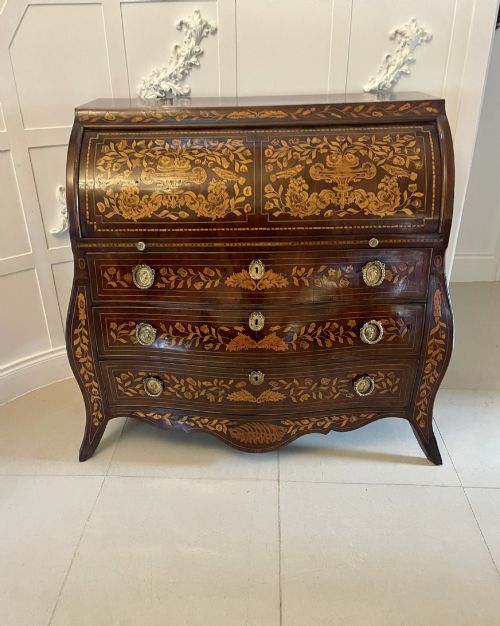
The phrase encompasses freestanding desks, pieces fitted with glass-fronted display sections, and French bombe-shaped marquetry designs. Oak, mahogany, and walnut dominate the offerings, occasionally embellished with floral marquetry, parquetry, or brass hardware.
Materials and construction
Cabinet makers built these pieces using solid timbers like oak, walnut, and mahogany, frequently applying figured mahogany veneers, burr walnut, and exotic fruitwoods to visible surfaces. Drawer linings and secondary woods often consist of oak or pine, depending on the regional workshop and period.
Construction techniques involve dovetail joints on drawer construction, pegged mortise and tenon framing in earlier oak pieces, and intricate marquetry or parquetry inlay work. Brass handles, escutcheons, and hinges secure the fall fronts and drawers, while glass panels are set into the upper bookcase doors.
Antique Secretary Bureau Retail Price Guide 2026
Typical asking prices for secretary bureau among the pieces listed under this phrase on Sellingantiques today, from the lower quarter to the upper quarter. They describe what is for sale here now, not the wider market.
One early oak bureau bookcase has been adapted for a television.
Assessing quality in writing furniture
Quality rests in the choice of timber and the precision of the cabinet work, particularly in the figuring of mahogany or burr walnut veneers. Superior examples display continuous grain patterns across drawer fronts and flawless execution of delicate inlay or marquetry.
The interior fitments dictate the grade of a bureau, separating simple writing boxes from pieces with stepped pigeonholes, secret drawers, and leather-lined writing surfaces. Original brass hardware, sound structural framing, and undisturbed timber patination elevate the standing of any piece.
Heals of London
The Antique Secretary Bureau Glossary
- Bureau bookcase
- A writing cabinet featuring an upper section with shelving enclosed by doors, positioned above a fall-front desk. This combined form provided both storage for volumes and a concealed writing surface.
- Fall front
- A hinged flap that drops down to form a horizontal writing desk, concealing pigeonholes and small drawers within. When closed, it protects the fitted interior from dust.
- Marquetry
- Decorative patterns formed by inserting pieces of veneered wood into a fitted background on furniture surfaces. Craftsmen utilise varied timber colours to create floral or geometric motifs.
- Bracket feet
- Simple architectural supports shaped like a bracket, commonly found on eighteenth-century case furniture. They lift the base of the bureau off the floor.
Antique Secretary Bureau: Frequently Asked Questions
What is an antique secretary bureau?
An antique secretary bureau is a dual-purpose piece of furniture featuring a sloping or drop-front desk combined with drawer storage and frequently an upper bookcase.
These pieces served as private writing stations and places to store correspondence, account books, and bound volumes in the home.
How do I identify eighteenth century pieces?
Eighteenth-century pieces typically display solid mahogany, walnut, or oak construction with hand-cut dovetails and pegged joints. Look for period characteristics such as bracket feet, figured wood veneers, and stepped internal pigeonholes.
Examining the secondary woods inside the drawers also helps confirm the period of construction.
Where were these bureaux used?
These pieces were positioned in principal rooms such as studies, drawing rooms, and libraries for managing personal correspondence and household records.
The upper bookcase variants provided display and storage space for valued book collections.
How do I care for wooden writing furniture?
Maintain timber furniture by placing it away from direct heat sources and strong sunlight to prevent veneer cracking and fading.
Apply traditional wax polishes sparingly and buff with a soft cloth to preserve the natural lustre of the wood.