


Antique Scrollwork Mirror
An antique scrollwork mirror brings fluid lines and reflected light into a room, joining centuries of carved woodwork with functional elegance.
Antique Scrollwork Mirror
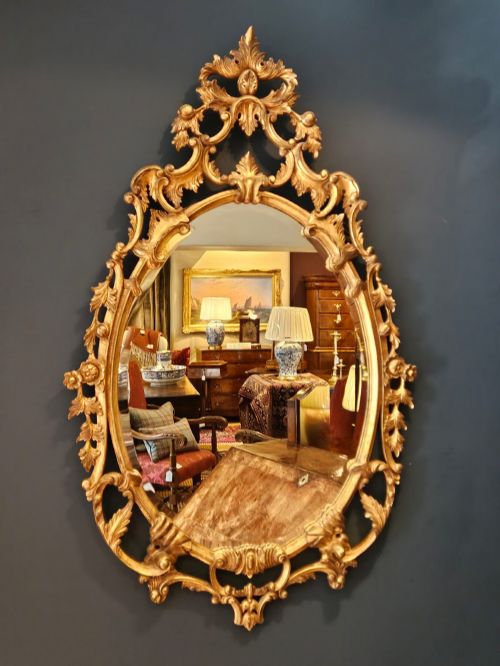
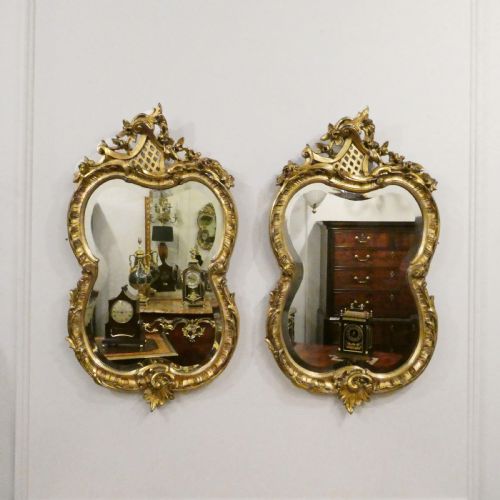
When you search for an antique scrollwork mirror, you encounter wall mirrors and overmantel mirrors defined by carved wooden frames, fretwork, and gilded surfaces. The pieces span periods from the Georgian era through the Victorian period and into the early twentieth century, taking forms such as wall mirrors and overmantles.
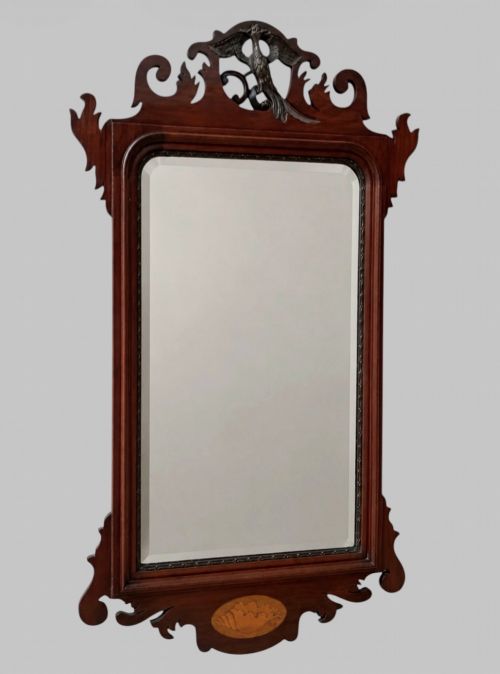
You are most likely to meet nineteenth-century examples and revival pieces on this page, particularly items showing Rococo Revival, Florentine, and Chippendale styles. These frames use wooden structures shaped with sweeping curves and pierced fretwork to catch the eye.
Makers from various regions shaped these items, producing Florentine, French, and English variants in mahogany, walnut, and giltwood. Each piece balances decorative carving with practical reflective glass.
How they were made
Craftsmen shaped these frames using timber such as mahogany, walnut, and padauk, often employing fret cut or pierced techniques for intricate outline work. Carvers worked directly into the wood to form the asymmetrical curves characteristic of scrollwork and foliage.
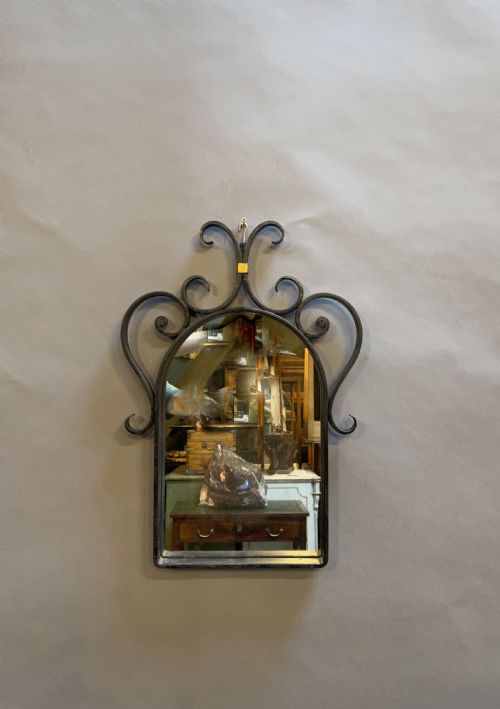
Many frames received coats of gesso before application of gold leaf or gilding, building up a smooth base for metallic finishes. Brass and cast metal also appear in frames, providing an alternative to carved wood.
Glass plates were set within the rebates, sometimes featuring bevelled edges to refract light.
Some Victorian mirrors feature fierce brass mask crests glaring down from the top of the frame, watching over the room.
What varies in quality
The standard of carving distinguishes one frame from another, with deep, crisp relief work showing greater manual skill than shallow or cast substitutes. The precision of the fretwork and the integrity of the wooden joints dictate the structural success of the piece.
Surface finish plays a primary role, as original gilding or patinated walnut displays a depth that heavy repainting obscures. The quality of the mirror plate itself, including its silvering and edge bevelling, influences the overall presence of the object.
The Antique Scrollwork Mirror Glossary
- Scrollwork
- Ornamental carving featuring spiral and curved ribbon-like motifs. It forms the primary decorative vocabulary for these frames.
- Giltwood
- Timber coated in gold leaf applied over a prepared gesso ground. This technique creates a luminous metallic surface.
- Fret cut
- Wood pierced and shaped into decorative patterns using a fine saw. It produces lightweight, intricate geometric or organic borders.
- Gesso
- A plaster-like mixture applied to wood frames to create a smooth surface for gilding. It allows for sharp detail in moulded ornaments.
- Overmantel
- A large mirror designed specifically to hang above a fireplace mantelpiece. These pieces often feature wide proportions to suit the wall space.
Antique Scrollwork Mirror: Frequently Asked Questions
Where should I hang an antique scrollwork mirror?
These mirrors suit principal reception rooms, hallways, and above mantelpieces where their decorative frames and reflective glass enhance natural light. Positioning them opposite a window maximises illumination in smaller spaces.
Ensure the wall construction supports the weight of carved wood and gilt frames, particularly for larger overmantel examples.
How do I identify a Georgian mirror?
Georgian mirrors typically feature walnut or mahogany timbers, often incorporating fretwork cut designs and architectural proportions. Look for period construction methods in the timber backing.
Revival pieces from later centuries often imitate these characteristics, so examining the wood age and joinery helps clarify the date.
What is Florentine scrollwork?
Florentine scrollwork refers to ornate, heavily carved frames originating from Italy, frequently finished in gold leaf. These pieces emphasise rich foliage and dramatic sculptural forms.
They bring an opulent aesthetic that contrasts with simpler English fretwork designs.
How do I clean an antique mirror?
Dust the carved frame gently with a dry, soft brush to protect delicate giltwood and gesso surfaces from moisture damage. Avoid harsh chemical cleaners on the wooden elements.
Clean the glass plate using a mild glass cleaner applied to a cloth rather than sprayed directly, preventing liquid seeping behind the frame.