


Antique Scottish Painting
An antique scottish painting captures the rugged grandeur of the northern landscape and the character of its people through nineteenth and early twentieth-century brushwork.
What They Are
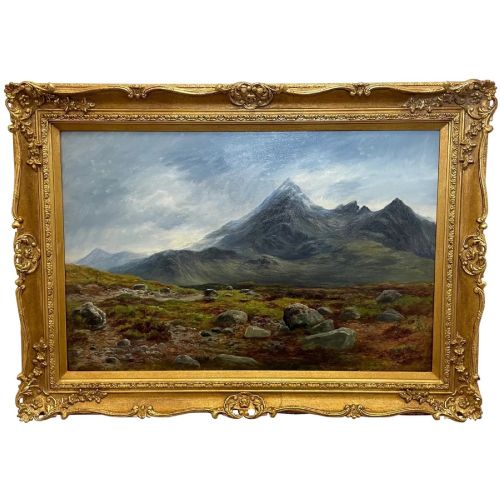
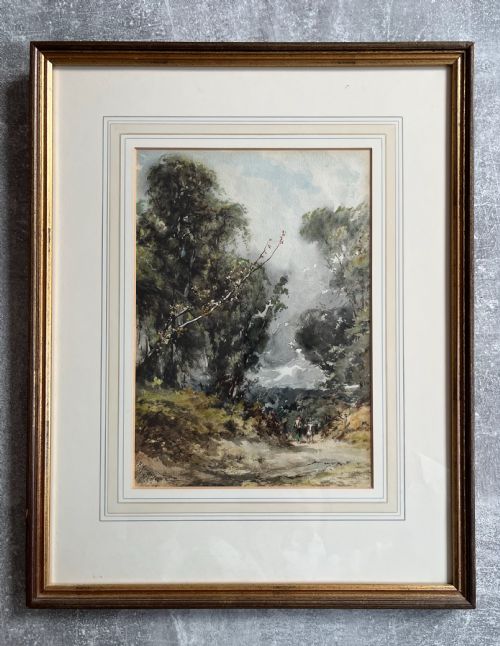
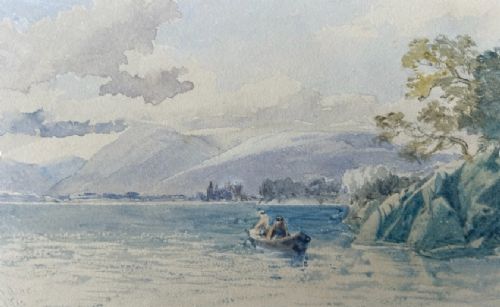
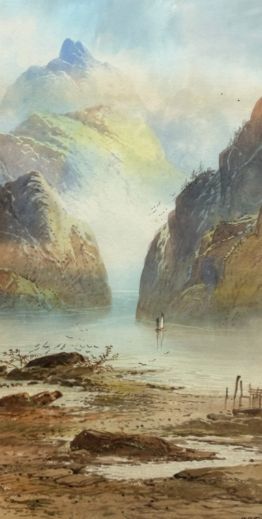
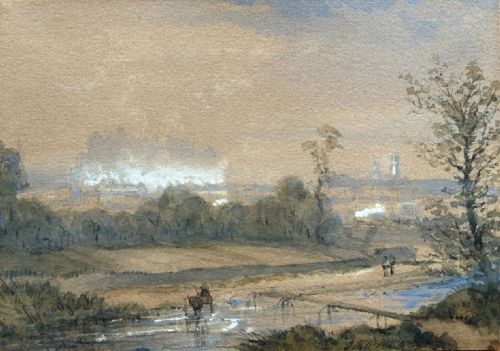
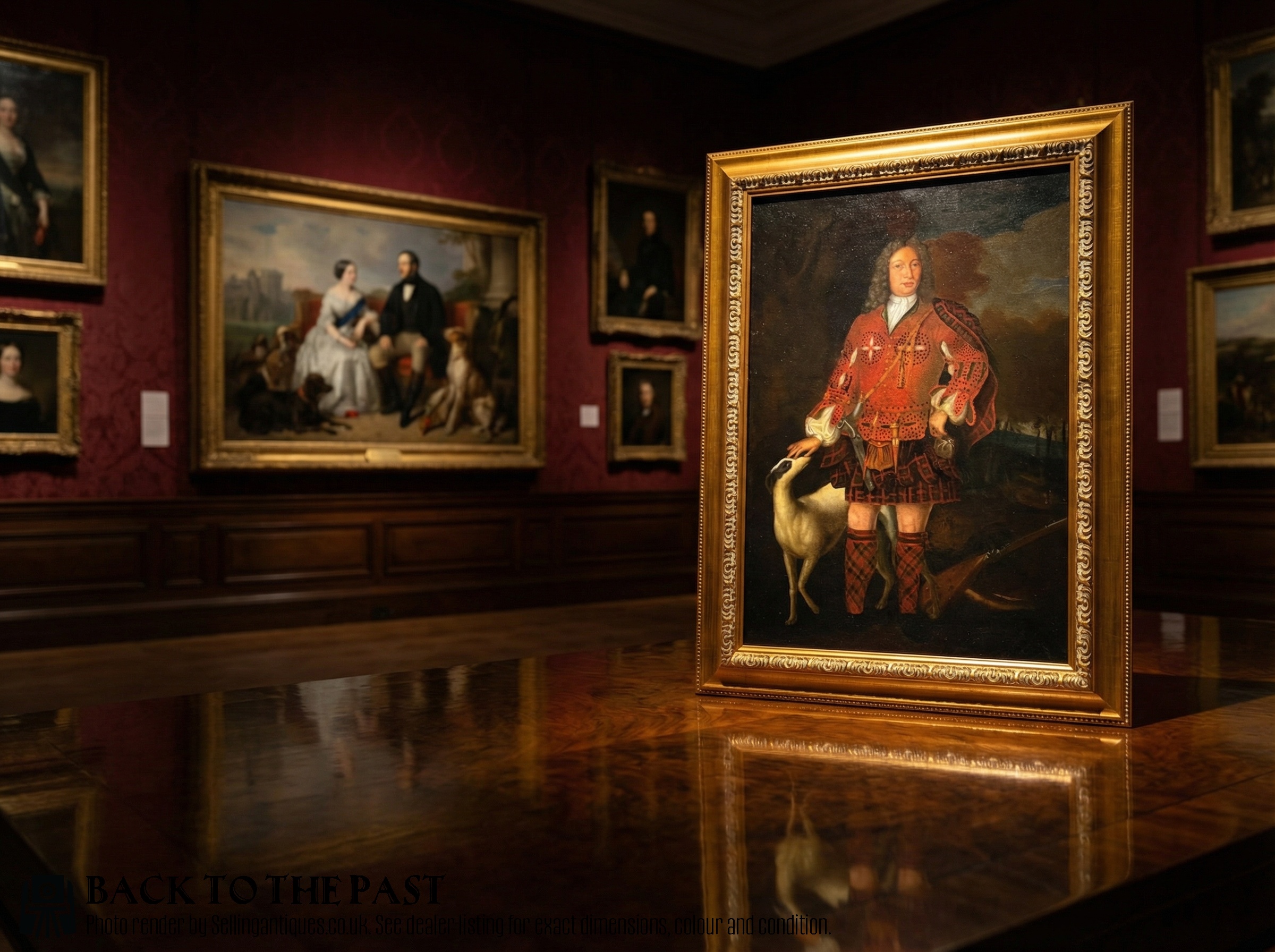
An antique scottish painting encompasses works produced across the nineteenth and early twentieth centuries, spanning the Victorian era and the years leading up to nineteen hundred and forty. The subjects most commonly encountered on this page focus on dramatic Highland scenery, tranquil lochs, and historic castles.
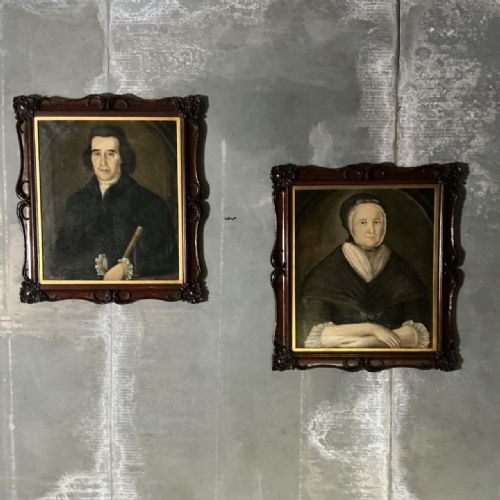
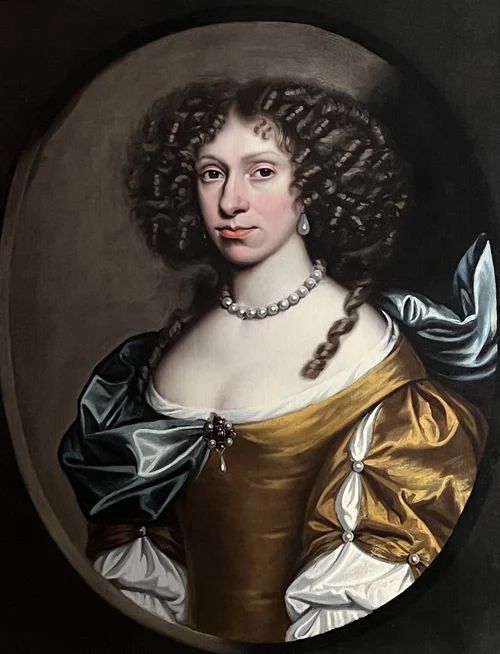
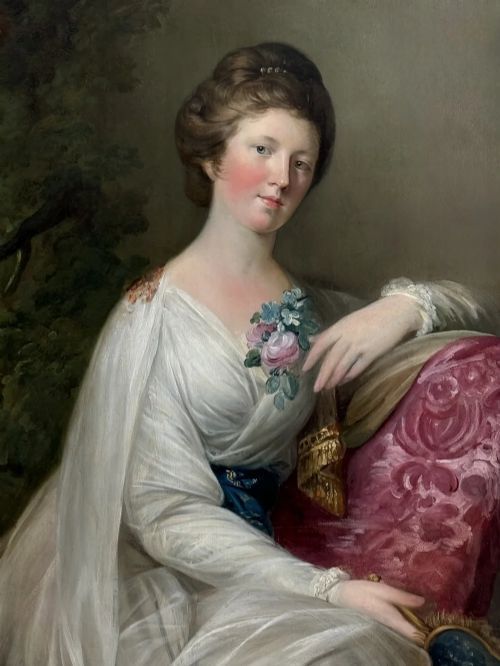
Beyond landscapes, the selection includes detailed portraiture and genre scenes depicting figures such as nobility, boys in kilts, and elderly gentlemen. These pieces range from intimate watercolours on paper to large oil paintings on canvas, board, and wood panels.
Origins trace back to named artists working within schools of Scottish realism, as well as broader British traditions. Buyers find both sweeping panoramic views of the moors and domestic interior studies.
How They Were Made
Artists utilised oil paint and watercolour pigment applied to supports of canvas, paper, wood, and glass. Many oil compositions employ canvas laid onto board to provide additional rigidity.
Framing frequently incorporates giltwood surrounds that complement the traditional tones of the pigment. Watercolour works combine pigment with paper supports, often protected beneath glass.
Retail Price Guide 2026
Typical UK retail prices for scottish painting, calculated from the Sellingantiques database of over a million retail prices indexed since 2003. This retail price guide relies exclusively on Sellingantiques data; no external sources or auction records are used, so the figures do not describe the wider market.
Several Highland cattle depicted in these works share an uncanny knack for staring directly at the viewer while standing knee-deep in mist.
What Varies in Quality
Quality reveals itself in the handling of light across water and mountain mists, where confident brushstrokes separate skilled observations from formulaic studio output. The depth of perspective in Highland landscapes and the psychological presence in portraiture dictate the standing of a piece.
The integrity of the original support, whether canvas, wood panel, or paper, influences the preservation of the surface. Surviving signatures and historical attribution add documentary weight to the visual execution.
Gustave De Brianski·John R. Houston·Andrew Kurtis·T H McKay·Stephen Enoch Hogley·Francis E Jamieson·Robert Houston·William Langley·Louis F Flexman·John Morison·George Stratton Ferrier·David Thomas Rose·Tom Campbell·H M Krause·T E Churnside·H Wallace·Walter Linsley Meegan·Thomas Austen Brown·Bernard Foster·John Hamilton Glass·Robert Finlay McIntyre·J Gibb·Herbert Moxon Cook·Frank Hider·George Sherwood Hunter
The Antique Scottish Painting Glossary
- Giltwood
- Wood carved and covered with a thin layer of gold leaf. This material is standard for traditional picture frames housing period artworks.
- Watercolour pigment
- Finely ground colour mixed with a water-soluble binder. It is applied to paper to create translucent washes of tone.
- Oil on canvas
- Paint bound in drying oil applied to a woven fabric stretched across a wooden frame. This medium allowed artists to build rich layers of texture.
- Genre realism
- Artistic representation of subjects from everyday life. These works depict ordinary people engaged in daily activities without idealisation.
Frequently Asked Questions
How do I identify a Scottish landscape?
Look for distinct geographical markers such as Highland cattle, heather-clad moors, lochs, and named locations like Skelmorlie Castle or Loch Lubnaig. The palette frequently relies on atmospheric greys, deep greens, and heather purples.
Artists often inscribed titles or locations on the reverse of the canvas or board, providing clear provenance for the view depicted.
What is the difference between oil and watercolour?
Oil paintings utilise pigment suspended in drying oil on canvas or wood, offering rich textures and deep colour saturation. Watercolours use a water-soluble medium on paper, resulting in lighter, more luminous compositions.
Watercolours require glass protection to prevent moisture damage, whereas oil paintings on canvas remain open to the room environment.
How should I care for an antique painting?
Keep works away from direct sunlight and dramatic fluctuations in temperature to protect both the pigment and the wooden support. Avoid hanging pieces in damp environments such as unheated kitchens or bathrooms.
Dust giltwood frames gently with a dry, soft brush and leave the cleaning of painted surfaces to professional conservators.
Can I date a painting by its frame?
Giltwood frames often provide a strong secondary indicator of period, though many works were reframed later in their history. Construction methods and joinery on the reverse of the frame help establish its age relative to the canvas.
Original wedged stretchers and nineteenth-century backing boards offer reassurance that the framing is contemporary with the artwork.