




Antique Scottish Clock
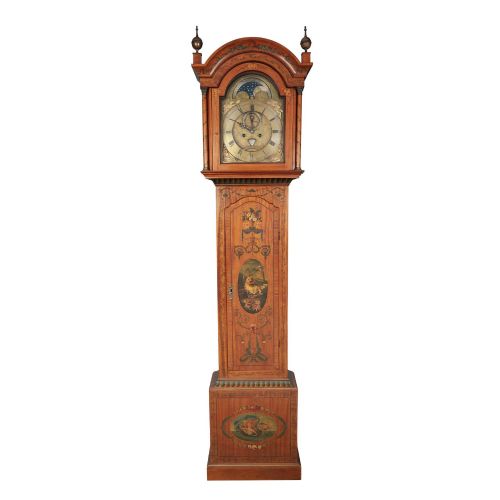
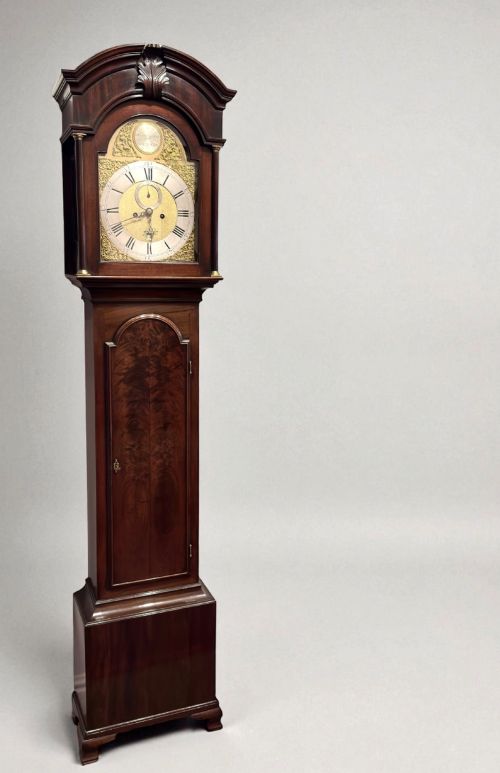
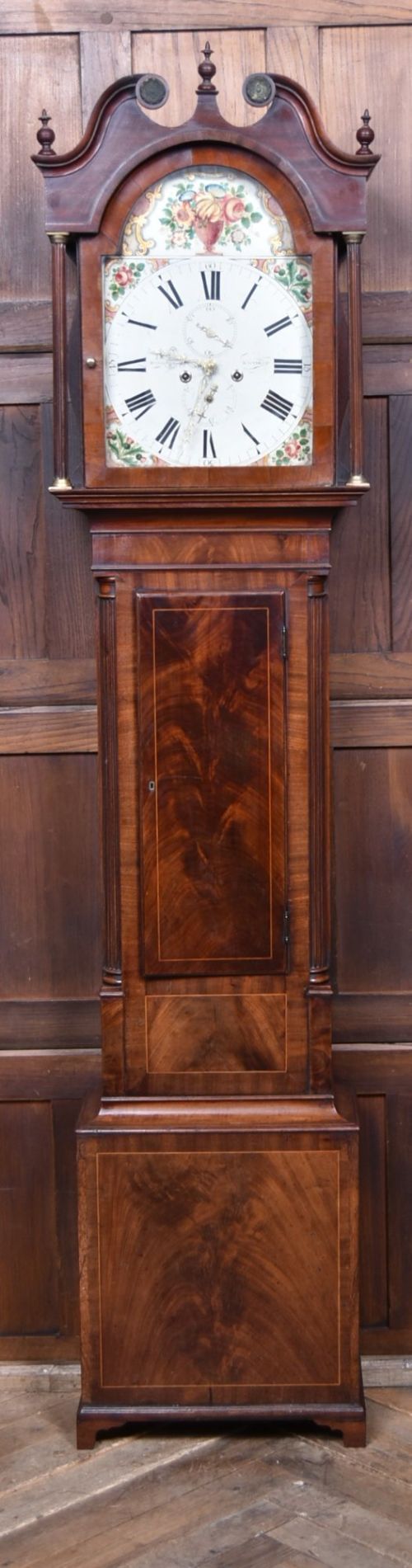
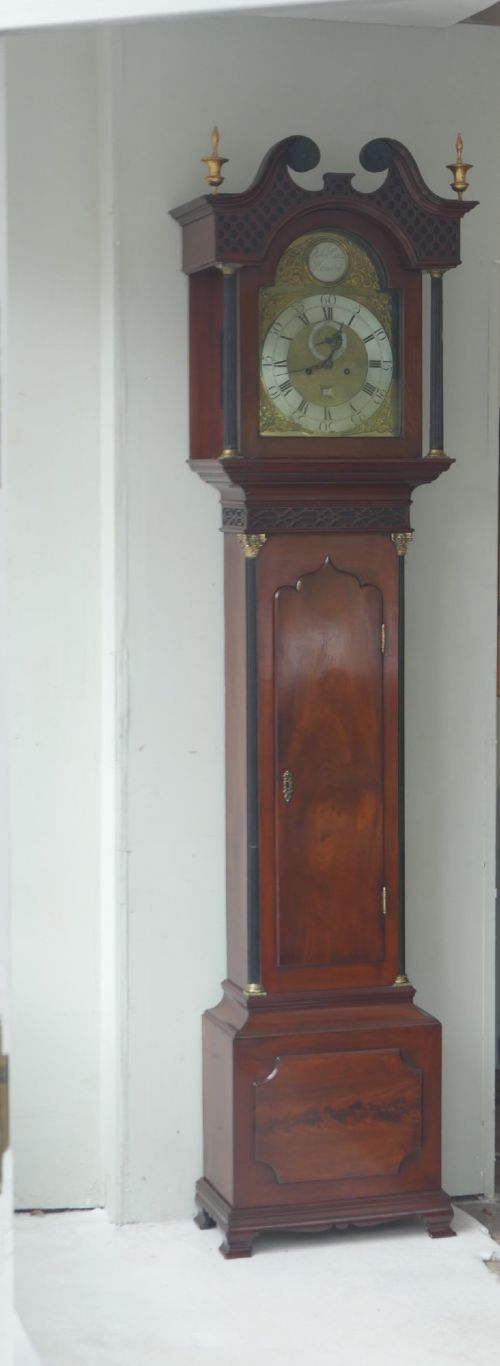
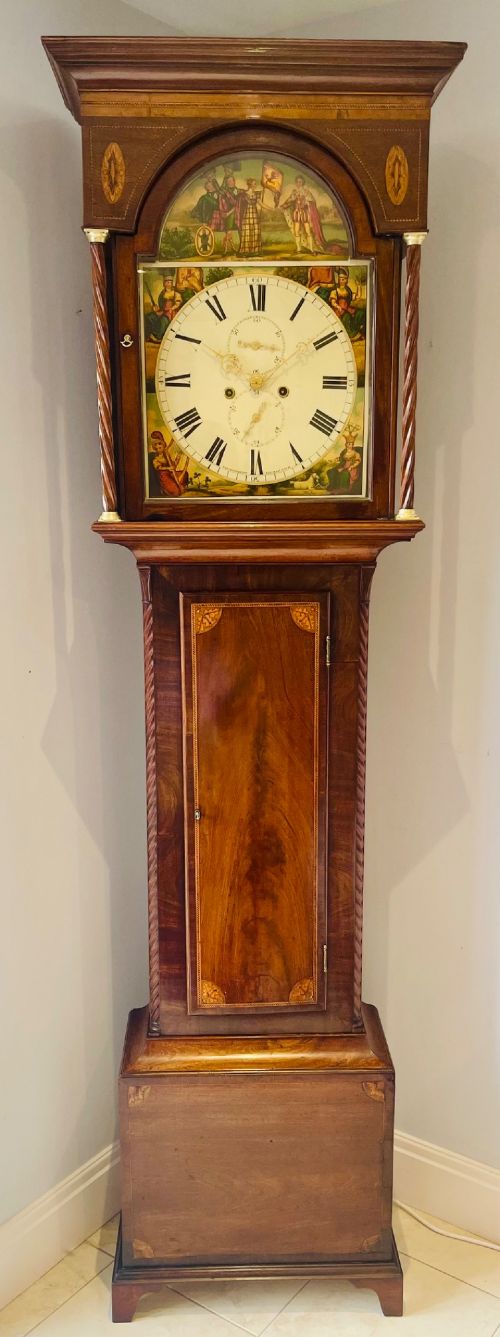
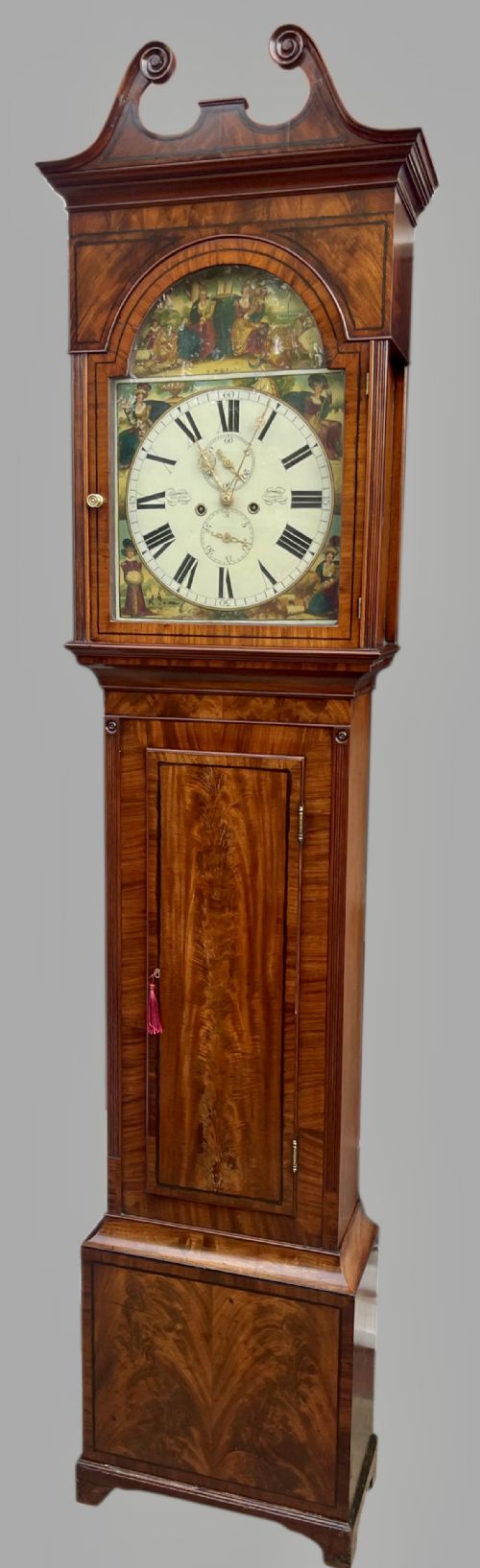
An antique scottish clock brings the quiet rhythm of provincial workshops and grand Edinburgh houses into a room through tall mahogany cases and painted dials.

Antique Scottish Clock
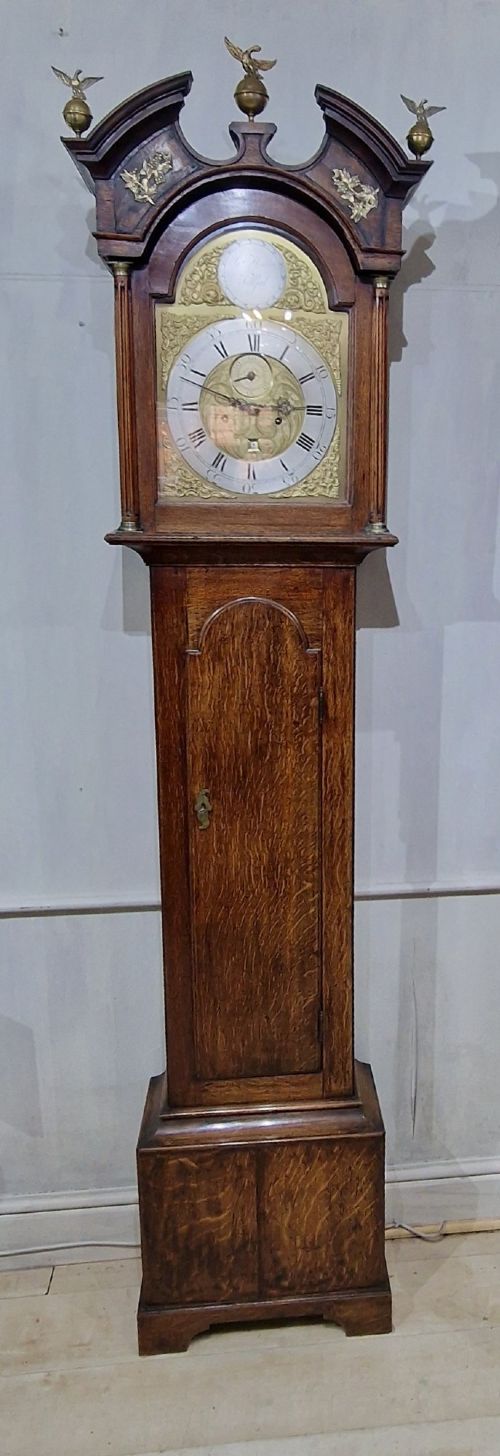
The regional diversity spans provincial makers working in smaller towns like Montrose, Perth, and Dumfries alongside prominent urban watchmakers based in Edinburgh, Glasgow, and Aberdeen. Makers signed dials with their names and locations, linking specific pieces to local trade networks across the 18th and 19th centuries. Most surviving examples display the substantial proportions characteristic of Scottish cabinetwork from the Georgian period onward.
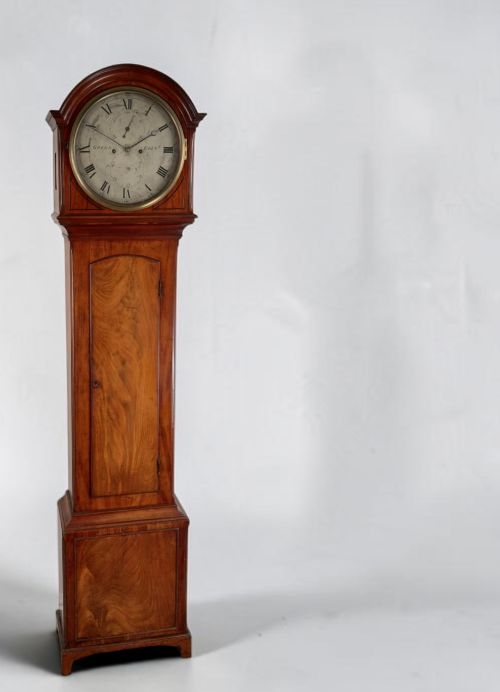
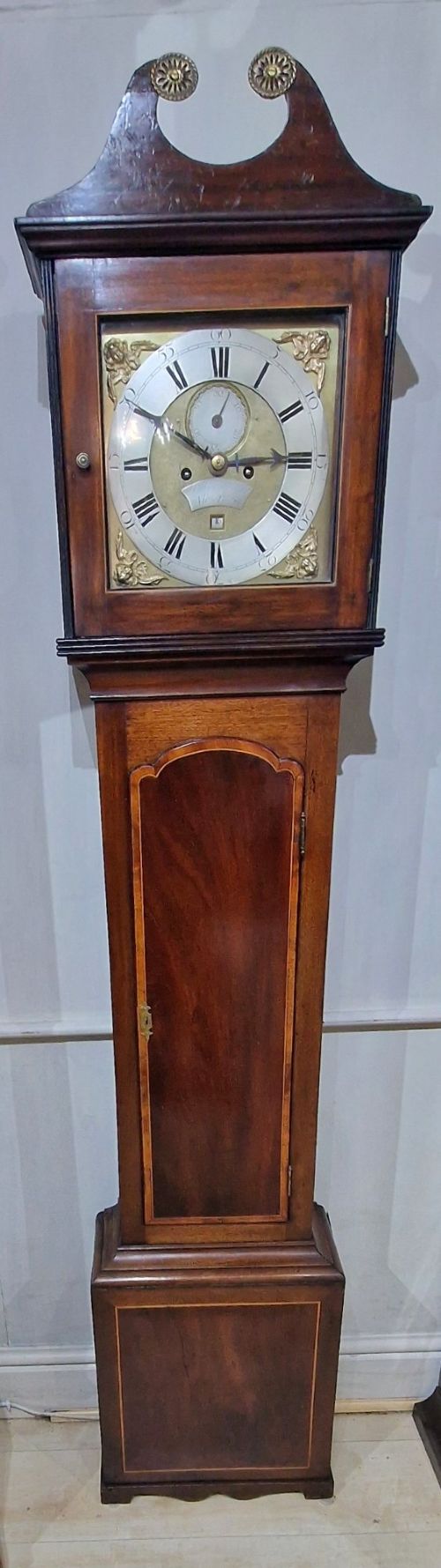
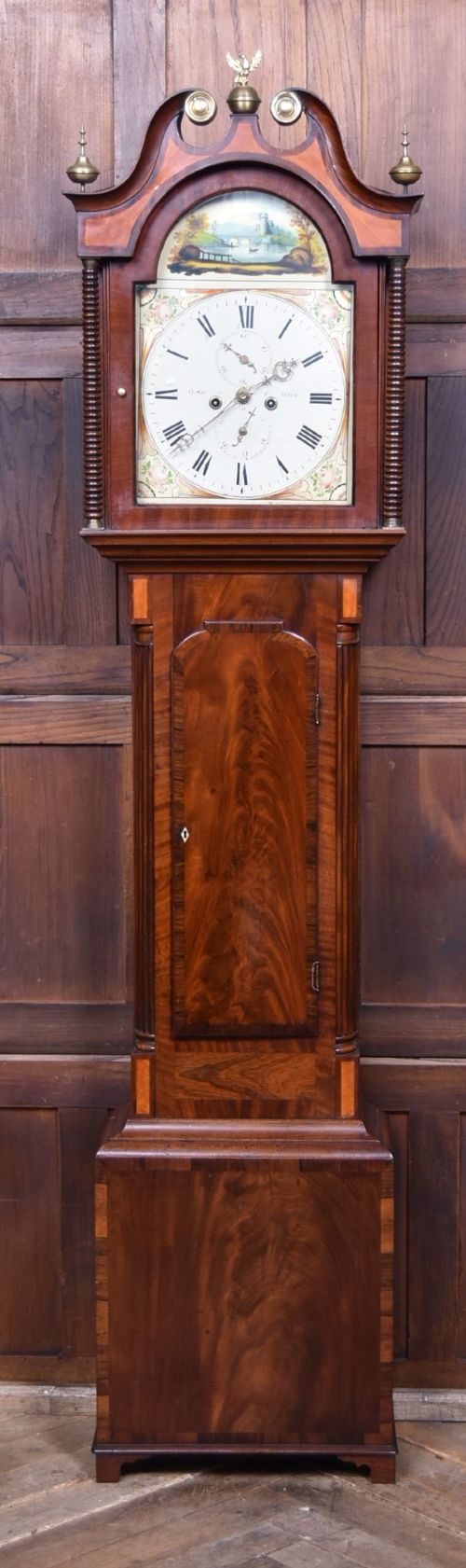
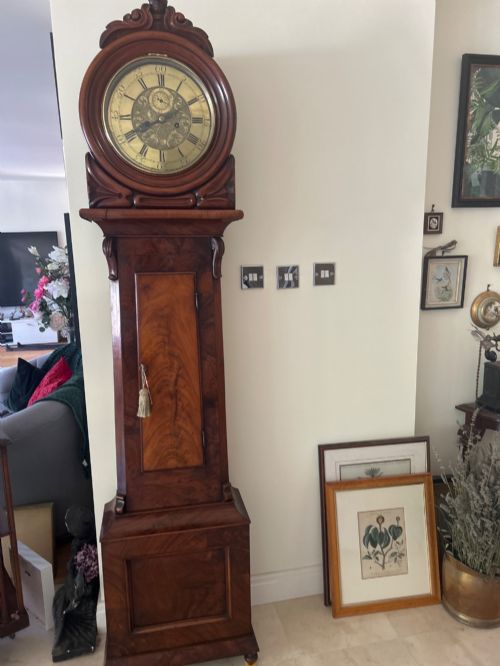
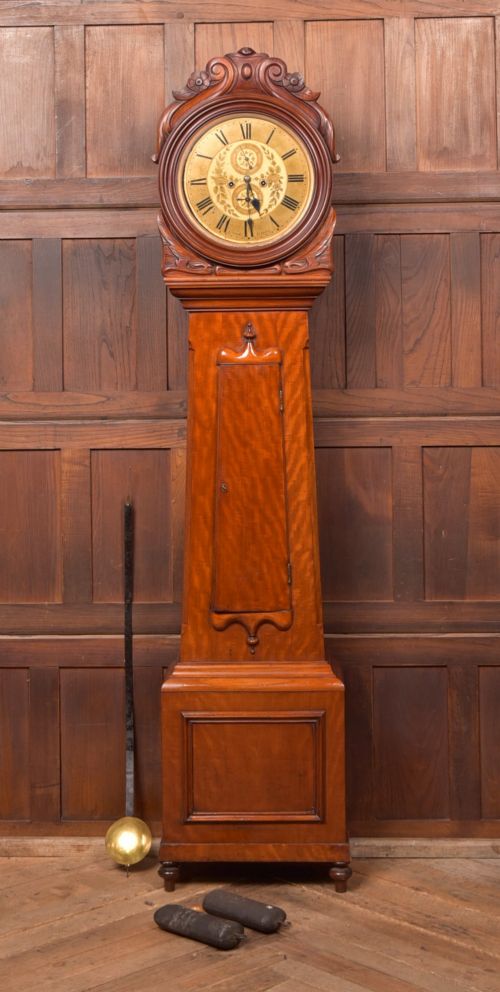
While longcase forms form the core of the selection, variants such as the drumhead clock introduce circular dial housings above tapering mahogany bases. Dial designs shift from brass plates with engraved spandrels to painted iron faces decorated with floral corners or nautical scenes. Buyers navigate a continuum ranging from plain country oak cases to highly figured flame mahogany models with marquetry inlay.
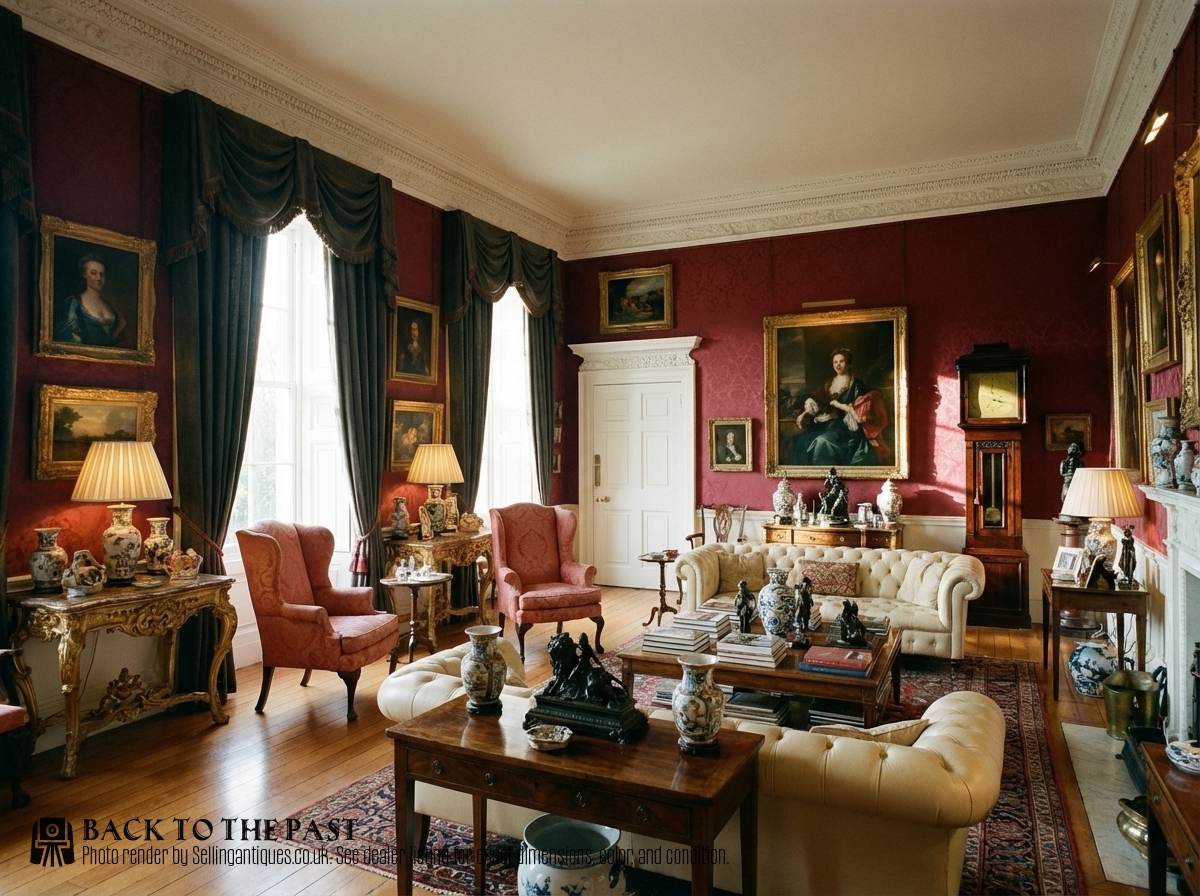
Materials and construction methods
Cabinetmakers utilised solid mahogany, flame mahogany, and oak for the tall cases, often embellishing surfaces with decorative marquetry or brass dial furnishings. Hoods enclose glass panels that protect the painted iron or brass clock faces, which frequently feature subsidiary seconds dials and calendar apertures. Iron and brass components form the internal gear trains and movements designed to run for eight hours or thirty days.
Movements were hand-built by regional horologists who sourced cast brass wheels, steel pinions, and lead or cast-iron weights. Cases were joined using traditional cabinetmaking methods, with trunk doors hinged to allow access to the swinging pendulum and suspended weights. Dials received hand-painted numerals and floral motifs executed in oil-based paints upon shaped iron sheets.
Antique Scottish Clock Retail Price Guide 2026
Typical asking prices for scottish clock among the pieces listed under this phrase on Sellingantiques today, from the lower quarter to the upper quarter. They describe what is for sale here now, not the wider market.
An unexpected pottery figurine slips into the inventory among the tall wooden clocks.
Factors influencing execution and finish
The grade of timber selected for the case dictates much of the visual appeal, separating plain utilitarian pine or oak carcases from richly figured flame mahogany veneers. Cabinetwork precision shows in the tight mitres of the hood moulding and the smoothness of the trunk door fit. Dial artistry varies from simple provincial lettering to intricate hand-painted Scottish scenes signed by accomplished urban clockmakers.
Movement sophistication distinguishes standard eight-day striking mechanisms from precision regulators fitted with deadbeat escapements and maintaining power. The integrity of the original partnership between dial, movement, and case remains a primary consideration for collectors. Master clockmakers signed work that maintained mechanical reliability alongside superior proportions and balanced dial layout.
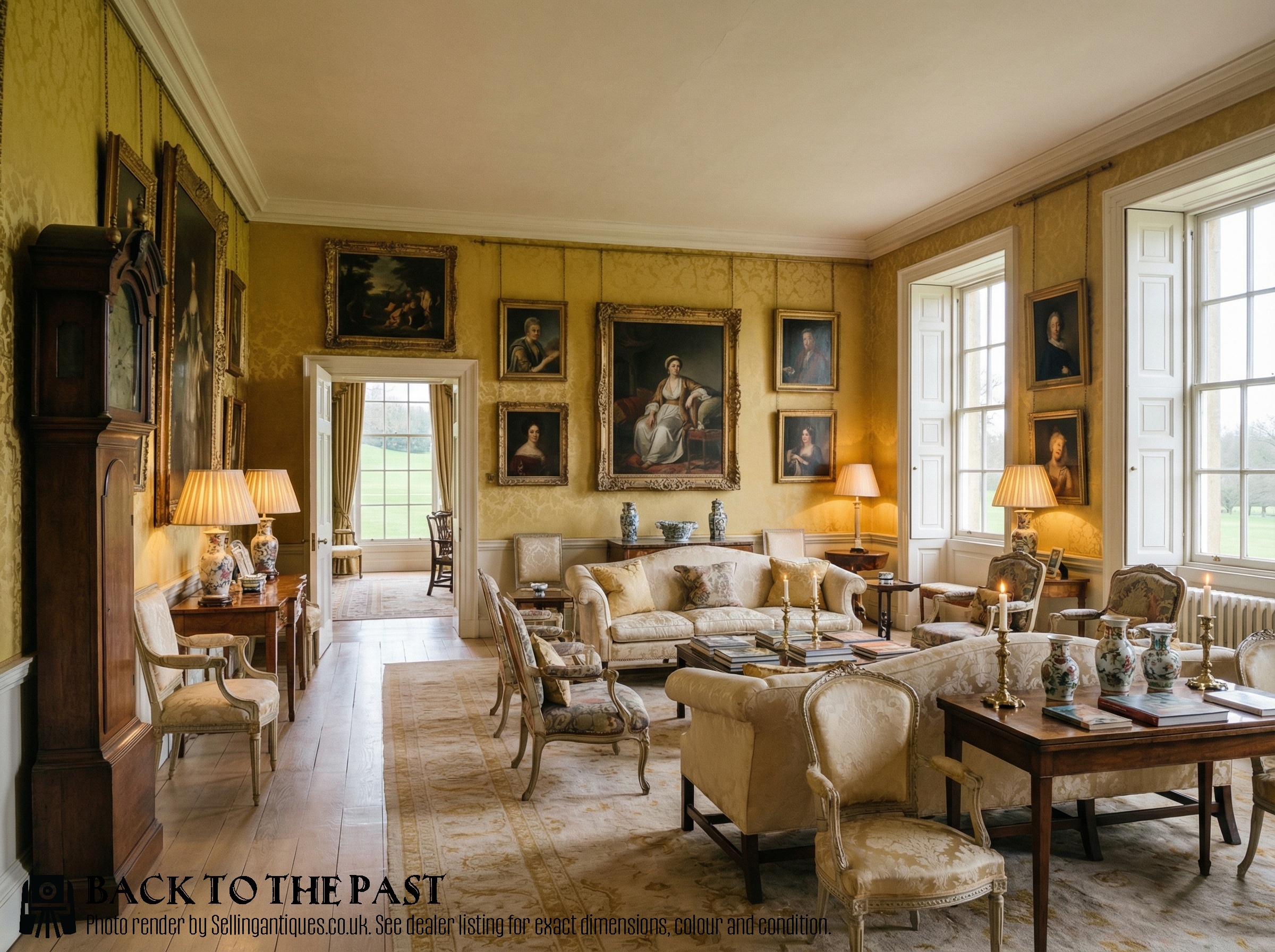
Hendrie Ogg·Gordon of Aberdeen·Green of Edinburgh·D. Straiton·Tait, Peebles·Matt Wylie·David Morice·John Breakenrig
The Antique Scottish Clock Glossary
- Longcase clock
- A tall pendulum clock enclosed in a wooden case standing directly on the floor. These timepieces are frequently referred to as grandfather clocks.
- Drumhead clock
- A clock featuring a circular dial housing mounted directly on top of a tapering wooden trunk. This regional style appears frequently in 19th-century Scottish horology.
- Regulator
- A high-precision clock designed to keep exact time, often featuring a heavy gridiron pendulum and a clean dial layout. These pieces were utilised in observatories and workshops as time standards.
- Spandrel
- An ornamental corner piece fitted to the outer edges of a square or arched clock dial. Early brass examples feature cast metal scrollwork while later painted iron faces display floral decorations.
- Marquetry
- Inlaid wood veneers arranged in decorative patterns across the surface of the clock case. This technique adds pictorial or geometric enrichment to mahogany panels.
Antique Scottish Clock: Frequently Asked Questions
What is a drumhead clock?
A drumhead clock is a distinctive timepiece where the dial is set inside a circular wooden frame resembling a drum, mounted atop a tapering mahogany trunk.
This form gained particular popularity in 19th-century Scotland and provides a more compact silhouette than the traditional rectangular longcase hood.
How do I tell an 18th-century clock from a Victorian one?
Eighteenth-century examples often feature brass dials with engraved corner spandrels and simpler architectural hood designs in oak or early mahogany. Victorian pieces frequently display painted iron dials, drumhead housings, and highly figured flame mahogany veneers with richer polish.
Movement construction and signature styles also help assign pieces to their respective Georgian or Victorian periods.
Where were these clocks made?
These timepieces originated in workshops across Scotland, spanning major urban centres like Edinburgh, Glasgow, and Aberdeen as well as smaller market towns such as Montrose, Falkirk, and Dunfermline.
Regional horologists often signed directly on the dial face alongside their home town.
How do eight-day movements work?
An eight-day movement is driven by two heavy weights suspended on cords or chains that require winding approximately once a week using a crank key.
As the weights descend slowly inside the trunk, they power the gear train, escapement, and pendulum to keep accurate time and strike the hours on a bell or gong.