

Antique Scandinavian Cabinet
An antique scandinavian cabinet brings functional storage and calm proportion to a room, offering painted finishes or pale woods.
Antique Scandinavian Cabinet
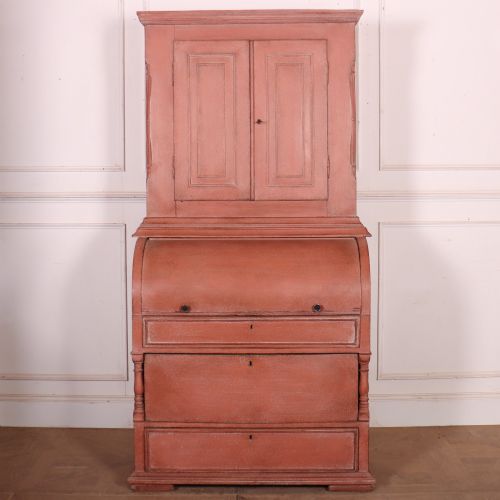
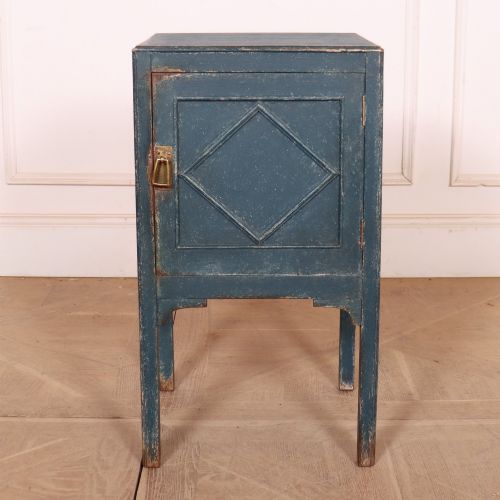
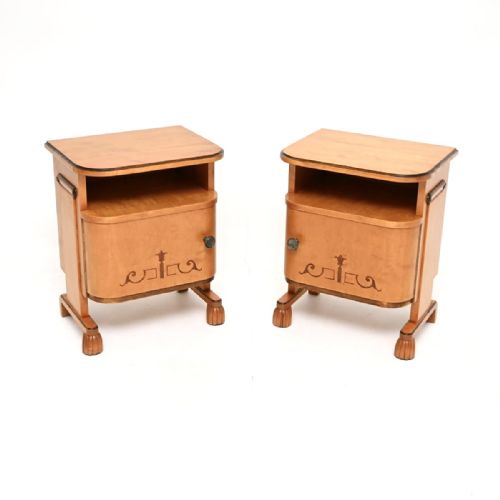
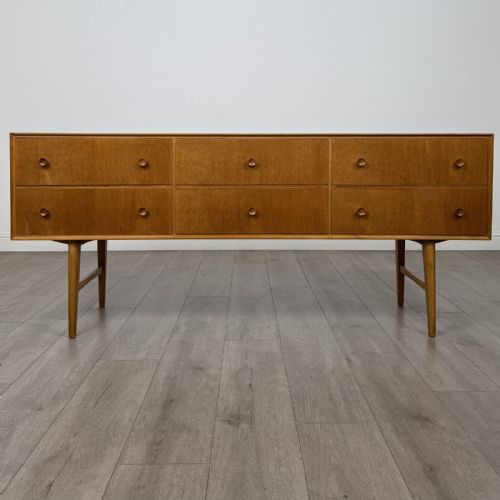
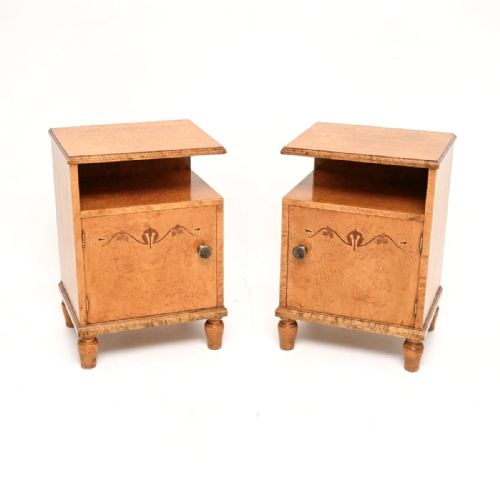
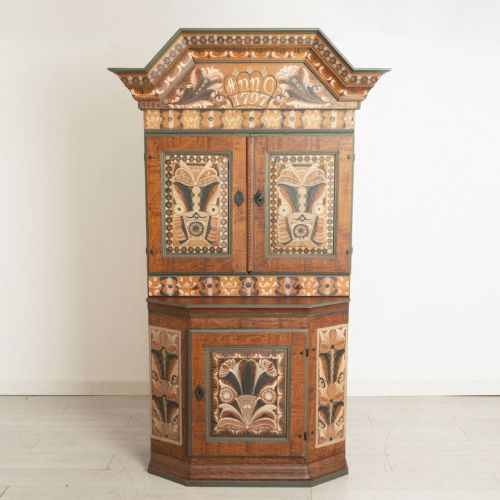
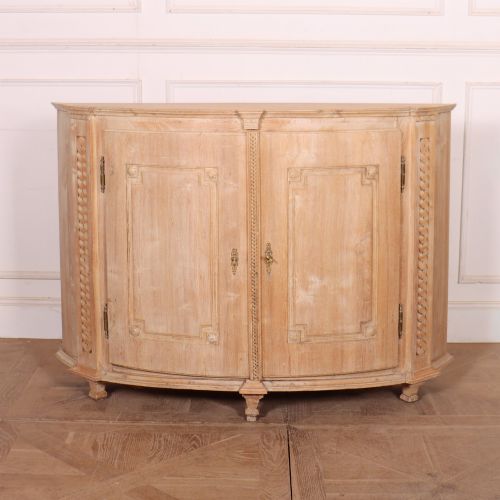
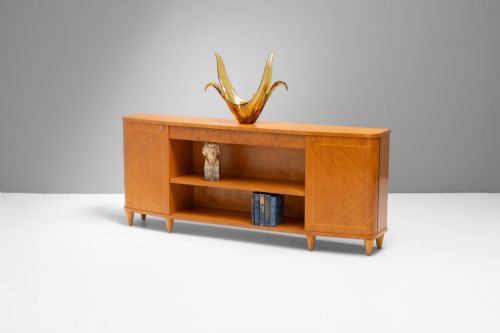
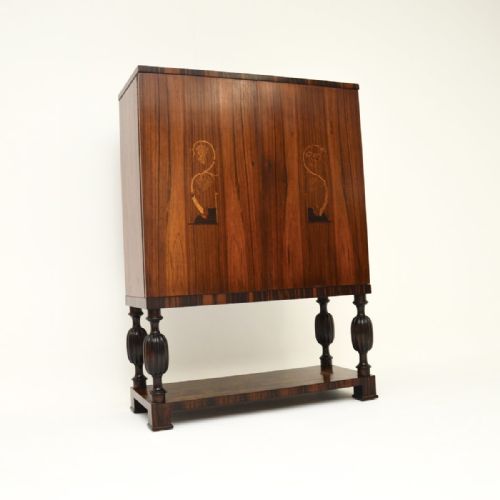
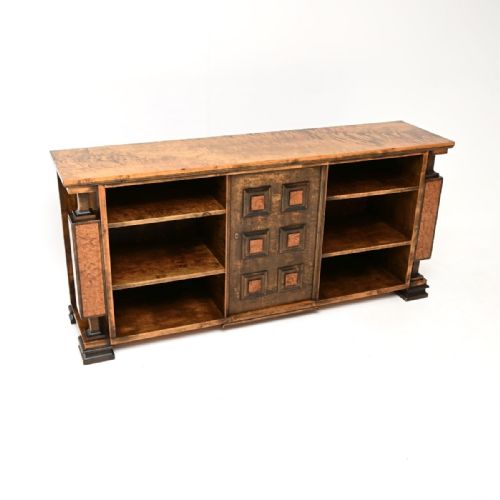
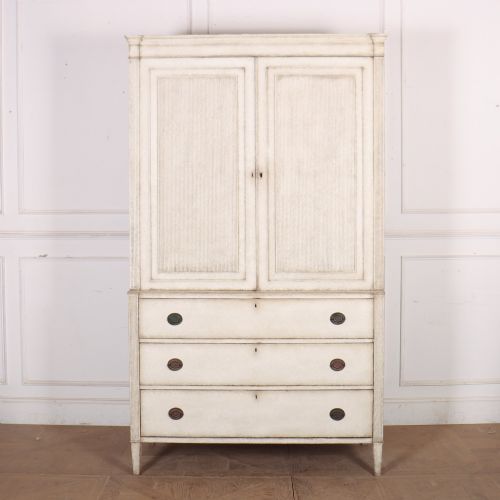
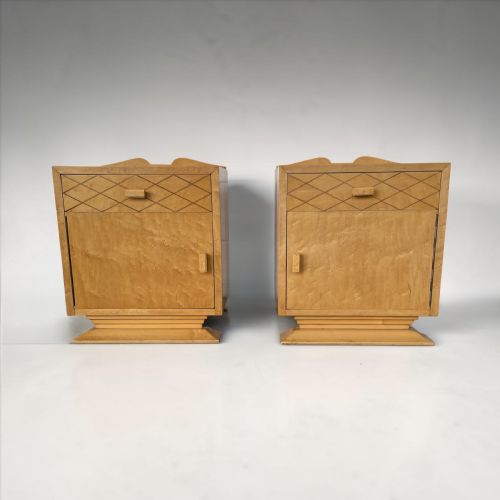
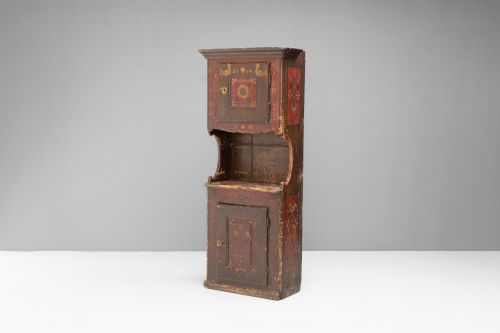
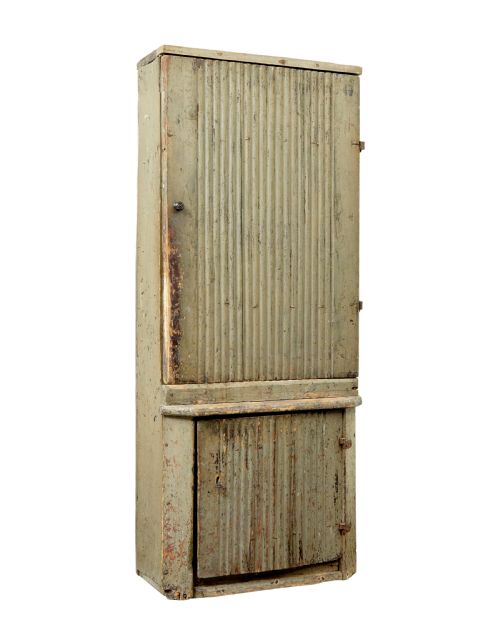
When searching for an antique scandinavian cabinet, buyers encounter a wide variety of storage pieces ranging from tall painted cupboards to compact bedside chests. Pine and birch form the backbone of these constructions, often shaped into corner cupboards, linen presses, or secretaire chests with characteristic regional detailing. Eighteenth-century pieces tend to feature hand-painted surfaces, while nineteenth-century examples often display the warm grain of birch or satin birch.
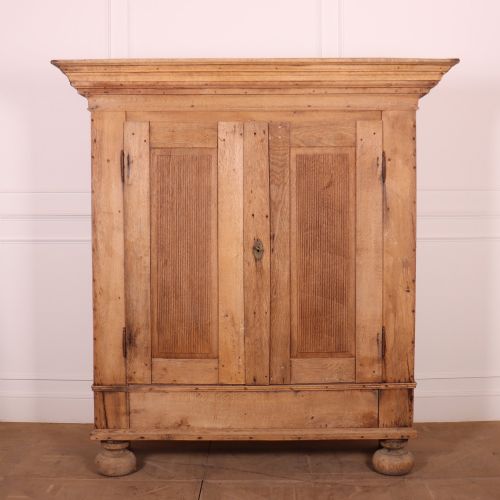
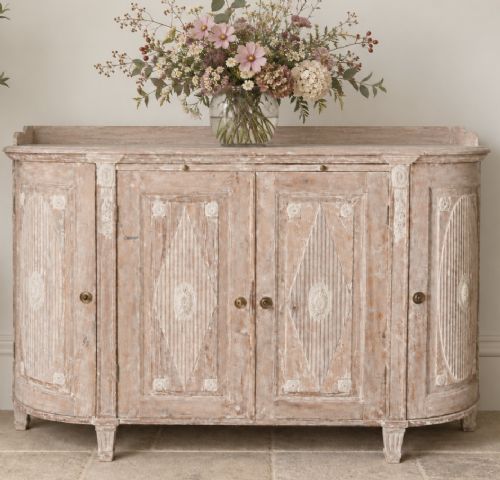
The aesthetic leans heavily toward Gustavian restraint, Biedermeier elegance, and folk art charm, with forms designed to maximise light in northern interiors. Swedish and Baltic origins dominate the selection, bringing specific regional paint colours and architectural cornices to the pieces. Buyers meet both grand double-door armoires and narrow wall cupboards suitable for smaller spaces.
Materials and Construction
Makers relied primarily on native softwoods like pine for painted furniture, while hardwoods such as birch, burr birch, and satin birch provided rich surfaces for polished finishes. Iron and brass hardware, including decorative keyplates and drop handles, secured doors and drawers. Glass panels appeared in bookcase doors, and marble slabs occasionally topped bedside cabinets.
Surface preparation involved layers of lead-based or oil paints, sometimes scraped back to reveal earlier colours or applied as intricate hand-painted folk art motifs. Veneers were skillfully laid over secondary woods in nineteenth-century Biedermeier pieces, creating symmetrical grain patterns on drawer fronts and secretaire drops.
Antique Scandinavian Cabinet Retail Price Guide 2026
Typical asking prices for scandinavian cabinet among the pieces listed under this phrase on Sellingantiques today, from the lower quarter to the upper quarter. They describe what is for sale here now, not the wider market.
The listings show a strong presence of nineteenth-century pieces, with pine and birch acting as the dominant structural materials alongside painted and polished finishes.
Distinctions in Quality
Quality rests heavily on the integrity of the surface finish, whether an original scraped paint scheme or a polished birch veneer. Superior pieces maintain their original hardware and fitted interior drawers, whereas lesser examples often show unsympathetic repainting or replaced fittings.
Proportion and joinery differentiate standard utility furniture from finer workshop pieces. Well-executed corner mitres, balanced serpentine drawer fronts, and harmonious proportions indicate skilled cabinet-making rather than regional carpentry.
The Antique Scandinavian Cabinet Glossary
- Secretaire
- A cabinet or chest featuring a pull-down writing flap that conceals small drawers and pigeonholes. This form remained popular throughout the nineteenth century in Biedermeier workshops.
- Gustavian
- A Swedish neoclassical style characterised by restrained classical motifs, fluted columns, and pale paint finishes. It developed during the reign of King Gustav III.
- Biedermeier
- A Central European and Scandinavian style spanning the nineteenth century, focusing on domestic comfort and clean lines that highlight wood grain rather than heavy ornamentation.
- Bonnet top
- A curved or arched cabinet top resembling the shape of a bonnet. This architectural feature often crowns tall linen cupboards and bookcases.
- Serpentine
- A furniture front shaped with a convex centre flanked by concave curves. This contour requires precise woodworking and appears on select commodes and cabinets.
Antique Scandinavian Cabinet: Frequently Asked Questions
How do I clean a painted Scandinavian cabinet?
Dust the surface regularly with a soft, dry cloth to prevent dirt accumulation. Avoid harsh chemical cleaners that might strip historic paint layers.
For stubborn marks, use a damp cloth with mild soap, drying the wood immediately afterwards. Preservation of the original painted surface remains the primary goal.
Were these cabinets used in kitchens?
Many pine cupboards and dressers served as kitchen storage for crockery and dry goods. Painted finishes protected the softwoods from kitchen moisture.
Later nineteenth-century examples often functioned as general linen or clothing storage in bedrooms and hallways.
What is birch veneer?
Birch veneer consists of thin slices of figured birch wood glued over a more stable secondary wood core. This technique allowed cabinet-makers to display dramatic grain patterns across large drawer fronts.
Burr birch and masur birch provided particularly striking figuring for high-status nineteenth-century pieces.
How do I distinguish Gustavian from Biedermeier?
Gustavian pieces typically date from the late eighteenth to early nineteenth century, featuring pale paint, neoclassical carving, and symmetrical proportions. They reflect French influence adapted to Swedish tastes.
Biedermeier furniture emerged later in the nineteenth century, prioritising polished wood veneers, minimalist forms, and domestic comfort over classical ornament.