





Antique Satsuma Porcelain Vase
An antique satsuma porcelain vase brings intricate hand-painted narratives and rich gilding into a room, connecting homes directly to late-nineteenth and early-twentieth-century Japanese craftsmanship.
Antique Satsuma Porcelain Vase
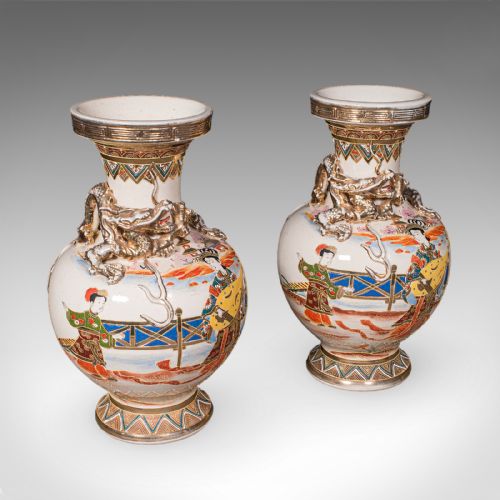
An antique satsuma porcelain vase embodies a distinct ceramic tradition that developed significantly during the Meiji period, moving from regional earthenware roots to internationally celebrated decorative art. These vessels range from diminutive miniature pieces to monumental floor-standing items, frequently taking the form of baluster bodies, ginger jars, or ceremonial incense burners.
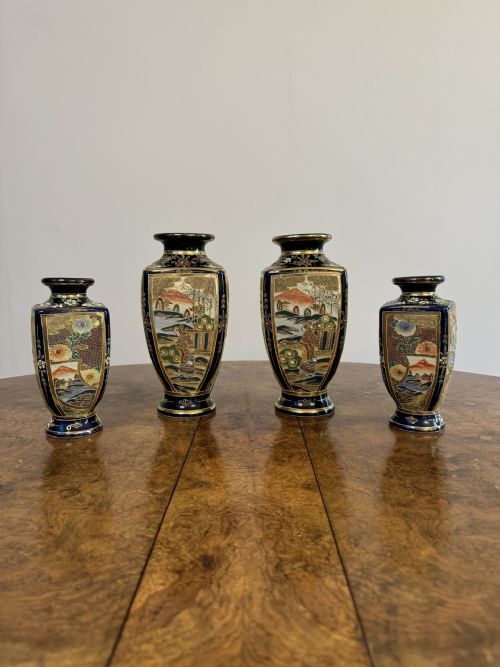
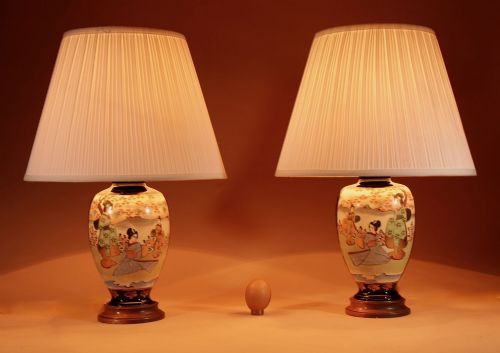
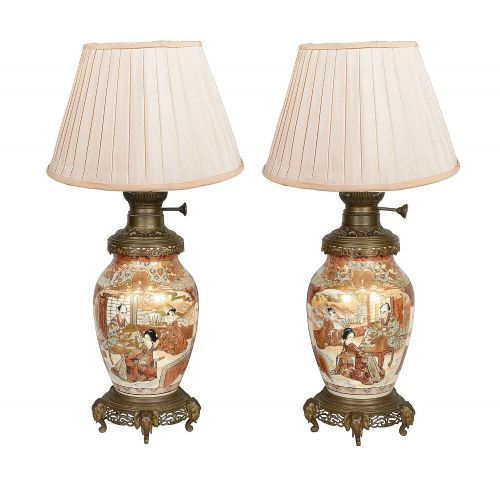
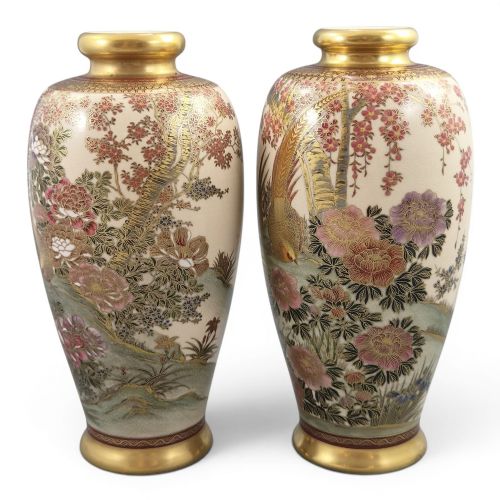
The specimens most commonly encountered on this page date from the late nineteenth century through to the early decades of the twentieth century, encompassing late Victorian, Edwardian, Taisho, and early Showa periods. Buyers frequently encounter matched pairs, baluster silhouettes, and specialised functional adaptations such as converted table lamps.
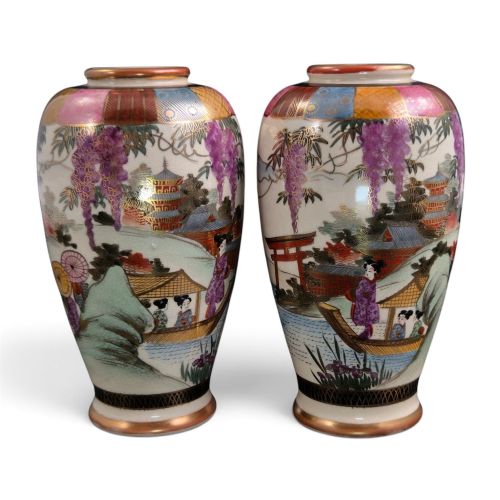
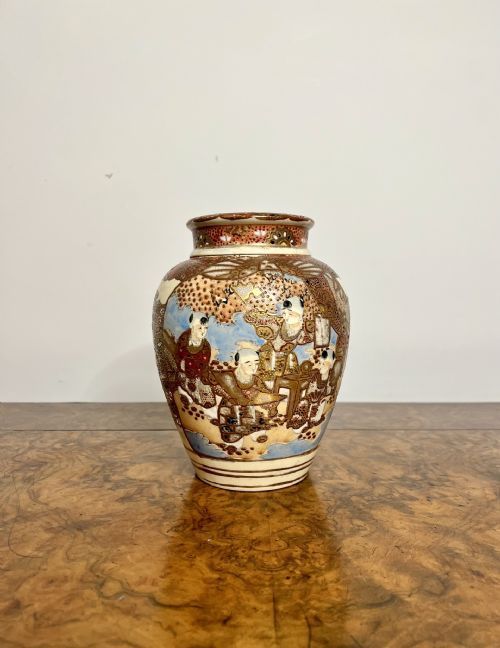
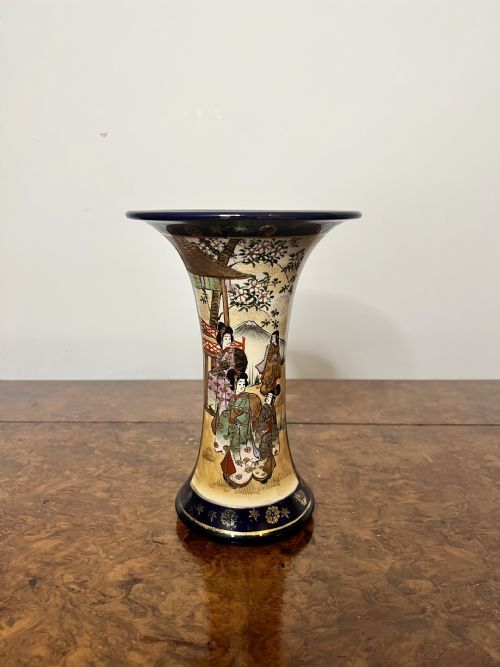
Motive work across these surfaces relies heavily on figurative storytelling, depicting court scenes, processions of Arhats, landscapes featuring wisteria, and detailed animal studies including Shi-Shi lions. Many examples display specific regional characteristics tied closely to Kyoto workshops, carrying marks from notable makers and families.
How They Were Made
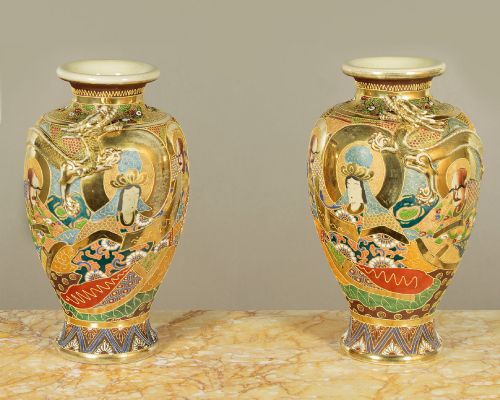
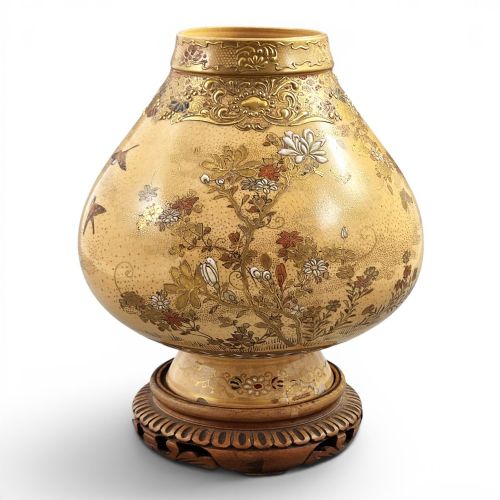
Makers utilised a creamy earthenware body characterised by a fine, micro-crackled glaze that provided a stable absorbent canvas for subsequent painting. Artisans built up complex pictorial schemes using dense polychrome enamels combined with extensive gold leaf and raised enamel detailing known as moriage.
The decorative process required multiple firings to set the foundational ceramic body, the intricate underglaze or overglaze painted scenes, and the final layers of gilding. Individual workshops employed specialised brushwork for facial expressions, foliage, and geometric borders, often adding painted signatures or studio stamps to the base.
Listings feature items spanning the nineteenth century, Victorian, Edwardian, Taisho, and Showa periods.
What Varies in Quality
The prestige of the workshop mark heavily influences the standing of a vessel, with signed examples from makers like Kinkozan or Hotoda commanding recognition for superior technical execution. Scale and ambition also divide standard commercial production from exhibition-quality items designed for international expositions.
Manpei Kobe·Kinkozan Kyoto·Hotoda·Chosei·Shuzan·Nanzan·Yamashu·Tagawa·Seiko en Chokei·Tashiro
The Antique Satsuma Porcelain Vase Glossary
- Moriage
- A decorative technique using piped clay or thick enamel to create raised, three-dimensional surface patterns before gilding. This method adds significant tactile depth to robes, borders, and floral motifs.
- Baluster
- A vase shape featuring a rounded body that tapers toward a narrow neck and flares slightly at the rim. This traditional silhouette offers a balanced canvas for panoramic landscape and figure scenes.
- Koro
- A traditional Japanese incense burner fitted with a pierced cover to allow scented smoke to escape. These vessels often feature three feet and sculpted guardian figures on the lid.
- Mon
- A Japanese heraldic badge or crest used to identify families, clans, or imperial lineages. These mon symbols appear frequently on high-status Satsuma wares as part of the surface decoration.
- Meiji Period
- The historical era spanning from 1868 to 1912, marked by Japan opening to Western trade and a massive surge in decorative arts production. Satsuma wares from this period are celebrated for their meticulous detail and artistic ambition.
Antique Satsuma Porcelain Vase: Frequently Asked Questions
What is Satsuma ware?
Satsuma ware is a type of Japanese pottery traditionally characterised by an ivory-colored earthenware body covered in a finely crackled glaze. These pieces are typically decorated with elaborate polychrome enamels and rich gilding.
The tradition evolved from regional beginnings into highly refined decorative objects created specifically for export and international exhibition during the late nineteenth and early twentieth centuries.
How do I identify a Meiji period piece?
Meiji period pieces can be identified through their stylistic intensity, complex narrative scenes, and the presence of intricate moriage work combined with heavy gilding. Many vessels from this era carry painted artisan or studio signatures on the base.
The craftsmanship reflects the high technical standards demanded during the reign of Emperor Meiji, when Japanese ceramic artists catered to a booming global market for decorative arts.
Were these vases made for use?
Most antique Satsuma vessels were created primarily for display rather than heavy domestic utility, serving as ornamental centerpieces in parlours and drawing rooms. Specialised forms like incense burners had specific ceremonial functions, but vases and jars were intended to showcase artistic skill.
Over subsequent decades, some of these decorative vases were professionally converted into table lamps to suit changing interior illumination styles.
How should I care for an antique vase?
Caring for an antique Satsuma ceramic involves keeping the piece away from direct sunlight and dusting the surface gently with a soft, dry cloth. Avoid using liquid cleaners or water, as the porous nature of the earthenware and the delicate overglaze enamels can be sensitive to moisture.
Displaying the vase on a stable surface away from high-traffic areas protects the raised gilding and intricate hand-painted details from accidental impact.