

Antique Satinwood Credenza
An antique satinwood credenza brings luminous timbers and delicate painted detail to a room, offering both display and storage.
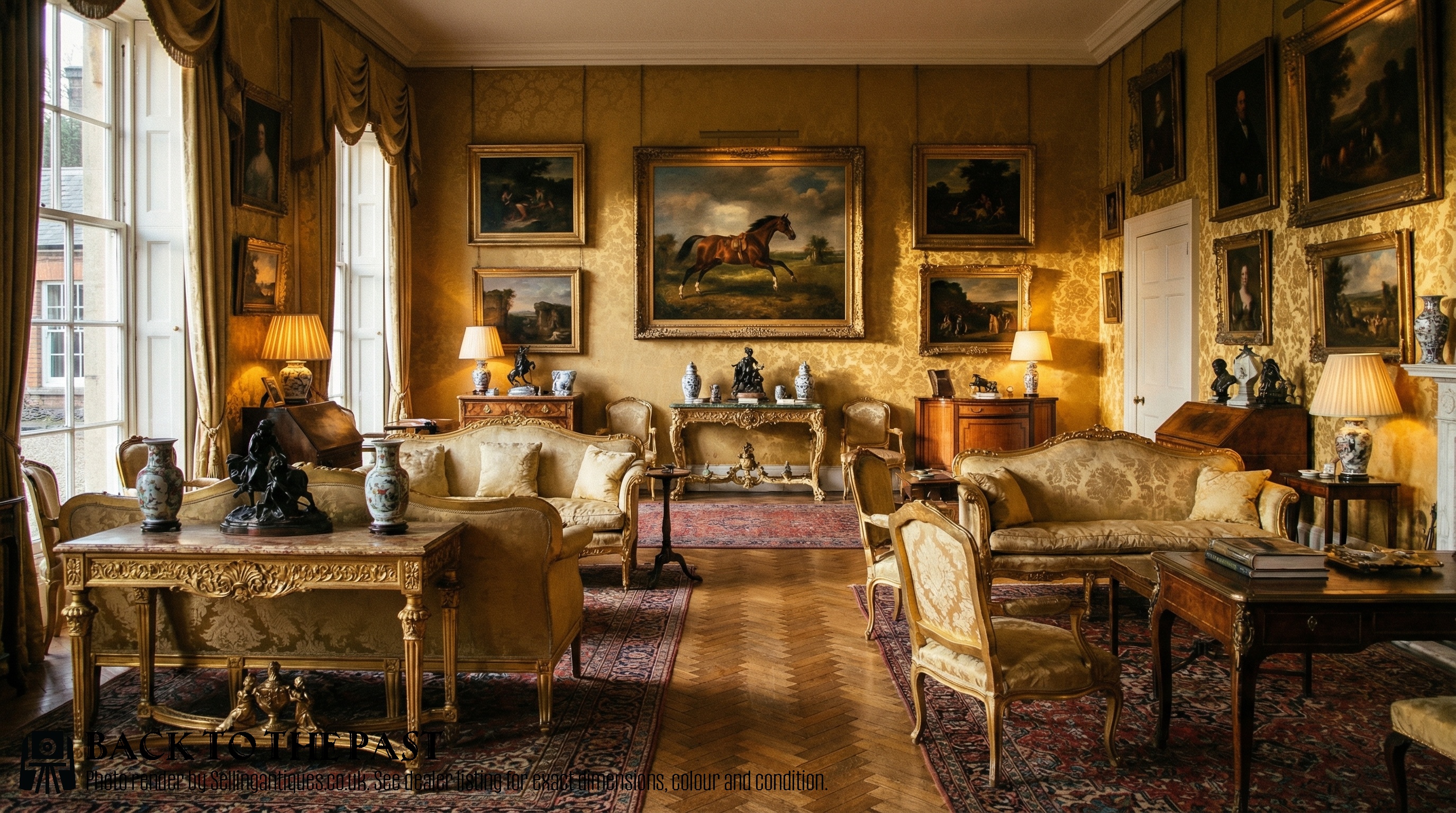
Antique Satinwood Credenza
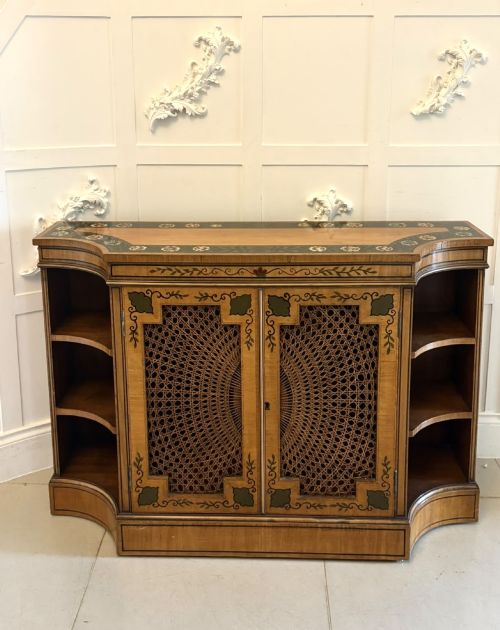
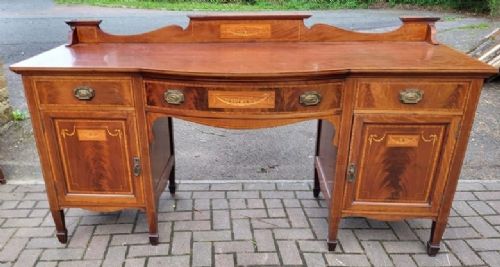
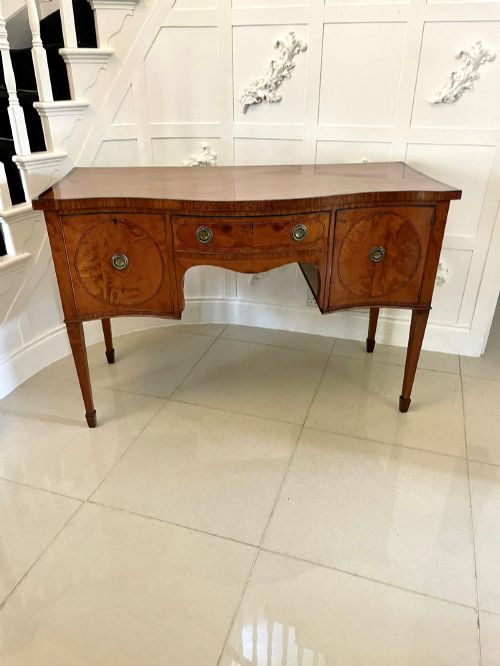
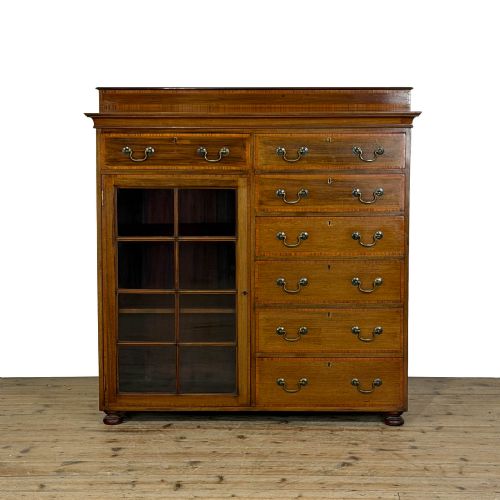
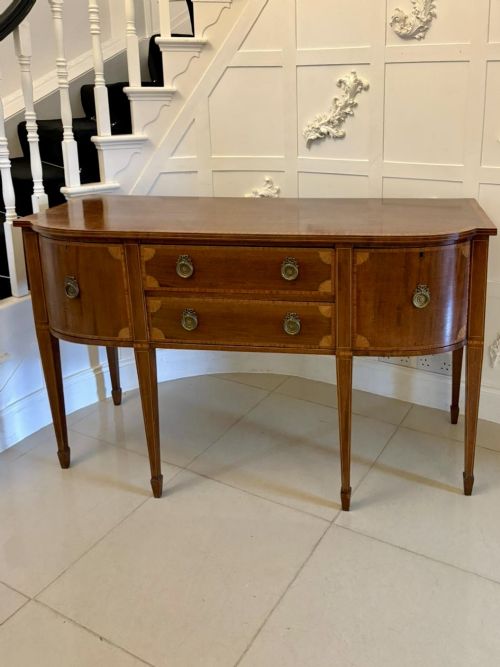
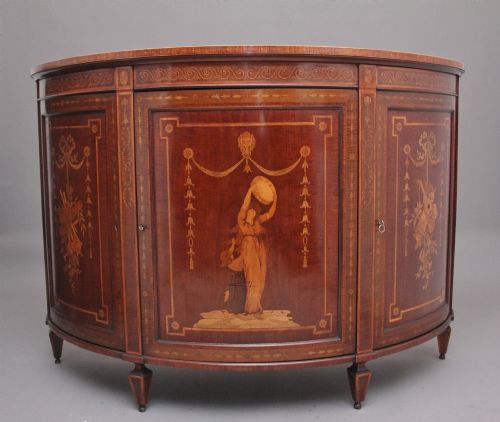
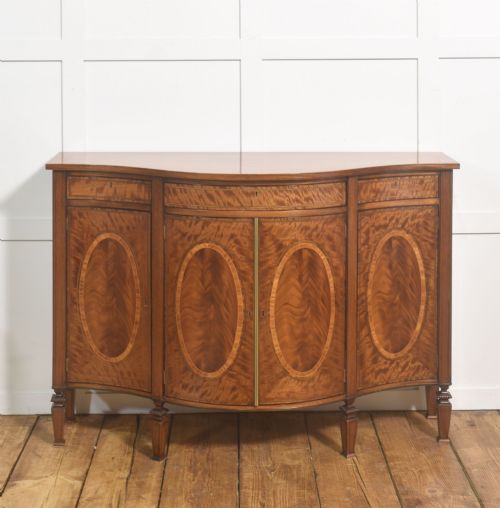
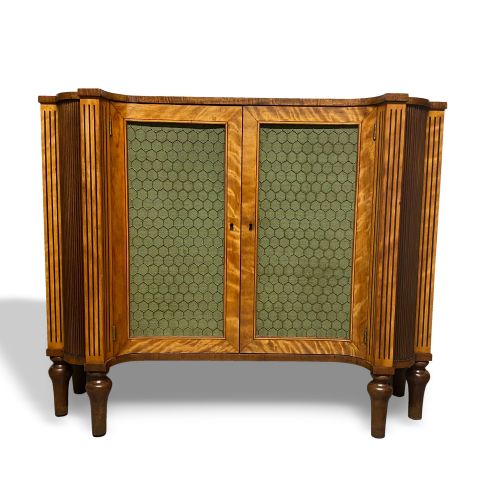
An antique satinwood credenza represents a refined class of storage furniture spanning the nineteenth and early twentieth centuries. These pieces emerge in styles including Sheraton Revival, Adam Revival, Victorian, and Edwardian designs.
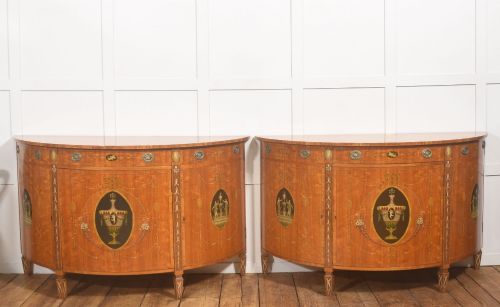
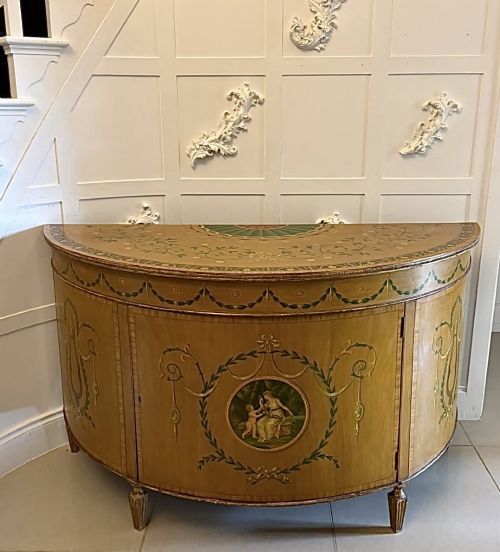
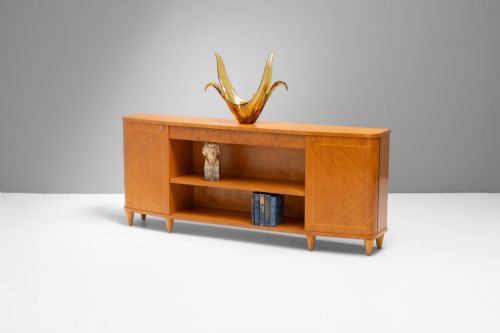
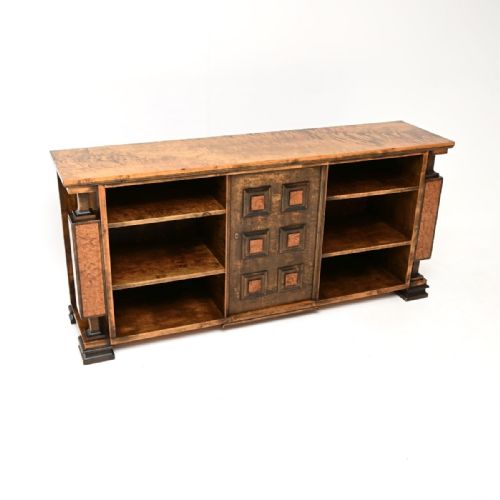
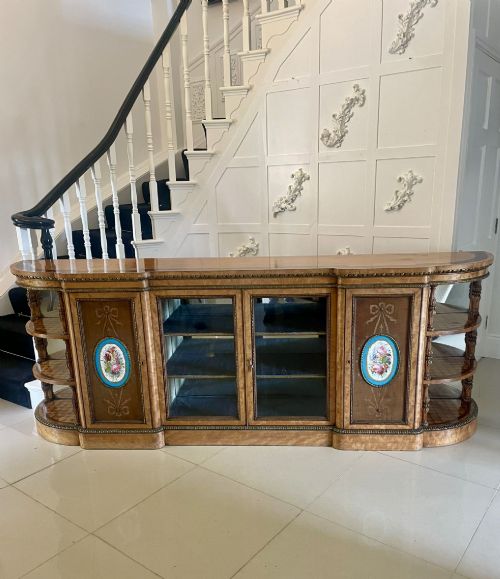
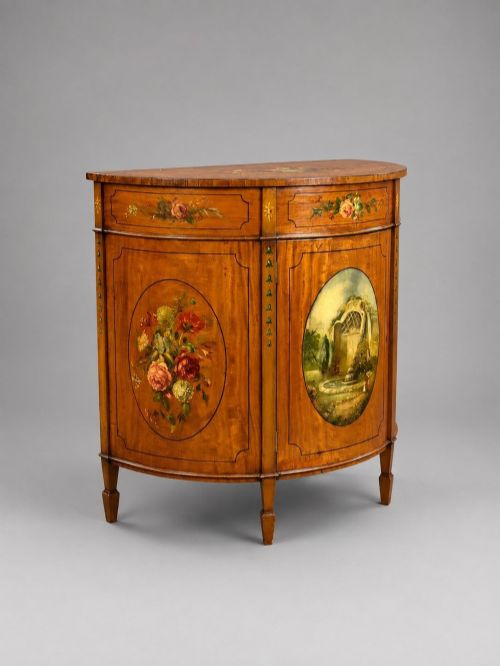
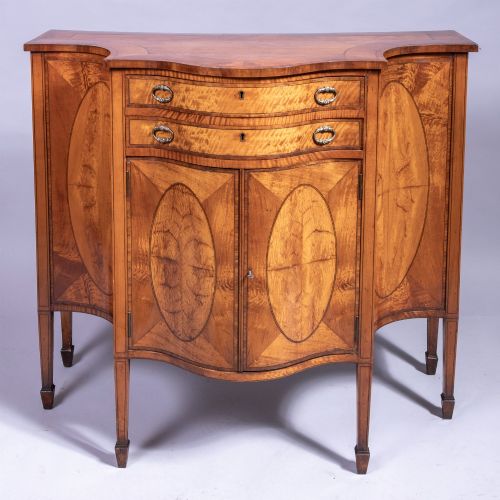
The primary forms found here include side cabinets, sideboards, commodes, and demi-lune cabinets. They frequently feature serpentine or bow fronts, alongside solid satinwood and timber construction.
Makers and workshops of the period utilised stylistic revivals, incorporating hand-painted detail and classical motifs. Buyers encounter both single cabinets and matched pairs within this selection.
Materials and construction
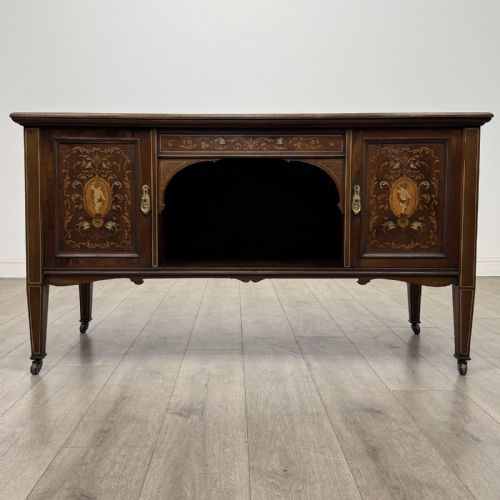
Construction relies heavily on satinwood timber, timber inlay, and wood inlay to create contrasting grain patterns. Workshops also incorporated mahogany, walnut, and solid satinwood depending on the regional origin and period.
Surface ornamentation distinguishes many pieces through hand-painted detail and painted motifs. Additional structural and decorative elements include brass mounts, gilt bronze mounts, ormolu, and marquetry.
Antique Satinwood Credenza Retail Price Guide 2026
Typical asking prices for satinwood credenza among the pieces listed under this phrase on Sellingantiques today, from the lower quarter to the upper quarter. They describe what is for sale here now, not the wider market.
Cabinet makers sometimes hid secret compartments behind painted satinwood panels to amuse Victorian guests.
Distinguishing quality
Quality rests upon the precision of the timber inlay and the delicacy of the hand-painted detail across the panels. Pieces designated as exhibition quality or featuring complex serpentine and bow fronts demand superior craftsmanship from the maker.
The integration of metal mounts, such as ormolu or gilt bronze, separates standard production from exceptional examples. Timber selection and the crispness of revival styles further dictate the standing of a credenza.
The Antique Satinwood Credenza Glossary
- Satinwood
- A dense, lustrous timber with a golden sheen, prized for fine cabinet making. It takes a high polish and serves as a canvas for inlay.
- Credenza
- A low cabinet or sideboard designed for storage and display. Originally Italian in origin, it evolved into a staple nineteenth-century drawing room form.
- Demi-Lune
- A half-moon shape used for cabinets and commodes designed to sit flush against a wall. This form became particularly popular during revival periods.
- Marquetry
- The art of applying pieces of veneer to a structure to form decorative patterns. Craftsmen utilised contrasting timbers to create pictorial designs.
- Ormolu
- Gilded bronze mounts applied to furniture for decorative effect. These metal ornaments highlight the architectural lines of the cabinet.
Antique Satinwood Credenza: Frequently Asked Questions
What is a satinwood credenza?
A satinwood credenza is a low storage cabinet surfaced with pale, lustrous satinwood timber. These pieces function as decorative sideboards or display units.
Perect for reception rooms, they combine practical cupboard space with refined surfaces suited for ornaments and lamps.
How do I date a credenza?
Dating relies on stylistic markers such as Sheraton or Adam revival motifs, alongside structural timber choices. The presence of hand-painted details often points towards the later nineteenth or early twentieth century.
Construction methods and secondary woods inside the cabinetry also help confirm the manufacturing era.
Where were these cabinets placed?
These cabinets traditionally stood against drawing room or dining room walls to display silver and porcelain. Their finished backs and compact depths allowed flexible placement.
Demi-lune and serpentine versions worked particularly well in entrance halls and narrower reception spaces.
What styles influence these pieces?
Nineteenth-century cabinet makers drew heavily on eighteenth-century neoclassical designs by Sheraton and the Adam brothers. This revivalism favoured symmetry, classical urns, and floral swags.
Anglo-Indian pieces also appear, demonstrating distinct regional carving and solid satinwood construction.