



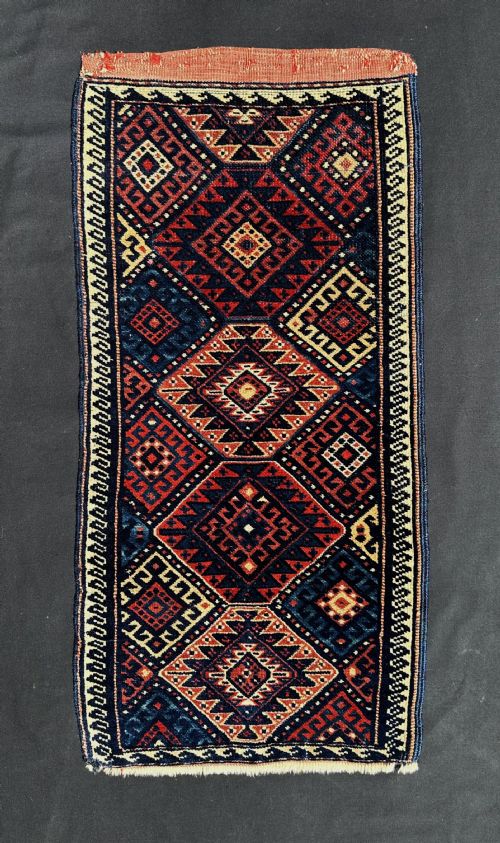
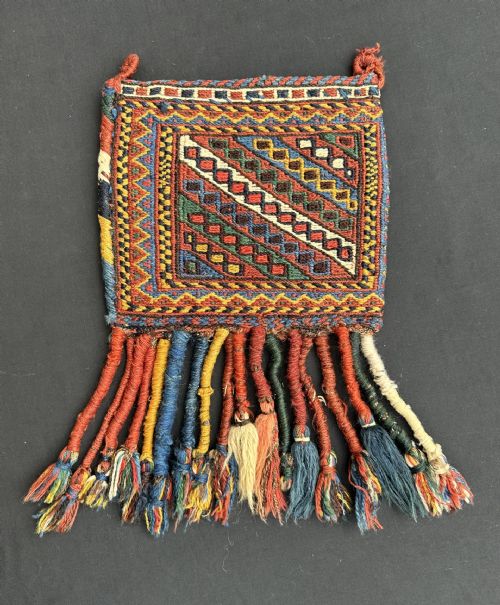


Antique Rug Fragment
An antique rug fragment offers a direct window into nomadic and village weaving traditions, bringing centuries of tribal artistry into a modern interior.

Antique Rug Fragment
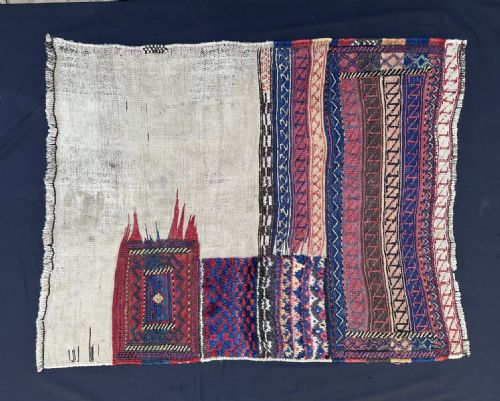
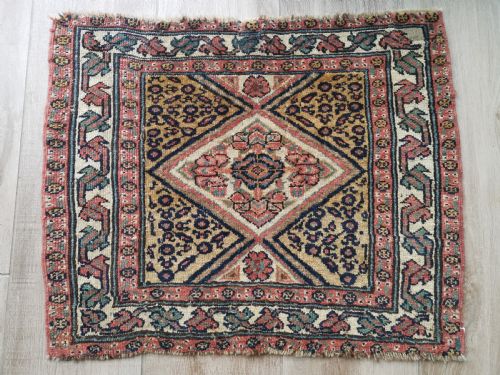
An antique rug fragment represents the surviving portion of a larger textile, such as a tribal bag face, torba, chuval, or runner, created by nomadic and village weavers across Persia, the Caucasus, and Central Asia. These pieces preserve intricate medallion designs, geometric guls, and field patterns that once belonged to complete carpets or utilitarian sacks.
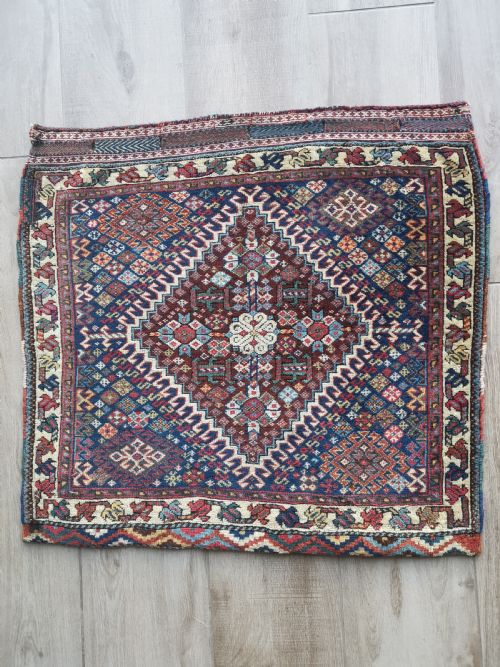
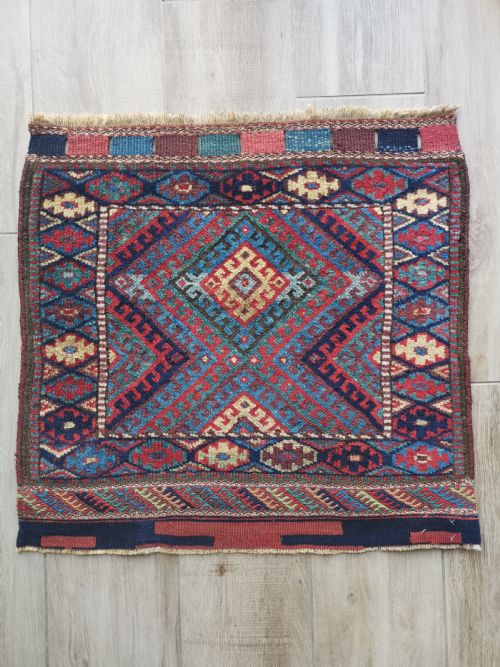
The selections available here lean heavily toward nineteenth-century Persian and Turkmen nomadic weaving, alongside Caucasian and Anatolian remnants. Buyers encounter various utilitarian forms, including pillow bag faces, saddlebags, and tent bands, which showcase the distinct regional motifs of tribes like the Tekke, Yomut, Afshar, and Qashqai.
Fragmentary survivals allow collectors to acquire authentic tribal art with genuine age and traditional natural dyes without needing the wall space or budget required for a full-sized carpet. Each remnant tells a specific story of domestic production, often displaying the skillful editing of pattern inherent in working on a smaller vertical loom.
What Varies in Quality
The distinction between ordinary and exceptional work rests upon the purity of the natural dyes, the precision of the drawing, and the overall handle of the wool. Superior examples exhibit a luminous depth of colour and crisp geometric layouts that reflect complete mastery of traditional tribal iconography.
Knot density and structural integrity also dictate the calibre of a piece, with finer weaves allowing for greater intricacy in motifs like curled leaves and guls. Even in a fragmented state, the vitality of the composition and the resilience of the surviving materials separate masterwork tribal weavings from simpler utilitarian output.
The inventory encompasses diverse utilitarian forms, from Qashqai bag faces and Afshar chantehs to Kyrgyz tent bands.
The Antique Rug Fragment Glossary
- Bagface
- The decorative front panel of a utilitarian nomadic storage bag, preserved after the plain back has worn away.
- Torba
- A small horizontal Turkmen storage bag traditionally hung inside a felt tent.
- Gul
- A repeating medallion motif used extensively in Turkmen and Central Asian carpet design.
- Natural Dyes
- Colourants extracted from vegetable, mineral, and animal sources before the introduction of synthetic aniline dyes.
- Sumac
- A warp-wrapping flatweave technique that produces a durable fabric with a textured surface resembling embroidery.
- Chuval
- A large Turkmen tent bag utilised for bedding and household storage.
Antique Rug Fragment: Frequently Asked Questions
What is an antique rug fragment?
An antique rug fragment is the surviving portion of a larger carpet, runner, or nomadic storage bag that has been preserved for its artistic merit and historic textile work.
These pieces allow collectors to appreciate authentic regional patterns, natural dyes, and tribal craftsmanship on a manageable scale.
How were tribal bags used?
Nomadic groups utilised woven bags inside tents and on animals for storing grain, bedding, clothing, and personal belongings.
Pieces such as torbas and saddlebags served both practical domestic functions and decorative roles within daily tribal life.
How should I display a fragment?
Many collectors choose to mount and frame textile fragments behind conservation-grade materials to protect the fragile wool and structure from environmental strain.
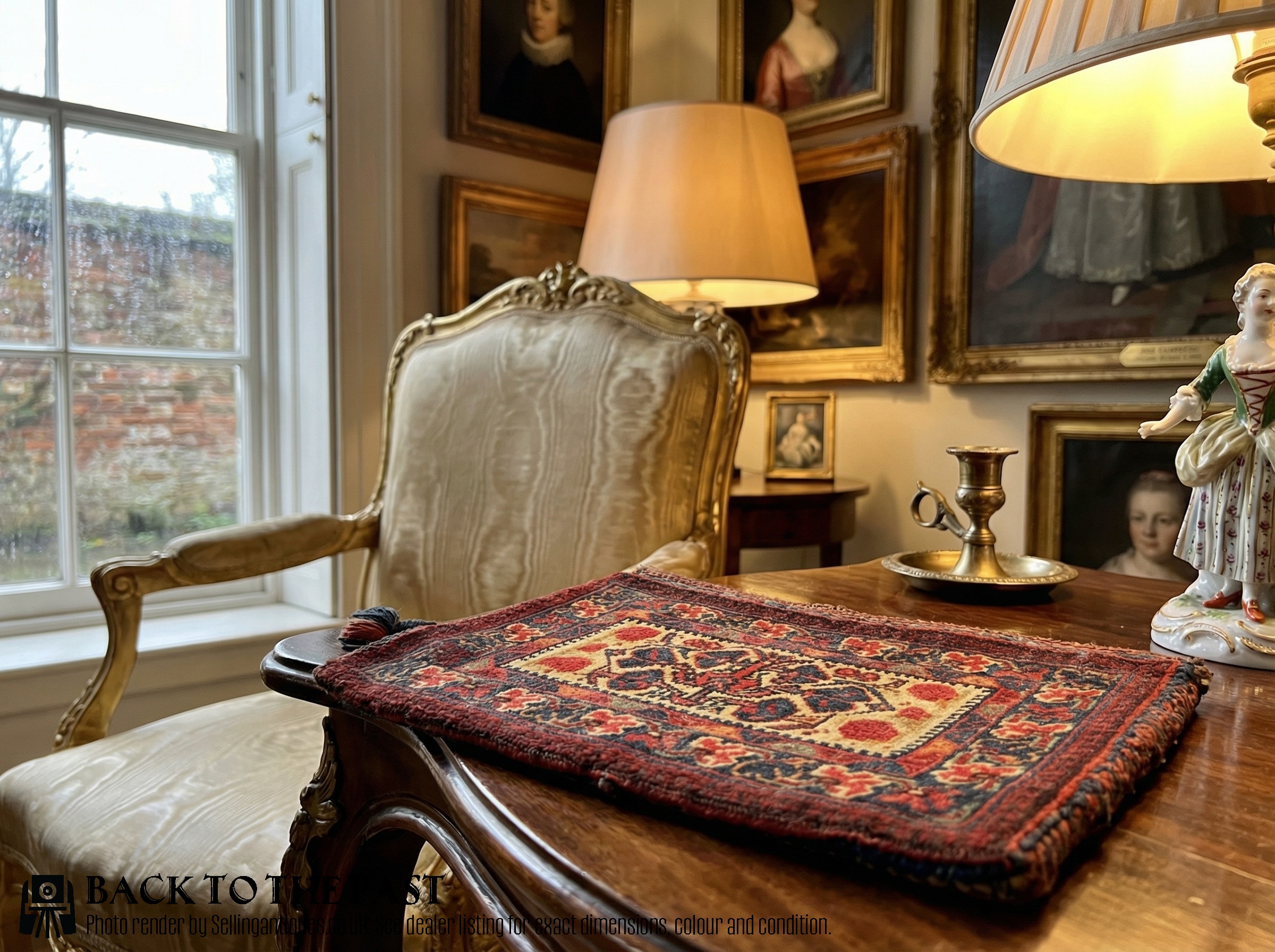
Smaller bag faces and remnants also sit well on low-traffic surfaces or function as striking wall hangings that highlight individual tribal motifs.
How do I identify different tribes?
Tribal identification relies on distinct structural characteristics, colour palettes, and signature motifs such as specific gul designs or geometric border arrangements.
Weaving habits from regions like Khorassan, Fars, or the Trans-Caspian steppes carry unique visual markers passed down through generations.