






Antique Red Low Table
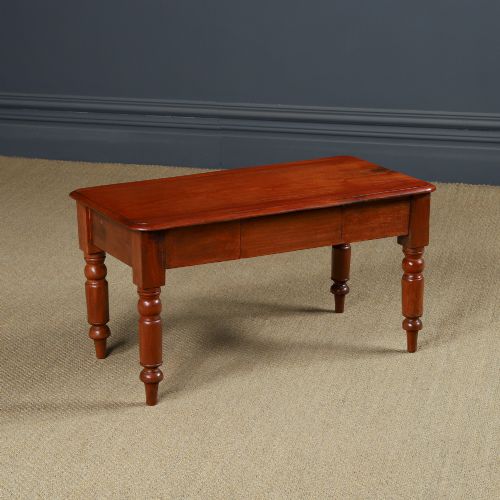
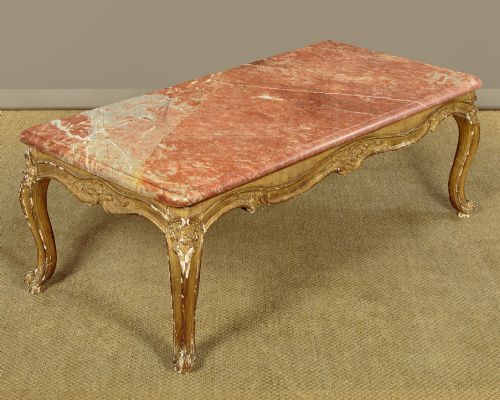
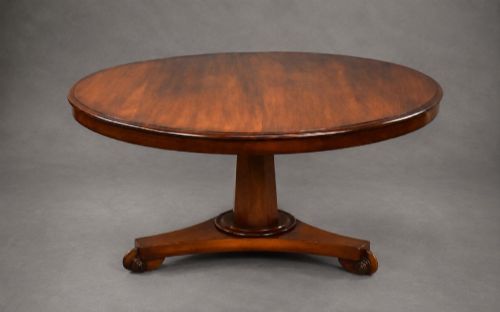
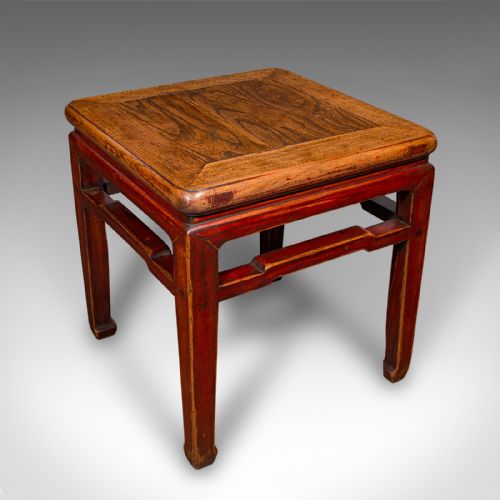
These antique red low table pieces bring rich colour and low proportions to a room, offering both practical surface space and striking character.
Antique Red Low Table
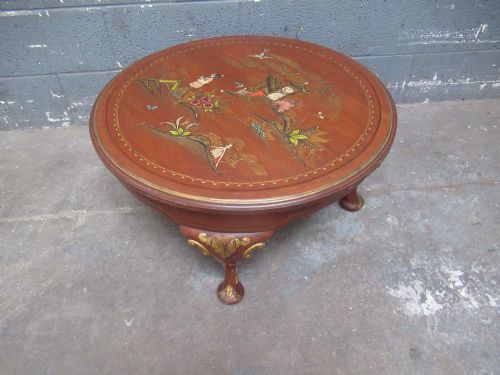
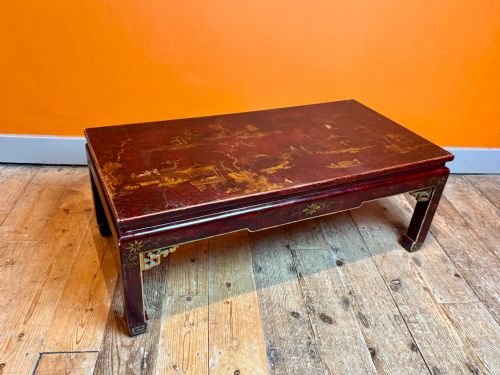
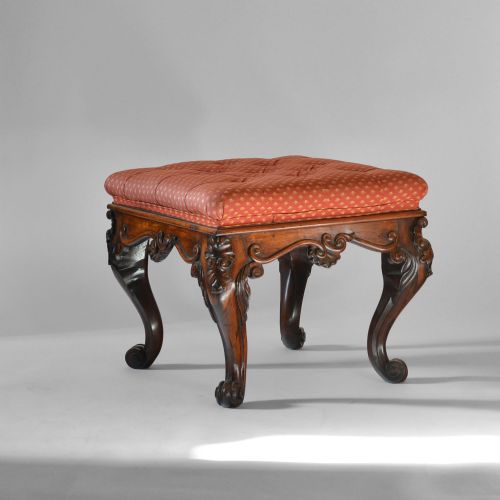
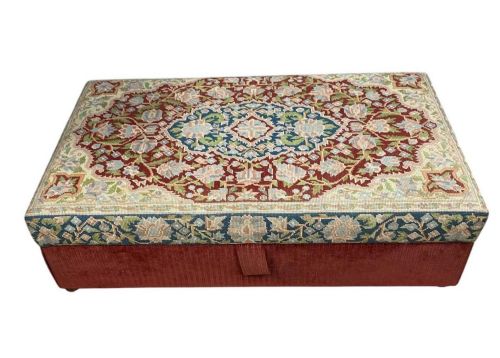
An antique red low table spans several distinct cultural traditions and periods, from nineteenth-century Chinese lacquer work to Victorian mahogany and nineteen-thirties commercial pieces. When searching for an antique red low table, buyers encounter formats ranging from low coffee tables and display tables to adapted stools and traditional Asian forms.
The materials and decoration define their visual impact, with red lacquer, pigment, and gold leaf appearing alongside traditional woods like mahogany, elm, and cherry. These tables function primarily as coffee tables or low occasional surfaces, bringing deep red tones and historic craftsmanship into modern interiors.
How they were made
The construction of these pieces relies on traditional woodworking techniques paired with specialist surface finishes. Lacquered examples employ multiple coats of pigment applied to a wooden core, sometimes enriched with gold leaf and intricate Chinoiserie decoration.
Solid timber pieces utilise dense hardwoods such as mahogany, elm, and walnut, shaped through traditional joinery and occasional hand-carving. The integration of fabric, marble, or giltwood in certain variants demonstrates the diverse manufacturing methods employed across different stylistic traditions.
Antique Red Low Table Retail Price Guide 2026
Typical asking prices for red low table among the pieces listed under this phrase on Sellingantiques today, from the lower quarter to the upper quarter. They describe what is for sale here now, not the wider market.
What varies in quality
Quality in these low tables rests upon the depth and preservation of the surface finish, particularly in lacquered and gilt-decorated pieces. Superior examples exhibit intact pigment, refined hand-painted detailing, and stable structural joinery that withstands centuries of use.
The choice of timber and the crispness of any carved ornament further distinguish finer items from standard commercial variants. Maker execution and material integrity dictate the overall presence and lasting stability of each piece.
The Antique Red Low Table Glossary
- Lacquer
- A durable finish made from resin or varnish applied in multiple layers to a wooden substrate. This technique creates a smooth, glossy surface that protects the wood beneath.
- Chinoiserie
- European theatrical interpretations of Chinese and East Asian artistic traditions, popular in furniture decoration. This style frequently employs gold motifs set against red or black grounds.
- Takhat
- A traditional Indian low seating platform or table used for sitting or serving. These heavy wooden pieces often display robust joinery and low proportions.
- Gilt Leaf
- Very thin sheets of hammered metal applied to wooden surfaces for decorative embellishment. It provides a luminous contrast against red pigment and dark woods.
- Pie Crust
- A raised, scalloped edge carved along the perimeter of a tabletop. This decorative detail is typically associated with finer mahogany occasional tables.
Antique Red Low Table: Frequently Asked Questions
How are antique low tables used today?
These pieces serve primarily as coffee tables or low display surfaces in living spaces. Their compact height makes them suitable for placing in front of sofas or alongside seating.
The distinct red colour and decorative finishes allow them to function as focal points within a room. They combine practical surface utility with historical visual interest.
How do I care for a lacquered red table?
Maintenance requires keeping the surface away from direct sunlight and excessive moisture to protect the underlying layers. Gentle dusting with a soft, dry cloth preserves the finish.
Avoid using harsh chemical polishes or abrasive cleaners that might damage the pigment or gold leaf. Wax can be applied sparingly to exposed wooden sections.
What periods do these low tables come from?
The available pieces span the nineteenth century up through the nineteen-thirties. Examples include Victorian adaptations alongside Asian lacquer work from the Meiji and Qing periods.
Each era contributes distinct construction methods and stylistic markers, ranging from British mahogany to Oriental lacquered chests and tables.
Are these tables solid wood?
Construction varies depending on the origin and style of the piece, with many utilising solid hardwoods like mahogany, elm, cherry, or walnut. Lacquered items typically feature a wooden core beneath multiple coats of pigment.
Traditional joinery methods are used throughout, ensuring structural stability without relying on modern fasteners. The choice of material reflects the regional workshop traditions of each maker.