
Antique Red Accent Chair
An antique red accent chair brings colour and historical character to a room, offering practical seating shaped by centuries of cabinet-making tradition.
Antique Red Accent Chair
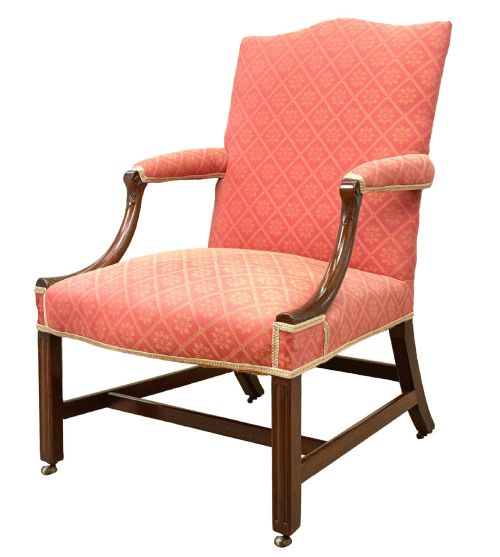
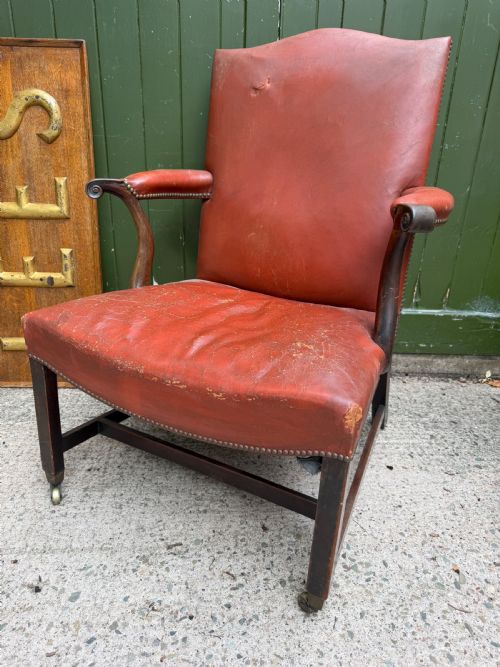
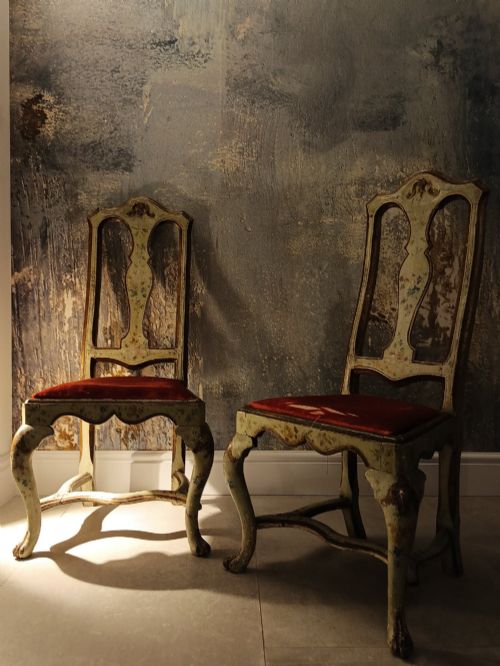
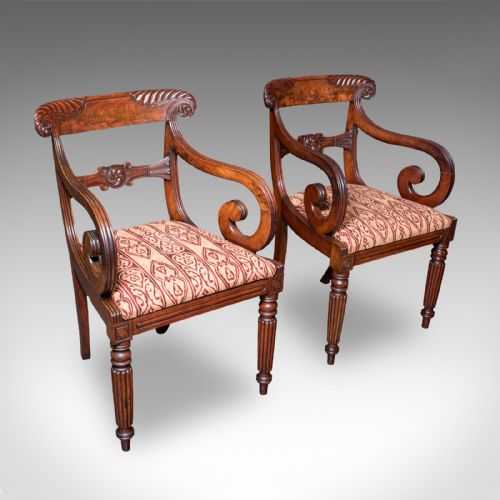
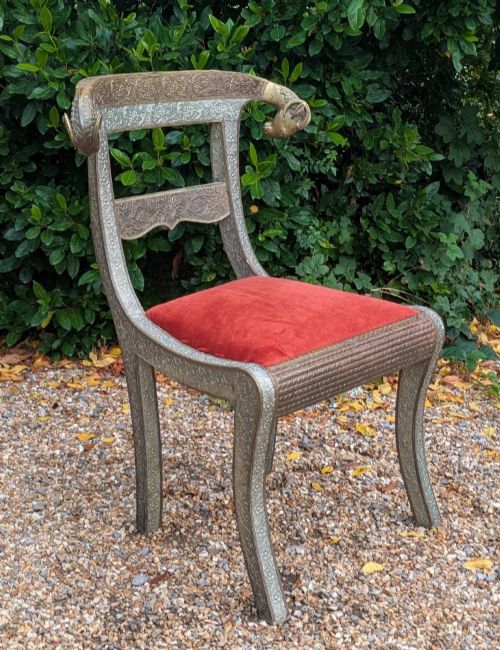
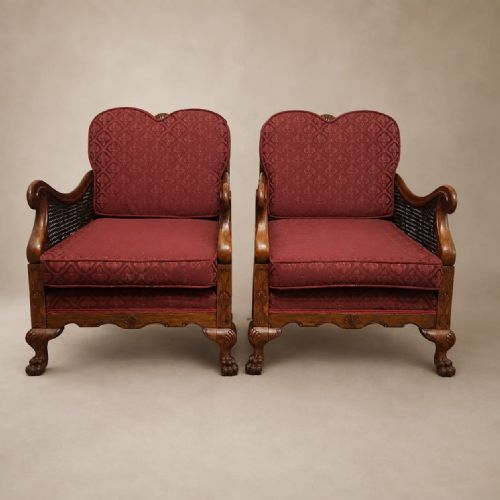
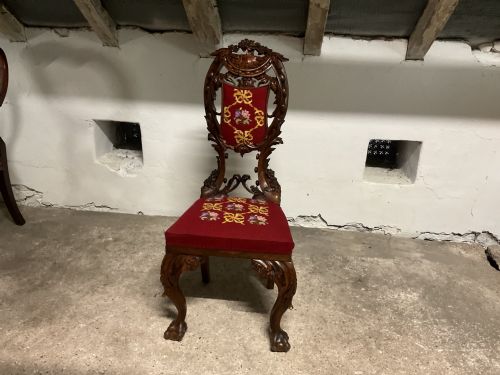
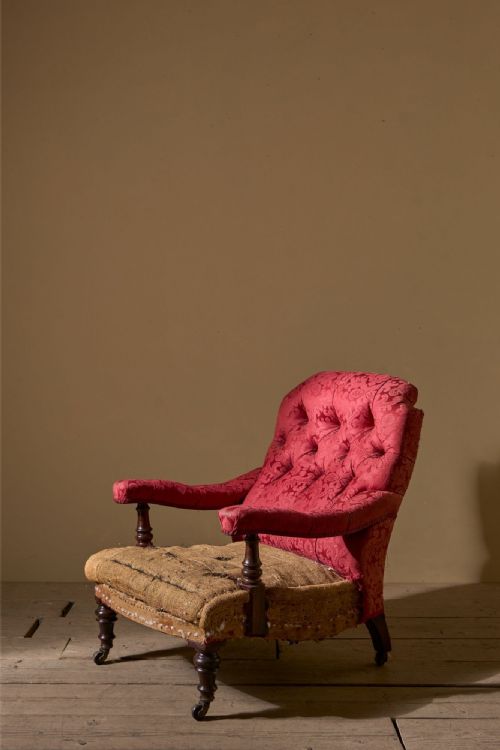
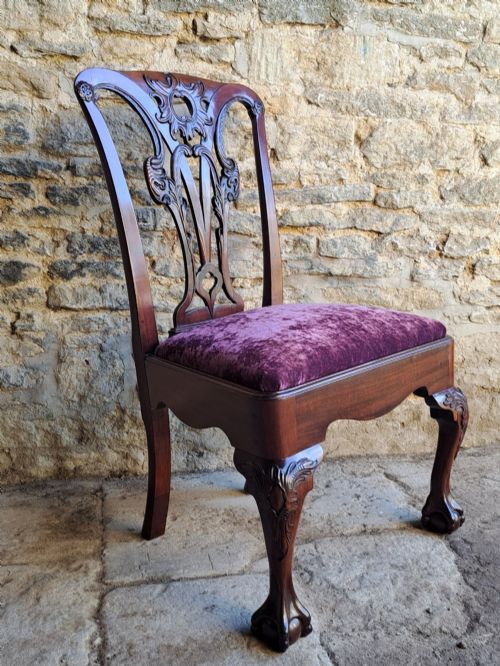
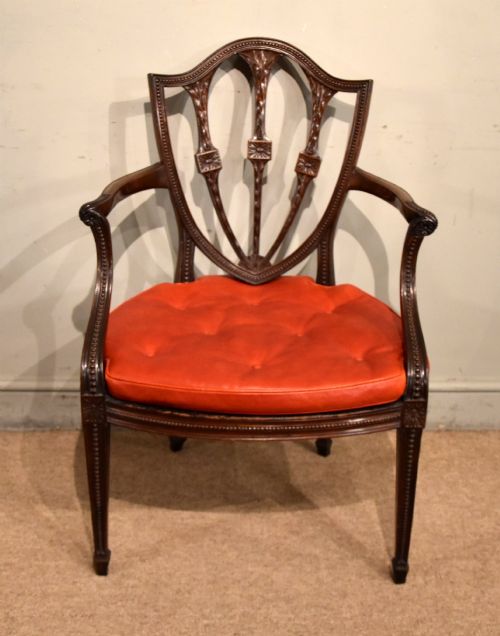
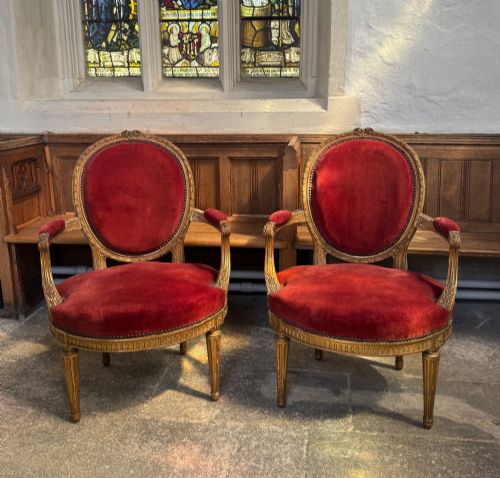
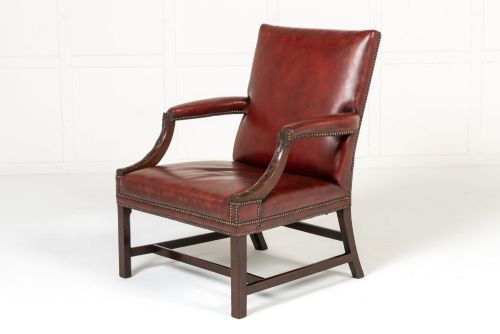
An antique red accent chair encompasses various seating forms upholstered or lacquered in red, ranging from library armchairs and Gainsborough seats to side chairs and elbow chairs. When searching for an antique red accent chair, buyers frequently encounter pieces dating from the eighteenth and nineteenth centuries, including Victorian, Georgian, and Regency periods.
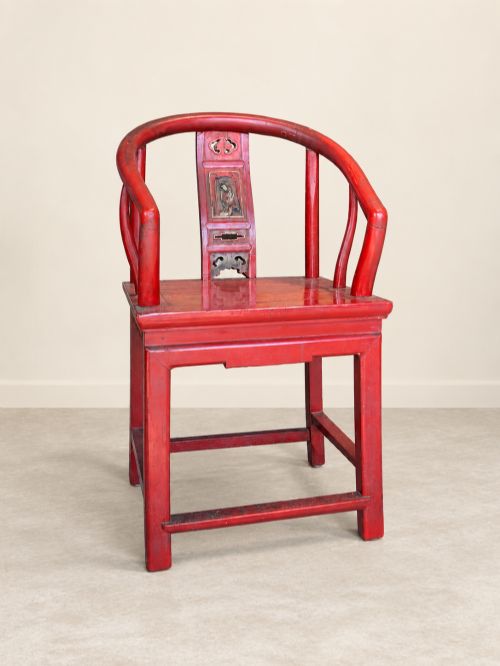
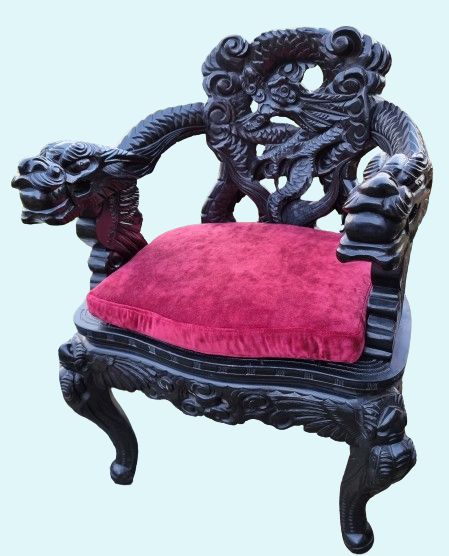
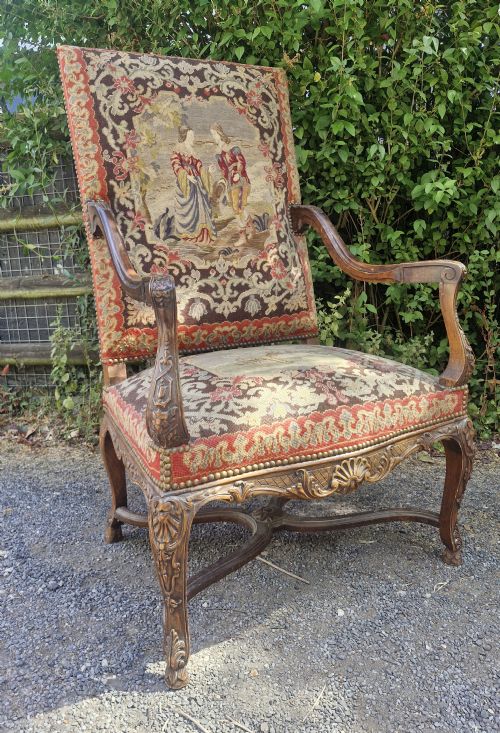
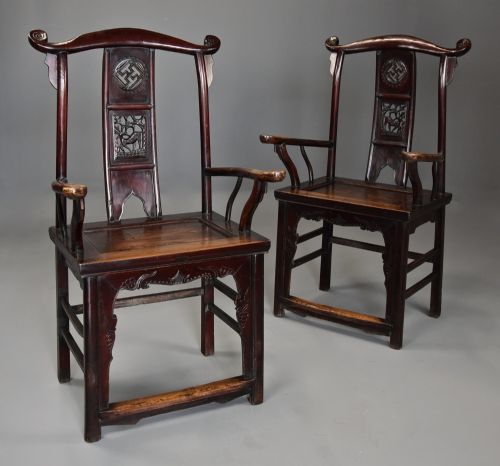
The selection includes English mahogany and walnut frames alongside French giltwood fauteuils, Chinese elm yokeback chairs with red lacquer, and oak library chairs. These items function as focal points in reception rooms, libraries, and parlours, providing both decorative contrast and historical authenticity.
Materials and construction methods
Frames rely on timbers such as mahogany, walnut, oak, and elm, often shaped through traditional joinery and detailed carving. Carved giltwood, ebonised finishes, and split cane panels appear across various regional workshops and continental styles.
Several Chinese elm chairs arrive complete with their original red lacquer, proving that ancestors also enjoyed a vibrant splash of colour.
Distinctions in craftsmanship and condition
Quality rests in the crispness of the timber carving, the structural integrity of the frame joints, and the retention of original surface finishes or patination. Finer examples display balanced proportions, skilful joinery, and period-appropriate materials that have aged gracefully.
The integrity of the upholstery ground, whether historic leather or replacement fabric, influences the overall character. Pieces retaining original lacquer, untouched patination, or documented provenance command closer attention from collectors.
The Antique Red Accent Chair Glossary
- Gainsborough chair
- A type of eighteenth-century wide-seated upholstered armchair with open padded arms, designed for writing desks or libraries.
- Fauteuil
- An open-armed French armchair with an exposed wooden frame, typically carved and gilded or painted.
- Yokeback
- A traditional Chinese chair style featuring a top rail resembling a yoke, seen in elm examples.
- Carver
- An armchair designed to match a set of dining side chairs, usually placed at the head of a table.
- Bergère
- An enclosed or partially upholstered armchair with wooden framing, often incorporating cane panels on the back or sides.
Antique Red Accent Chair: Frequently Asked Questions
Where should I place an antique red accent chair?
An antique red accent chair works effectively in sitting rooms, studies, or hallways where the red upholstery or lacquer provides a focal point against neutral walls. Pairing the chair with complementary wood furniture helps anchor it within the space.
Because many period examples feature generous proportions or open arms, ensure adequate clearance around the piece so the carved details remain visible.
How do I care for antique leather upholstery?
Historic leather requires gentle cleaning with a dry or slightly damp cloth, avoiding modern chemical detergents that strip natural oils. Conditioning can maintain suppleness if the leather shows dryness.
Keep such seating away from direct heat sources and strong sunlight to prevent the red dye and hide from fading or cracking over time.
How can I tell a Georgian chair from a Victorian one?
Georgian seating, dating from the eighteenth century, typically employs mahogany or walnut with restrained, classical carved details like ball-and-claw feet or Chippendale motifs. The construction prioritises structural lightness combined with robust joinery.
Victorian pieces, produced during the nineteenth century, often exhibit heavier proportions, darker oak or walnut frames, and buttoned upholstery styles such as those found on library armchairs.
Can these chairs be used for daily seating?
Many sturdy armchairs and side chairs remain entirely suitable for everyday use, provided the frame joints and internal webbing are secure. Checking the structural stability with a professional restorer ensures safe daily sitting.
Lighter decorative pieces, such as giltwood fauteuils or delicate side chairs, are better suited for occasional use to preserve their historical framing.